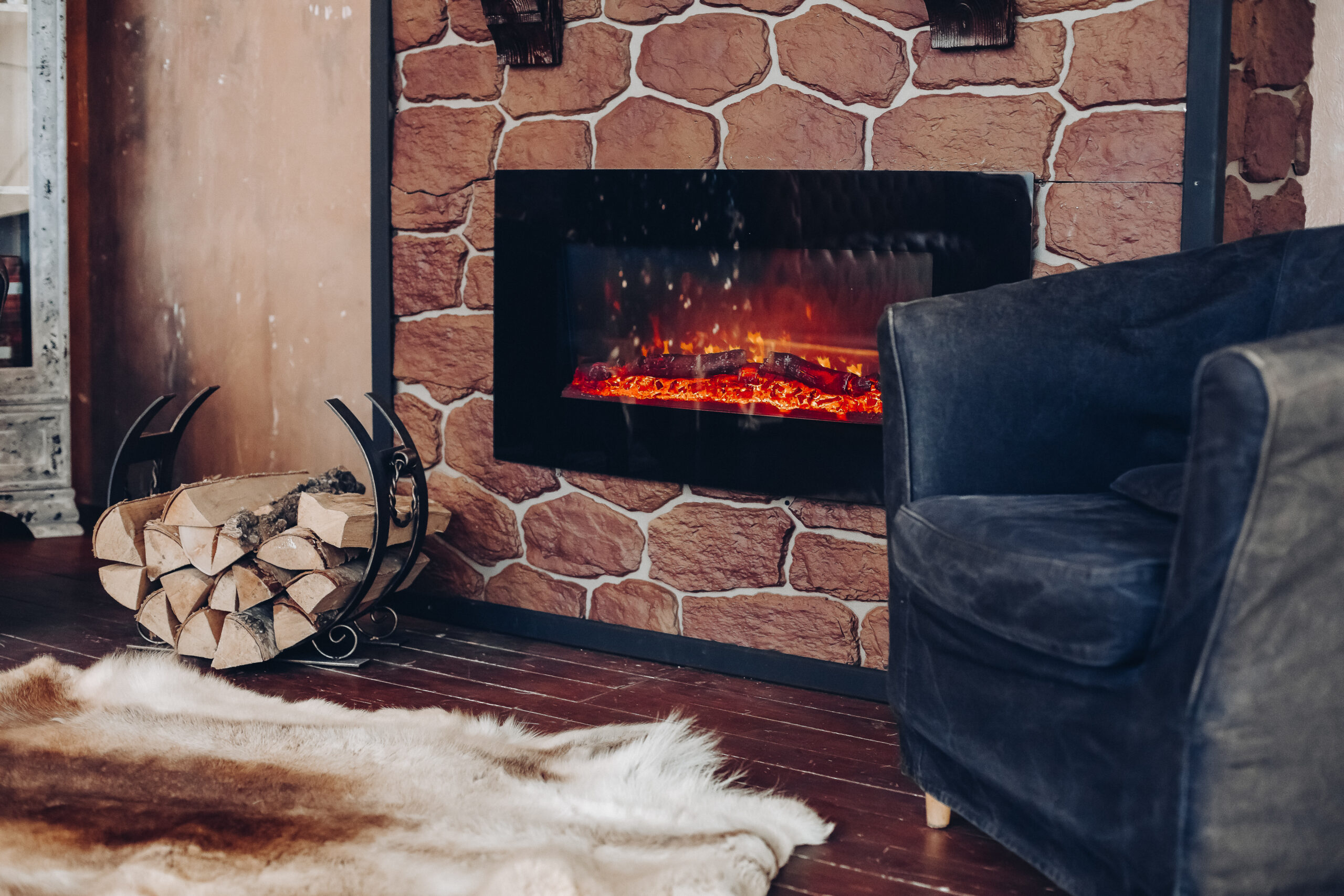
The holiday season brings joy, gatherings, and festive atmosphere, often fueled by candles, roaring fireplaces, and abundant cooking. Unfortunately, this increase in celebratory activities also brings a heightened risk of fire and severe burns during the holidays. When a festive gathering turns into a painful tragedy due to a fire, victims must ask: Who is legally responsible?
Understanding liability is complex, as it depends on whether the injury resulted from a simple accident or from another party’s negligence. Whether you are burned at a friend’s house, a relative’s home, or a commercial venue, you have the right to seek compensation if someone else’s carelessness caused your injury.
Establishing Premises Liability for Holiday Fires
Many fire-related burn injury during the holidays happen in homes or places of business. To establish liability against a property owner, your case must prove premises liability. This means showing the property owner was negligent in maintaining a safe environment.
Common Scenarios and Who is Liable:
| Fire Source | Potential Negligent Party | Example of Negligence |
| Fireplace/Chimney | Homeowner, Landlord, Property Manager | Failing to inspect or clean the chimney, leading to a dangerous creosote build-up and chimney fire. |
| Candles/Decorations | Homeowner, Host | Placing flammable décor (like dried wreaths or loose curtains) too close to an open flame, violating fire codes. |
| Cooking Fires | Homeowner, Commercial Kitchen/Venue | Leaving cooking appliances unattended; having faulty or improperly installed gas or electrical stoves/ovens. |
| Smoke Alarms | Landlord, Property Manager | Failing to install working smoke detectors or ignoring code requirements for alarm maintenance. |
If you were injured, we must prove the property owner knew or should have known about the dangerous condition (e.g., the clogged chimney or the faulty wiring) but failed to fix it or warn guests.
Product Liability: When Defective Goods Cause Fires
Sometimes, a holiday fire isn’t caused by a person’s negligence but by a defective product. This triggers a different area of law known as product liability.
You may have a product liability claim if the fire originated from:
-
Defective Holiday Lights: Poorly manufactured wiring that short-circuits and ignites the tree or surrounding materials.
-
Malfunctioning Appliances: A defective slow cooker, air fryer, or space heater that overheats and catches fire.
-
Flammable Clothing or Decorations: Items that fail to meet federal safety standards for flame resistance.
In these cases, the negligent parties are the manufacturer, the distributor, or the retailer of the defective product. We don’t have to prove they were careless; we only have to prove the product was defective and directly caused the fire and your injury.
Types of Damages in Burn Injury Cases
Burn injuries are devastating, often requiring extensive, costly, and long-term medical care. The compensation recovered in these cases reflects the severity and permanence of the damage.
You can seek compensation for:
-
Medical Costs: Emergency room visits, hospital stays, surgical procedures (including skin grafts), specialized burn center treatment, and ongoing physical therapy.
-
Lost Wages: Income lost during recovery and projected loss of future earning capacity due to permanent disability or disfigurement.
-
Pain and Suffering: Compensation for the physical pain, emotional trauma, disfigurement, and scarring that often follow severe burn injuries.
-
Property Damage: Cost to repair or replace personal property destroyed in the fire.
Burn Injury Liability FAQ Section
Q: What is the first thing I should do after sustaining a burn injury in a fire?
A: Seek immediate medical treatment. Your health is the priority. Once stable, you should contact an attorney. Do not speak with insurance adjusters or sign any documents before consulting with a lawyer.
Q: What if the injury happened at a friend’s house? Can I still sue?
A: You can still pursue a claim. Typically, the claim is filed against the friend’s homeowner’s insurance policy, not the friend directly. Their insurance is designed for this exact purpose: to cover injuries that occur on their property due to negligence.
Q: What is the difference between a first-degree and a third-degree burn for a lawsuit?
A: The degree of the burn directly impacts the value of the case. Third-degree burns (which destroy all layers of skin and often require surgery and result in permanent scarring) lead to significantly higher compensation than minor first-degree burns (which only affect the top layer of skin).
Q: How quickly must I file a lawsuit for a burn injury?
A: This depends on the state’s Statute of Limitations. In most states, you have a set period (often one to three years) from the date of the injury to file a lawsuit. Failure to meet this deadline means you forfeit your right to pursue compensation forever.
Q: If a defective product caused the fire, who do I sue?
A: You can sue the entire chain of distribution, including the manufacturer who made the product, the wholesaler/distributor who transported it, and the retailer who sold it to you. A product liability lawyer helps identify all responsible parties.
Dealing with the trauma and cost of burn injuries during the holidays should not fall solely on the victim when negligence is the cause. The attorneys at Colvin Accident Lawyers are ready to investigate the cause of your fire and hold the responsible parties accountable.
Would you like to schedule a free, confidential consultation to discuss your burn injury claim?