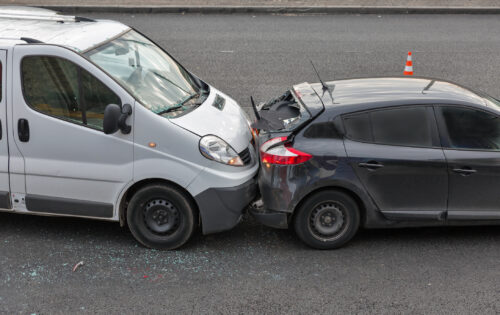
If you’ve been injured in a car accident in California, your right to compensation depends on more than just who caused the crash. One law that can significantly reduce — or even eliminate — certain types of compensation is California Proposition 213, also known as California Civil Code Section 3333.4.
For many accident victims, Prop 213 comes as a major shock, especially when they were not at fault. Understanding how this law works is essential if you want to protect your rights and avoid costly mistakes following a crash.
What Is California Prop 213?
California Prop 213 was passed in 1996 to prevent certain drivers — mainly uninsured, DUI-convicted, or unauthorized drivers — from collecting non-economic damages in a car accident claim.
This means:
Even if another driver caused the accident, you may be barred from recovering compensation for pain and suffering, emotional distress, or loss of enjoyment of life if Prop 213 applies to you.
Prop 213 does not stop you from recovering financial losses, but it does restrict the full compensation normally available in a personal injury case.
Who Does Proposition 213 Apply To?
Prop 213 applies to very specific groups of drivers:
1. Uninsured Drivers
If you were driving without valid liability insurance at the time of the crash, you cannot recover non-economic damages — even if someone else was entirely at fault.
2. Drivers Convicted of DUI
If you were driving under the influence at the time of the collision, Prop 213 prevents you from collecting non-economic damages.
3. Drivers of Stolen or Unauthorized Vehicles
If you were using a vehicle without permission or driving a stolen car, you are also barred from recovering non-economic damages.
What Compensation Can You Still Recover Under Prop 213?
While Prop 213 limits certain damages, you may still recover economic damages, including:
-
Medical expenses
-
Hospital and rehabilitation costs
-
Lost wages and lost earning capacity
-
Property damage
-
Out-of-pocket expenses related to the crash
You cannot, however, recover compensation for:
-
Pain and suffering
-
Emotional distress
-
Loss of enjoyment of life
Examples of How California Prop 213 Works
Example 1: Uninsured Driver, Not at Fault
You’re hit by a reckless driver and break your arm.
You can recover: medical bills, lost wages, property damage
You cannot recover: pain and suffering — because you were uninsured.
Example 2: Passenger in an Uninsured Vehicle
You’re riding in a friend’s uninsured car when another driver causes a crash.
Passengers are not penalized under Prop 213 — you can recover both economic and non-economic damages.
Example 3: Insured Driver Hit by a DUI Driver
Prop 213 does not apply — you can recover full damages, including pain and suffering.
Why Proposition 213 Exists
Supporters of Prop 213 argued that it encourages drivers to maintain valid insurance and helps reduce overall insurance premiums for responsible drivers.
Critics argue the law unfairly punishes uninsured victims who may already struggle financially — especially when they did nothing wrong in the crash.
How to Protect Yourself from Prop 213 Limitations
The best protection is simple:
Maintain valid auto insurance at all times.
California’s minimum liability requirements are:
-
$15,000 for injury or death to one person
-
$30,000 for injury or death to more than one person
-
$5,000 for property damage
Even a brief lapse in coverage — such as missing a payment — can leave you categorized as “uninsured” under Prop 213.
How a Personal Injury Attorney Can Help With Prop 213 Cases
Even if you think Prop 213 applies to you, a skilled attorney may be able to uncover exceptions or legal strategies that increase your recovery.
For example:
-
If you were driving an uninsured vehicle but you personally had valid insurance, you may still be eligible to recover full damages.
-
If insurance coverage lapsed due to an administrative issue, an attorney can help prove you maintained good faith coverage.
-
If there is a dispute over fault or insurance status, legal representation can protect your rights.
At Colvin Accident Lawyers, we help injured Californians navigate Prop 213 claims and fight for every dollar they deserve.
Frequently Asked Questions About California Prop 213
1. What are non-economic damages?
They include pain and suffering, emotional distress, and loss of enjoyment of life. Prop 213 restricts these for uninsured or DUI drivers.
2. Does Prop 213 apply to passengers?
Generally, no. Passengers usually retain full rights to compensation.
3. What if my insurance just expired?
Unfortunately, even a short lapse may classify you as “uninsured.”
4. What if I was driving someone else’s car?
If you had valid insurance of your own, you may still collect full damages.
5. Can I still sue the at-fault driver?
Yes. You can still recover economic damages, even if non-economic damages are barred.
6. Does Prop 213 affect wrongful death claims?
Usually not. Survivors can typically recover full damages regardless of the decedent’s insurance status.
Final Thoughts
California Proposition 213 is one of the most misunderstood laws affecting auto accident claims. Even if you were not at fault, being uninsured at the time of the crash can drastically reduce the compensation available to you.
If you’ve been injured in a California car accident and are unsure whether Prop 213 affects your case, contact Colvin Accident Lawyers at 866-GO-COLVIN or visit GoColvin.com. We provide free consultations and will help you understand your rights and fight for the compensation you deserve.