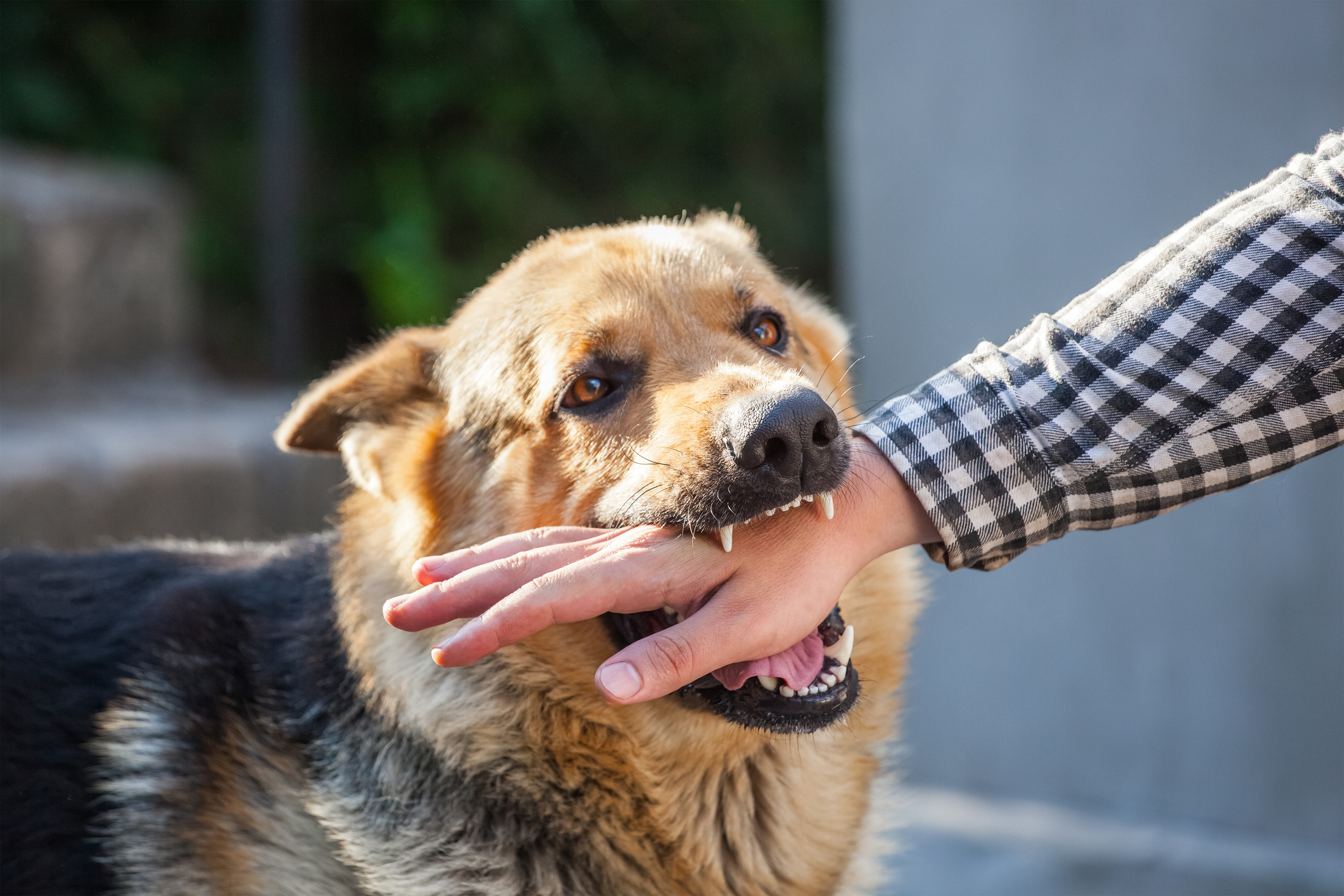
Each year, thousands of Californians—many of them children—suffer injuries from dog bites. While some of these attacks result in minor scratches or bruises, others can lead to permanent scarring, disability, or life-threatening infections. Unfortunately, the trauma doesn’t always stop with the bite itself. Beneath the surface lies a less visible but equally dangerous threat: infection.
Common Injuries from Dog Bites
While the severity of a dog bite can vary based on the size and breed of the dog, the location of the bite, and the age or vulnerability of the victim, most bites fall into a few common injury categories:
Puncture Wounds
Dog teeth are sharp and conical, designed to grip and tear. As a result, most dog bites cause deep puncture wounds, which can penetrate skin, fat, and muscle. These wounds may not bleed much at first, but they can trap bacteria deep beneath the skin, increasing the risk of infection.
Lacerations and Tearing Injuries
Dogs often shake their heads when biting, especially in an aggressive attack. This can cause lacerations (deep cuts) and tearing of soft tissue, particularly in areas like the face, arms, or legs. These injuries often require stitches or reconstructive surgery and can leave permanent scars.
Crush Injuries and Bone Fractures
Larger breeds have powerful jaws capable of causing crush injuries, damaging nerves, muscles, and even breaking bones-especially in children or older adults with more fragile bone structures.
Nerve Damage
If a bite occurs near a joint or nerve pathway (such as the hands, feet, or face), victims may suffer nerve damage. This can lead to long-term numbness, tingling, or even loss of function.
Infections (Bacterial and Viral)
One of the most dangerous consequences of a dog bite is the risk of infection, which we’ll explore in more detail below.
The Science Behind Wound Infections: Why Do Dog Bites Become Infected So Easily?
Unlike clean cuts or surgical incisions, dog bite wounds are typically jagged, deep, and contaminated. The dog’s mouth contains a rich mix of bacteria, some harmless, others potentially deadly. When the teeth break the skin, those bacteria are injected into the wound along with saliva. Common bacteria found in dog bites include the following.
Pasteurella
Pasteurella is the most common bacterium in dog bites, found in over 50% of cases. It can cause swelling, redness, and pus, and may lead to more serious infections like cellulitis or abscesses.
Staphylococcus aureus (Staph)
A normal part of the skin flora, Staph is dangerous when introduced into deeper tissues.
Capnocytophaga canimorsus
Rare but deadly, this bacterium can cause sepsis in immunocompromised individuals or people with spleen disorders.
MRSA (Methicillin-resistant Staphylococcus aureus)
MRSA is a drug-resistant bacterium that can complicate treatment.
Tetanus
While rare, tetanus bacteria can enter the body through deep puncture wounds and cause serious complications.
How Infections Progress
Risk factors for infection include:
- Delayed medical treatment
- Improper cleaning of the wound
- Bite on the hands or feet
- Immuno-compromised individuals
- Bites from unknown or unvaccinated dogs
Within 24-48 hours of a bite, signs of infection may begin to appear:
- Redness and swelling around the wound
- Pus or drainage
- Increasing pain or tenderness
- Fever or chills
- Swollen lymph nodes
Without treatment, the infection can spread to the bloodstream (sepsis), joints, or even bone (osteomyelitis).
Medical Treatment: Time Is Critical
If you or your child is bitten by a dog, don’t wait to seek treatment-even if the injury looks minor. A medical professional will:
- Thoroughly clean the wound
- Prescribe antibiotics
- Evaluate the need for stitches or tetanus shots
- Possibly recommend rabies prophylaxis if the dog’s vaccination history is unknown
Prompt care can prevent a minor bite from becoming a major medical crisis.
Legal Rights for Dog Bite Victims in California
California is a strict liability state when it comes to dog bites. That means a dog owner is legally responsible for injuries their dog causes-regardless of whether the dog has shown aggression before. Under California Civil Code §3342, a victim does not have to prove the owner was negligent. What this means:
- If you were bitten in a public place or lawfully on private property, you can hold the dog owner liable
- You may be entitled to compensation for medical bills, lost wages, pain and suffering, and permanent scarring
- In cases involving children, claims can include emotional trauma and future costs for counseling or reconstructive surgery
When to Call a Lawyer
If you or a loved one has suffered a dog bite injury in California, don’t try to handle the situation alone. A qualified personal injury attorney can:
- Investigate the dog’s history
- Identify the liable party (often, a homeowner’s insurance policy is involved)
- Ensure you get full compensation for both visible and invisible injuries
- Handle all legal communication while you focus on recovery
Frequently Asked Questions (FAQ)
Q: What should I do immediately after a dog bite?
A: Clean the wound with soap and water, apply pressure if bleeding, and seek medical attention as soon as possible. If safe, get the contact info of the dog’s owner and note whether the dog is up to date on vaccinations.
Q: Can I sue even if it was the dog’s first bite?
A: Yes. California does not follow the “one bite rule.” Owners are liable the first time their dog bites someone, regardless of past behavior.
Q: What if I was bitten while on someone’s property?
A: As long as you were lawfully on the property (not trespassing), you can still file a claim.
Q: What kind of compensation can I get?
A: You may be entitled to compensation for medical costs, lost wages, future medical treatment (like plastic surgery), pain and suffering, and emotional distress.
Q: How long do I have to file a dog bite claim in California?
A: The statute of limitations is two years from the date of the injury. It’s best to act quickly while evidence and witnesses are still available.
Conclusion
Dog bite injuries are not just skin-deep-they can carry profound physical, emotional, and financial consequences. Understanding the types of injuries and the science behind wound infections can help victims seek proper medical care and assert their legal rights. If you’ve been injured in a dog attack in California, don’t wait. Contact us to speak with an experienced personal injury attorney who understands the law—and how to help you heal.