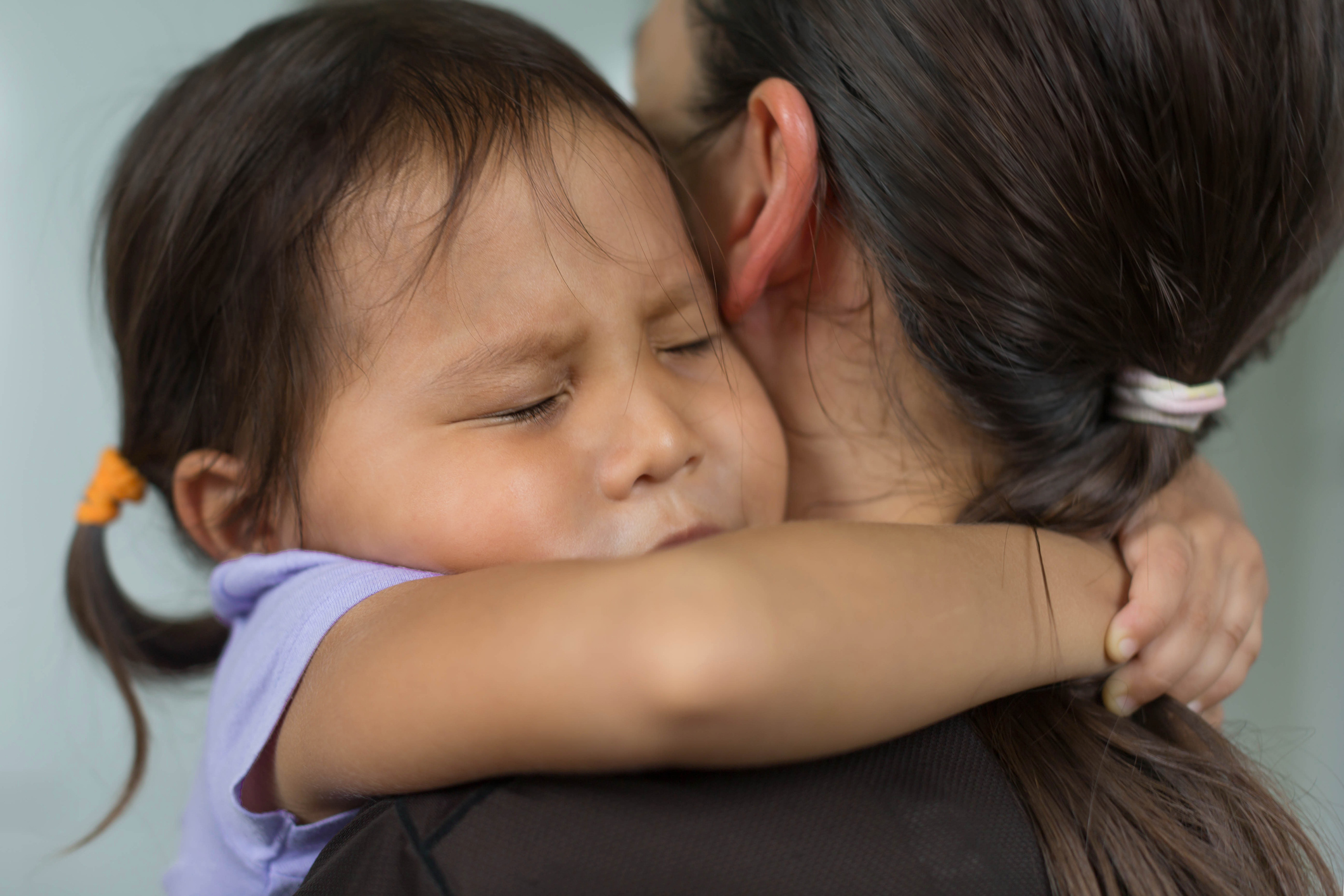
Accidents are difficult for anyone to go through, but when a child is involved, the impact can be especially devastating. Children don’t just experience accidents the same way adults do on a smaller scale. Their minds, emotions, and bodies process trauma differently. At Colvin Accident Lawyers, we’ve seen how deeply an accident can affect a child’s future, both physically and emotionally, and we believe it’s important for families to understand the unique ways children are impacted.
The Physical Impact on Children
Children are still growing, which means their bodies are more vulnerable in certain ways. For example, in a car accident, a child may suffer more severe injuries because their bones are not as developed, or because car safety devices are primarily designed for adults. Even what appears to be a “minor” accident can cause long-term complications for a child’s development.
Sometimes, injuries in children aren’t immediately obvious. A bump on the head, a sore neck, or behavioral changes in the weeks following an accident can be signs of a more serious underlying injury. That’s why it’s critical to seek medical attention right away and follow up with specialists when needed.
The Emotional and Psychological Impact
Children don’t always have the words to describe what they’re feeling. Instead of saying, “I feel anxious” or “I’m scared,” a child may act out, withdraw, or regress to earlier behaviors such as bedwetting or dinginess. These are common signs of trauma after an accident.
Unlike adults, children often blame themselves for what happened, even if it was clearly someone else’s fault. This misplaced guilt can increase their distress and make it harder for them to heal emotionally. Without proper support, a child may develop long-term issues such as nightmares, fear of riding in cars, difficulty concentrating at school, or even post-traumatic stress disorder (PTSD).
Why Early Intervention Matters
The sooner a child receives support, the better their chances of recovery. This support isn’t just medical; it can also include therapy, counseling, or even something as simple as a structured routine to help them feel safe again.
Parents and caregivers play a huge role in helping children process trauma. Listening, validating feelings, and creating a sense of safety are essential. At the same time, families shouldn’t have to carry the financial burden of these treatments alone, especially if another party’s negligence caused the accident.
Legal Considerations for Children in Accidents
When a child is injured, the legal process can be a little different from that for adults. Because minors cannot file lawsuits on their own, a parent or guardian typically files a claim on their behalf.
Settlements involving children often require court approval to ensure the child’s best interests are protected.
These safeguards are in place because compensation for a child isn’t just about current medical bills; it’s about the potential long-term impact. A serious injury could affect their ability to participate in sports, pursue a career, or live without ongoing medical treatment. An experienced personal injury attorney can make sure those long-term needs are factored into any settlement.
FAQ: Understanding Children and Accident Trauma
My child seems fine after the accident. Should I still see a doctor?
Yes. Children may not show immediate signs of injury, and some conditions, like concussions or internal injuries, can develop over time. Always get a medical evaluation after an accident.
How do I know if my child is experiencing emotional trauma?
Watch for changes in behavior, such as nightmares, trouble sleeping, withdrawal, anger, or regression to earlier behaviors. If these signs persist, professional counseling may be needed.
Will my child have to testify in court if we file a case?
In most cases, no. Many personal injury claims involving children are settled outside of court. If testimony is required, attorneys take special steps to minimize the stress on the child.
Can compensation cover therapy and long-term care for my child?
Yes. A personal injury claim can include not only current medical bills but also the cost of counseling, future treatment, and the long-term impact of the injury.
How long do we have to file a claim for a child in California?
Typically, the statute of limitations is two years for personal injury claims. However, for minors, the clock often doesn’t start until the child turns 18. That said, it’s always best to act sooner to preserve evidence and ensure access to care.
Contact Colvin Accident Lawyers for Legal Counsel
Accidents are never easy, but when they involve children, the stakes are even higher. The physical, emotional, and financial toll can last far beyond the initial incident. At Colvin Accident Lawyers, we’re committed to standing beside families in Bakersfield and throughout California, ensuring their children get the medical care, emotional support, and financial security they need to heal and move forward.
Call us today at 866-GO-COLVIN or visit gocolvin.com to schedule your free consultation.