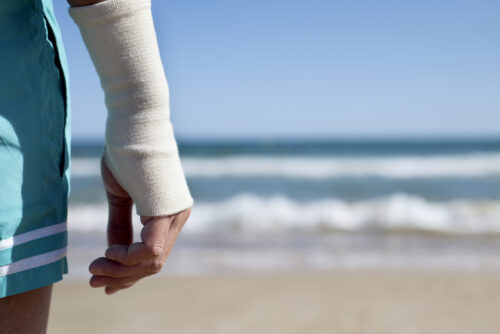
Injuries caused by falling store merchandise happen more often than most shoppers realize. Retailers stack products high to maximize space, but when items fall from shelves, serious injuries can occur. If a store fails to keep its premises safe, injured customers may have the right to seek compensation.
At Colvin Accident Lawyers, we help clients who suffer preventable injuries in retail stores, grocery stores, warehouse clubs, and big-box retailers. Below, we explain how these accidents happen, who may be responsible, and what steps you should take after an injury.
How Falling Merchandise Accidents Happen
Stores must maintain safe premises for customers. When they ignore safety rules, merchandise can fall and cause harm.
Common causes include:
Overloaded shelves
Improper stacking or unstable displays
Damaged shelving units
Failure to secure heavy items
Employee negligence during restocking
Poor store layout or unsafe storage practices
Retailers know customers walk directly under shelving units. When they stack heavy merchandise overhead, they must secure it properly. Failing to do so creates dangerous conditions.
Common Injuries Caused by Falling Store Merchandise
Falling products can cause significant harm, especially when heavy items fall from high shelves.
Common injuries include:
Traumatic brain injuries (TBIs)
Concussions
Neck and spinal cord injuries
Broken bones
Shoulder injuries
Facial fractures
Internal bleeding
Soft tissue damage
Even a small item can cause a concussion if it falls from several feet above. Larger items—such as boxed appliances, furniture, or bulk goods—can cause life-altering injuries.
If you experience dizziness, headaches, confusion, or neck pain after being struck, seek medical attention immediately.
Who Is Responsible for Falling Merchandise Injuries?
Retail stores owe customers a duty of care under premises liability law. They must inspect the property, fix hazards, and warn customers about dangers.
Liability may fall on:
The store owner
The store manager
Employees who improperly stocked merchandise
A third-party vendor responsible for displays
Property management companies
To prove a claim, you must show:
A dangerous condition existed.
The store knew or should have known about it.
The store failed to fix the hazard.
The hazard caused your injury.
For example, if employees stacked heavy boxes unevenly and failed to secure them, the store may be responsible for resulting injuries.
For more information about how premises liability works, visit the American Bar Association’s overview of premises liability law.
What to Do After Merchandise Falls on You
Taking the right steps protects both your health and your legal claim.
1. Seek Medical Attention
Do not ignore symptoms. Get evaluated right away.
2. Report the Incident
Notify store management immediately and request a written incident report.
3. Document the Scene
If possible:
Take photos of the fallen merchandise
Photograph shelving and surroundings
Get contact information from witnesses
4. Preserve Evidence
Keep medical records, receipts, and any communication with the store.
5. Contact a Premises Liability Attorney
Retailers and insurance companies often deny responsibility. An experienced attorney can protect your rights.
You can learn more about how we handle premises liability cases on our Premises Liability page.
How Stores Try to Avoid Responsibility
Insurance companies often argue:
The customer caused the merchandise to fall
The hazard was “open and obvious”
The injury was pre-existing
The store did not have enough time to fix the issue
These defenses aim to reduce or deny your claim. A skilled attorney can gather surveillance footage, maintenance logs, and employee records to build a strong case.
Compensation Available in Falling Merchandise Cases
If the store’s negligence caused your injury, you may recover compensation for:
Medical expenses
Future medical treatment
Lost wages
Reduced earning capacity
Pain and suffering
Emotional distress
Severe head or spinal injuries can require long-term care. Your claim should reflect the full extent of your damages.
To understand how personal injury damages are calculated, you may review this explanation from Nolo
Why Choose Colvin Accident Lawyers?
At Colvin Accident Lawyers, we investigate retail negligence thoroughly. Our team:
Reviews surveillance footage
Interviews witnesses
Examines store inspection records
Works with medical professionals
Negotiates aggressively with insurers
We focus on holding negligent businesses accountable while you focus on recovery.
If you or a loved one suffered injuries caused by falling store merchandise, contact our office today for a free consultation.
Frequently Asked Questions
How long do I have to file a claim for injuries caused by falling store merchandise?
The deadline depends on your state’s statute of limitations. In many states, you have two years from the date of injury. Speak with an attorney as soon as possible to protect your claim.
What if I was partially at fault?
You may still recover compensation under comparative negligence laws. Your recovery may decrease based on your percentage of fault.
What if the store says there is no video?
An attorney can send a preservation letter to prevent destruction of evidence. Stores often maintain surveillance footage for a limited time.
Do I need a lawyer for a falling merchandise injury?
While not required, having an attorney significantly improves your ability to recover full compensation. Insurance companies rarely offer fair settlements without legal pressure.
How much is my case worth?
Every case differs. The value depends on medical costs, lost income, injury severity, and long-term impact.