Multi-vehicle crashes can create confusion, stress, and serious legal challenges. Understanding liability in multi-vehicle accidents is essential if you want to protect your rights and recover compensation after a collision in California. When several drivers are involved, determining who caused the crash often becomes complicated.
At Colvin Accident Lawyers, we help clients navigate these complex cases with clarity and confidence. This guide explains how liability works, how fault gets assigned, and what you should do after a multi-car accident.
What Is a Multi-Vehicle Accident?
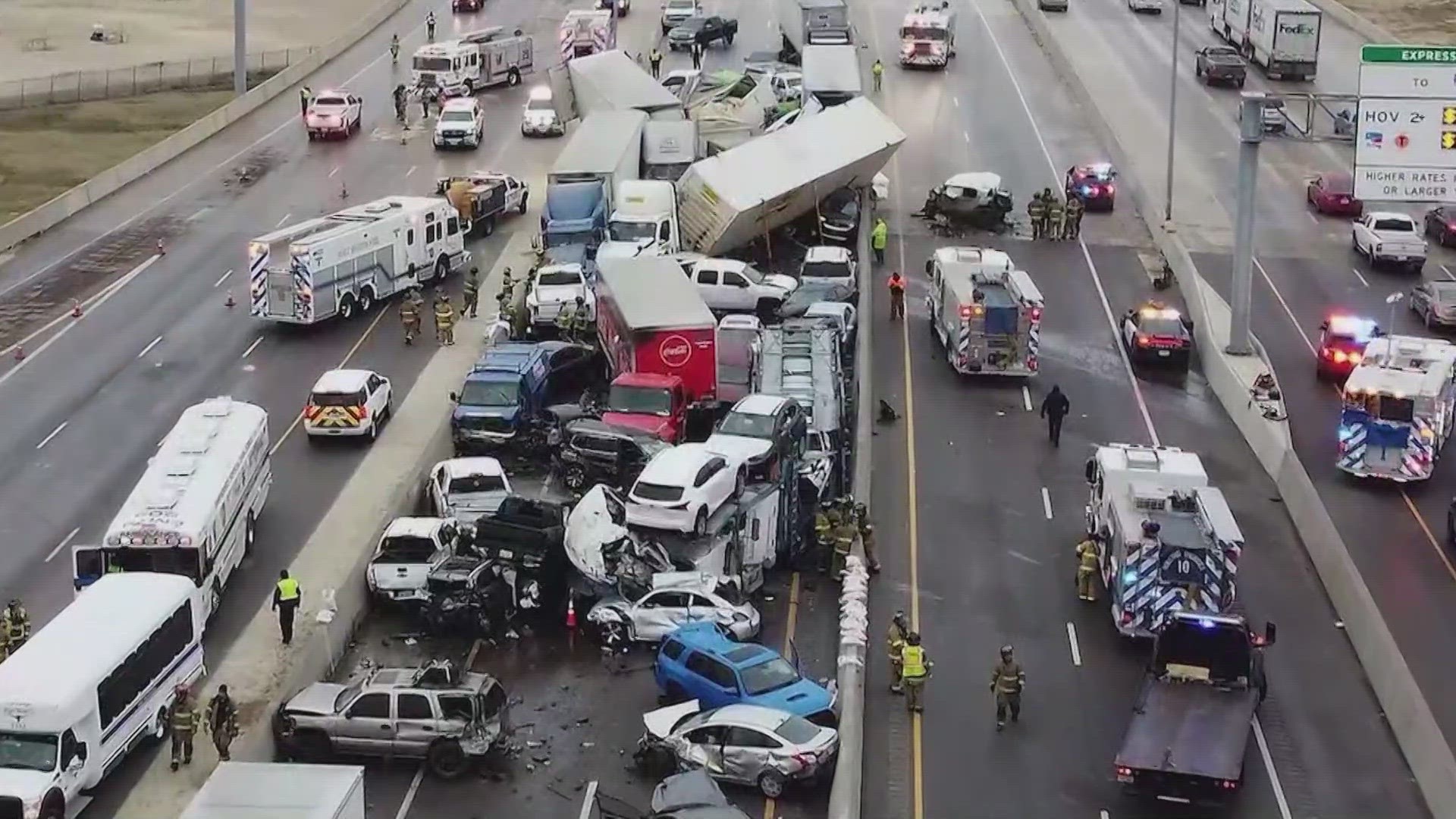
A multi-vehicle accident involves three or more vehicles. These crashes often occur on highways, during heavy traffic, or in poor weather conditions. Common examples include:
- Chain-reaction rear-end collisions
- Pileups on freeways
- Intersection crashes involving multiple drivers
Because several parties may contribute to the crash, liability rarely falls on just one driver.
Why Liability Is More Complex in Multi-Car Crashes
In a two-car accident, fault usually depends on one driver’s actions. In multi-vehicle accidents, multiple drivers may share responsibility. Insurance companies and attorneys must examine:
- Each driver’s behavior
- Road and weather conditions
- Vehicle positions and damage
- Witness statements and police reports
Even a small mistake by one driver can trigger a chain reaction involving several vehicles.
How California Determines Fault
California follows a pure comparative negligence system. This rule allows more than one driver to share fault. Each party receives a percentage of responsibility.
For example:
- Driver A: 60% at fault
- Driver B: 30% at fault
- Driver C: 10% at fault
Each driver pays damages based on their share of fault. Even if you are partially responsible, you can still recover compensation.
Common Causes of Multi-Vehicle Accidents
Understanding the cause helps determine liability. Some of the most common causes include:
1. Tailgating
Drivers who follow too closely often cannot stop in time. This behavior frequently triggers chain-reaction crashes.
2. Distracted Driving
Texting or using a phone reduces reaction time. One distracted driver can affect multiple vehicles.
3. Speeding
High speeds make it harder to avoid collisions. Speeding drivers often carry a larger share of fault.
4. Poor Weather Conditions
Rain, fog, and slippery roads increase stopping distance. Drivers must adjust their behavior to stay safe.
5. Sudden Stops
Abrupt braking can lead to rear-end collisions involving several vehicles.
Who Can Be Liable in a Multi-Vehicle Accident?
Liability may extend beyond just the drivers involved. Several parties could share responsibility:
Drivers
Most cases involve driver negligence such as speeding or distraction.
Vehicle Manufacturers
A defective brake system or faulty tires could contribute to the crash.
Government Entities
Poor road design or lack of proper signage may play a role.
Commercial Employers
If a commercial driver causes the accident, their employer may also be liable.
How Evidence Impacts Liability
Strong evidence helps determine fault accurately. After a multi-vehicle accident, investigators look at:
- Police reports
- Photos and videos of the scene
- Vehicle damage patterns
- Traffic camera footage
- Witness statements
- Expert accident reconstruction
The more evidence you collect, the stronger your claim becomes.
Steps to Take After a Multi-Vehicle Accident
Taking the right steps protects both your health and your legal case.
1. Check for Injuries
Call emergency services immediately if anyone is hurt.
2. Move to Safety
If possible, move your vehicle out of traffic to prevent further collisions.
3. Call the Police
An official report provides critical documentation for your claim.
4. Gather Evidence
Take photos, collect contact information, and document the scene.
5. Avoid Admitting Fault
Do not speculate about what caused the accident at the scene.
6. Contact an Attorney
A skilled attorney can help protect your rights and handle insurance companies.
How Insurance Companies Handle These Claims
Insurance companies often try to minimize payouts. In multi-vehicle accidents, they may:
- Shift blame between drivers
- Downplay injuries
- Dispute evidence
Without legal guidance, you may receive less compensation than you deserve.
Why You Need a Lawyer for Multi-Vehicle Accidents
Handling a multi-car accident claim alone can be overwhelming. An experienced attorney can:
- Investigate the accident thoroughly
- Determine all liable parties
- Negotiate with insurance companies
- Maximize your compensation
At Colvin Accident Lawyers, we focus on building strong cases that hold all responsible parties accountable.
Compensation You May Be Entitled To
If you suffer injuries in a multi-vehicle accident, you may recover compensation for:
- Medical expenses
- Lost wages
- Property damage
- Pain and suffering
- Future medical care
Your total recovery depends on the severity of your injuries and your percentage of fault.
Conclusion
Understanding liability in multi-vehicle accidents can make a significant difference in your ability to recover compensation. These cases involve multiple parties, complex evidence, and aggressive insurance tactics.
If you or a loved one has been involved in a multi-car accident in California, Colvin Accident Lawyers can help you navigate the legal process and fight for the compensation you deserve.
Frequently Asked Questions (FAQ)
1. Who is at fault in a multi-vehicle accident?
Fault depends on each driver’s actions. California assigns a percentage of responsibility to everyone involved.
2. Can I recover damages if I am partially at fault?
Yes. California’s comparative negligence law allows you to recover compensation even if you share fault.
3. How long do I have to file a claim in California?
You typically have two years from the date of the accident to file a personal injury claim.
4. What if multiple insurance companies are involved?
Each insurer investigates the claim and negotiates based on their driver’s share of fault.
5. Do I need a lawyer for a multi-vehicle accident?
Yes. These cases are complex, and a lawyer can help protect your rights and maximize your compensation.