Wrongful Death | Bakersfield, Kern County and Central California
Understanding the Coroner Report in a California Wrongful Death Case
A coroner or medical examiner report can shape how a family understands a loss. Colvin Accident Lawyers helps families make sense of these records and what they may mean for their questions.
By Donald Norman Colvin · Published October 28, 2026
Why the Records Matter After an Accidental Death in California
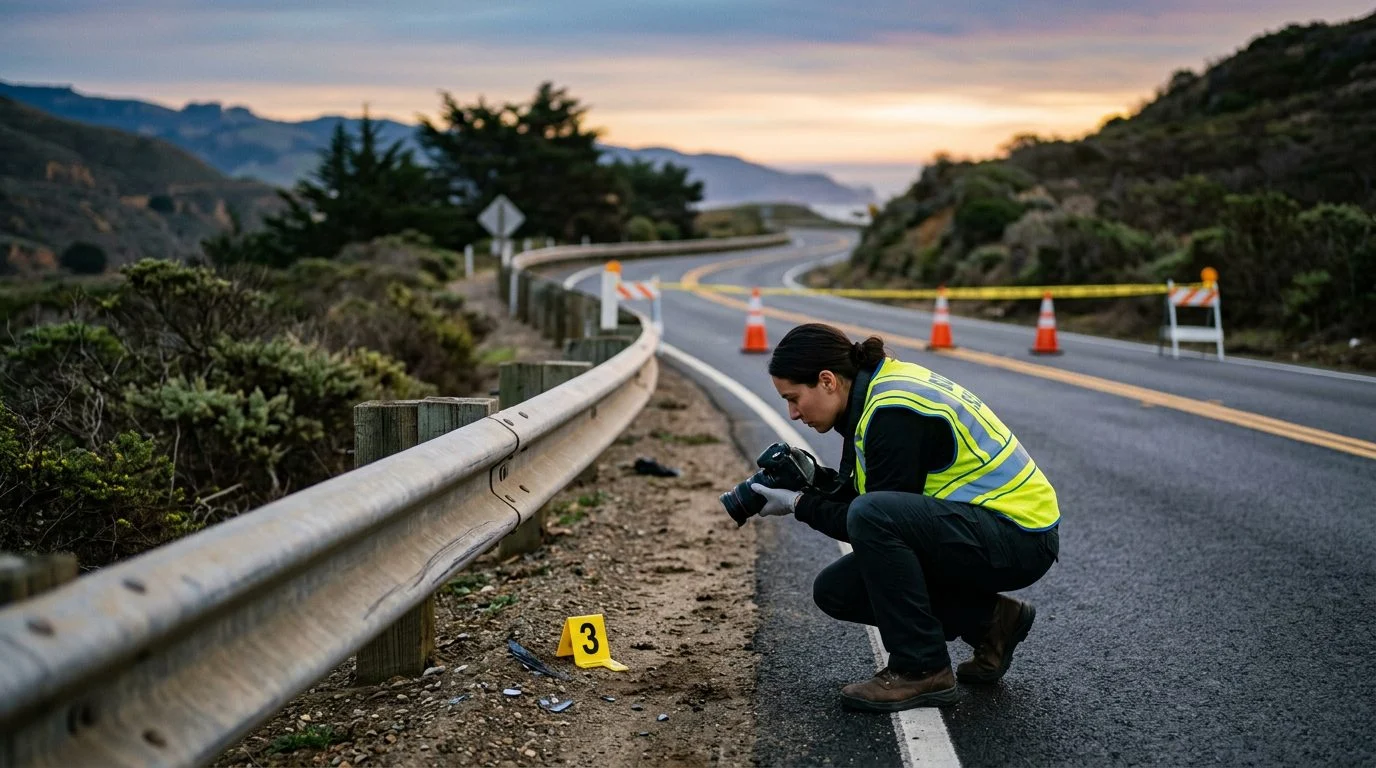
A coroner report, an autopsy, and a death certificate are often the first official papers that explain how and why someone died. In a coroner report wrongful death case in California, these records become part of the evidence. A death from a crash, a dog attack, or an unsafe condition on private property may be investigated by a coroner or medical examiner.
The death may involve a car, truck, motorcycle, bicycle, bus, or pedestrian collision. It may also involve a fall or an attack on property someone else controls. Each type of incident leaves its own trail of records.
Families may meet this paperwork while they are arranging a funeral and coping with grief. That timing makes the process feel heavy. You don’t need every record on day one. Knowing what each document does helps you decide what to request first.
These records are not the whole case. They sit alongside police reports, witness statements, and medical records. Each one answers a different question. Together, they give a fuller picture of what happened.
If your family is waiting on a coroner's report or an autopsy after a crash, bite, or unsafe-property death, we can review those records with you at no cost. Talk it through with our team — the first consultation is free, confidential, and carries no obligation.
Coroner and Medical Examiner Investigations: What They Do
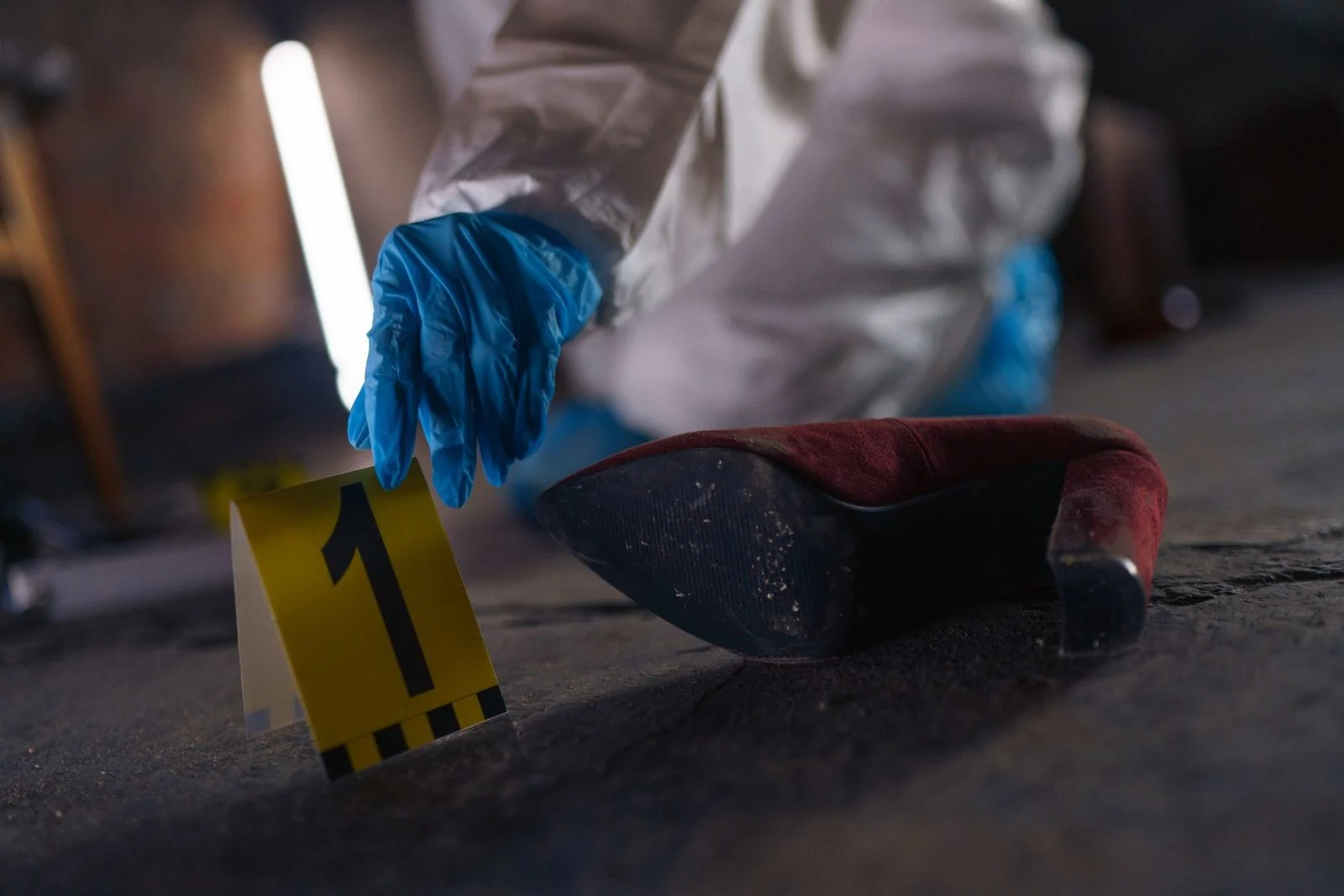
A coroner or medical examiner investigates deaths that are violent, accidental, unexplained, or suspicious. In general, the office gathers information about the scene, the person’s medical history, and reports from the agencies that responded. “Coroner” and “medical examiner” are names for the office that investigates a death. Which office handles the case may depend on the county where the death occurred.
A family member may be contacted during the investigation. Ask the office which records exist and when they will be ready. Write down the case number, the investigator’s name, and the date of each call. Keep copies of every letter and email you send or receive.
This small habit saves time later. When you request records, you can give the office exact details instead of starting from scratch. It also helps you track what has been received and what is still pending.
The Autopsy Report and What It Can Show
An autopsy is a medical examination done to find the cause and manner of death. The autopsy report may describe each injury, where it was on the body, and how serious it was. It can show whether those injuries fit the way the incident was described.
In a dog bite death, the report may describe the wounds and where they were located. In a premises case, it may describe the injury and how it happened. The details can matter because they may be compared with the facts of the incident.
Toxicology testing checks the body for drugs and alcohol. These results can matter when people disagree about what happened, such as whether a driver was impaired. Autopsy language is technical, and some terms may need explaining. Read the report alongside the scene evidence and the rest of the file, not by itself.
The Death Certificate: Cause and Manner of Death
A death certificate is a vital record filed with the local registrar. It lists the date, place, and cause of death. The cause of death is the medical condition or injury that led to the death. The manner of death is a separate entry, such as accident, homicide, natural, suicide, or undetermined.
The coroner, medical examiner, or physician who certifies the death completes these entries. Entries can be amended when new information comes in. A certificate is short, so its wording may not show every detail of the incident.
Compare the certificate with the autopsy report and the investigative findings. If the wording does not match the other records, ask the office that holds the record what changed and why. The certificate is one document among several, not the final word on how the death happened.
How Family Members Can Request These Records
Certified copies of a death certificate usually come from the county vital records office where the death occurred. Eligibility rules decide who may request one. Coroner and medical examiner reports and autopsy reports come from the county office that handled the case. That office may ask for identification, proof of your relationship to the person who died, and a written request.
Processing times and fees vary by county and by record type. Confirm current requirements with the office that holds the record. Los Angeles County shows how one county office handles these requests.
Families in Kern County, Fresno, Visalia, or elsewhere in California can contact Colvin Accident Lawyers to discuss their case, including questions about records.
Keep a list with the case number, date of death, and agency names. Use the same list for every request. This keeps each step organized while the family is also dealing with the loss.
How These Records Fit Into a Wrongful Death Claim
Under Code Civ. Proc. § 377.60, those people can include a surviving spouse, domestic partner, and children. A claim generally must be filed within two years of the death under Code Civ. Proc. § 335.1. If a public entity is responsible, a written claim is generally due within six months under Gov. Code § 911.2.
The coroner report, autopsy, and death certificate help show the cause of death and link it to the incident. California Courts self-help guide They are reviewed with police reports, witness statements, photographs, vehicle or property evidence, and medical and billing records.
How strong a claim is depends on the facts of each case, and the same record can carry different weight depending on what else is available.
Not sure what your next step is?
Talk it through with our team — the first consultation is free, confidential, and carries no obligation.
Records Like These Work Best Alongside the Full File
Each record answers a narrower question than the whole case does. The coroner report describes the investigation, the autopsy describes the body, and the certificate summarizes the outcome. Read together, they can show whether the medical findings fit the reported incident.
Is a coroner report the same as a death certificate?
No. A coroner report comes from an investigation, while a death certificate is a vital record that summarizes the cause and manner of death.
Can family members get a copy of a medical examiner report?
Family members may request one from the county office that handled the case. Requirements, including proof of relationship, vary by county.
Does a sympathy statement count as an admission of fault?
Under Evid. Code § 1160, sympathy statements relating to the pain, suffering, or death of a person involved in an accident, and made to that person or to the family of that person, generally cannot be used as an admission of liability in a civil action. A statement of fault is not protected by that rule.
Does a coroner report decide who is at fault?
No. It is one part of the evidence, and fault is weighed across the full case file.
Talk With Colvin Accident Lawyers About Your Family’s Records
If your family is waiting on a coroner’s report, an autopsy result, or a death certificate that doesn’t match what you saw, you don’t have to sort through it alone. Colvin Accident Lawyers offers a free first consultation — confidential, with no obligation to continue. Call the office or send a message through our contact form so we can review your family’s records with you.
How Colvin Accident Lawyers Can Help Your Family
Review of the Report
We help you go through the coroner or medical examiner report, including the cause and manner of death, and explain the terms in plain language.
Support for Families
Our team understands that a wrongful death case is painful. We keep you informed and answer your questions with care.
Focused Advocacy
We focus on wrongful death and other accident cases, including car, truck, motorcycle, pedestrian, bicycle, bus, premises liability and catastrophic injury matters.
Free First Consultation
Your initial consultation is free, confidential and comes with no obligation to continue.
Keep Every Record You Receive
Keep copies of the coroner or medical examiner report, death certificate, and any letters or paperwork from the county office. Bring them to your consultation so we can review your questions together.
What Families Often Ask About Coroner Reports
Cause and Manner of Death
The report describes the medical cause of death and how it was classified, such as natural, accident, homicide, suicide or undetermined. Families often want these terms explained.
Investigation Findings
Reports may include scene notes, toxicology results, autopsy findings and other details gathered during the investigation. We can help you understand what each section covers.
Requesting Copies
We can explain what to ask for and what information the office may need.
Questions for Your Consultation
Bring the report and your questions about the accident, the injuries or the death. We will discuss the facts you have and whether a wrongful death claim may be possible.