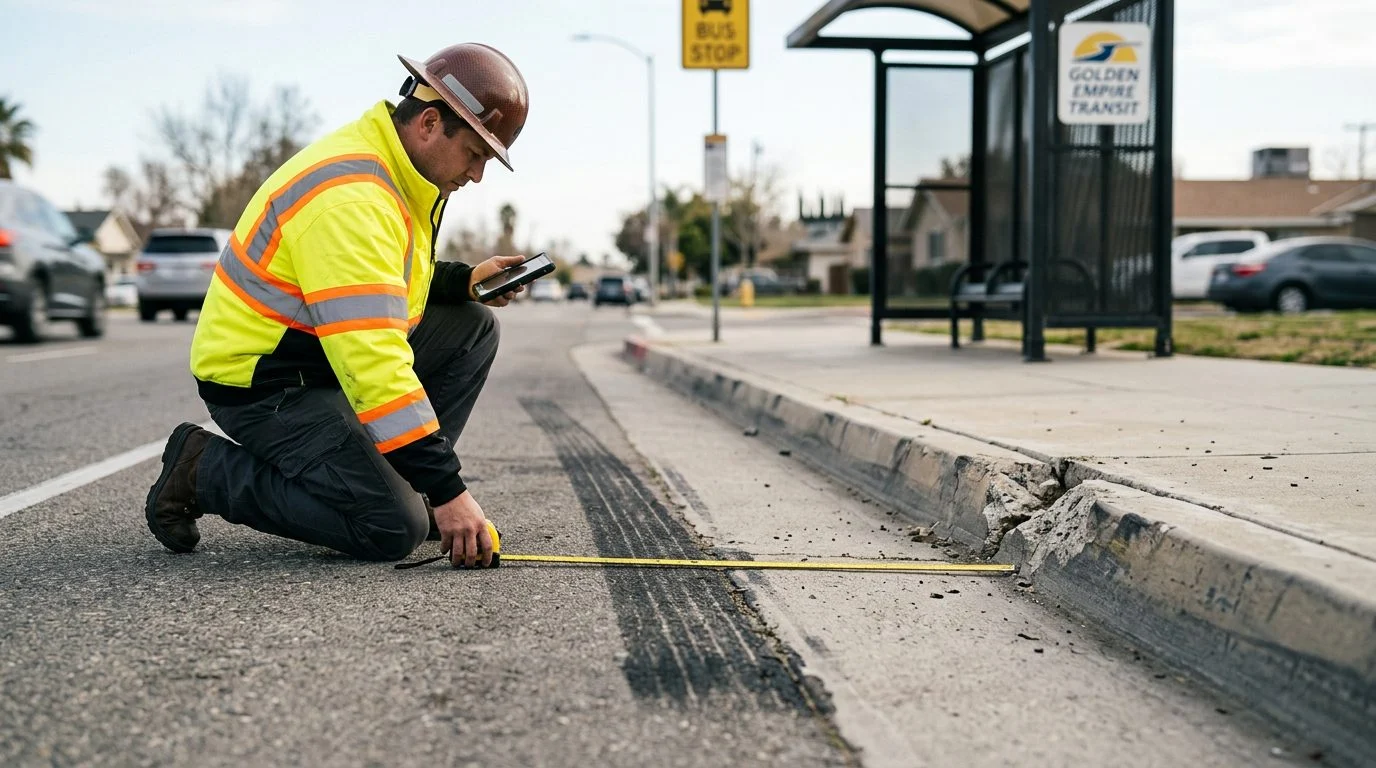
Bus Accident Lawyer | Bakersfield, Kern County
Hurt in a Bus Accident in Bakersfield? Talk to Colvin Accident Lawyers
Bus crashes can involve several parties, from the bus operator to a company or public agency. Get a free, confidential first consultation with no obligation to continue.
By Donald Norman Colvin · Published November 1, 2026
A bus accident lawyer helps people hurt in a bus crash, and families who lose someone, understand who may be responsible and which deadlines apply. In California, a bus crash can lead to claims against the driver, the bus company, or others. This page explains those claims for people in Bakersfield and Kern County, step by step.
Bus Accidents in Bakersfield and Kern County: What Injured People Need to Know
A bus crash can injure passengers, pedestrians, cyclists, and people in other vehicles, and it can kill them. Buses share busy streets in Bakersfield with cars and trucks. They also travel Highway 99, Highway 58, and Highway 178, along with rural Kern County roads where large vehicles mix with local traffic. Each setting brings its own risks. Bus accidents can involve different parties and types of records than other vehicle crashes. Our pages on truck accidents, pedestrian accidents, wrongful death, and catastrophic injuries cover related topics in more depth.
If a bus crash left you hurt or grieving, you may have a claim to discuss, and you don't have to sort out the deadlines alone. Talk it through with our team — the first consultation is free, confidential, and carries no obligation.
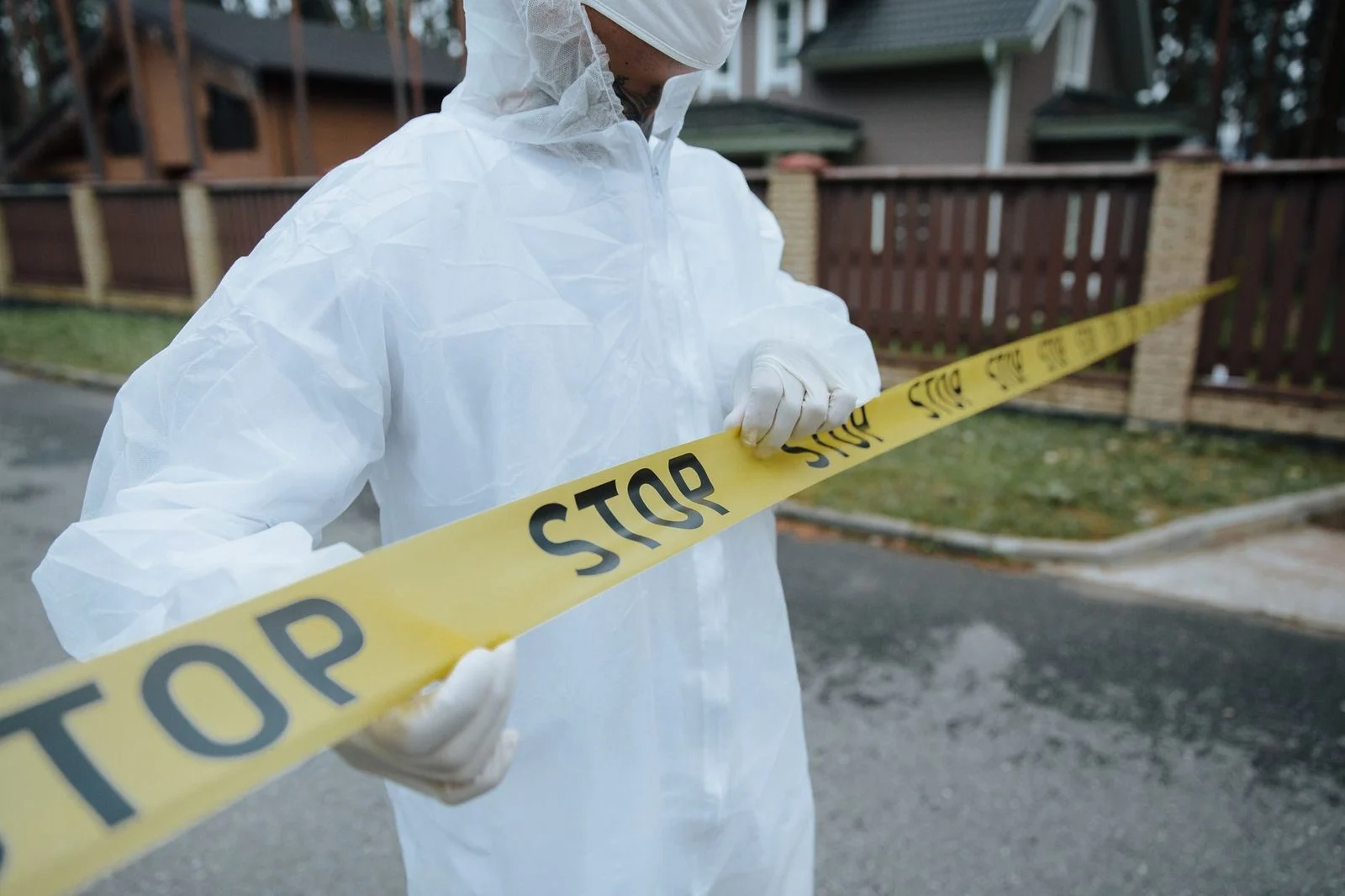
Who Can Be Held Responsible After a Bus Crash?
Several parties may be responsible, and the facts of the crash decide which ones. Start with the driver. Under Civil Code § 1714, a person who causes injury through a lack of ordinary care can be held responsible. In plain terms, careless driving that hurts someone can create liability.
The bus company or operator may also face claims. These can involve hiring, training, supervision, or dispatch decisions. A bus operator may also answer for its driver’s careless driving on the job. A bus accident lawyer looks at both the driver’s conduct and how the company ran its service.
Vehicle owners and leasing companies can be separate from the operator. An owner can be liable for injury resulting from a negligent or wrongful act or omission in the operation of the motor vehicle by someone driving with the owner’s permission, express or implied, as Vehicle Code § 17150 provides. Maintenance contractors whose work on brakes, steering, or tires failed may also be responsible. Other drivers who cut off or strike a bus can be responsible too.
Fault does not always stop recovery. An injured person’s own fault reduces damages in proportion to that fault. It does not automatically bar recovery. Sharing the full story early helps a lawyer test each party’s share.
Why Bus Operators Must Use Ordinary Care and Follow Bus Safety Rules
Bus operators must use ordinary care, and federal rules add specific duties for buses. Under 49 C.F.R. § 392.62, no person may drive a bus unless all standees are rearward of the standee line, all aisle seats conform to the requirements of § 393.91, and baggage and freight are stowed and secured in a manner that assures unrestricted freedom of movement for the driver, unobstructed access to all exits, and protection of occupants from falling or displaced articles.
California law also has a presumption that helps injured people. Under Evidence Code § 669, a failure to use due care is presumed when a person violates a statute, ordinance, or regulation of a public entity, the violation proximately caused death or injury to person or property, the injury resulted from an occurrence of the nature the rule was designed to prevent, and the injured person was one of the class the rule protects. The violation must cause injury of the kind the rule was meant to prevent. The presumption can be rebutted, meaning the other side can offer proof to overcome it.
These duties apply to the bus carrier’s conduct. The injured person still must show how that conduct caused the harm. The same general negligence principles apply to pedestrians and other drivers hurt by a bus.
What Types of Buses Are Involved in Injury Claims?
Buses come in several types, and the type involved can matter in a case. Public transit buses are run by government agencies. Claims against those agencies follow a government claim process with shorter timelines. Charter and tour buses carry groups on day trips and longer routes. Intercity and commuter buses serve the Central Valley and nearby cities.
School buses have their own duties, and they often carry children. Shuttle buses at hotels, airports, medical facilities, and employers also crash. Passenger-carrying commercial vehicles follow federal driving-hour limits, which we explain in the next sections. Knowing the bus type early helps identify the right defendants and deadlines.
Common Causes of Bus Collisions on Kern County Roads
Most bus crashes trace back to driver error, vehicle problems, or road conditions. Driver fatigue is one common concern. Under 49 C.F.R. § 395.5, a driver of a passenger-carrying commercial vehicle may not drive more than 10 hours after 8 consecutive hours off duty. A driver also may not drive after 15 hours on duty following 8 consecutive hours off duty. Weekly on-duty limits apply too. These rules have exceptions, so logs and schedules matter.
Blind spots and lane changes can cause collisions with cars in the next lane and with cyclists near the bus. Failure to yield when pulling from a stop or merging back into traffic is another cause. Brake, tire, and steering failures can point to maintenance problems. Pedestrians struck while boarding, exiting, or crossing near a stop face similar risks.
Weather, poor lighting, and rural road conditions can add danger on Kern County roads. When a public road condition is involved, a different test applies. Under Government Code § 835, a public entity is liable for a dangerous property condition only if the plaintiff proves several elements. These include that a negligent or wrongful act or omission of an employee of the public entity within the scope of his employment created the dangerous condition, or that the entity had actual or constructive notice of it a sufficient time before the injury to have taken measures to protect against it.
Injuries Common in Bus Crashes and Why Follow-Up Matters
Bus crashes can cause a wide range of injuries, from cuts and bruises to broken bones, head injuries, and spinal injuries. Some injuries show up days or weeks later. Prompt medical care and steady follow-up create a record of how the crash affected you. Gaps in treatment can make an injury harder to document.
Catastrophic injuries, such as paralysis, traumatic brain injury, and amputation, can require long-term care and rehabilitation. Our catastrophic injury lawyer page covers those cases in more depth. Injuries that don’t show clearly on early tests are often documented through treating providers’ records over time. Keep every discharge note, referral, and prescription.
Not sure what your next step is?
Talk it through with our team — the first consultation is free, confidential, and carries no obligation.
Who Can Bring a Bus Accident Claim?
Injured passengers, pedestrians, cyclists, and drivers can bring claims against the parties responsible for their injuries. Passengers may be thrown from seats or struck by falling objects. Pedestrians and cyclists can be injured when struck by a bus.
When a person dies, family members may have a claim. Under Code of Civil Procedure § 377.60, a wrongful death claim may be asserted by the decedent’s surviving spouse, domestic partner, children, and issue of deceased children, or, if there is no surviving issue of the decedent, by the persons entitled to the decedent’s property by intestate succession. A putative spouse, children of the putative spouse, stepchildren, parents, or the decedent’s legal guardians if the parents are deceased can also bring claims if they were dependent on the decedent. So can a minor who lived in the decedent’s household for the previous 180 days and depended on the decedent for one-half or more of the minor’s support. Families of injured children can contact Colvin Accident Lawyers to discuss how a claim for the child may be pursued. Each person’s rights turn on the facts and on their relationship to the bus and the parties involved.
Claims Against Public Transit Agencies Have Short Deadlines
A claim against a public transit agency generally must be presented within six months. Under Government Code § 911.2, a claim for death or injury to a person must be presented not later than six months after the cause of action accrues. Presenting a government claim is a separate step from filing a lawsuit.
Under Government Code § 945.4, except as provided in Sections 946.4 and 946.6, no suit for money or damages may be brought against a public entity until the written claim has been presented and acted upon, or deemed rejected. After a rejection, Government Code § 945.6 sets the time to sue. If you miss the six-month window, Government Code § 911.4 allows a written application for leave to present a late claim, made within a reasonable time not to exceed one year after the cause of action accrues. That application must state the reason for the delay. Claims against private bus companies follow different steps.
How Long You Have to File a Bus Accident Claim in California
A personal injury lawsuit generally must be filed within two years. Under Code of Civil Procedure § 335.1, an action for injury to an individual caused by another’s wrongful act or neglect falls within that two-year period. The same statute covers an action for a person’s death caused that way. Wrongful death suits therefore generally run two years from the death.
Shorter early deadlines apply to public agencies, as the prior section explains. Timing questions should come up in the first conversation with a lawyer. A missed date can close off options that were still open the week before.
Evidence to Preserve After a Bus Accident
The most useful evidence often disappears first, so act early. Take photos of your injuries, the bus, any vehicle damage, the road, and the scene, as soon as it’s safe. Write down names and contact details for witnesses and other passengers. Record the bus number, route, operator’s name, company name, and any transit agency markings.
Keep medical records, bills, prescriptions, and a journal of symptoms and missed work. Ask the company in writing to preserve dashcam and onboard camera footage, GPS data, maintenance records, and driver records. These items can be overwritten or discarded on a routine schedule. Save police and incident report numbers too. A lawyer can send formal preservation requests quickly.
Insurance, Medical Bills and What a Lawyer Can Do Early
Bus companies, public agencies, and other drivers carry insurance, and adjusters often call early. Think carefully before giving a recorded statement. You can talk with a lawyer about what to say and what to hold back.
Medical bills, lost wages, and future care needs are part of many bus accident claims. Early steps a lawyer may take include notice to responsible parties, requests for evidence, and coordination with your medical providers. Starting these steps early keeps evidence and deadlines from slipping.
If a bus crash left you hurt or grieving, you may have a claim to discuss, and you don't have to sort out the deadlines alone. Talk it through with our team — the first consultation is free, confidential, and carries no obligation.
Common Questions About Bus Accident Claims
Can you claim if a bus crashes?
Yes, injured people may have claims against the parties responsible for the crash. The facts of the crash decide who those parties are.
Can I sue a public transit agency after a bus crash?
Yes, but you generally must present a written claim first, within six months; if you miss that date, a written application for leave to present a late claim may be made within a reasonable time, not to exceed one year after the cause of action accrues. A suit generally follows only after that claim is acted on or deemed rejected.
How long do I have to file a bus accident claim?
A personal injury lawsuit generally must be filed within two years (Code Civ. Proc. § 335.1). Claims against public agencies have shorter early deadlines.
What should I share with my lawyer?
Share the full timeline, any prior injuries, every medical provider you’ve seen, and every communication about the crash. A bus accident lawyer uses those details to evaluate the claim.
Can a family file after a fatal bus crash?
Under Cal. Code Civ. Proc. § 377.60, a wrongful death cause of action may be asserted by the decedent’s surviving spouse, domestic partner, children, and issue of deceased children, or, if there is no surviving issue, by the persons who would be entitled to the decedent’s property by intestate succession. It may also be asserted by a putative spouse, children of the putative spouse, stepchildren, parents, or the decedent’s legal guardians if the parents are deceased, if they were dependent on the decedent. A minor who, at the time of death, had lived in the decedent’s household for the previous 180 days and depended on the decedent for one-half or more of the minor’s support may also bring the claim. The decedent’s personal representative may assert the claim on their behalf. Colvin Accident Lawyers can explain how these categories apply to your situation during a free, confidential first consultation, with no obligation to continue. A lawyer can explain who qualifies in your situation.
Serving Bakersfield and Kern County
Colvin Accident Lawyers is based in Bakersfield, California. The firm represents bus accident victims and families from Kern County and nearby communities, including Tehachapi. The firm also works with people from Fresno, Visalia, Lancaster, Palmdale, and Delano. Claims follow where the crash happened and where the bus operates, so location shapes the timeline and the parties involved.

Talk With Colvin Accident Lawyers About Your Bus Accident
If a bus crash left you hurt or grieving, you may have a claim to discuss, and you don’t have to sort out the deadlines alone. Call Colvin Accident Lawyers or use our contact form to set up your free first consultation. The first consultation is free, confidential, and carries no obligation to continue.
Responsible lawyer: Donald Norman Colvin. Colvin Accident Lawyers, Bakersfield, California — responsible for this site.
Who May Be Responsible After a Bus Accident
The Bus Operator
Depending on the facts, a driver's negligence, such as distraction, fatigue, or unsafe driving, may be part of a claim.
A Public Transit Agency
Claims against government-run transit systems can involve special notice procedures, so it is important to ask early.
Other Drivers and Parties
A crash may also involve other motorists, vehicle manufacturers, or maintenance contractors whose conduct contributed to the harm.
How We Help Bus Accident Victims and Families
Free First Consultation
Speak with our team at no cost and with no obligation to continue.
Confidential Conversations
What you share with us about your accident is kept confidential.
Reviewing the Facts
We look at the crash, the injuries, and the records that show who may be responsible.
Support for Families
We represent injured passengers, pedestrians, and families who have lost a loved one.
Serving Bakersfield and Kern County
We focus on accident cases for people across Kern County and nearby communities.
Be Careful Speaking With Insurers
A bus company's insurer may contact you soon after a crash. Before giving a recorded statement or signing any document, consider talking with a lawyer about what you are being asked to do.