Colvin Accident Lawyers | Bakersfield, California
Is Underinsured Motorist Coverage Required in California?
Learn how UIM coverage works, how it differs from UM, and what to check on your own policy after a crash.
By Donald Norman Colvin · Published October 16, 2026
Does California Require Underinsured Motorist Coverage?
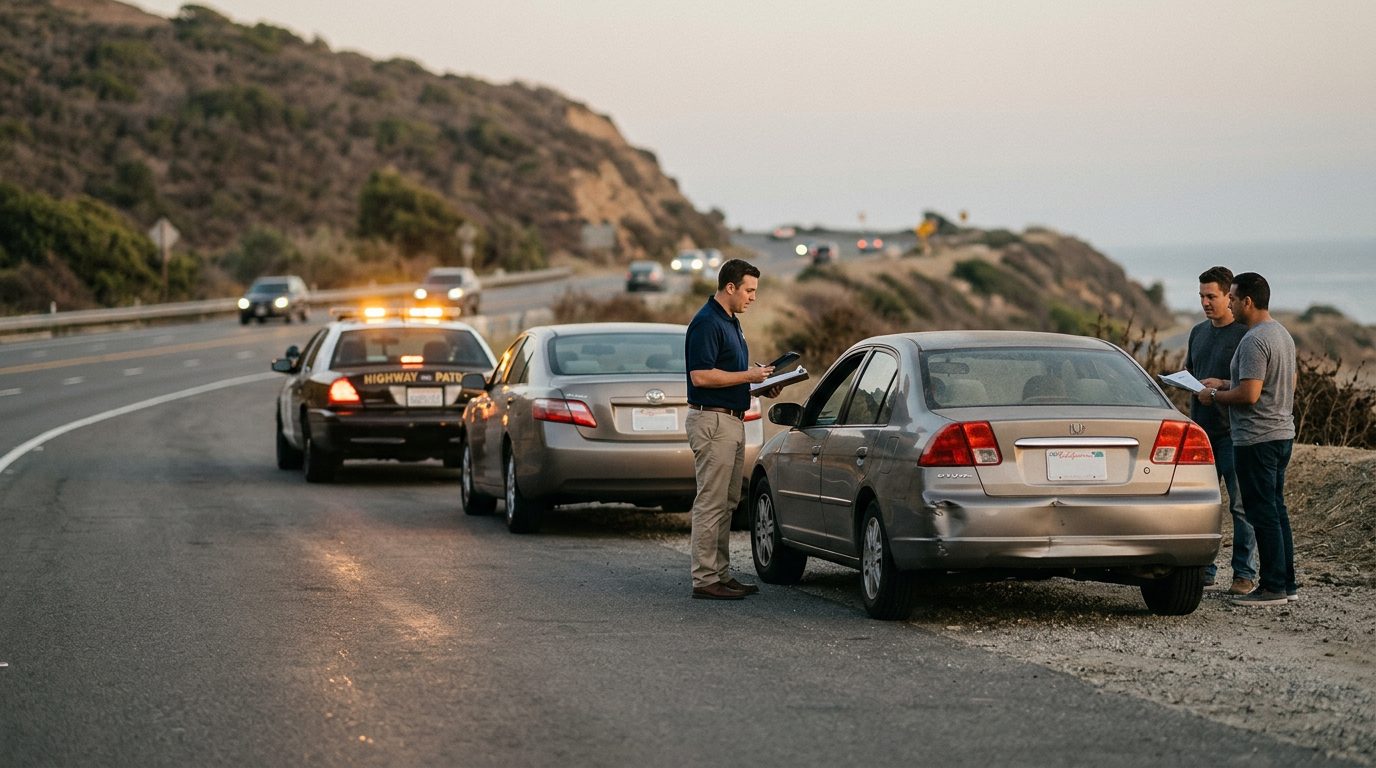
Short answer: Under California law, auto liability policies must include underinsured motorist (UIM) coverage unless the policyholder rejects it in writing (Ins. Code § 11580.2). Underinsured motorist (UIM) coverage helps when the driver who hurt you has insurance, but not enough to pay your losses. This page explains how UIM works in California, what your policy may show, and what to do after a crash. It’s easy to miss this coverage on a policy, so it helps to know what to look for before you need it.
If a crash left you hurt and unsure whether the other driver's limits or your own policy will cover your losses, you do not have to face that alone. Colvin Accident Lawyers can talk it through with you. Talk it through with our team — the first consultation is free, confidential, and carries no obligation.
Does California require underinsured motorist coverage?
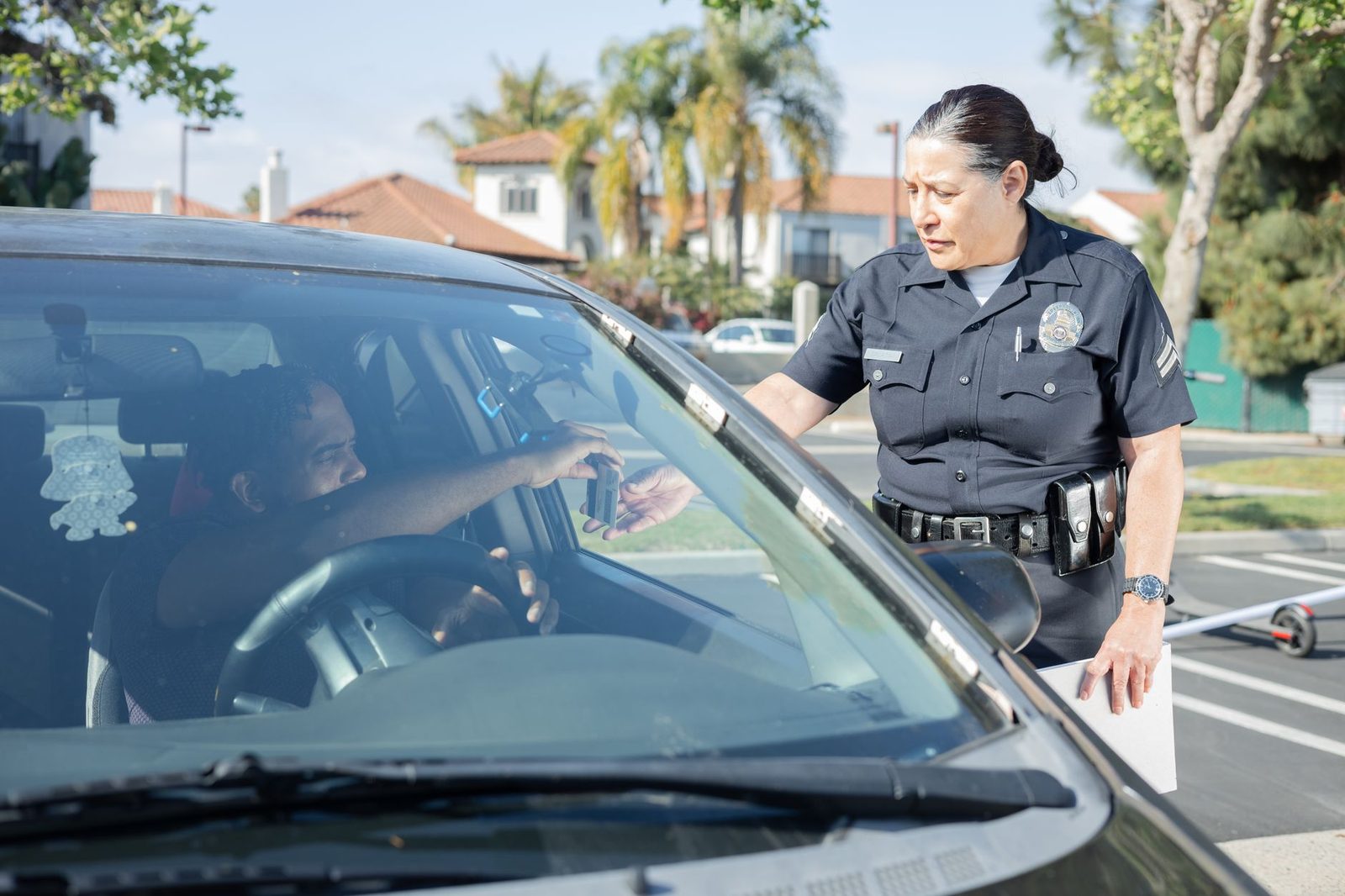
The answer for you starts with what your own policy includes, so that’s the first place to look. Auto policies often bundle several coverages into one contract. Liability coverage pays people you injure. Uninsured and underinsured motorist coverage pays you, the injured person, when the other driver has no insurance or too little. Your declarations page, the summary at the front of the policy, lists the coverages you have and their limits. Look for a line that names underinsured motorist or UIM coverage with a dollar limit beside it. If you see no such line, ask your insurer in writing whether you have it, and save the answer. Because the coverage sits in your own policy, a claim for it starts with your insurer, not the other driver’s insurer.
What is UIM coverage, and how is it different from uninsured coverage?
Under California Insurance Code § 11580.2(p), a vehicle counts as underinsured only when its liability limits are lower than the injured person’s own underinsured motorist (UIM) limits. Uninsured motorist coverage applies when the at-fault driver has no insurance at all. Both are claims under your own policy, and that is the main thing to remember. The two are often written into the same policy, so a policy may include both, only one, or neither. A simple example helps. A driver with some insurance hits you, and their limit covers only part of your medical bills. That fits UIM. A driver with no insurance at all fits uninsured coverage. The two coverages can also carry different limits on the same policy, so compare them line by line rather than assuming they match.
What liability limits do drivers carry, and why do they matter?
Liability limits are the most an at-fault driver’s insurer will pay for injuries they cause to others, under the policy’s terms. Many policies set a per-person limit and a per-accident limit. A limit can be much smaller than the cost of a serious crash injury. Some injuries carry very large costs. According to the NINDS spinal cord injury overview, an injury between the C1 and C4 spinal segments can stop breathing. The nerves in that region drive the diaphragm and lungs. Medical bills, long-term care, and lost work can add up quickly after an injury like this. That gap between a driver’s limit and the real cost of injuries is where UIM questions begin. A driver can also choose higher liability limits than a low policy carries, and higher limits change how much the at-fault driver’s own insurer can pay. If you can, note the other driver’s insurance company and policy number at the scene. Then ask for the limits in writing.
How do insurers offer UM and UIM coverage, and how is it declined?
Your policy paperwork shows whether UIM coverage was included, set at a certain amount, or left out. On many policies, the UIM limit is a separate number from the liability limit. Read the declarations page first, since it lists each limit side by side. Then read the policy language on UIM, because the policy terms decide what the coverage does. If the paperwork is unclear, send your insurer a written question. Ask whether you have UIM coverage, what the limit is, and whether you ever declined it. Keep a copy of the reply. Verbal answers are hard to prove later, while a written reply gives you a record to keep with the rest of your crash file. Avoid guessing based on your premium amount. Policies differ, and the wording on your own paperwork controls. A missing or unclear UIM line is a reason to ask your insurer, not a reason to assume you have no coverage.
How does UIM work when the at-fault driver’s limits are too low?
Under Insurance Code § 11580.2(p)(3) and (p)(4), UIM coverage becomes available only after the at-fault driver’s liability limits are exhausted, and the UIM benefit is reduced by the amount that driver’s insurer pays. Whether any UIM benefit is available depends on the policy’s terms and the facts of each case. Here is a simplified illustration. A passenger is hurt by a driver whose liability limit is lower than the passenger’s documented medical bills and lost pay. The passenger would look to their own UIM coverage for part of that gap, if the policy applies. This is an illustration, not a prediction. How any claim turns out depends on the facts of the crash, the injuries, and how well the losses are documented.
Fault matters too. Being partly at fault can affect an injury claim, and how fault is weighed depends on the facts of each case. Damages are reduced by the injured person’s share of fault. For non-economic losses such as pain and suffering, each defendant generally pays only its own share of fault, under Civil Code § 1431.2. That matters when more than one driver or property owner may share responsibility.
Not sure what your next step is?
Talk it through with our team — the first consultation is free, confidential, and carries no obligation.
Does uninsured motorist coverage apply to hit-and-run crashes in California?
Uninsured motorist coverage is the part of your policy to ask about when the other driver leaves the scene. Ask your own insurer in writing whether your uninsured motorist coverage applies to the crash. Proof matters in these claims. Report the crash to police and tell your own insurer promptly, because timing can affect a claim. At the scene, write down the time, the location, the direction of travel, and any witnesses. Take photos of your vehicle, the area, and your injuries. Keep your medical records together in one folder, including emergency visit notes and follow-up visits. A driver who is never found can make a claim harder to prove, so keep notes of every call, letter, and email. What a hit-and-run claim needs varies by policy and by the facts of the crash. Ask your insurer about its requirements in writing, and keep those answers with your crash file.
Do medical payments coverage or health insurance affect a UIM claim?
They can interact, but the wording of your policy and your health plan controls how. Many auto policies include medical payments (MedPay) coverage, which can help with medical bills after a crash. Health insurance can also be part of the picture. Some health plans may ask to be repaid from money you recover from a driver or insurer, and the terms vary by plan. Do not assume a benefit is unavailable. Ask your MedPay insurer and your health plan about each benefit in writing, and keep the answers. Keep a record of every payment and bill, including which provider was paid and by whom. Coordinating these benefits can take time, so start your list of questions early.
What steps should you take if the at-fault driver seems underinsured?
Start by documenting the crash, notifying your own insurer, and asking about UM and UIM benefits in writing. Work through these steps:
- Get the police report number and the officer’s name.
- Photograph the scene, both vehicles, and your injuries.
- Record the other driver’s insurance company, policy number, and contact details.
- Keep every medical record, bill, and receipt.
- Tell your own insurer about the crash, and ask in writing about UM and UIM benefits and any deadlines.
Be careful with recorded statements and settlement papers. Read any release before you sign it, because a signed release can affect later claims. Timing rules are strict. California generally gives two years to file a personal injury lawsuit, under Code of Civil Procedure § 335.1. If a city, county, state agency, or transit operator is responsible, a written government claim generally must be presented within six months, under Government Code § 911.2.
Frequently asked questions
Does California require underinsured motorist coverage?
Whether you have it depends on your own policy. Check the declarations page for a UIM line and its limit.
What is the difference between UIM and UM?
UM applies when the at-fault driver has no insurance. UIM applies when their insurance is too low to cover your losses.
Filing an insurance claim with an insurer is a separate step from filing a lawsuit.
How long do I have to file?
For most personal injury suits, California generally allows two years.
Talk with Colvin Accident Lawyers about your crash and your coverage
If you are reading your policy after a crash, you may be hurt, worried, or helping an injured family member. Matching a declarations page, medical bills, and an insurer’s letters is hard while you are recovering. You may be unsure whether the other driver’s limits will cover your losses, or whether your own UIM terms apply. Colvin Accident Lawyers is a personal injury practice in Bakersfield, California. Donald Norman Colvin is the lawyer, and the team handles car, truck, motorcycle, bicycle, pedestrian, and other crash cases. The first consultation is free, confidential, and carries no obligation to continue. Contact Colvin Accident Lawyers to set up your free initial consultation and talk through your crash and your coverage questions.
What to check on your policy
Find the declarations page
Look for a UIM or UM line and its limit. Your insurer can confirm in writing what your policy includes.
Know the difference
UM applies when the at-fault driver has no insurance.
Check for written waivers
A signed written rejection of UM/UIM coverage changes what your policy provides, so review any forms you signed.
Do not assume you have UIM coverage
Many drivers never look at the UM/UIM section of their policy. Check your declarations page or ask your insurer directly before you accept any settlement offer.
Common questions about UIM coverage
Does California require UIM coverage?
California insurers must offer UM/UIM coverage, but a driver may decline it in writing. Whether you carry it depends on your own policy.
UM versus UIM
Uninsured motorist (UM) coverage applies when the at-fault driver has no insurance.
Why it matters after a crash
Medical bills and lost income can exceed an at-fault driver's policy limits, which is why knowing your own coverage matters.
Talk with our team
Our team can review your declarations page and explain your options during a free, confidential first consultation with no obligation to continue.