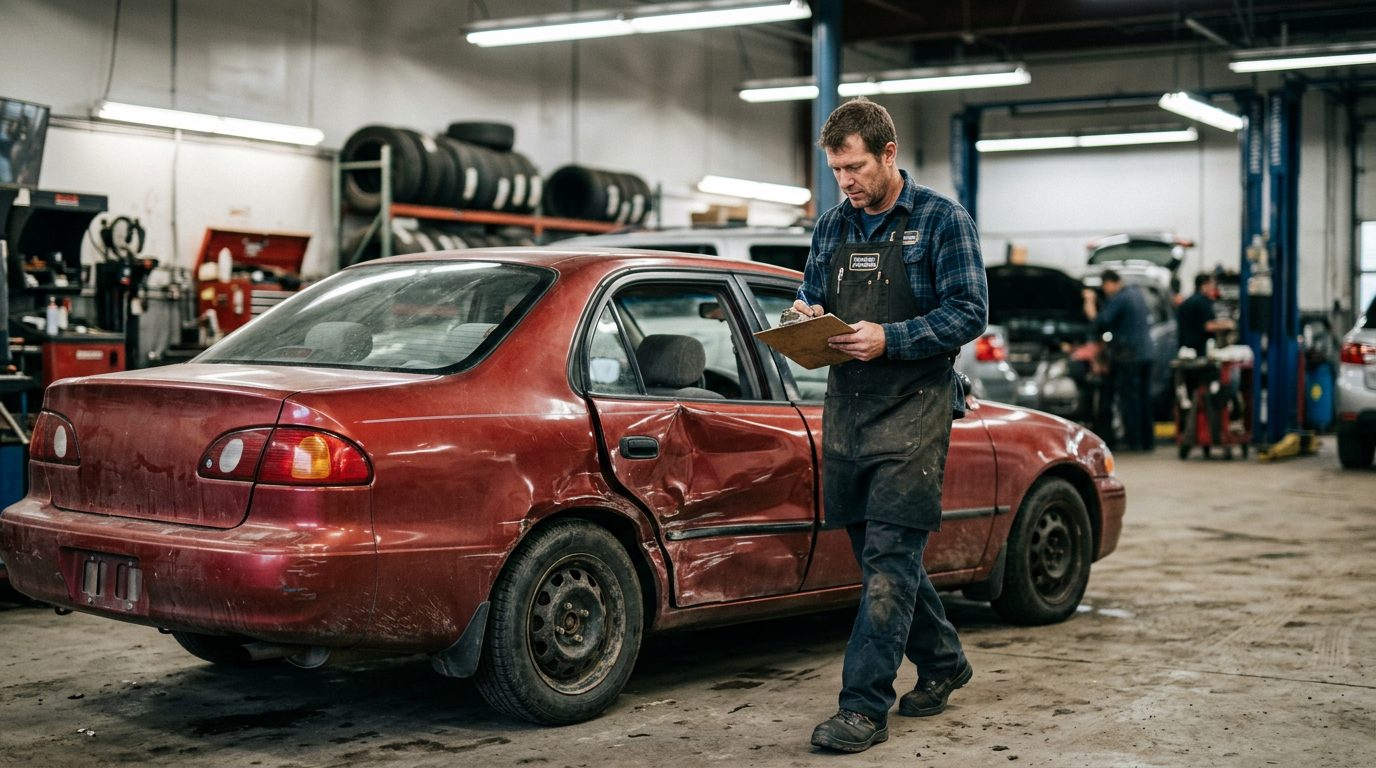
Car Accident Claims · Bakersfield, Kern County
Your Car Was Totaled in a California Crash? Let's Talk About Your Property Damage Claim.
Colvin Accident Lawyers helps accident victims in Kern County and nearby communities work through the property damage side of a total loss claim. Start with a free, confidential first consultation, with no obligation to continue.
Your first step with Colvin
Free
First consultation
Confidential
Your conversation stays private
No obligation
Decide whether to continue
By Donald Norman Colvin · Published October 16, 2026
When a crash leaves your car beyond repair, the insurer usually pays the car’s value instead of fixing it. That is the core of a total loss car accident property damage claim in California. This guide explains how the car’s value is set, which costs beyond that value may be claimed, and which deadlines can apply. It also covers the choices you face when an offer arrives. The rules below are general. They show how California law works, so you can ask better questions about your own car.
What Is a Total Loss After a California Car Accident?
A total loss means repairing the car would cost more than the car was worth before the crash. The insurer then pays the car’s value instead of paying for repairs.
Insurers compare the repair cost, plus what the damaged car would still be worth as salvage, against the car’s value before the crash. When the repair side is higher, the car is declared a total loss. There is no single percentage cutoff across California. Each insurer uses its own formula, so the line can differ from one company to the next.
A total loss declaration is the insurer’s decision, not a final ruling. You can ask how the insurer reached it, request the math, and send your own records. Once a car is totaled, it is usually sent to a salvage yard, and its title reflects that history. Ask the insurer how those steps affect your payment and paperwork.
Under Civil Code § 3281, a person who suffers harm from another’s unlawful act may recover money for it. A totaled car is one kind of that harm.
If your car was totaled and an offer is already on the table, you don't have to work through the numbers alone. Talk with us about your options. Talk it through with our team — the first consultation is free, confidential, and carries no obligation.
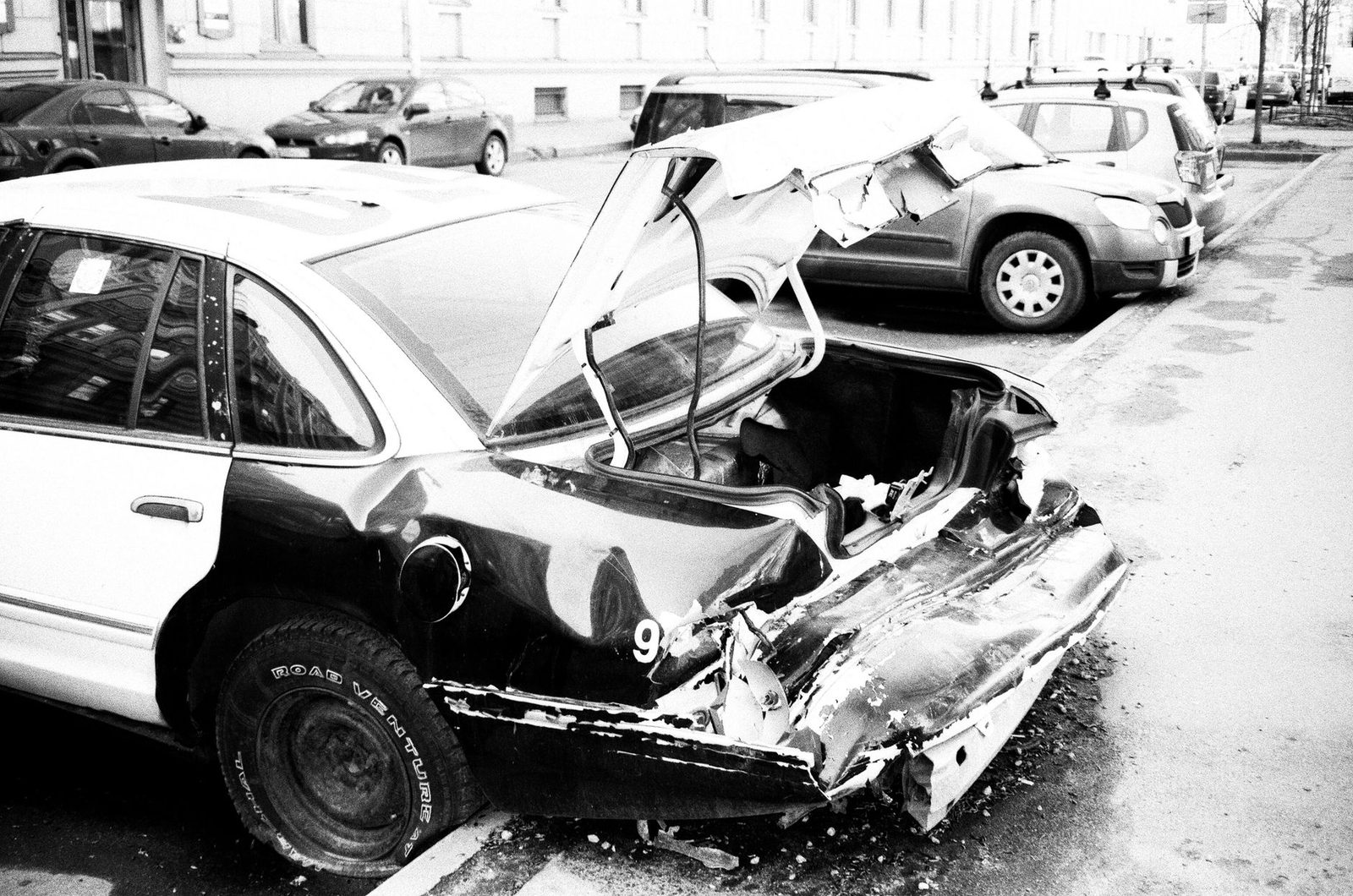
How Is the Car’s Value Set?
Insurers typically value a total loss at the car’s actual cash value, meaning what it was worth just before the crash. Accurate inputs matter more than most owners expect.
The valuation usually looks at the make, model, year, trim level, mileage, and condition before the crash. It also looks at options and at recent sales of similar cars nearby. Each of these inputs can move the number up or down.
California’s general damages rule aims to pay for the full loss caused by the wrong. It says damages should compensate for “all the detriment proximately caused.” (Civil Code § 3333). The same code defines detriment as “a loss or harm suffered in person or property.” (Civil Code § 3282) (Judicial Council CACI)
Your records can change the valuation. Keep maintenance receipts, invoices for upgrades, new tire receipts, and records of any earlier damage repairs. Review the valuation report line by line. Check the trim level, the mileage, and each comparable car. One easy error to miss is a comparable that is not really similar to your car.
Third-Party Claim or Your Own Collision Coverage?
Your policy terms and the facts of the crash decide which path fits. The two paths differ in who pays, how the value gets set, and what happens to your deductible.
A third-party property damage claim goes to the at-fault driver’s liability insurer. That insurer values the car and makes the offer. Timing and documents move through that company’s process, so keep your own copies of everything.
Your own collision coverage pays for the total loss under your policy, minus your deductible. Some owners use this coverage first and then pursue any remaining amount from the other driver’s insurer. Each path can change your deductible and how any reimbursement works.
Before you sign anything, ask your own insurer how it handles a total loss. Ask the other insurer the same questions. Get each answer in writing when you can.
What Costs Can Be Claimed Beyond the Car’s Value?
Owners often claim towing, storage, a rental car, and other money lost because of the crash. These items sit on top of the car’s value.
California’s damages statute defines “economic damages” as “objectively verifiable monetary losses.” That list includes costs of repair or replacement and loss of use of property. (Civil Code § 1431.2). Loss of use covers being without your car, which is why rental costs come up.
Keep the rental agreement and every receipt. Insurers often ask whether the rental period and daily rate were reasonable. Storage fees can grow while the claim stays open, so track each charge from day one.
Personal property is a separate item. Car seats, tools, electronics, and child items are often inside a totaled car. List each item, take photos, and note what you paid for it.
Keep a written log too. Record the date, time, name, and summary of every call with the insurer, the tow yard, and the rental company.
How Should You Review an Insurer’s Total Loss Offer?
Review the valuation before you accept the offer. Signing a release can end further property damage recovery.
The usual sequence runs from a total loss notice, to a valuation report, to an offer, and then to your response. You can answer the offer with questions and documents at each step.
Ask which comparable cars the report used. Ask whether it added or removed value for condition, options, and mileage. Ask for copies of the listings it relied on. If a fact is wrong, send your records and ask for a corrected report.
Read every term before you sign. Ask whether signing ends the claim for the car, the rental, the storage fees, and your personal property. Do not sign a release you have not read.
What Happens With a Car Loan, a Lender’s Lien, or a Gap Balance?
If you still owe on the car, the lender’s payoff and the insurer’s offer may not match. The lender’s claim usually has to be settled before the title moves.
A gap balance happens when the loan is larger than the car’s value. The leftover debt may not be covered by the claim. Check your policy for protection against that gap, and ask the insurer directly.
Diminished value is a separate idea. It refers to a drop in value even after repairs. Insurers often treat it differently for a total loss, so ask about it directly instead of assuming it applies.
Keep your loan statements, purchase agreement, and lender letters together. Those papers answer most questions about the payoff.
Not sure what your next step is?
Talk it through with our team — the first consultation is free, confidential, and carries no obligation.
Who Is at Fault, and What Deadlines Apply in California?
This is an example of the math, not a forecast for your claim.
In California, a personal-injury lawsuit generally must be filed within two years (Code of Civil Procedure § 335.1). In California, the deadline to file a lawsuit for bodily injuries is generally two years under Code of Civil Procedure § 335.1, while a claim for damage to your car or other property generally must be filed within three years under CCP § 338(c)(1). Other deadlines may apply to some claims, so do not let the calendar slip.
Early action helps. Storage fees keep building, scene evidence changes, and records become harder to find over time.
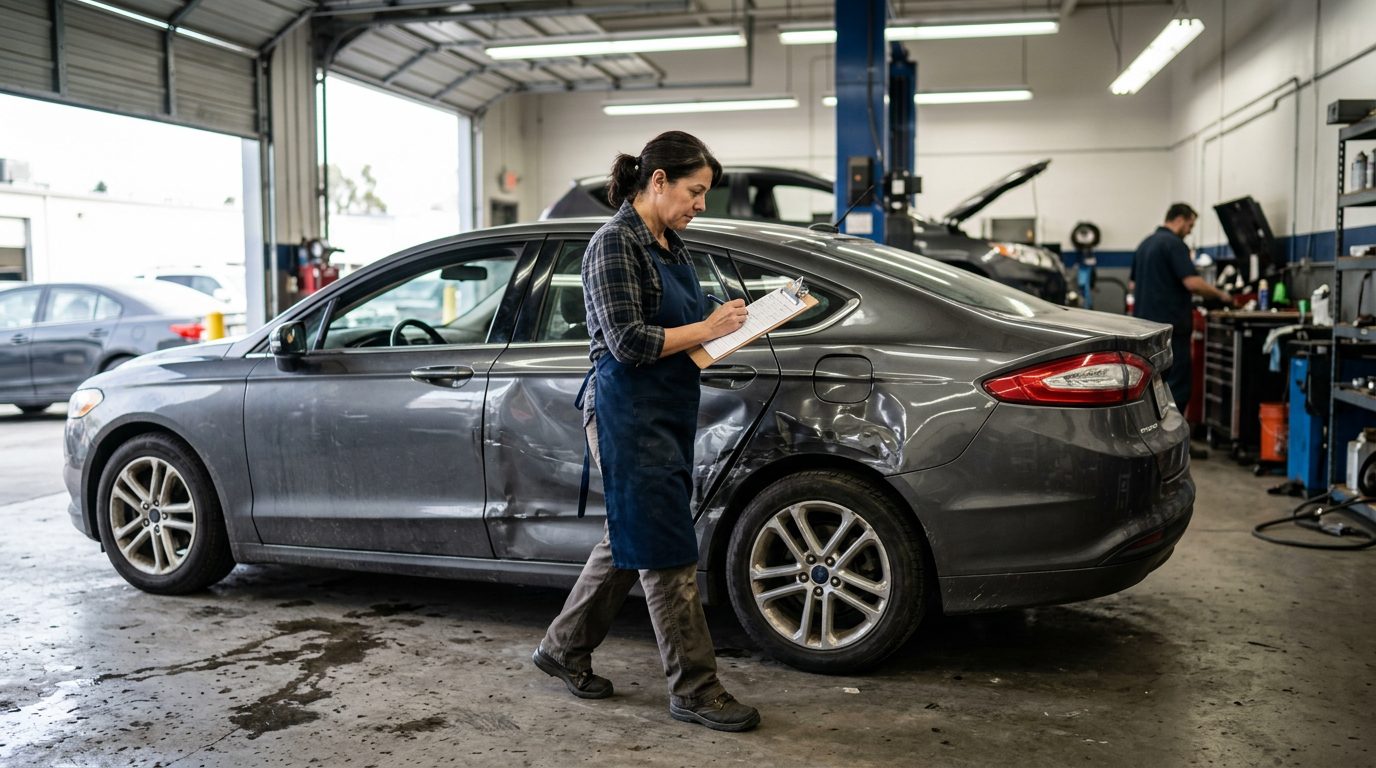
Talking Through Your Total Loss Decision With Colvin Accident Lawyers
If your car was totaled and an offer is in front of you, a free first consultation can help you sort through your options. Colvin Accident Lawyers is based in Bakersfield, California.
Picture the situation. The car sits at a yard, the rental bill keeps running, and the valuation shows a number you doubt. The lender wants a payoff letter. You must decide whether to accept, push back, or take another path.
The first consultation is free, confidential, and carries no obligation to continue. Results depend on the facts of each case, and no outcome can be promised.
Common Questions
How long do I have to file a property damage claim for a car in California?
Code of Civil Procedure § 338 addresses “an action for taking, detaining, or injuring goods or chattels” among the actions it covers, and the time limits for those actions are set out in that section (Cal. Code Civ. Proc. § 338).
Do rental car and towing costs count toward a total loss claim?
They can be claimed as losses from the crash, so save every receipt and log every call.
If your car was totaled and the offer has you stuck, you don’t have to decode it alone. Contact Colvin Accident Lawyers to talk through your valuation, your claim path, and your deadlines.
Donald Norman Colvin, Colvin Accident Lawyers, Bakersfield, California — responsible for this site.
How our team can help with your total loss claim
Reviewing the claim paperwork
We can look at the insurer's letters, valuation reports and settlement offers with you so you understand what each document says.
Explaining each part of the claim
Our team can walk you through vehicle value, rental and loss-of-use costs, towing and storage, and personal property that was inside the car.
Communicating with the insurance company
Colvin Accident Lawyers can handle conversations with adjusters so you have fewer calls to return while you recover.
Respectful, plain-language guidance
We know a totaled car can disrupt your work, family and budget. We aim to make each step clear and manageable.
Before you sign anything
Insurance adjusters may ask you to accept a settlement or sign a release quickly.
Common questions in a total loss property damage claim
How is the vehicle's value determined?
Insurers often rely on valuation reports and comparable vehicles. Our team can review how the figure was reached and what information was used.
Can rental car costs be part of the claim?
Many total loss claims include the cost of a rental or a reasonable substitute while you are without your vehicle. Your situation depends on the facts of your case.
What about towing and storage fees?
Charges for towing a damaged car to a shop or storage yard can be significant. Keep every invoice and receipt so we can review them with you.
What happens to items left in the car?
Personal belongings, car seats, phones and other property inside the vehicle may need to be documented separately. Photos and a written list help.