Catastrophic Injury Lawyer | Bakersfield, CA
Serious Injuries Change Everything. Get Clear Answers About Your Next Steps.
Colvin Accident Lawyers represents injured people and families in Bakersfield and throughout Kern County in catastrophic injury cases. Your first consultation is free, confidential, and comes with no obligation to continue.
By Donald Norman Colvin · Published November 1, 2026
Catastrophic Injury Lawyer in Bakersfield: Claims, Compensation and Next Steps
If a crash left someone you love unable to return to work, or their recovery now means years of care, our team is ready to talk through your options with you. Talk it through with our team — the first consultation is free, confidential, and carries no obligation.

What a Catastrophic Injury Claim Covers in California
A catastrophic injury is a severe injury with lasting effects. It can permanently change a person’s work, independence and daily life. In California, a person with this kind of injury may bring a personal injury claim against the party whose negligence caused it.
The claim seeks compensation for the harm that carelessness caused. It does not seek payment for the crash itself. The key question is who failed to act with reasonable care and what that failure cost the injured person and the family.
California law makes a person responsible for injury caused by want of ordinary care or skill. Cal. Civ. Code § 1714 reads: “(a) Everyone is responsible, not only for the result of his or her willful acts, but also for an injury occasioned to another by his or her want of ordinary care or skill in the management of his or her property or person, except so far as the latter has, willfully or by want of ordinary care, brought the injury upon himself or herself.”
Colvin Accident Lawyers handles car, truck, motorcycle, bicycle, pedestrian, bus, train, dog bite and premises liability cases. The firm also handles wrongful death cases. Each case turns on its own facts. No lawyer can promise a particular result, so the value of any claim depends on those facts.
Injuries That Commonly Fall Into the Catastrophic Category
Catastrophic injuries are usually injuries that last. They may need care for months or years, and they may never fully heal. Doctors often describe them by how much they limit a person’s life.
Traumatic brain injury is one common example. A brain injury can affect memory, thinking, mood and the ability to work. The Brain Trauma Foundation FAQ explains that these injuries can affect how a person functions over time. For that reason, a claim often needs ongoing medical evaluation, not just early treatment notes.
Spinal cord injury is another. Damage to the spinal cord can lead to paralysis, including paraplegia (loss of use of the legs) and quadriplegia (loss of use of the arms and legs). A health encyclopedia entry on paralysis covers how muscle function loss is defined and how permanent or extensive it can be. Many people with paralysis need lifelong equipment, and some need changes to their homes.
Amputation and crush injuries also affect long-term costs. Prosthetics, repeat surgeries and years of rehabilitation can add up. Severe burns, multiple fractures and internal organ damage can have the same lasting effect. Each one can leave a person needing nursing or attendant care.
Crash Types Behind Catastrophic Injury Claims in Kern County
Most catastrophic injury claims start with a crash on a road, a sidewalk or a property. The type of crash affects who may be responsible and which rules apply.
Car and truck collisions are the most common source. Commercial truck cases often involve more than one party, such as the driver, the employer and sometimes a company that arranged the trip. Questions about who employed the driver and who controlled the vehicle often matter early in these cases. Federal law also sets out carrier liability. A carrier or broker providing transportation subject to jurisdiction under chapter 135 is liable for damages sustained by a person as a result of its violation of the federal transportation statute.
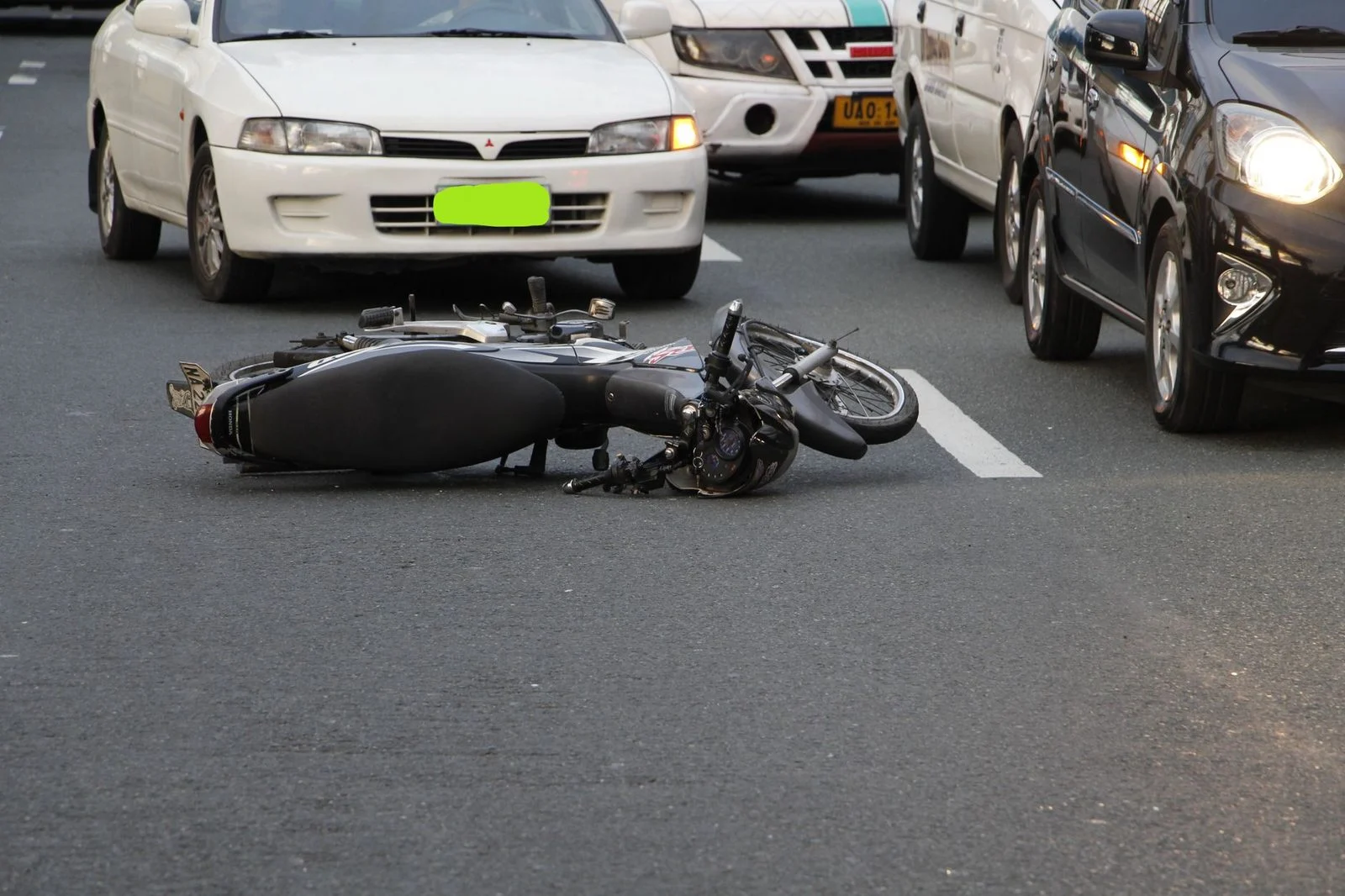
Motorcycle, bicycle and pedestrian crashes often produce severe injuries. Riders and walkers have less protection from the vehicle around them. Bus, train and dog bite incidents can involve different legal rules, including rules for public transit agencies and for animal owners. Premises liability cases involve property owners or managers whose unsafe conditions cause serious harm.
Proving Fault in a Serious Injury Case
Fault is the core of the case. The injured person must show that another party was negligent and that the negligence caused the harm. Negligence generally involves a duty of care, a breach of that duty, causation and damages.
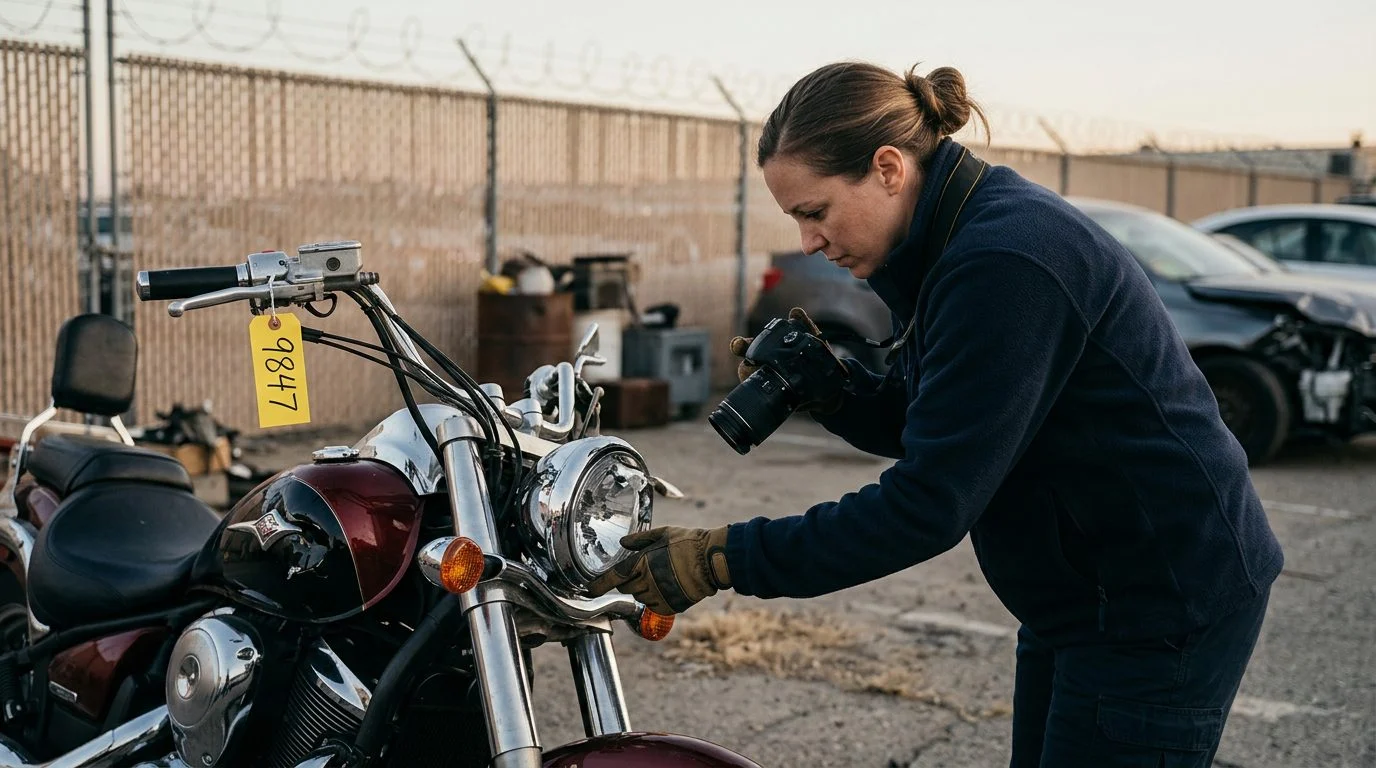
Evidence often decides whether fault can be shown. Common evidence includes police reports, photographs of the scene and vehicles, vehicle data, witness statements and medical records. Early preservation matters. Records can be lost, and vehicles can be repaired or sold.
A person who was partly at fault may still have a claim.
Insurers and other parties often dispute fault. They may argue that the injured person caused the crash or that the injuries came from something else. A clear, documented record helps answer those arguments. Early medical treatment also helps connect the injuries to the crash.
Damages in a Catastrophic Injury Claim
Damages are the money a claim seeks to recover.
Economic damages are objectively verifiable monetary losses. The Civil Code § 1431.2 definition includes medical expenses, loss of earnings, burial costs, costs of obtaining substitute domestic services and loss of employment or business opportunities. In a catastrophic case, this group often includes past and future medical care, rehabilitation, medication, equipment and home modifications.
Non-economic damages are subjective losses. The same statute lists pain, suffering, inconvenience, mental suffering, emotional distress and loss of society and companionship. These losses are harder to measure, but they are real parts of a serious injury.
Several liability matters here. Under the same statute, in a personal injury, property damage or wrongful death action based on comparative fault, each defendant is liable for non-economic damages only in direct proportion to its percentage of fault. A defendant does not pay for another party’s share of those damages.
The general measure of damages for the breach of an obligation not arising from contract is set out in Civil Code § 3333. It is the amount that compensates for all the detriment proximately caused by the breach.
Loss of earning capacity is often central. Medical and vocational evidence can show how a work limitation affects future income. Many cases also use a life care plan, a written plan prepared with medical providers that lists future care needs and costs. The value of each claim depends on the facts of that case.
Not sure what your next step is?
Talk it through with our team — the first consultation is free, confidential, and carries no obligation.
Wrongful Death and Survival Claims After a Fatal Crash
A wrongful death claim arises when a crash causes a death. California law says who may bring it. The Code of Civil Procedure § 377.60 list includes the decedent’s surviving spouse, domestic partner, children and issue of deceased children, or, if there is no surviving issue, the persons who would be entitled to the decedent’s property by intestate succession. A domestic partner means a person who was the decedent’s domestic partner at the time of death in a registered domestic partnership established in accordance with subdivision (b) of Section 297 of the Family Code. It also includes, if they were dependent on the decedent, the putative spouse, children of the putative spouse, stepchildren, parents, or the legal guardians of the decedent if the parents are deceased, and minors who resided for the previous 180 days in the decedent’s household and were dependent on the decedent for one-half or more of the minor’s support.
A survival claim is different. The statute on successors in interest says a cause of action that survives the death passes to the decedent’s successor in interest, subject to Chapter 1 (commencing with Section 7000) of Part 1 of Division 7 of the Probate Code. The action may be brought by the personal representative or, if there is none, by the successor in interest. A survival claim carries forward the injured person’s own claims that existed before death.
Survival damages have limits. Under the survival damages statute, recoverable damages are limited to the loss the decedent sustained before death. They generally do not include pain, suffering or disfigurement. The statute also contains exceptions tied to filing dates, so timing matters.
A wrongful death claim can address funeral and burial costs and the loss of financial support. It can also address the loss of companionship and guidance that family members experienced. Families facing a fatal crash often have questions about who may file and when. Those questions are worth raising early.
Deadlines and the Claim Process
Deadlines are among the most important parts of any injury case. Under Code of Civil Procedure § 335.1, an action for injury to a person, or for the death of a person caused by another’s wrongful act or neglect, must be brought within two years. Under Code of Civil Procedure section 335.1, an action for injury to an individual caused by the wrongful act or neglect of another must be brought within two years.
A shorter deadline can apply when a public entity may be responsible. Under Government Code § 911.2, a claim for death or for injury to a person must be presented not later than six months after the cause of action accrues. This can matter when a public transit agency runs a bus or when a government agency owns the road or property involved. Government Code § 945.4: Except as provided in Sections 946.4 and 946.6, no suit for money or damages may be brought against a public entity until a written claim has been presented and acted upon or deemed rejected.
Tolling can also change timing. Under Code of Civil Procedure § 352(a), if a person entitled to bring an action under Chapter 3 is a minor or lacks legal capacity to make decisions at the time the cause of action accrued, that time is not counted toward the limit. Cal. Code Civ. Proc. § 352 reads: “(b) This section shall not apply to an action against a public entity or public employee upon a cause of action for which a claim is required to be presented in accordance with Chapter 1 (commencing with Section 900) or Chapter 2 (commencing with Section 910) of Part 3, or Chapter 3 (commencing with Section 950) of Part 4, of Division 3.6 of Title 1 of the Government Code.” Under Code of Civil Procedure § 352(a), if a person entitled to bring an action is, when the cause of action accrued, under the age of majority or lacking the legal capacity to make decisions, the time of the disability is not part of the time limited for the commencement of the action, but under § 352(b) this section does not apply to an action against a public entity or public employee on a cause of action for which a claim must be presented under the Government Code.
A typical claim moves through several stages. These include intake, investigation, evidence preservation, medical documentation, a demand to the responsible party, negotiation and, when needed, a lawsuit. Each stage depends on the facts and on the parties involved, so the timeline varies from case to case.
Serving Bakersfield, Kern County and Nearby Communities
Colvin Accident Lawyers is based in Bakersfield. The firm represents injured people and families in Kern County and in nearby communities. Crashes on Bakersfield-area roads raise the same legal questions as crashes elsewhere in the state. The facts of each crash still control the outcome.
Readers in the surrounding area can also find detailed information on our Kern County page. Colvin Accident Lawyers is based in Bakersfield, California, and readers in Fresno, Visalia, Lancaster, Palmdale, Delano and Tehachapi can contact the firm for a free, confidential first consultation with no obligation to continue. Those pages cover the same practice areas discussed here, with information tied to each area.
The firm’s practice areas include car, truck, motorcycle, bicycle, pedestrian, bus, train, dog bite and premises liability claims, along with wrongful death and catastrophic injury matters. A catastrophic injury claim may also involve several of these areas, depending on how the injury happened.
Frequently Asked Questions About Catastrophic Injury Claims
What makes an injury catastrophic?
A catastrophic injury is severe and long-lasting. It can permanently affect work, independence and daily life.
Can I still make a claim if I was partly at fault?
Yes, in many cases.
Who can bring a wrongful death claim?
Certain heirs can, including a surviving spouse, domestic partner, children and some dependent family members. A survival claim is brought by the personal representative or successor in interest.
How long do I have to file?
Most injury and wrongful death claims must be filed within two years (Code Civ. Proc. § 335.1). Claims against a public entity can require a written claim within six months, so timing should be checked early.
Talk With Colvin Accident Lawyers About Your Situation
Many people reach this page after a crash has left a family member unable to return to work. Others are managing a recovery that now includes years of therapy, or they are facing a fatal collision and wondering what comes next. Those questions deserve clear answers about the injury, the crash and the deadlines that apply.
Colvin Accident Lawyers invites you to contact the firm to talk through your situation. The first consultation is free, confidential and carries no obligation to continue. You can reach the firm through its contact page to start that conversation.
Colvin Accident Lawyers, Bakersfield, California — responsible for this site. Responsible lawyer: Donald Norman Colvin.
Why Start With a Conversation
Confidential From the First Call
What you share with us about your injury and your situation is kept confidential.
A Free First Consultation
Your first consultation is free and comes with no obligation to continue.
Review of Your Records
We look at medical records, bills, and accident details to help you understand what your case involves.
Support for Families
We represent injured people and the families of loved ones lost in fatal accidents.
Keep Track of Your Care
Save copies of medical records, bills, appointment notes, and any photos of your injuries. Write down how the injury affects work, sleep, and daily tasks. Bringing these to your consultation helps us review the full picture.
Injuries We Often Review in Catastrophic Cases
Traumatic Brain Injury
Head injuries from collisions can affect memory, thinking, mood, and the ability to return to work, sometimes for the long term.
Spinal Cord Injury
Damage to the spine can cause paralysis or lasting loss of movement and sensation, changing how a person lives at home and at work.
Amputation
Losing a limb can require surgery, prosthetics, rehabilitation, and changes to the way a person earns a living and cares for family.
Severe Burns and Crush Injuries
Burns and crush injuries often involve repeated treatment, scarring, and long recovery periods that affect daily independence.