Dog Bite Lawyer · Bakersfield, CA
After a Dog Bite, Clear Steps Protect Your Claim
Your health comes first, but the records you gather now can matter later. Here is a practical guide, and how our team can help you take the next step.
By Donald Norman Colvin · Published November 11, 2026
A dog bit you or someone you care about, and now there are doctor visits, bills, and an owner or insurer you never expected to deal with. The short answer is that a dog bite injury claim usually moves from reporting the bite and getting medical care, to identifying the dog and owner, to a claim with the owner’s insurer. A lawsuit comes only if that claim cannot be settled.
What Steps Does a Dog Bite Injury Claim Follow, From Reporting the Bite to Animal Control Through Settlement or Filing Suit?
A dog bite injury claim in California can be broken into five stages. The order can shift with the facts of each bite, but the usual path looks like this.
- Report the bite. Animal control or police create an official record.
- Get medical care. Your health comes first, and your medical records become core proof.
- Gather evidence and identify the dog and owner. Photos, witnesses, and paperwork go into the file.
- Present the claim and negotiate. Many claims go to the owner’s liability insurer, and both sides exchange information.
- File suit if needed. A lawsuit comes into play only when the claim cannot be resolved.
The sections below walk through each one in order, starting with the report.
If a dog bite has left you hurt and facing bills, an owner, or an insurer you didn't expect, our team can talk through the facts in a free, confidential initial consultation with no obligation to continue. Talk it through with our team — the first consultation is free, confidential, and carries no obligation.
Report the Bite to Animal Control or Local Police
Reporting the bite creates an official record of when, where, and how it happened. That record is written close to the event, which makes it useful later.
Animal control or police may check whether the dog’s rabies vaccinations are current. They may also place the dog under observation, a public health step tied to rabies risk. Either way, the agency’s file becomes part of the record of what happened.
Ask the officer for the report or incident number before you leave the scene. If no one gives it to you, call the agency and ask. Write the number down and keep it with your other records. If the owner is unknown, say so in your account.
Stick to facts when you describe the bite. Say where you were, what the dog did, and what you saw. Skip guesses about things you did not see. A short, accurate account is worth more than a long one full of guesses.
Get Medical Attention and Keep Every Record
Get medical care soon after a bite, even when the wound looks small. Bite wounds can become infected, and rabies is a serious concern after some animal bites. A doctor decides what care you need and whether rabies treatment is advised.
The American Veterinary Medical Association publishes general guidance on dog bite prevention and owner precautions.
Keep every record: emergency visit notes, treatment plans, prescriptions, bills, and follow-up appointments. Your medical record is the main way an insurer or a court sees how serious the injury is and how long it lasts.
Photograph the wounds at intervals as they heal. Keep a simple daily log of pain, scarring, and missed work or activities. Insurers often look closely at gaps in treatment, so keep follow-up appointments and note any you missed and why.
Gather Evidence, Witness Information, and Identify the Dog and Owner
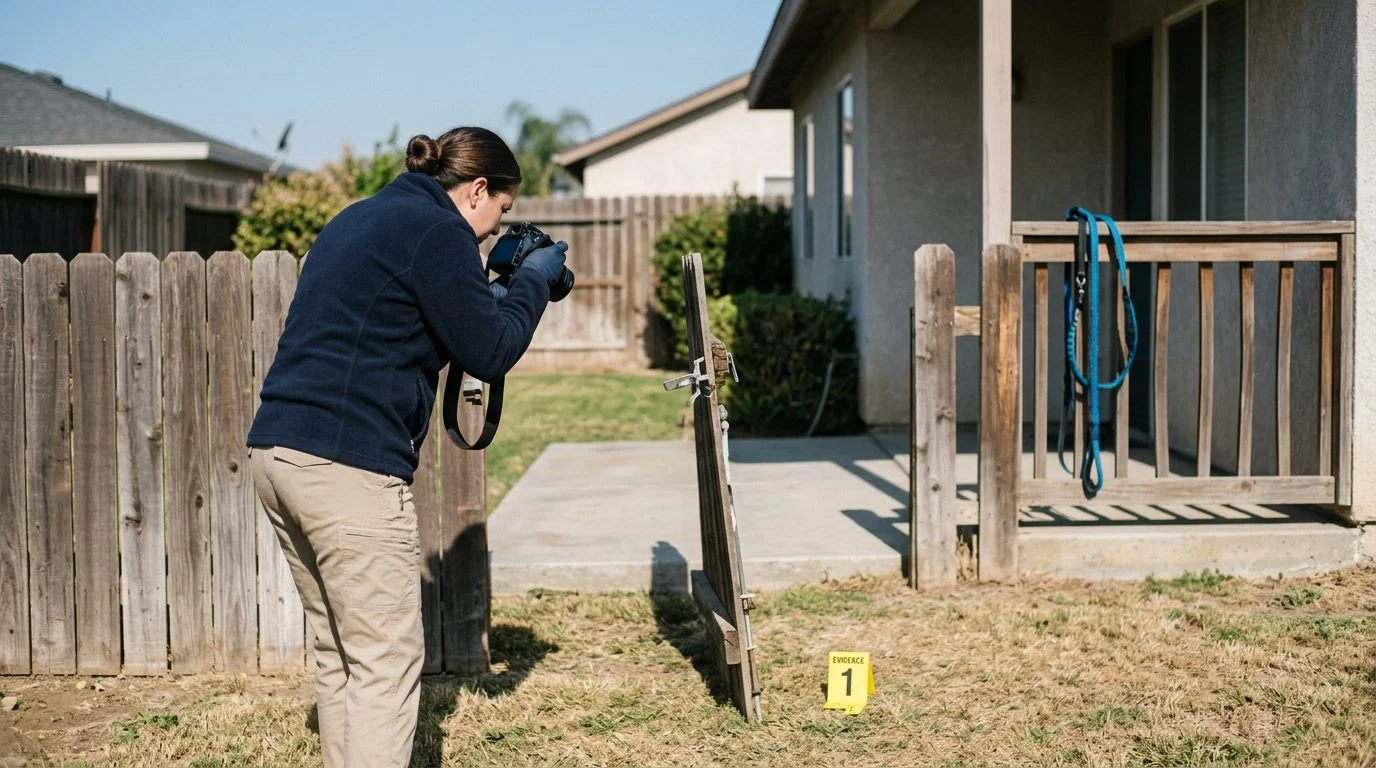
Gather evidence while memory is fresh. Photograph the bite wounds, your clothing, and the scene. Write down where and how the bite happened, what was said, and who was nearby. Keep torn or bloodied clothing, and don’t wash or throw it away until it has been photographed.
Witnesses matter, too. Ask for the names and phone numbers of anyone who saw the bite or helped. People’s memories of an event fade, so early contact details are valuable.
Identify the dog. Note its breed, color, size, and any tag or microchip details. Get the owner’s name, address, and phone number. If the owner is not at the scene, the report may list details that help you follow up.
Licensing and vaccination records are kept by local agencies. Usually, the dog’s owner is the party a claim is made against, so the owner’s identity is central. Keep a notebook of dates, times, and every conversation about the bite. Be careful with social media, because posts about the bite can be read by the other side.
Understand Owner Liability Under California Law
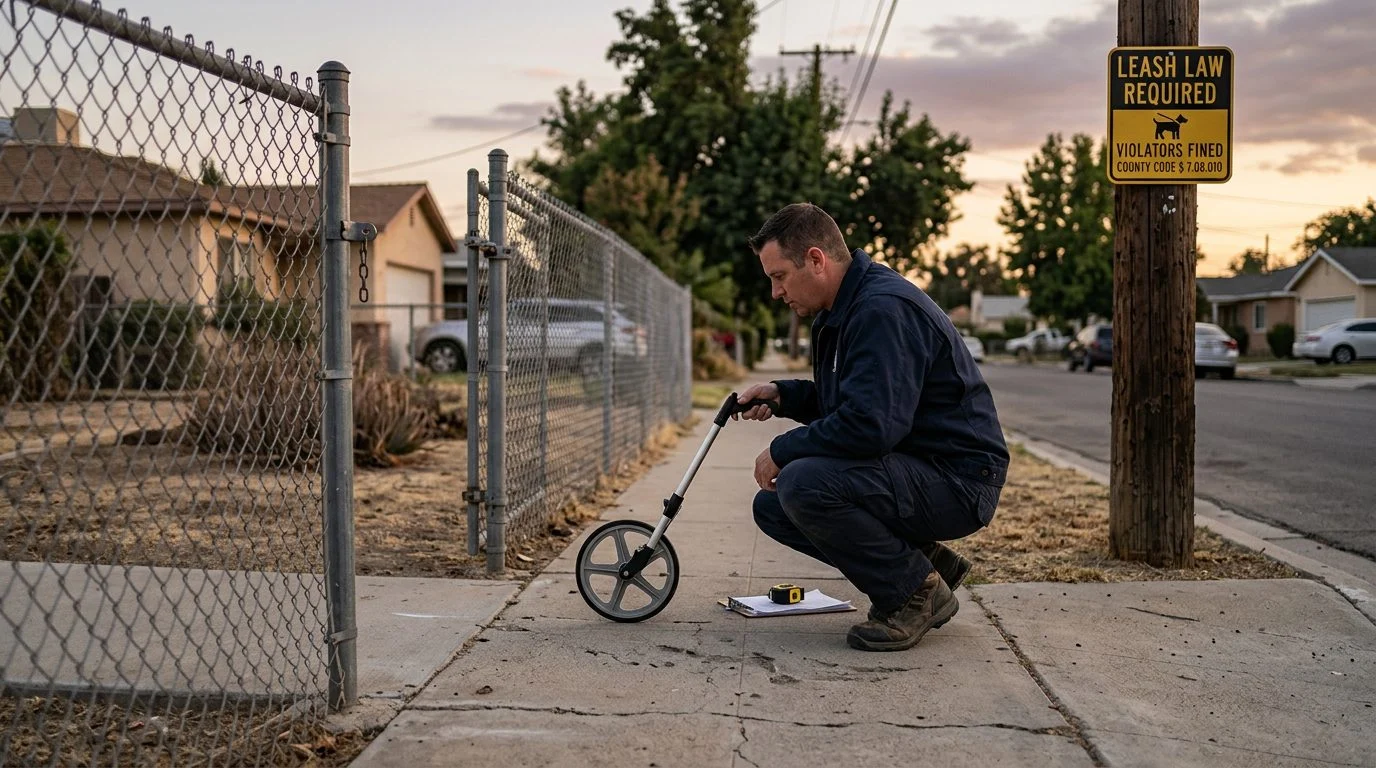
California’s main rule is clear. Under California Civil Code section 3342, a dog’s owner is liable for damages when the dog bites a person in a public place or lawfully on private property. That liability applies regardless of the dog’s past behavior or the owner’s knowledge of it.
“Lawfully” on private property has a specific meaning. A person qualifies when doing a job required by state or federal law, or when the owner invited them, openly or by implication. That is why the reason you were on the property matters.
The statute has exceptions. It limits claims against a government agency that uses a dog in military or police work, in certain situations, and only where the agency has a written policy for that use; the limit does not apply when the person bitten was not a party to, a participant in, or suspected of the acts that led to the dog’s use.
The Judicial Council of California publishes official civil jury instructions, called CACI. See Judicial Council of California CACI instructions.
Shared fault still matters. The facts of each bite shape how these rules apply to it.
Presenting the Claim to the Owner’s Insurer and Negotiating a Settlement
Many dog bite claims go to the owner’s homeowner’s or renter’s liability insurance, not to the owner alone. The claim package usually includes the report number, medical records and bills, photographs, witness information, and a written account of the injury and its effects. Keep a copy of everything you send and receive.
After the package is sent, the insurer responds. The sides exchange information, and talks may or may not lead to a settlement. California Insurance Code § 790.03 lists misleading a claimant about the statute of limitations as an unfair claims settlement practice when it is done knowingly or as a general business practice, so insurers may not mislead you about deadlines in that way.
Once a case is in court, a written offer under Code of Civil Procedure § 998 is deemed withdrawn if it is not accepted before trial or within 30 days after it is made, whichever comes first.
A settlement usually ends the claim, so know its terms before you agree. Ask what the agreement covers, including any medical care you may still need.
Not sure what your next step is?
Talk it through with our team — the first consultation is free, confidential, and carries no obligation.
When a Claim Goes to Court: Filing Suit and the Deadline
When a claim can’t be resolved, a lawsuit may be the next step in the appropriate California court. Timing matters. California’s general deadline for personal injury claims is two years, set by Code of Civil Procedure § 335.1. The California Courts Self Help Guide says personal injury lawsuits generally must be filed within two years of the injury, subject to exceptions and tolling.
Children may get different timing. Under Code of Civil Procedure § 352, for a person entitled to bring an action mentioned in Chapter 3 (commencing with Section 335), when that person was under the age of majority or lacking the legal capacity to make decisions when the cause of action accrued, that period is not counted toward the time limit, but this does not apply to an action against a public entity or public employee upon a cause of action for which a claim is required to be presented.
Missing the deadline can end a claim, so track the date from the day of the bite. Don’t wait for an insurer’s timeline to set your own.
After filing, the owner is served with the complaint. Both sides respond, exchange information through discovery, and may settle at any point. Some cases go to trial.
Talk With Colvin Accident Lawyers About Your Dog Bite Claim
If you’re reading this after a bite, you may be hurting, worried about a child, or dealing with bills and an owner you didn’t expect. These steps can feel like too much at once.
What should I do first after a dog bite?
Get medical care, then report the bite and keep every record.
Who does a dog bite claim get filed against?
Usually the dog’s owner, and the owner’s liability insurer often handles the claim.
Can I still recover if I was partly at fault?
If a dog bite has left you hurt and facing bills, an owner, or an insurer you didn’t expect, our team can talk through your facts with you. That conversation is a free, confidential initial consultation with no obligation to continue. Reach out through the Colvin Accident Lawyers contact page.
Colvin Accident Lawyers, Bakersfield, California — responsible for this site: Donald Norman Colvin.
Steps to Take After a Dog Bite
1. Get medical care
See a doctor or go to an emergency room, even if the wound looks minor. Dog bites can lead to infection and injuries that appear later.
2. Report the bite
Ask local animal control or the police department to record the incident. An official report creates a clear record of when and where the bite happened.
3. Document everything
Photograph your injuries, the location, and any visible dog. Keep medical bills, prescriptions, and notes about missed work.
4. Collect witness details
Write down names and phone numbers for anyone who saw the attack. Note the dog's owner, if you know who they are, and any insurance information they provide.
Be Careful With Early Statements
An insurance adjuster may contact you soon after the bite. Before you give a recorded statement or sign any release, talk with a lawyer about what you are being asked to say.
What Your Free First Consultation Covers
Confidential conversation
Share the details of your bite in a private setting, so you can speak openly about what happened.
Review of your records
Bring medical reports, photos, and any paperwork you have. We will look at what you already have and what else may be useful.
Answers to your questions
Ask about the claim process, who may be responsible, and what to expect as your case moves forward.
No obligation to continue
The first consultation is free, and there is no obligation to move forward with our firm.