Motorcycle Accidents | Bakersfield, CA
Gaps in Treatment Can Raise Questions. Clear Records Help Answer Them.
Colvin Accident Lawyers helps motorcycle riders and families in Kern County and the surrounding Central Valley understand how medical timing can shape a claim.
By Donald Norman Colvin · Published November 19, 2026
A gap in treatment matters in a motorcycle injury claim because it gives an insurer a reason to question whether the crash caused the injury. Clear, dated medical records are the main way to answer that question.
If you’re researching this for yourself or a family member, you’re probably dealing with pain, bills, and time away from work. This page explains how gaps are read, which reasons are common, and which records help show continuous care in Kern County.
What Counts as a Gap in Treatment After a Motorcycle Crash?
A treatment gap is a stretch when recommended care stops or isn’t followed. It can be a long delay before the first medical visit, or a long break between follow-up appointments.
The gap is measured against the medical plan your provider gave you. It isn’t measured against how you feel. You may feel better after a few weeks and still need a scheduled recheck. Skipping that recheck is what insurers notice.
Different injuries call for different follow-up. Road rash may need wound checks. Fractures may need follow-up imaging and therapy. Head injuries may need follow-up for symptoms that show up later.
Helmet use matters too. The Insurance Institute for Highway Safety publishes research on motorcycle helmets and rider injuries.

Why Insurers Pay Attention to Timing of Medical Care
Insurers look at timing because it shows when an injury was first written down. Medical records often document an injury and the treatment it required.
When the first visit comes days or weeks after the crash, an insurer may ask a simple question. Did the crash cause this condition, or did something else happen in between? That question is about cause. It doesn’t mean the injury isn’t real.
Timing also matters for court deadlines. Under Code Civ. Proc. § 335.1, the two-year limit generally applies to a lawsuit for injury caused by another person’s wrongful act or neglect. Write the crash date on every record so the timeline is easy to check.
How a Gap Can Be Used to Question the Injury
An insurer may use a long silence in the records to argue the injury was minor, resolved, or caused by something else. The argument is simple: if the rider was really hurt, the rider would have kept going to the doctor.
Insurers often look for other explanations. They may point to a later activity, a new accident, or a condition that existed before the crash. This happens most when the medical history is thin or incomplete.
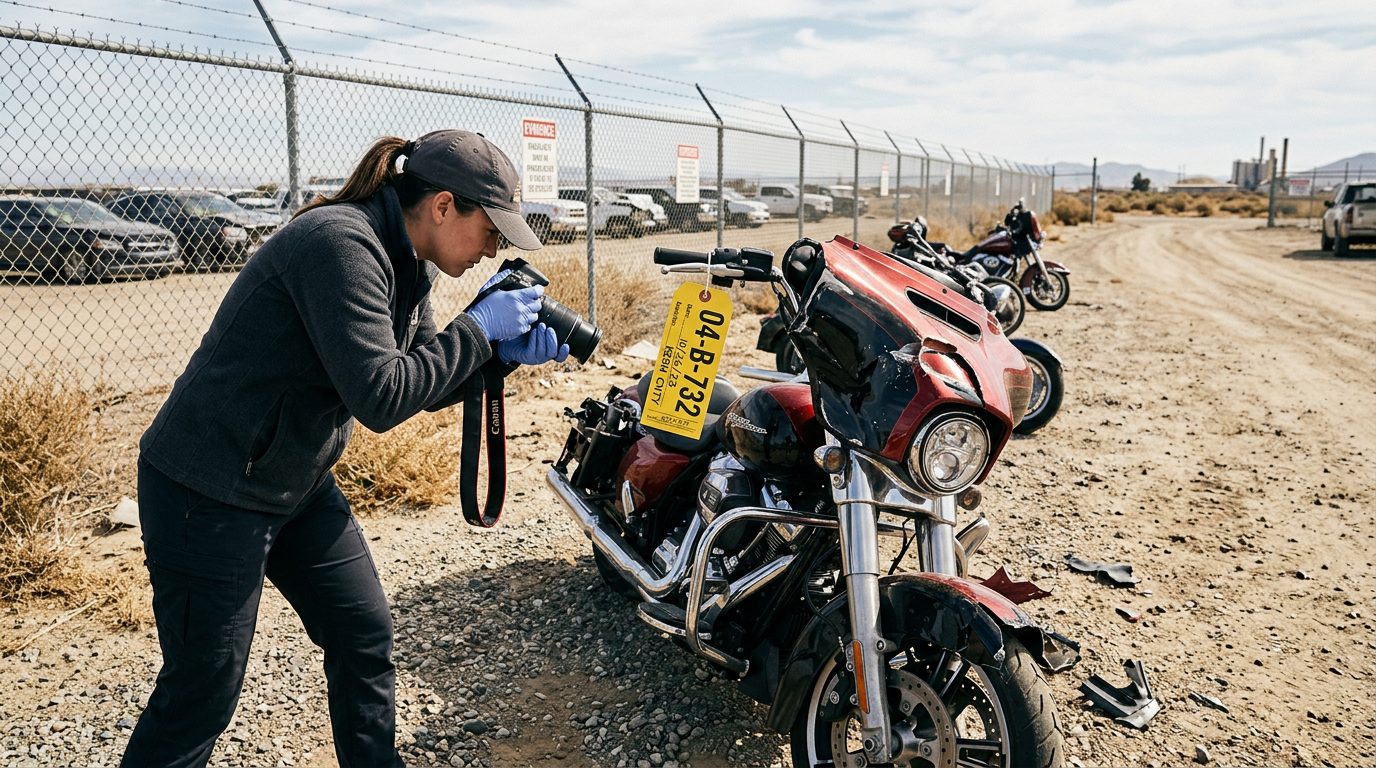
A gap leaves open questions. A claim answers them with other proof, such as witness statements, photos of the bike and the scene, and the crash report.
California also uses pure comparative negligence (shared fault). Under California’s civil jury instructions on a plaintiff’s comparative fault, if the defendant proves the plaintiff shares responsibility, the jury determines the percentage of the plaintiff’s responsibility, and the plaintiff’s damages are reduced by that percentage. The damages are reduced, not barred.
Common, Reasonable Reasons for a Gap in Care
Many gaps have ordinary explanations. Cost is one. A rider may skip a copay or a bill they can’t pay yet. Missed work, transportation problems, and tight schedules are others. Some riders wait weeks for a referral to arrive.
A reason written down at the time is far more useful than one explained months later. A short note in a phone calendar works. Record the date, the appointment you missed, and why you missed it. If a referral was pending, note who ordered it and when.
When you return to care, tell the provider about the break. Say when your symptoms changed and what you noticed during the gap. This way the chart shows the change instead of a blank space. A specific, honest history is easier to explain than a vague one.
What Records Help Show Continuous Care
The core records are visit notes, imaging reports, specialist referrals, physical therapy notes, prescription records, and work restriction notes. Together they show a path from the crash to each stage of care.
Emergency department or urgent care notes matter most early on. They show the first documented complaints and exam findings. Later notes should refer back to that first visit so the story connects.
Keep a simple daily log too. Record your pain level, symptoms, activities you couldn’t do, and missed work, with dates. The log supports what the medical records say. It doesn’t replace them.
Keep appointment reminders, pharmacy receipts, and written communication with insurers. They fill in the timeline between visits.
If you’re on Medicare, reporting rules apply. A beneficiary, through an attorney or otherwise, must notify Medicare when a claim is made against a party with liability insurance. This is done through the CMS reporting guidance.
How Long Recovery Takes and Why the Timeline Matters
Recovery time after a motorcycle injury varies widely. It depends on the injury type, its severity, and the person’s health. No single timeline fits every rider.
Your treating providers can describe the expected recovery path for your injury. Ask them what follow-up they expect and write down the answer. A timeline that matches the medical plan is easier to explain than one with unexplained months.
Medicare may also be involved in the bills. According to CMS secondary payer rules, when a person entitled to Medicare was in an accident involving no-fault or liability insurance, that insurance pays primary for accident-related care, and Medicare pays secondary.
If the insurer doesn’t pay promptly, a provider may bill Medicare. According to Medicare.gov coordination rules, Medicare may make a conditional payment and later recover payments the primary payer should have made. Keep copies of all bills and letters.

Talk With Colvin Accident Lawyers About Your Situation
Colvin Accident Lawyers works with motorcycle riders and families in Kern County. Our team can talk through how the timing of care fits into a claim.
Does a gap in treatment hurt a motorcycle injury claim?
It can give an insurer a reason to question whether the crash caused the injury. Clear, dated records are the main way to answer that question.
Can I still recover if I was partly at fault?
Under California’s comparative fault rule, damages are reduced by your share of fault, not barred. Your share is set based on the facts of the crash.
How long do I have to file an injury lawsuit in California?
Under California law, the two-year limit generally applies to injury lawsuits. Your specific deadline depends on the facts of your case.
If you’re sorting out a gap in care, you don’t have to do it alone. Contact Colvin Accident Lawyers to talk through your timeline. The initial consultation is free, confidential, and carries no obligation to continue.
Keep Your Treatment Records Consistent
Attend scheduled appointments, follow your providers' treatment plans, and tell your doctors about every symptom you have. Consistent records make it easier to show how the crash affected your health.
How Colvin Accident Lawyers Approaches Your Case
Careful Record Review
We review medical notes, bills, and dates of care to see how your treatment fits with the crash and your injuries.
Timeline Focus
We help you explain any breaks in care, including the reasons behind them, so the timeline is clear and accurate.
Attention to Your Health
Your recovery comes first. We coordinate questions about records so you can focus on getting better.
Straight Answers
We explain each step of the process in plain language, so you know what to expect.
Practical Steps to Protect Your Claim
Keep Every Appointment
Schedule follow-up visits and keep them, even when you feel better. Ask your provider to note any ongoing symptoms.
Write Down Your Symptoms
Keep a simple journal of pain, stiffness, sleep problems, and activities you can no longer do.
Save Your Paperwork
Keep bills, prescriptions, insurance letters, and photos of your motorcycle, gear, and the crash scene.
Tell Us About Any Gap
If you stopped care for a while, share the reason with us early. Honest details are easier to address than surprises.