Truck Accident Lawyer · Bakersfield, CA
Hurt in a Truck Accident? Talk With a Bakersfield Truck Accident Lawyer Today
Colvin Accident Lawyers represents people injured in collisions with commercial trucks and their families. Your first consultation is free, confidential, and comes with no obligation to continue.
Why Start With a Free Consultation
Free
First consultation
Confidential
Your information stays private
No obligation
No commitment to continue
Bakersfield
Based in Kern County, California
By Donald Norman Colvin · Published October 18, 2026
Palmdale Truck Accident Lawyer | Colvin Accident Lawyers
A big rig crash is different from a car crash. If you have been hurt in a truck accident, this guide explains what sets these cases apart. Colvin Accident Lawyers, based in Bakersfield, California, represents accident victims and families, including people in Palmdale and the Antelope Valley. Read on for the roads, rules, deadlines, and first steps that matter most.
If a semi-truck crash on a Palmdale road left you or someone you love hurt, you may have a claim, and you don't have to sort out the next steps alone. Talk it through with our team — the first consultation is free, confidential, and carries no obligation.
Truck Accidents on Palmdale and Antelope Valley Roads
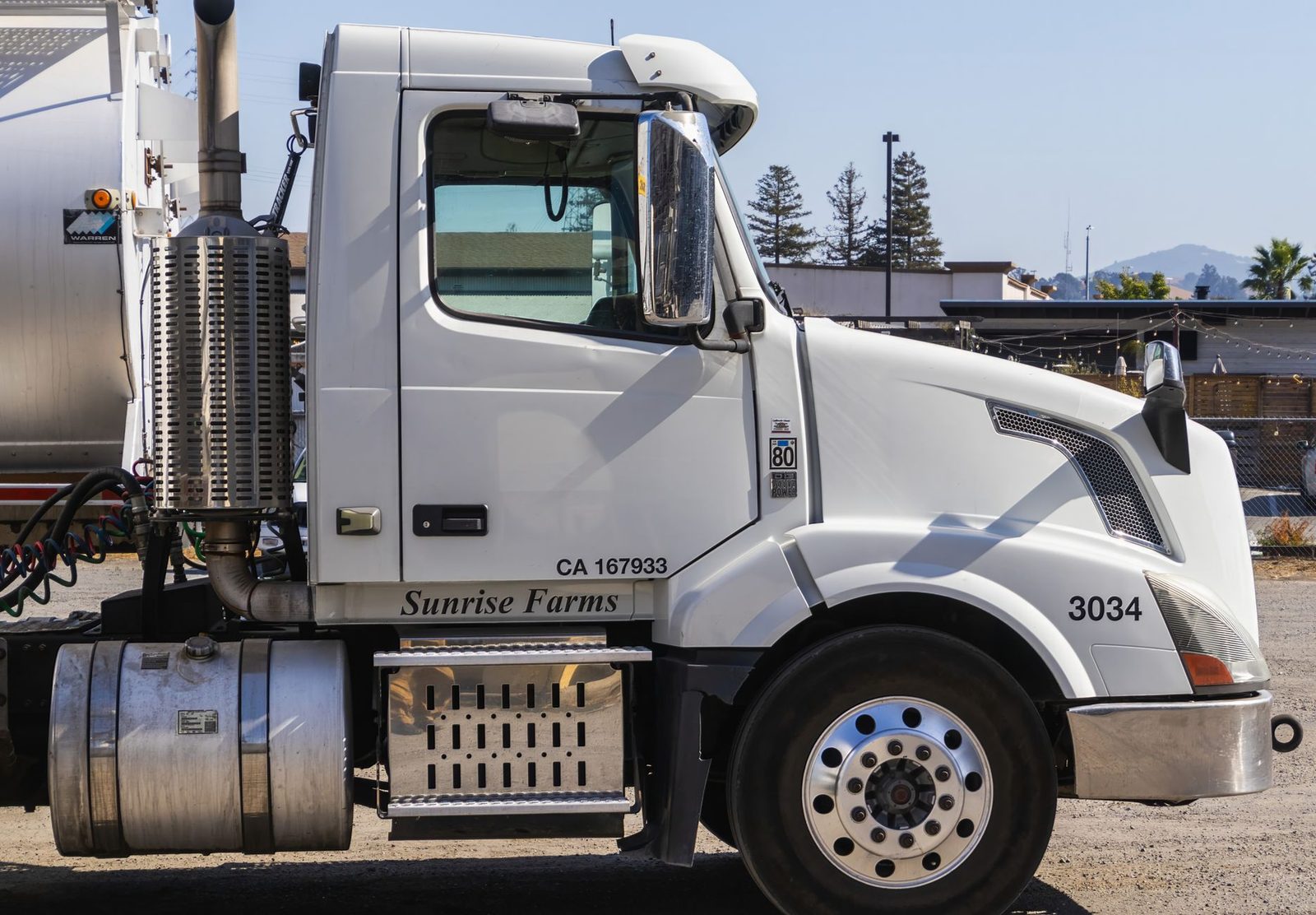
Large trucks travel the same Antelope Valley roads that Palmdale commuters drive every day. State Route 14 is a major route through the Antelope Valley, and commercial trucks use it alongside passenger cars. Residents, commuters, and visitors all share these roads, so a crash can involve people who never planned to be near a truck at all. When a passenger car meets a loaded tractor-trailer, the weight gap is far larger than in a two-car crash. The people in the smaller vehicle have far less protection in that collision, and that shapes how the crash is investigated. Families who travel between Lancaster, Palmdale, and Tehachapi use the same routes, so local crashes touch many communities. The crash location, the time of day, and the truck’s route all become part of the story. Because more than one party may be involved, the first weeks after a crash matter a great deal.
How Truck Accidents Happen
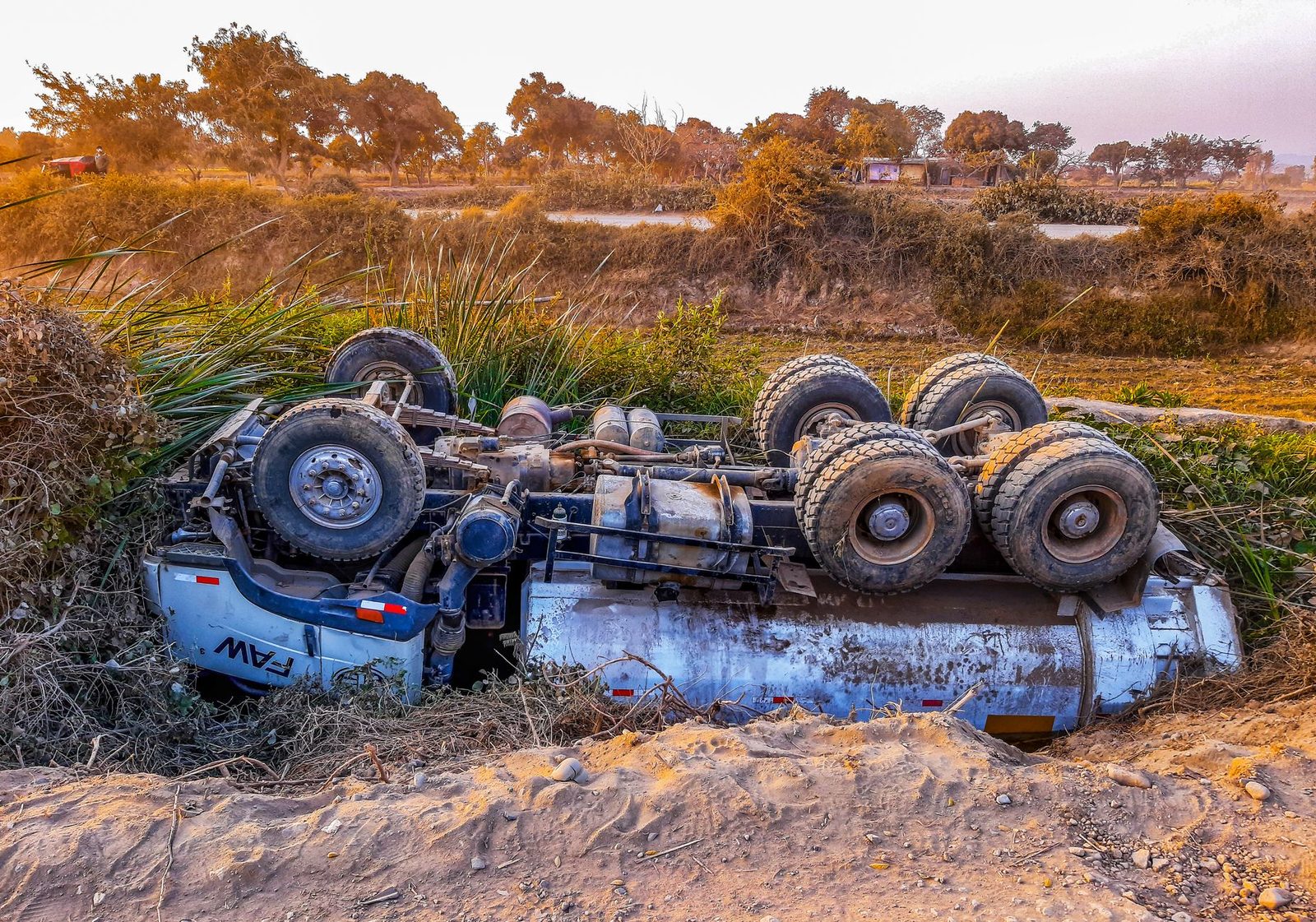
Most big rig crashes follow a few familiar patterns, including jackknifing, rollovers, underride collisions, and wide turns. A jackknife happens when the trailer swings out of line with the cab. A rollover can happen when a loaded truck takes a curve or ramp too fast. An underride collision happens when a smaller vehicle slides under a truck’s trailer. Lane changes and wide turns cause harm too. A truck driver may not see a car alongside the trailer, because large trucks have large blind spots. A driver who misjudges a slowdown or a lane change can strike a vehicle that has nowhere to go. Pedestrians and bicyclists face the same risks when a commercial vehicle turns or backs up near them. These crashes often happen in ordinary traffic, not only at highway speeds. Many injured people assume the truck driver saw them. That assumption can cost time when evidence is still being gathered.
Rules Truck Drivers and Carriers Must Follow
Federal rules limit how long commercial drivers can work, how trucks are maintained, and when drivers must be tested after a crash. Driving hours are limited too. A property-carrying driver may not drive without first taking 10 consecutive hours off duty. A driver also may not drive once 14 consecutive hours have passed since coming on duty after that rest. Within that window, the driver may drive no more than 11 hours. Federal hours-of-service rules for property-carrying trucks state that, except for drivers who qualify for a short-haul exception, a driver may not keep driving once more than 8 hours of driving time have passed without at least a consecutive 30-minute interruption in driving status.
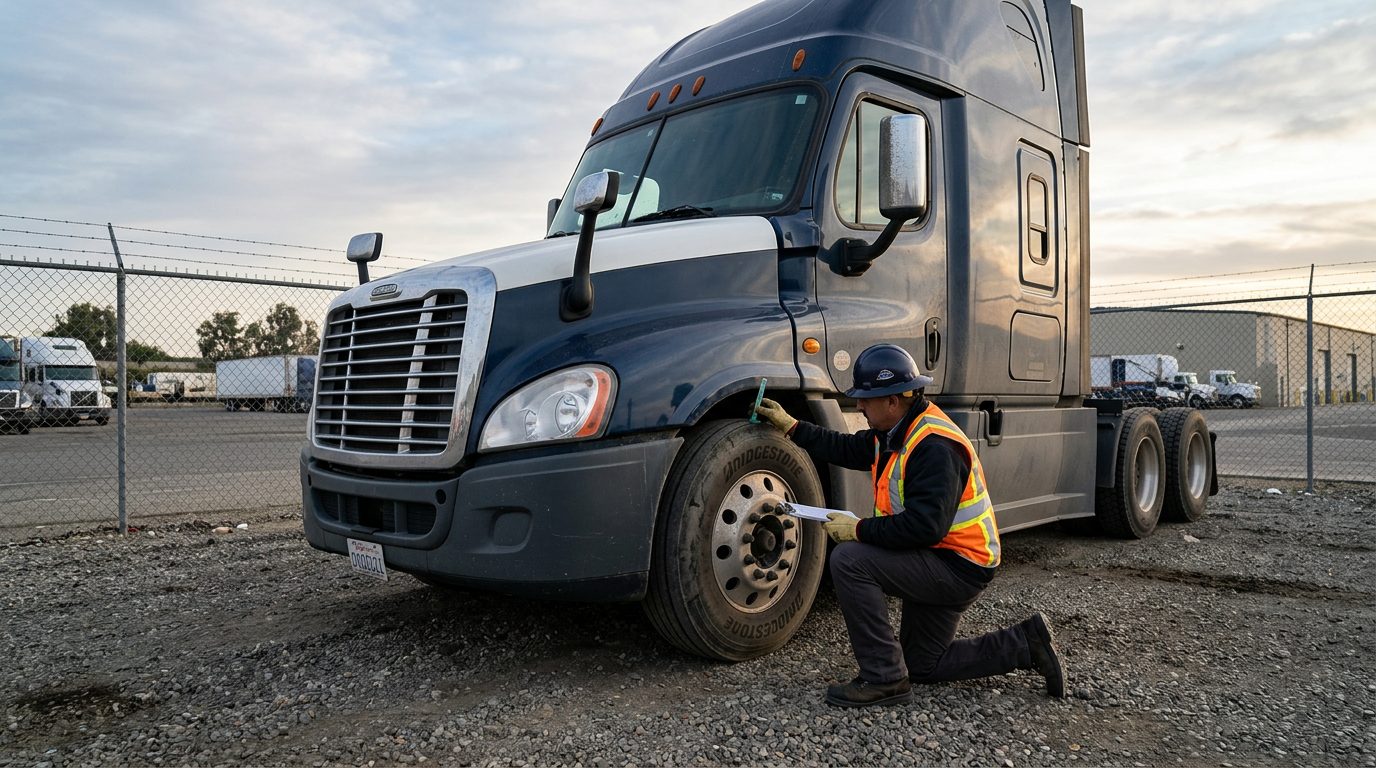
Federal regulations at § 396.3(a) require each motor carrier and intermodal equipment provider to systematically inspect, repair, and maintain all motor vehicles and intermodal equipment subject to its control, or to cause that systematic inspection, repair, and maintenance to be carried out. Federal motor carrier inspection and maintenance rules require every motor carrier to systematically inspect, repair, and maintain the vehicles subject to its control, and state that parts and accessories shall be in safe and proper operating condition at all times, including, but not limited to, frame and frame assemblies, suspension systems, axles and attaching parts, wheels and rims, and steering systems. Carriers, except private motor carriers of passengers (nonbusiness), must keep inspection and repair records for one year, and for six months after the vehicle leaves their control.
Federal post-accident testing rules provide that when a required alcohol test has not been given within eight hours following the accident, the employer shall stop trying to administer it and shall prepare and maintain on file a record stating the reasons the test was not promptly administered. A controlled-substance test not given within 32 hours is handled the same way.
These rules matter in a claim because violations and records can become evidence. A lawyer can ask for logs, inspection records, and test results as part of the investigation.
Who Can Be Held Responsible After a Truck Crash
More than one person or company may share responsibility after a truck crash. The trucking company may share responsibility for how the truck was maintained or operated. Under Veh. Code § 17150, every vehicle owner is liable for injury caused by a negligent act in operating the vehicle, when someone drives it with the owner’s express or implied permission. Other parties, such as a maintenance contractor or a company that loaded the cargo, may also be involved.
Proof of fault often comes from several sources. These include the police or CHP collision report, electronic logging device data, dash camera video, inspection records, and witness statements.
Injuries Common in Big Rig Crashes
Heavy truck impacts can cause serious injuries, including spinal cord injuries, traumatic brain injuries, crush injuries, and fractures. Burns and internal injuries can also follow a large truck crash. Some injuries require long-term medical care, rehabilitation, and changes to work and daily life. These needs affect how a claim is documented and valued.
Getting prompt medical care after a crash creates a clear record of the injury. Medical records, treatment plans, and physician opinions document what happened to the body and what care is needed. Keep every appointment note, bill, and record of missed work. These papers help show the full story over time.
No lawyer can predict how a particular injury will heal or how a particular claim will end.
Not sure what your next step is?
Talk it through with our team — the first consultation is free, confidential, and carries no obligation.
Deadlines That Apply to Palmdale Truck Accident Claims
For most California injury claims, the general deadline to file a lawsuit is two years from the injury. Code Civ. Proc. § 335.1 sets a two-year limit for an action for injury to a person, or for death, caused by another’s wrongful act or neglect. The California Courts Self-Help Guide explains that this general rule has exceptions and tolling.
The deadline can be much shorter when a county, city, or state agency is involved. A road defect may bring a public entity into the claim. Under Gov. Code § 911.2, a claim against a public entity for death, personal injury, or injury to personal property or growing crops must be presented not later than six months after the claim accrues. Other claims against a public entity have a one-year deadline. Except as provided by statute, a public entity is liable for a dangerous condition of its property only under specific conditions, described in Gov. Code § 835.
Trucking companies and insurers often move quickly to collect their own evidence. Some records, such as dash camera video, may be overwritten, so asking early matters. Talk with a lawyer before you give a recorded statement to an insurer or company representative.
Why Truck Accident Claims Can Get Complicated
A truck crash often involves more insurance policies than a car-to-car collision, which can slow a claim down. The trucking company’s liability coverage may apply, as may the driver’s coverage. Your own auto policy, including uninsured motorist coverage, may also matter. Federal financial responsibility rules for motor carriers prescribe the minimum levels of financial responsibility referred to in § 387.7 through a public liability schedule of limits organized by type of carriage and commodity transported.
Those minimums are not the same as the coverage in any single case. How much coverage is available depends on the facts of each crash and the policies in force.
Disputes over fault, medical bills, and lost income often take detailed records and back-and-forth negotiation. Early offers may not reflect the full extent of an injury, especially when treatment is still ongoing.
Truck Accident Cases We Handle
Colvin Accident Lawyers is based in Bakersfield, California, and serves accident victims and families in Palmdale and nearby communities. The practice covers car, truck, bus, motorcycle, bicycle, pedestrian, dog bite, premises liability, wrongful death, and catastrophic injury cases. The office serves people in Kern County, Fresno, Visalia, Lancaster, Palmdale, Delano, and Tehachapi.
Donald Norman Colvin is the lawyer who handles these matters. Our team, which includes office staff and assistants, supports each matter from intake through the case-building steps described above. Truck and bus cases often need more coordination than a passenger-car claim. If a loved one died in a crash, a wrongful death claim may apply, and the two-year general rule above is relevant to it.
Speak With Colvin Accident Lawyers About Your Palmdale Truck Crash
If you want to talk with a truck accident lawyer Palmdale residents can reach, the next step is a conversation about your facts. Gather what you can before that talk. Useful items include the crash date and location, the police or CHP report number, photos of the scene and vehicles, medical records, letters from insurers, and a list of medical bills and missed work.
Colvin Accident Lawyers offers a free first consultation that is confidential, with no obligation to continue.
Frequently Asked Questions
How long do I have to sue after a truck crash in California?
For most injury and wrongful death claims, the general rule is two years, subject to exceptions. Claims against a public entity can have a six-month deadline.
Do truck drivers have to be tested after a crash?
Federal rules can require alcohol and drug testing of surviving drivers after certain commercial truck crashes.
Who can be responsible for a truck crash?
The driver, the trucking company, and the vehicle owner may each share responsibility, depending on how the crash happened.
If a semi-truck crash left you or someone you love hurt, you may have a claim, and you don’t have to work through the next steps alone. Contact Colvin Accident Lawyers to schedule your free first consultation.
Donald Norman Colvin, Colvin Accident Lawyers, Bakersfield, California — responsible for this site.
What Colvin Accident Lawyers Offers Truck Crash Victims
Attention to families
Truck crashes can affect the injured person, their household, and loved ones. We take time to understand how the crash has changed daily life.
Careful review of the facts
Commercial truck crashes often involve reports, driver logs, maintenance records, and insurance information. We look closely at the details of your case.
Direct, plain-language communication
We explain your options in clear terms so you can make informed decisions about your case.
Rooted in Bakersfield
Our office is in Bakersfield, and we serve people across Kern County and nearby communities.
Before You Speak to an Insurer
Trucking companies and their insurers may move quickly after a crash. Before you give a recorded statement or sign any release or settlement paperwork, talk with a lawyer about your situation.
How Your Free Consultation Works
1. Reach out
Call us or send a message describing your truck accident. Your first consultation is free and confidential.
2. Share what happened
Tell us about the crash, your injuries, and any medical care or insurance contact you have had so far.
3. Review your options
We discuss the facts and possible next steps. You decide whether to move forward, with no obligation to continue.