Wrongful Death Claims | Bakersfield, California
Gather the Records That Help Tell Your Family's Story
A practical guide to the documents, photos, and statements that can support a wrongful death claim. Colvin Accident Lawyers, based in Bakersfield, can review what you have with you.
By Donald Norman Colvin · Published October 26, 2026
Wrongful Death Claim Evidence: Records to Gather in California
Wrongful death claim evidence usually falls into three groups: proof of who was at fault, proof of what caused the death, and proof of what the family lost. Those facts sit in police files, coroner reports, hospital charts, and pay records. This guide explains what each record shows and why it matters. The proof a case needs depends on the facts of that case.
If you are sorting through records after a loved one's death, you do not have to do it alone. Our team can talk with you about what you already have. Talk it through with our team — the first consultation is free, confidential, and carries no obligation.
What evidence, such as police reports, autopsy findings, and employment or income records, is needed to prove a wrongful death claim?
A wrongful death claim generally has to show who was responsible, how that responsibility led to the death, and what losses the family suffered. Each type of evidence answers one of those questions.
Duty means the person owed a duty to act with care. Under California Civil Code section 1714, everyone is responsible, not only for the result of his or her willful acts, but also for an injury occasioned to another by his or her want of ordinary care or skill in the management of his or her property or person, except so far as the person injured has, willfully or by want of ordinary care, brought the injury upon himself or herself (Civil Code § 1714). Breach means that person failed to meet that duty. Causation links that failure to the death.
Family members also must show they have the right to bring the claim. Under Code of Civil Procedure § 377.60, a surviving spouse, domestic partner, or children (including issue of deceased children) may bring it, or, if there is no surviving issue of the decedent, the persons who would be entitled to the property of the decedent by intestate succession, including the surviving spouse or domestic partner. Some dependent relatives may too. Marriage certificates, birth certificates, and domestic partnership records help show those relationships.
How do police reports and incident records show who was at fault?
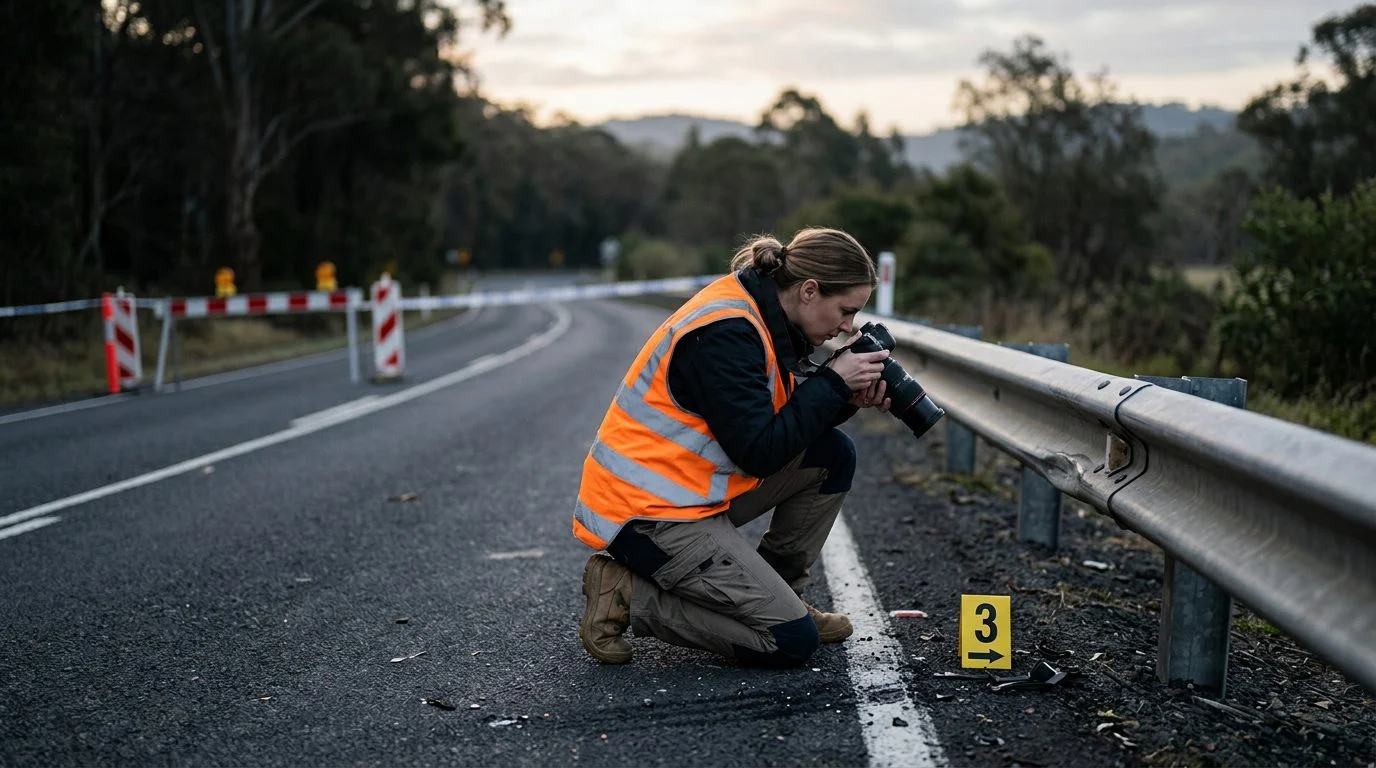
Police and incident records are often the first documents that show what happened. A traffic collision report includes the officer’s narrative, diagrams, citations, and listed contributing factors. These help show breach of duty.
Other records fill in the scene. 911 call logs, dispatch records, and emergency medical run reports show timing and conditions. Witness statements, photos, and surveillance or dash camera video add detail. Video is often overwritten quickly, so early requests matter.
Some traffic rules create a presumption. Under Evidence Code § 669, if a driver violated a statute, ordinance, or regulation of a public entity and that violation caused a death, the law presumes the driver failed to use due care, but only if the death resulted from an occurrence the statute was designed to prevent and the victim was within the class of persons the statute was designed to protect. The driver can rebut that presumption (Evidence Code § 669). Blood alcohol results also matter. Driving with 0.08 percent or more alcohol in the blood is unlawful, and in a prosecution, a chemical test showing 0.08 percent or more within three hours after the driving creates a rebuttable presumption that the person had 0.08 percent or more at the time of driving (Vehicle Code § 23152).
For premises, dog bite, or public property cases, notice is key. Incident reports, animal control files, prior complaints, and maintenance logs can show that a hazard was known. For public property, constructive notice requires that the condition existed long enough and was obvious enough that the public entity should have found it (Government Code § 835.2).
Why do autopsy and coroner findings matter in a wrongful death case?
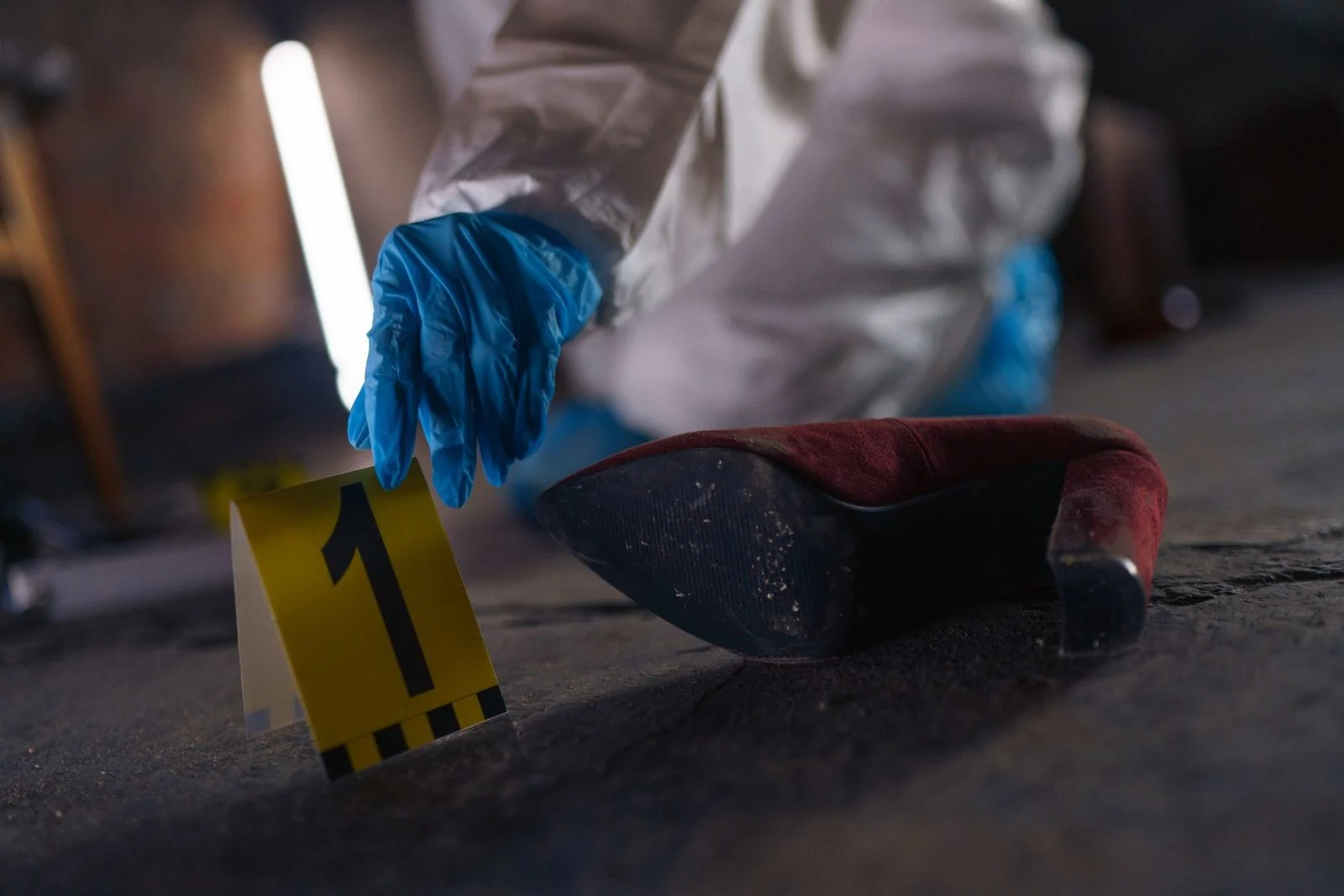
Autopsy and coroner findings state the cause and manner of death. That link is central to causation. The medical examiner or coroner report lists injuries and the cause of death. The death certificate reflects those findings.
Toxicology results appear in many reports. They show what was present in the body. They do not, by themselves, show who was at fault. Families should ask what each result means in their case.
Hospital and treating doctor records show injuries from the incident until death. They can also show how long the person survived after the injury. A complete set usually includes every facility involved, so request records from each provider. Ask for itemized bills too.
Investigators and attorneys compare these findings with the incident facts. Injury patterns and timing can show whether the crash, fall, attack, or hazard led to the death.
What employment and income records show the financial losses a family has suffered?
Employment and income records show what the decedent earned and what the family relied on. Pay stubs, W-2 forms, tax returns, and employer wage records are the core documents. They show past earnings and help estimate future earnings.
Benefits matter too. Health insurance, retirement contributions, and other employer benefits appear in benefit statements. Self-employed people need different records: profit and loss statements, invoices, and business bank deposits.
Household services are harder to document. Childcare, home repair, and money management may appear in calendars, receipts, and testimony from family members. Funeral, burial, and medical bills need receipts or invoices.
Personal loss shows through photos, messages, journals, and testimony from family and friends. These can describe the relationship and the guidance the decedent gave. Which documents matter depends on the decedent’s life and the family’s relationship to them.
How should families preserve and organize evidence before it is lost?
Preserving wrongful death claim evidence starts early, because some of it disappears fast. Surveillance video is often overwritten. Vehicles are repaired or sold. Phone data and social media posts can be deleted. Start with the most perishable items.
Keep the damaged vehicle or physical items unrepaired when possible. Keep original documents. Do not alter or delete texts, photos, or posts. A preservation letter is a written request asking other parties to keep relevant evidence. Sending one early can affect what is kept.
Make a simple timeline with dates, times, and the source of each record. Keep copies of every bill and report in one place. Avoid posting about the accident or the decedent’s activities during the claim. Those posts can be used as evidence.
Sympathy and fault are treated differently. Under Evidence Code § 1160, expressions of sympathy about a death are generally not admissions of liability. A statement of fault is not protected by that rule.
Time limits also matter. Under Code of Civil Procedure § 335.1, an action for death caused by another’s wrongful act or neglect generally must be filed within two years (Code of Civil Procedure § 335.1), but claims against public entities can be subject to earlier notice requirements.
Not sure what your next step is?
Talk it through with our team — the first consultation is free, confidential, and carries no obligation.
What should you do next if you are gathering evidence for a loved one’s wrongful death claim?
If you are gathering records for a loved one, start with a simple list. Note the police report number, the coroner’s case number, the hospital names, and where pay records are kept. A list makes it easier to see what is missing.
You may be doing this while grieving and handling paperwork for someone else. The decision about whether to pursue a claim may be in front of you now. You do not have to make every decision today.
Colvin Accident Lawyers offers a free, confidential first consultation with no obligation to continue. To talk through the records you already have, contact Colvin Accident Lawyers. Our wrongful death lawyer page explains how the overall claim process works.
Colvin Accident Lawyers, [street address: to be supplied by the firm], Bakersfield, California — responsible for this site. Responsible lawyer: Donald Norman Colvin.
Frequently Asked Questions
What evidence is needed to prove a wrongful death claim in California?
A wrongful death claim usually relies on the death certificate, the medical examiner or autopsy report, police or incident reports, and records that show how the fatal injury happened. Together, these records help show that another person’s negligence or wrongful act caused the death.
Why do photos, video, and witness statements matter after a fatal accident?
Photos, dashcam or surveillance video, and witness accounts record conditions such as road layout, weather, and vehicle positions, which can change or disappear quickly. Collecting and preserving this evidence early helps reconstruct what happened.
Do family members need proof of their relationship to the person who died?
Yes. In California, a wrongful death action is generally brought by the decedent’s heirs or by a personal representative of the estate, so documents such as birth or marriage records, or court papers appointing a representative, may be needed to show who can bring the claim.
What records help show the financial losses in a wrongful death claim?
Pay stubs, tax returns, employment records, and records of support the decedent provided to family can help document lost income and support, while medical bills and funeral and burial receipts document other costs. Colvin Accident Lawyers offers a free, confidential first consultation, with no obligation to continue, to review what records a family may have.
Core Records to Collect
Death Certificate
The official certificate identifies the date, place and cause of death as recorded by the county. It is often the first document requested in a wrongful death matter.
Medical Examiner or Autopsy Report
When an autopsy or coroner review was performed, the report can describe the injuries and the medical findings tied to the cause of death.
Police and Incident Reports
Crash, collision, or incident reports record the scene, the parties involved, and the officers' initial observations. Keep any citation numbers you receive.
Medical and Hospital Records
Records from emergency care, treatment, and hospital stays can show how the injuries developed and the care that was provided before death.
Other Evidence That Can Matter
Photos and Video
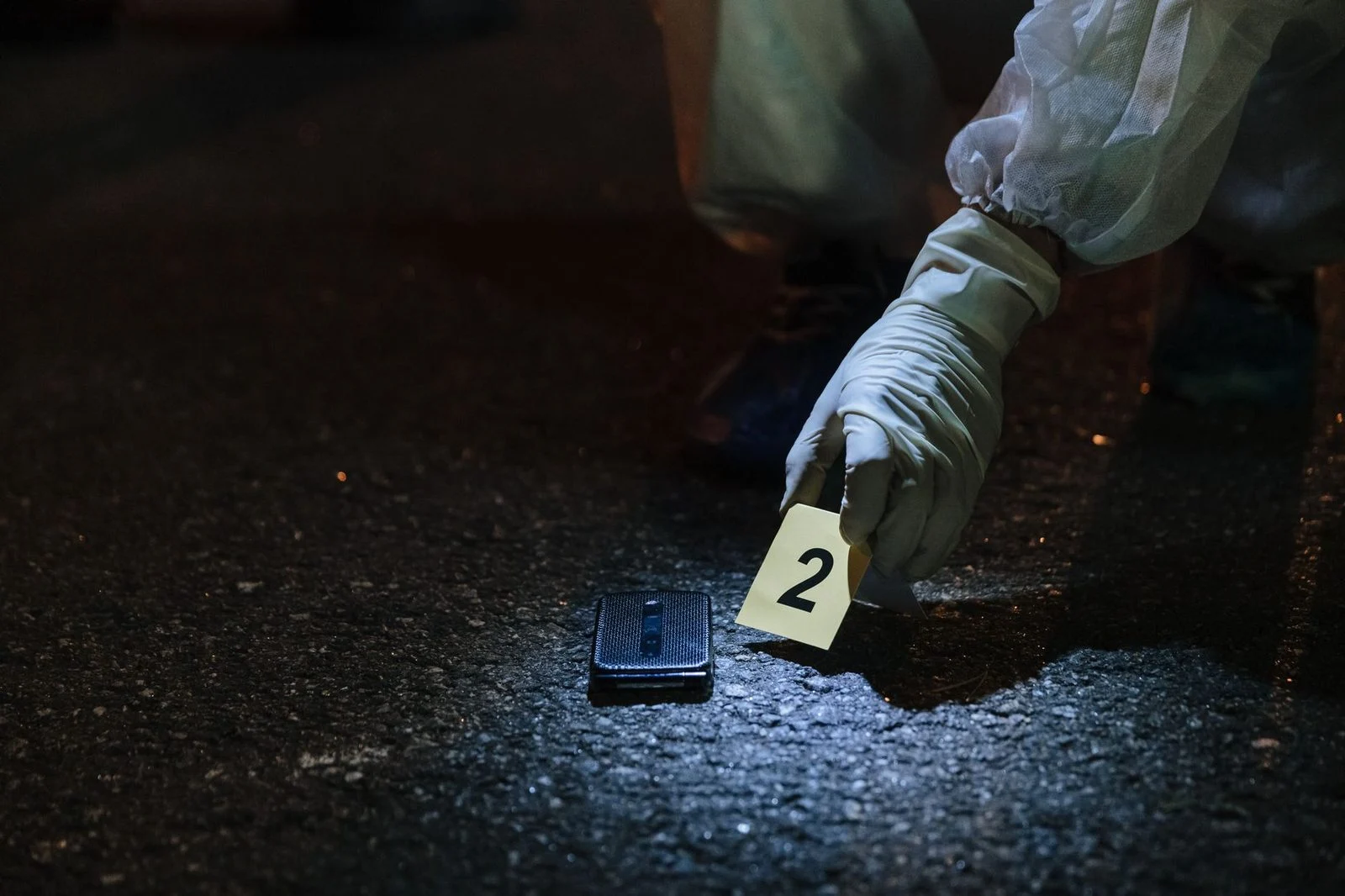
Images of the scene, vehicles, property, or conditions at the time of the incident can capture details that fade quickly.
Witness Information
Names and contact details of people who saw what happened, along with any statements they have given, help build a fuller picture.
Messages and Communications
Texts, emails, and voicemails about the incident, the trip, or the people involved can preserve important timing and context.
Bills, Wage and Household Records
Funeral costs, medical bills, pay records, and household financial documents help document the family's losses.
Preserve Evidence Before It Is Lost
Keep damaged vehicles, clothing, devices, and property in their current condition when possible. Avoid posting about the incident or your loved one's injuries on social media, and do not delete messages or photos. Ask us before you discard or repair anything tied to the incident.
How the Records Are Used
Organize
We help sort records by date and source so the timeline of events is easier to follow.
Review
We look for gaps, such as missing reports or unanswered medical questions, and discuss how to fill them.
Explain
We explain in plain language what each record shows and how it relates to the claim.
Bring Your Records to a Free, Confidential Consultation
Related practice areas
- Wrongful Death Cases California Timeline and Deadlines