Wrongful Death | Bakersfield, California
A Criminal Case Does Not End Your Family's Wrongful Death Claim
Colvin Accident Lawyers helps families in Kern County and across California understand how a criminal case and a wrongful death lawsuit can proceed at the same time.
By Donald Norman Colvin · Published November 6, 2026
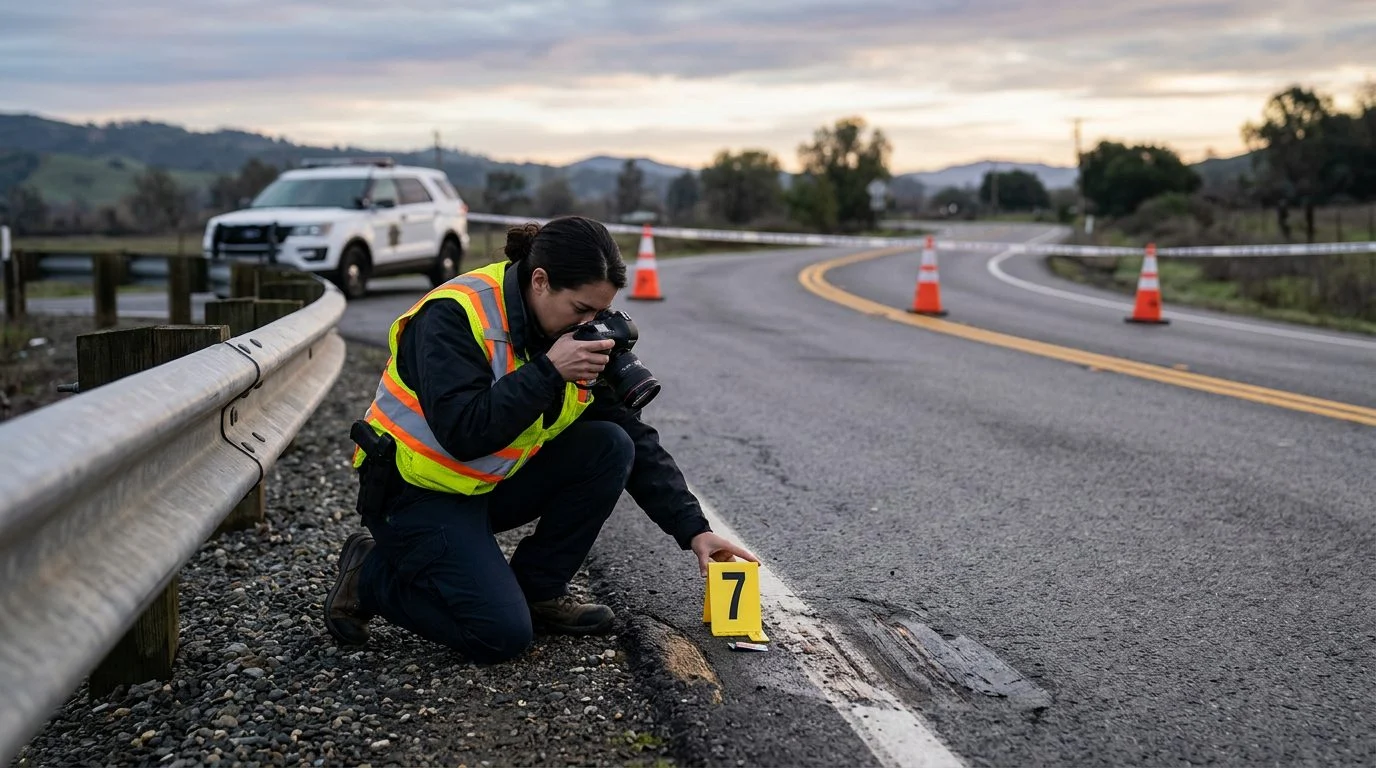
A criminal case before wrongful death lawsuit California families consider is a separate track from the civil claim. The state prosecutes the person accused of a crime. This page explains the differences, the deadlines, and what to do now.
What a Criminal Case and a Wrongful Death Lawsuit Each Are
A criminal case is brought by the state against a person accused of a crime. A wrongful death lawsuit is a civil claim brought by eligible survivors against the person or company whose negligence caused the death.
A civil claim asks a court for money damages to cover the family’s losses.
This page covers fatal incidents within our practice areas:
- Fatal car, truck, motorcycle, bicycle, pedestrian, and bus crashes
- Fatal dog attacks
- Deaths tied to dangerous conditions on property
This page is written for families who have heard about charges, a hearing date, or plea talks. The question is often simple: is a civil claim still open?
If charges followed your loved one's death, you may have a claim of your own. Contact Colvin Accident Lawyers for a free, confidential first consultation. Talk it through with our team — the first consultation is free, confidential, and carries no obligation.
Key Differences: Who Brings Each Case, the Standard of Proof, and the Goal
The state brings the criminal case, and the family’s lawyer brings the wrongful death claim. Here is how the two compare:
- Who brings it: A prosecutor acts for the State of California. The eligible survivors bring the civil claim.
- Goal: Criminal cases address punishment and public safety. Wrongful death cases seek money damages for the survivors’ losses.
- Timing: The prosecutor controls the criminal calendar. The civil claim has its own filing deadline.
Keep these two tracks separate in your mind. Each one has its own rules, its own evidence, and its own pace.
Can a Wrongful Death Lawsuit Move Forward While Criminal Charges Are Pending?
The two cases often move on different schedules.
California’s general deadline for an action for the death of a person caused by another’s wrongful act or neglect is two years, under Code of Civil Procedure § 335.1.
If a city, county, or other public entity may be responsible, the deadline is much shorter. A claim for a death must be presented not later than six months after the cause of action accrues, under Government Code § 911.2.
Criminal records, such as police reports and charging documents, can supply facts the civil case needs. Reviewing them early helps the family see what the evidence shows.
Who Can File, and What a Family May Recover
Under Code of Civil Procedure § 377.60, the decedent’s surviving spouse, domestic partner, children, and issue of deceased children may bring a wrongful death claim, or, if there is no surviving issue, the persons who would be entitled to the decedent’s property by intestate succession. Dependent parents, stepchildren, and some legal guardians may also qualify. A minor who lived in the decedent’s household for the previous 180 days, and depended on the decedent for one-half or more of support, may qualify as well.
Wrongful death damages are described in Code of Civil Procedure § 377.61. The court may award damages that are just under all the circumstances. Those damages do not include the decedent’s pre-death losses.
Those pre-death losses fall under Code of Civil Procedure § 377.34. That section limits the damages recoverable in an action by the decedent’s personal representative or successor in interest on the decedent’s cause of action to losses suffered before death, including any penalties or punitive or exemplary damages the decedent would have been entitled to recover had the decedent lived. In an action brought by a decedent’s personal representative or successor in interest on the decedent’s own cause of action, damages for pain, suffering, or disfigurement are not recoverable under Cal. Code Civ. Proc. § 377.34(a), but § 377.34(b) allows them only if the action was granted a preference under Section 36 before January 1, 2022, or was filed on or after January 1, 2022, and before January 1, 2026.
Each recovery depends on the facts of that case. The decedent’s age, earnings, and family relationships all matter, along with the evidence of fault.
Proving the Claim: Negligence, Causation, and How Criminal Records Help
A negligence-based wrongful death claim must show a duty of care, a breach of that duty, causation, and damages. Under Civil Code § 1714, a person is responsible for injury caused by a lack of ordinary care, except to the extent the injured person brought the injury upon himself or herself by willful or negligent conduct.
Here is how the criminal file can help in common cases:
- Impaired driving: Vehicle Code § 23153 makes it unlawful to drive under the influence and concurrently do an act forbidden by law or neglect a legal duty in driving, if that act or neglect proximately causes bodily injury to another. A charge under this section gives the civil case a starting point.
- Vehicle Code § 21950 requires a driver to yield to a pedestrian in a marked crosswalk or within an unmarked crosswalk at an intersection. Pedestrians must still use due care.
- Dog bites and property deaths: The Judicial Council’s CACI jury instructions cover negligence, premises liability, and dog bite strict liability. Proof often centers on what the owner or property owner knew and did.
Useful evidence includes police reports, witness statements, toxicology results, vehicle data, video, and coroner findings. The criminal file is a starting point, not the whole civil case. Our own investigation builds the civil proof.
Step by Step: What to Expect From First Call to Filing
The process starts with a free first consultation. It then moves through records, investigation, a demand, and a filing if one is needed. Each case moves at its own pace.
- Free first consultation. The initial consultation is free, confidential, and carries no obligation to continue. We review the death, the charges or expected charges, and your relationship to the person who died.
- Preserve deadlines and evidence. Calendar the two-year date. Request crash and criminal records. Send preservation letters to anyone holding evidence.
- Investigate. Gather records, interview witnesses, and bring in reconstruction or medical professionals when the case requires them.
- Track the criminal case. Note hearings, plea dates, and sentencing dates that could affect evidence.
- Present the claim. A demand goes to the responsible insurer or party, and negotiations follow.
- File if needed. If a fair resolution is not reached, the claim is filed in the proper California court. The California Courts Self Help Guide offers general information about personal injury lawsuits.
The California Victim Compensation Board also publishes eligibility information for qualifying crimes, including driving under the influence and vehicular manslaughter.
Not sure what your next step is?
Talk it through with our team — the first consultation is free, confidential, and carries no obligation.
Why Colvin Accident Lawyers, and Your Questions Answered
Colvin Accident Lawyers is a personal injury firm based in Bakersfield, California. Donald Norman Colvin is the responsible lawyer for this page. Our team includes assistants and office staff.
We handle wrongful death, car, truck, motorcycle, bicycle, pedestrian, bus, dog bite, premises liability, and catastrophic injury matters. We serve families in Kern County, Fresno, Visalia, Lancaster, Palmdale, Delano, and Tehachapi.
Can I file if the driver is found not guilty?
Yes.
Does a plea deal end my civil claim?
How long do I have to file?
The general deadline is two years under Code of Civil Procedure § 335.1. Claims against public entities have a six-month presentation deadline.
Do I have to wait for the criminal case to finish?
Who is an eligible plaintiff?
Some dependent parents may also qualify, and a minor may too if they lived in the decedent’s household for the previous 180 days and depended on the decedent for one-half or more of their support.
What does the first consultation involve?
We review the death, the charges, and your family’s relationship to the person who died. We then answer your questions about next steps.
If charges followed your loved one’s death, don’t wait on the civil clock. Contact Colvin Accident Lawyers or call us today to talk through your family’s options.
Think before you speak to insurers or others
What you say about the crash, to police, insurers, or anyone else, can affect both. Talk with a lawyer early so you understand your options.
How we help families facing both cases
Protecting your civil claim
A wrongful death lawsuit is a separate civil case brought by the family. We review both paths with you.
Coordinating the two cases
We help families follow the criminal case, preserve evidence, and understand how each proceeding may affect the other.
Plain-language answers
Our team explains the process clearly, so you know what to expect at each stage.
Patient, respectful support
Losing someone in a crash is painful. We approach every family with compassion and respect for their loss.
Common questions about a criminal case and a wrongful death claim
Does a not-guilty verdict end a wrongful death claim?
Not necessarily. Every case depends on its own facts.
Should I wait for the criminal case to finish?
Many families speak with a lawyer while the criminal case is still pending. We can explain how timing may affect your claim and the evidence available to you.
What evidence from the criminal case can matter?
Police reports, court records, and witness information from the criminal case can be important in a civil claim. We help families request and preserve the records they need.
What does the first consultation cost?
Your first consultation is free, confidential, and comes with no obligation to continue.
Talk with Colvin Accident Lawyers about your family's options
Related practice areas
- How a Wrongful Death Claim Works in California | Colvin Accident Lawyers
- How Families Pay for a Wrongful Death Case in California | Colvin Accident Lawyers
- Bus Crash Wrongful Death Claims in California | Colvin Accident Lawyers
- Fatal Bicycle Crash Claims in California | Colvin Accident Lawyers
- Criminal Charges Wrongful Death Lawsuit California