Wrongful Death · Bakersfield, California
Fatal Accident Report California: How to Request One
A step-by-step guide to requesting the crash report after a fatal collision, from Colvin Accident Lawyers in Bakersfield, which represents families in wrongful death cases.
By Donald Norman Colvin · Published October 30, 2026
Learning how to get a fatal accident report California families can use starts with one step. Ask the agency that investigated the crash, usually the California Highway Patrol (CHP) or a local police department. This guide explains what the report holds, who may ask for it, and where it fits in a wrongful death claim.
What Is a Fatal Accident Report and Why Do Families Ask for It?
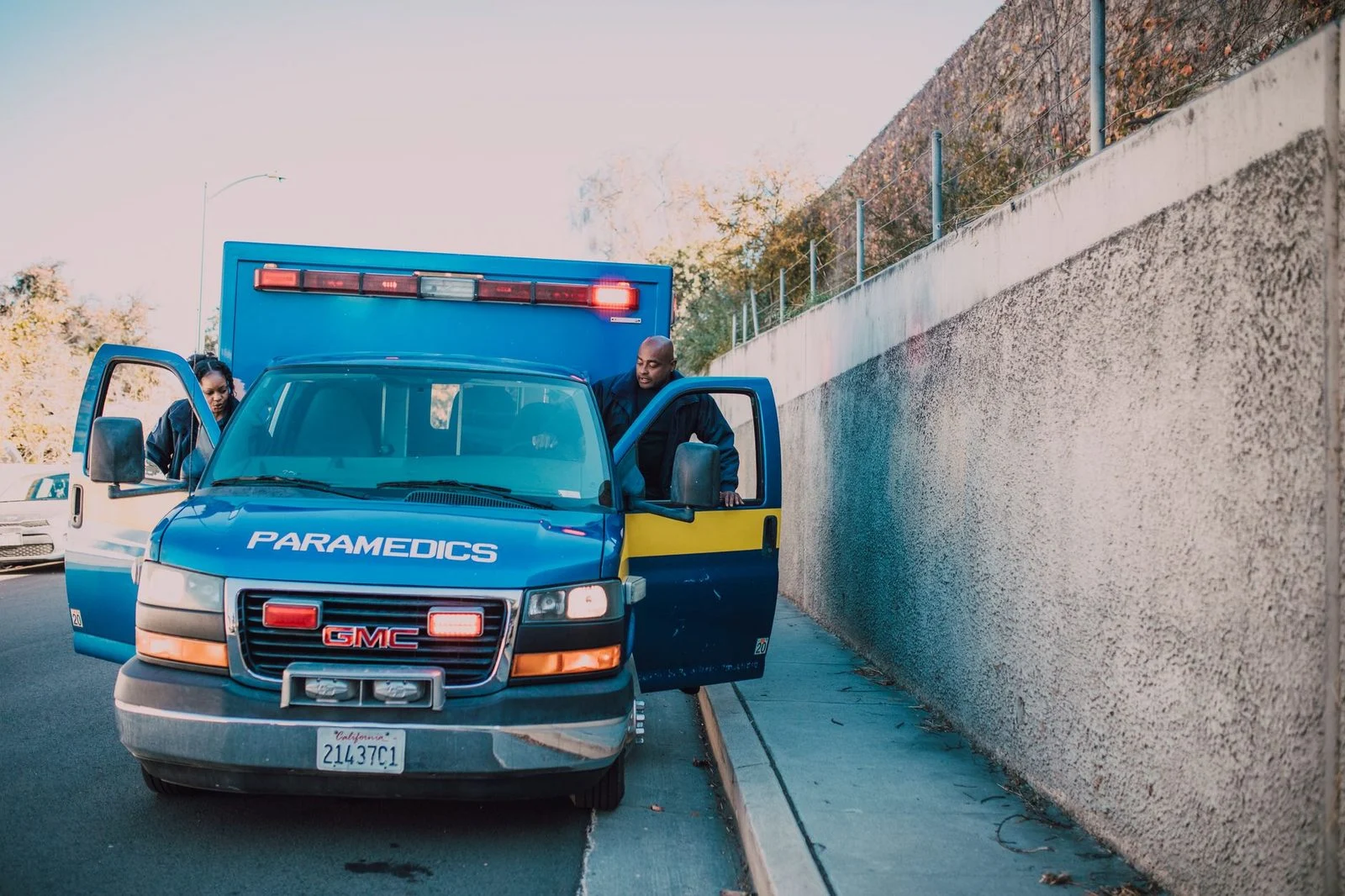
A fatal accident report is the official crash report written after a collision that causes a death. The investigating agency prepares it. For many state highway crashes, that agency is the CHP. For city streets, it is often local police.
Families usually need the report to understand what happened. It is not just paperwork. A crash report is often one of the first written records of the facts, and it can help you know what questions to ask.
A fatal crash also has a separate coroner or medical examiner process. That work focuses on the death itself. The crash report is a different record, so keep the two apart when you gather documents. For a Kern County death, the county coroner’s office handles that side of the investigation.
If you are holding a fatal crash report and wondering what it means for your family, our team can talk it through with you. Talk it through with our team — the first consultation is free, confidential, and carries no obligation.
What Does a Crash Report Usually Contain?
A crash report usually records the facts of the collision, the people involved, and what the officer saw. Its main parts include:
- Basic facts: date, time, location, roadway and weather conditions, and the vehicles and people involved.
- Witnesses: names of anyone the officer spoke with at the scene.
- The officer’s observations and conclusions, including any opinion about how the crash happened.
- Insurance information for each driver.
- Any traffic law violations the officer noted.
These items matter because they often shape early insurance discussions. They also help show the basis for liability. California law makes a person responsible for injury caused by a lack of ordinary care, and the facts in the report can bear on that question. An officer’s opinion is one view, not the final word. Other evidence can support it or challenge it.
Who Can Request a Fatal Accident Report in California?
The CHP publishes who may request a crash report and how to ask for one. The CHP crash report request page explains those steps.
Families often make the request after a death. Be ready to show your relationship to the person who died. If you are acting for the estate, bring proof of that authority too. Requirements vary by agency and by how you ask, so confirm what the agency needs before you send anything.
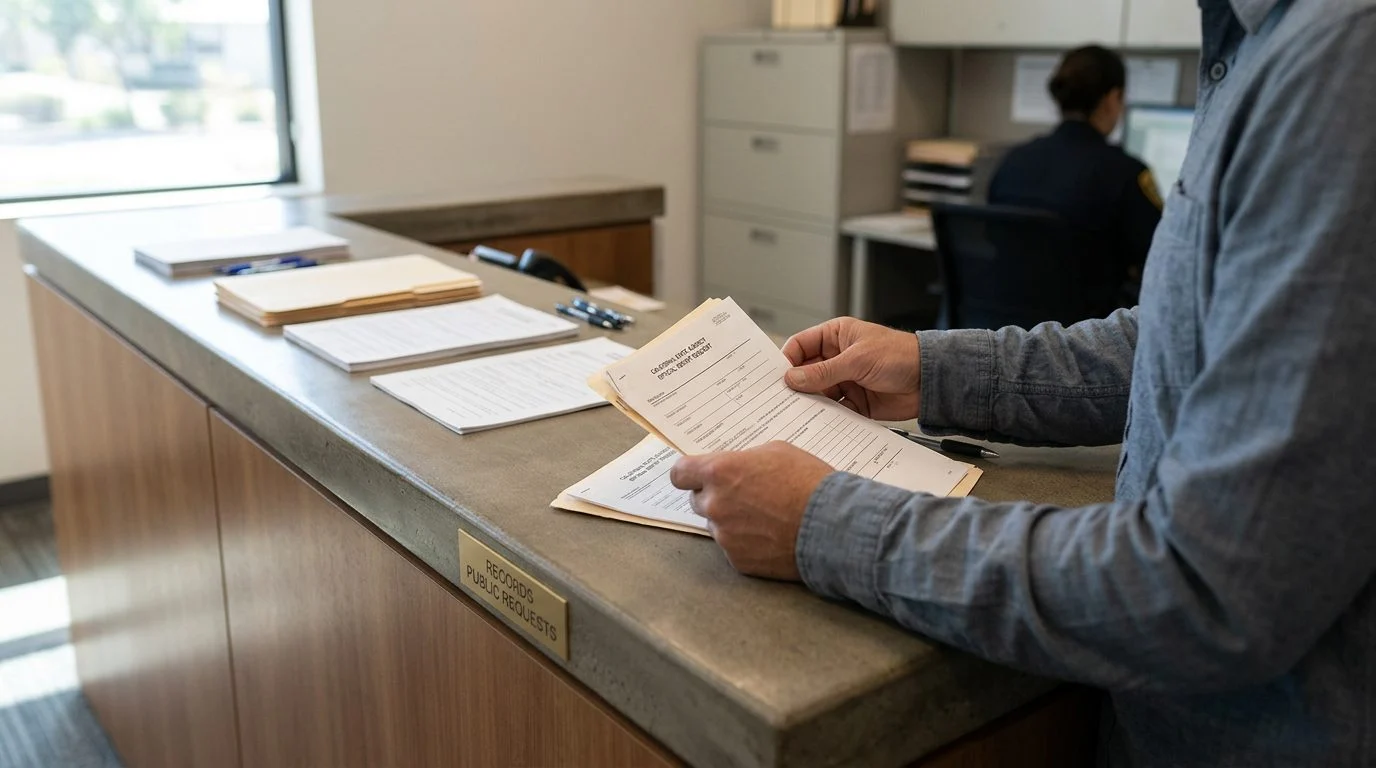
How Do You Request the Report From the CHP or Local Police?
Find the agency that responded, then use its request process. A crash on a state highway usually goes to the CHP. A crash on a city street often goes to local police. A crash in Bakersfield or elsewhere in Kern County can fall under either, depending on the road.
The CHP’s request page lists the ways to ask. Online access is available where the CHP offers it. You can also request by mail or in person at the right office.
Have these details ready:
- Date and location of the crash
- Names of the people involved
- Report or case number, if you have one
- Proof of your relationship to the deceased or your authority to act for the estate
The agency sets any fee for a copy, and the amount can change. Ask the agency for the current fee when you request the report.
How Long Do You Have to Report a Fatal Crash in California?
The driver can file personally or through an insurance agent, broker, or legal representative. The report goes to the state DMV on a department-approved form. Cal. Veh. Code § 16000 sets that rule, which applies to a crash from operating a vehicle on a street or highway (or a reportable off-highway crash) causing injury, death, or property damage over $1,000 to any one person, but no report is required if the vehicle was owned or leased by, or under the direction of, the United States, California, another state, or a local agency. The same section says that if no party reports the crash within one year, the DMV is not required to file a report on it. Cal. Veh. Code § 16000 reads: “(c) If none of the parties involved in an accident has reported the accident to the department under this section within one year following the date of the accident, the department is not required to file a report on the accident and the driver’s license suspension requirements of Section 16004 or 16070 do not apply.”
Under Cal. Veh. Code § 20001, a driver in a crash that causes injury or death must immediately stop at the scene.
These are driver duties. They do not set a deadline for families to request the agency’s report. Family deadlines work differently. For a wrongful death action, Cal. Code Civ. Proc. § 335.1 sets a two-year limit. If a public entity is involved, Cal. Gov. Code § 911.2 requires a claim for death to be presented within six months after the claim accrues.
How Does the Crash Report Fit Into a Wrongful Death Claim?
The crash report is one piece of evidence, not the whole claim. It helps connect the crash facts to other proof. That proof can include witness accounts, vehicle information, and medical and coroner records.
State law sets who may bring a wrongful death action. Cal. Code Civ. Proc. § 377.60 lists the decedent’s surviving spouse, domestic partner, and children, along with the issue of deceased children and, if there is no surviving issue, the persons entitled to the decedent’s property by intestate succession. It also allows the decedent’s personal representative to act on their behalf. Certain dependent relatives may also qualify, and a minor may qualify if they resided for the previous 180 days in the decedent’s household and were dependent on the decedent for one-half or more of their support.
Impaired driving raises a separate question. Punitive damages follow a different standard. Cal. Civ. Code § 3294 allows them, in an action for breach of an obligation not arising from contract, only when clear and convincing evidence shows oppression, fraud, or malice. Contact Colvin Accident Lawyers to discuss how those standards may apply to your facts.
Words of sympathy matter too. Cal. Evid. Code § 1160 keeps expressions of sympathy made to an injured person or their family from being used as an admission of liability in a civil action. A statement of fault is not protected by that section.
For the full claim process, read our guide to wrongful death claims in California.
Not sure what your next step is?
Talk it through with our team — the first consultation is free, confidential, and carries no obligation.
How Can You Read the Report With Someone Who Can Explain It?
Read the report slowly, and write your questions down. Crash reports use codes and abbreviations that are hard to follow while grieving. Note your questions about the officer’s conclusions, the witness list, and any violations listed.
Keep records of injuries and related costs as well. The California Department of Insurance auto accident guide advises documenting injuries and related expenses for an insurance claim.
How do I get a fatal accident report in California?
Request it from the agency that investigated the crash, usually the CHP or local police. The CHP offers online access where available, and also accepts requests by mail or in person.
How long do I have to report a crash in California?
A driver in a crash on a street or highway causing injury or death, or property damage over $1,000 to any one person, must report it within 10 days under Vehicle Code § 16000. That duty belongs to the driver, not to family members asking for a copy.
How long do I have to file a wrongful death case?
The deadline is two years under Code of Civil Procedure § 335.1 for an action for assault, battery, or injury to, or for the death of, an individual caused by the wrongful act or neglect of another. A claim for death, injury to person, or injury to personal property or growing crops must be presented not later than six months after the accrual of the cause of action under Government Code § 911.2; other claims have one year. The facts of each case matter, so get advice on yours.
If you are holding a fatal crash report and trying to understand what it means for your family, contact Colvin Accident Lawyers for a free, confidential initial consultation with no obligation to continue. Contact Colvin Accident Lawyers.
What to Have Ready Before You Request the Report
Crash details
The date, time, and location of the collision, plus the names of those involved if you know them.
Report or case number
If the agency gave you a reference number at the scene or afterward, include it. It helps the records office locate the file.
Proof of your relationship
Be ready to show identification and documents that confirm your connection to the decedent.
The right agency
Identify the agency that investigated the crash, such as the California Highway Patrol or the local police department.
How to Request a Fatal Accident Report
1. Confirm the investigating agency
Highway crashes are often investigated by the California Highway Patrol. Crashes on city streets are usually handled by local police. Knowing which agency responded tells you where to send your request.
2. Submit your request
Many agencies offer online access for some reports. Others accept requests by mail or in person at a records office. Check the agency's current process before you submit.
3. Pay any required copy fee
Agencies may charge a fee for certified or electronic copies. Fee amounts and payment methods vary by agency.
4. Review the report with counsel
A crash report records what the investigating officer observed and documented. Reviewing it with a lawyer can help you understand what it contains and what questions remain.
Plan Ahead for Processing Time
Records offices may take time to process requests, and fatal collision files can be more involved than routine reports. Send your request as early as you can and keep copies of what you submitted.
Not Sure Where to Start?
Talk With Us First. Your Initial Consultation Is Free, Confidential, and Comes With No Obligation to Continue.
Related practice areas
- How a Wrongful Death Claim Works in California | Colvin Accident Lawyers
- Kern County Coroner Role After a Fatal Crash | Colvin Accident Lawyers
- Can a Family Get Punitive Damages After a Drunk Driver Kills Someone in California? | Colvin Accident Lawyers
- How Long Does a Wrongful Death Case Take in California? | Colvin Accident Lawyers