Dog Bite Claims | Kern County and Central California
What Shapes a Dog Bite Settlement in California
Every dog bite claim turns on its own facts. Here is what injury lawyers at Colvin Accident Lawyers typically look at when discussing a dog bite claim.
By Donald Norman Colvin · Published October 28, 2026
Many people ask, what is the average dog bite settlement in California? The honest answer is that no single figure reliably predicts a claim. Each dog bite claim turns on its own injuries, medical records, proof of who was responsible, and the insurance that applies. This page explains why one average can mislead and which California rules shape what a claim may be worth. It is general information about state law. If a dog bit you or someone you love, the questions can pile up fast.
Why a Single “Average” Dog Bite Settlement Is Hard to Pin Down
A single average number is not a reliable guide for one injured person. Most dog bite claims end through private negotiation, and only a few reach a court judgment. The terms of a private deal usually stay between the parties. That means no one has a complete, consistent list of outcomes to average.
A figure from one case reflects that case alone. Its injuries, its proof of fault, and its insurance belonged to that claim. Your claim has its own set of facts, and those facts drive the value.
Two bites can look alike and still lead to very different claims. One bite may need a few stitches and a short recovery. Another may require surgery, leave nerve damage, or leave a scar that lasts for years. Who owned the dog, where the bite happened, and what the injured person was doing also matter.
An average cannot account for your medical bills, your time off work, or the way the injury changed your daily life. Those details are the reason a single number misleads.
If a dog bite has left you or your child with bills and hard questions, you don't have to sort them out alone. Our team offers a free, confidential first consultation. Talk it through with our team — the first consultation is free, confidential, and carries no obligation.
California’s Strict Liability Rule for Dog Bites
Under California’s strict liability rule, a dog’s owner can be liable for a bite even without proof of carelessness. Under Cal. Civ. Code § 3342(a), the owner of a dog is liable for the damages suffered by a person bitten while in a public place or lawfully on private property, subject to the exceptions in subdivisions (b) through (d) for certain governmental police or military dogs. The rule comes from Cal. Civ. Code § 3342.
The statute says the owner is liable “regardless of the former viciousness of the dog or the owner’s knowledge of such viciousness.” In plain words, the injured person does not have to prove the dog had a dangerous past. This is called strict liability (liability without proof the owner was careless).
The word “lawfully” matters. A person is lawfully on private property when present there to perform a duty that state law or federal or postal rules impose. A person is also lawfully there when the owner invited them, openly or by implication. A guest or visitor may fit this test. Someone who entered without permission may not.
Strict liability tells you who may be responsible. It does not set the amount of a claim. They show how these ideas are framed for juries.
The Factors That Shape the Value of a Dog Bite Claim
The injury, its lasting effects, and the proof of fault shape a claim’s value more than any single rule. Insurers and courts commonly weigh several factors when they look at a dog bite.
- Severity and location. A deep bite to the hand or face can carry different consequences than a shallow bite to a leg.
- Scarring or disfigurement. Permanent marks can affect both appearance and how a person feels about themselves.
- Surgery or reconstructive care. Operations and later procedures add medical costs and recovery time.
- Permanence. An injury that may last for years or for life often differs in value from one that heals fully.
- Age. A bite to a young child is often evaluated differently, because the child may live with the effects for decades.
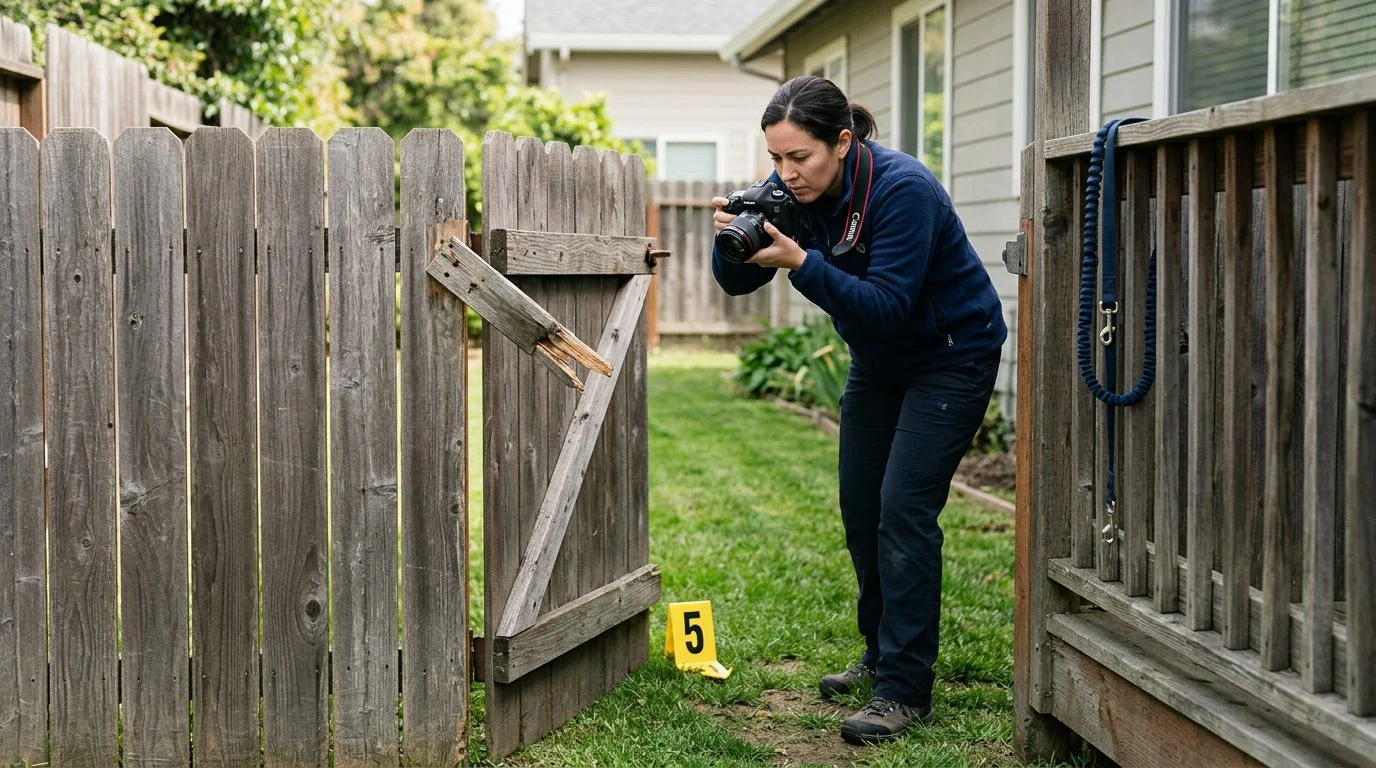
Liability evidence matters too. Witness statements, photos taken soon after the bite, and animal control records can show how the bite happened and who was responsible. Strong proof gives negotiations a firmer footing. Weak proof leaves more room for dispute.
Economic and Non-Economic Damages in a Dog Bite Case
Economic damages are losses you can prove with bills and pay records. Non-economic damages are harder-to-price losses, such as pain and emotional distress. Both kinds can be part of a dog bite claim.
California defines economic damages as “objectively verifiable monetary losses.” These include medical expenses, loss of earnings, and loss of use of property. Cal. Civ. Code § 1431.2 defines non-economic damages as “subjective, non-monetary losses.” Examples include pain, suffering, inconvenience, and emotional distress.
Non-economic damages have no fixed formula. Two people with the same bills can have very different pain, scarring, and loss of enjoyment. That is one reason no single average can capture a claim.
Under Cal. Civ. Code § 3333, damages for a breach of a non-contract obligation compensate for “all the detriment proximately caused.” In plain terms, the goal is to cover the harm the injury caused.
Section 1431.2 also limits how defendants share non-economic damages in cases based on comparative fault. Each defendant is liable only for its own percentage of fault for non-economic damages, and a separate judgment is entered against each one. The owner’s liability insurance, often a homeowner’s or renter’s policy, and its limits can affect how much may be collected.
Why Medical Treatment and Records Matter to a Claim
Medical records are the main proof that a bite caused your injuries and the costs that followed. Keep records from the first visit onward, because the timeline matters.
A strong file usually includes:
- Emergency or urgent care notes that record the wound and the diagnosis
- Follow-up visits, wound checks, and any surgery reports
- Physical therapy or other care that a provider recommended
- Bills, receipts, and prescription labels
- Photos of the wound as it heals, plus a simple journal of pain, sleep, and missed work
Treatment gaps can create problems. If records show a long break in care, an insurer may question whether the bite caused later symptoms. A gap is a point the other side may raise. A clear reason for a delay, such as cost or a referral that took time, helps the record make sense.
Good records also protect you. They show, step by step, what the injury required. That makes the claim easier to explain to an adjuster or a judge.
How Bite Severity Is Classified and Why It Matters
Doctors describe a dog bite’s severity by how deep the wound goes and how many punctures or tears it has. This description helps the medical team plan care. It also shapes how the injuries are described in a claim.
More severe bites usually involve more treatment. That can mean wound cleaning, stitches or staples, antibiotics for infection, surgery, or repair of tendons, nerves, or bone. Each step creates records and bills that document what the bite required.
Severity describes the injury. It does not decide a claim by itself. The wound’s description is one input. Liability proof, documented costs, and insurance coverage all play a part in the claim’s value.
If you are unsure how your bite was described, ask the provider who treated you. Their notes are a key part of your file.
Not sure what your next step is?
Talk it through with our team — the first consultation is free, confidential, and carries no obligation.
Comparative Fault and the Filing Deadline in California
Under Code Civ. Proc. § 335.1, an action for assault, battery, or injury to, or death of, an individual caused by another’s wrongful act or neglect must be brought within two years.
Cal. Code Civ. Proc. § 335.1 sets a two-year limit for an action for injury to, or death of, an individual caused by another’s wrongful act or neglect. Deadlines can vary with the facts, so the date that applies to your claim needs a careful check.
Cal. Code Civ. Proc. § 352 pauses the clock for a person who was a minor, or who lacked legal capacity to make decisions, when the claim arose. That pause does not apply to a claim against a public entity or public employee that must first be presented under the Government Code. Claims that follow a fatal dog attack also face time limits. Our wrongful death lawyer page covers that topic.
Common Questions About Dog Bite Settlements in California
Many dog bite claims resolve through settlement, and settled amounts differ from one claim to the next.
Is a settlement the same as a court verdict?
No. A settlement is an agreement reached before a judgment, while a verdict is a decision after trial.
Does one case’s result predict my claim?
No. Each claim depends on its own injuries, evidence, and insurance coverage.
Does a bite have to be serious to make a claim?
Severity affects the damages in a claim. Even a smaller injury can still produce medical bills and other losses.
Do I need to prove the dog was dangerous?
Under Cal. Civ. Code § 3342, the owner is liable for the damages suffered by a person bitten while in a public place or lawfully in a private place, regardless of the dog’s former viciousness or the owner’s knowledge of it, although subdivisions (b) through (d) exclude certain bites by governmental police or military dogs.
Talk With a Dog Bite Lawyer About Your Situation
Talking with a dog bite lawyer can help you sort out your facts, your records, and your deadline. You may be reading this while a bite is still healing. A child may need follow-up care. Your family may be sorting through medical bills and insurance calls after a fatal attack. Those moments are hard, and the decisions in front of you can feel urgent.
The questions that matter most, such as what your claim may be worth and which deadline applies, turn on your specific facts and records. The rules above apply differently to each person.
If you’d like to talk through your situation, you can request a free, confidential first consultation with no obligation to continue. Colvin Accident Lawyers is based in Bakersfield, California. Donald Norman Colvin is the responsible lawyer for this page. Request your free consultation.
Factors That Often Come Up in a Dog Bite Claim
Severity of the injury
Puncture wounds, nerve or tendon damage, infections, and the need for surgery or follow-up care all affect how a claim is evaluated.
Medical records and bills
Records of emergency treatment, physical therapy, prescriptions, and future care help document what the bite has cost you so far.
Scarring and permanent harm
Visible scars, disfigurement, and lasting limitations are part of the picture, especially when they affect daily life or work.
Lost income
Time away from work, reduced hours, or a change in job duties can be documented and included in the discussion of damages.
Insurance coverage
Homeowners and renters policies often respond to dog bite claims, and available coverage can shape how a settlement is negotiated.
Where and how the bite happened
The location of the bite, what the dog was doing, and whether witnesses or photos exist are facts we review carefully.
Before You Accept an Offer
An insurance adjuster may contact you quickly and offer a payment. Speak with a lawyer before you sign a release or give a recorded statement, so you understand your injuries and the full scope of your claim.
Steps That Help Protect Your Claim
Get medical care
See a doctor right away, even if the wound looks minor. Follow the treatment plan and keep every record.
Document the scene
Photograph your injuries, the location, and the dog if possible. Write down the owner's name and any witness contact information.
Keep a written log
Track pain, sleep, missed work, and daily limitations. This record can support the details of your claim.
Talk with a lawyer first
Consult with Colvin Accident Lawyers before speaking with an insurer at length. Your first consultation is free, confidential, and without obligation.
Have Questions About Your Dog Bite Claim?
Related practice areas
- Wrongful Death Claims in Bakersfield and Kern County: A Family’s Guide to Filing