A Missing Criminal Charge Does Not End a Wrongful Death Claim
What a Missing Charge Does and Does Not Mean
The crash evidence carries weight
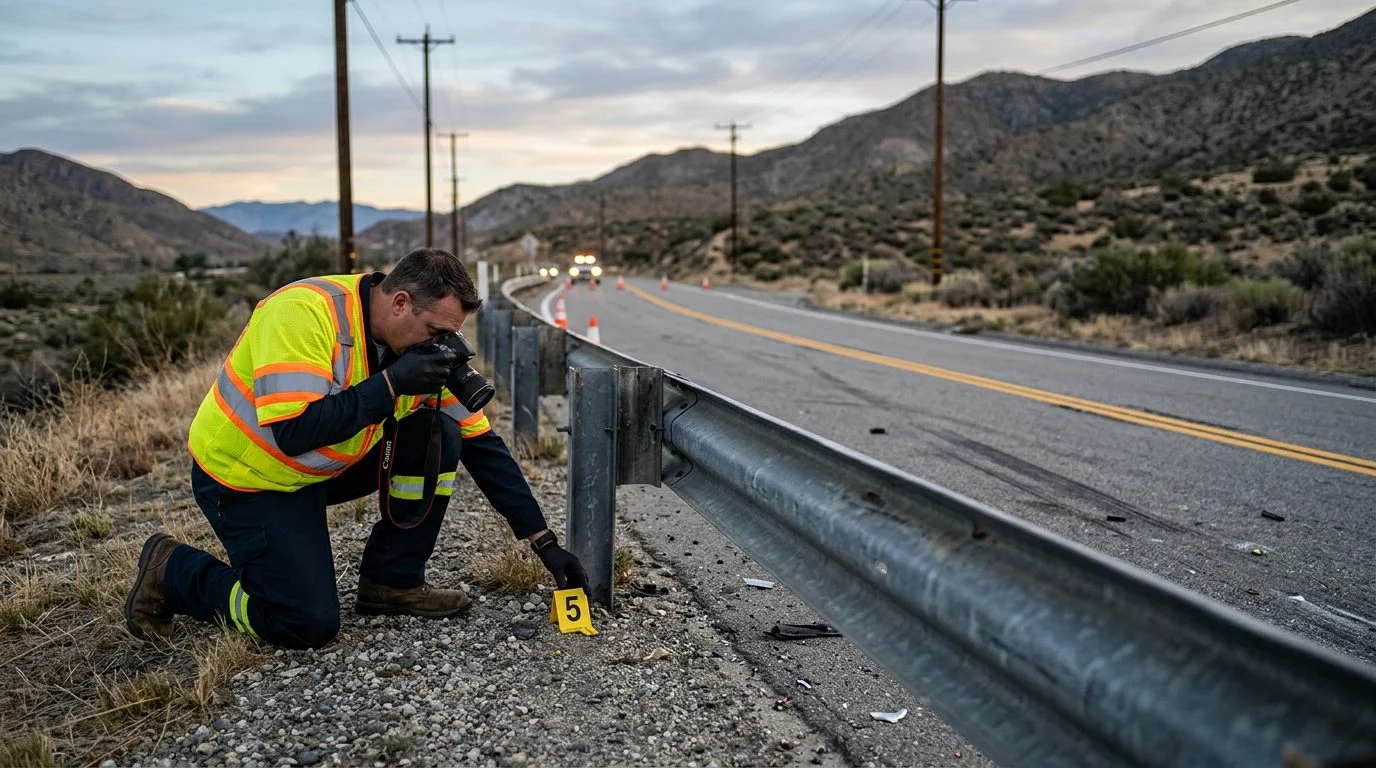
Police records, witness accounts, photographs, and vehicle data can all bear on how the crash happened.
Talk with us about your situation
Our team can review what happened and explain the options your family may have.
By Donald Norman Colvin · Published November 24, 2026
If the driver was never arrested or charged, you may wonder whether a lawsuit is still possible. The civil case asks a different question: did someone’s negligence cause the death, and what losses did the family suffer? This guide explains how that works, who can file, and the deadlines to watch.
Short Answer: A Criminal Charge Is Not Required for a Civil Claim
Criminal charges and civil claims run on separate tracks. A prosecutor decides whether to file charges based on the prosecutor’s own review. A civil claim is brought by the people the law allows to sue, and it is built on the facts of the crash.
California’s wrongful death law covers a death caused by “the wrongful act or neglect of another” (California wrongful death statute). The civil question is whether a driver’s negligence caused the death, and what the surviving family can recover. A missing charge does not answer that question either way. For the wider framework, read our wrongful death lawyer guide.
If the driver in your loved one’s crash was never charged, you may still have a civil claim, and our team can talk through your family’s facts with you. Talk it through with our team — the first consultation is free, confidential, and carries no obligation.
What Negligence Means in a Fatal Crash
Negligence is the failure to use reasonable care, and a driver can be negligent by acting or by failing to act. The test is what a reasonably careful driver would have done in the same situation (jury instruction on negligence).
Speed is a common example. California law says no one may drive faster than is reasonable or prudent for the weather, visibility, traffic, and the road. No one may drive at a speed that endangers people or property (Vehicle Code § 22350). Phone use is another example.
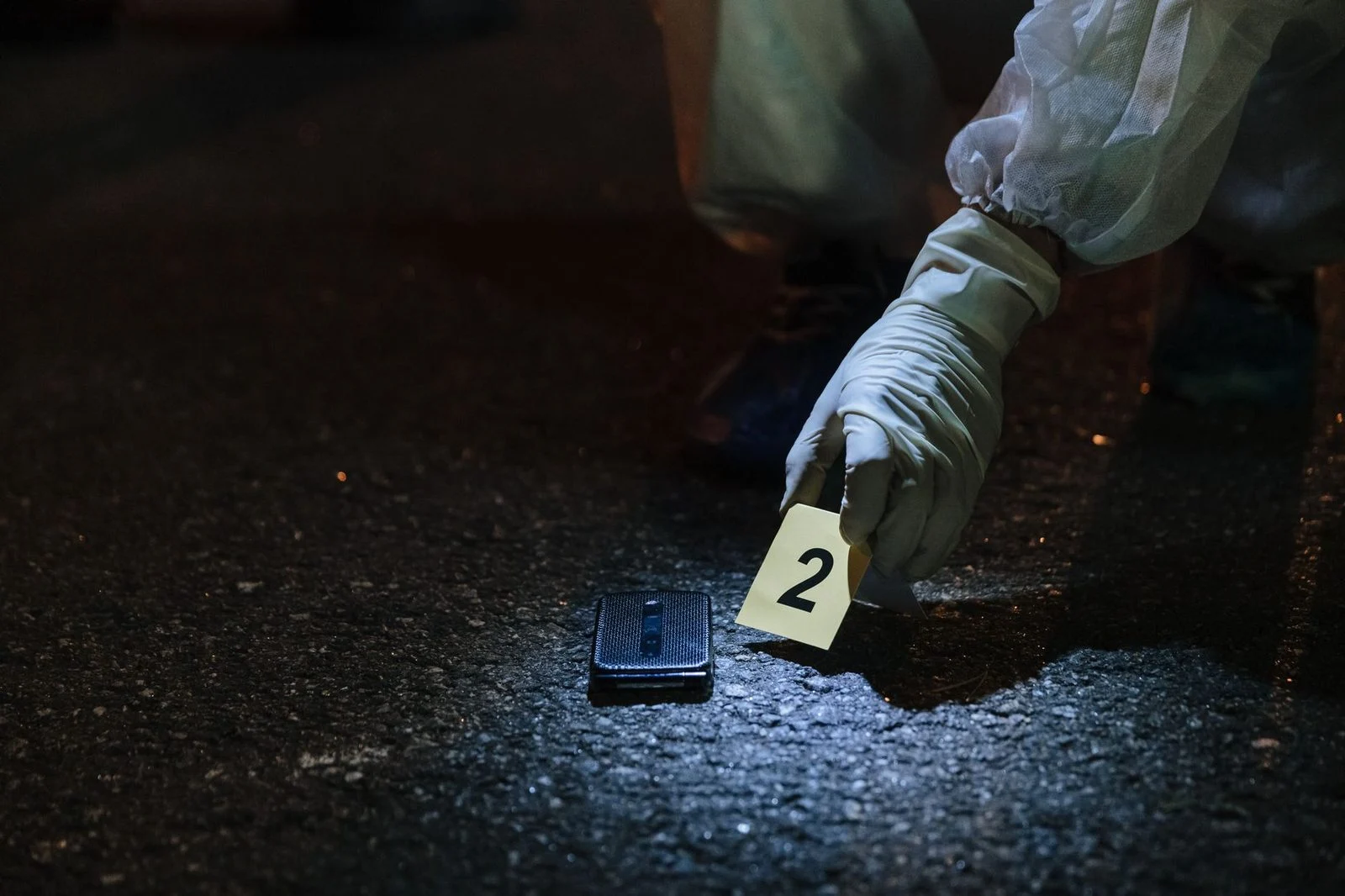
A driver who got no ticket may still have been speeding or distracted. Investigators look at the whole crash. They study road conditions, traffic signals, and how each vehicle moved. Crash reconstruction can show the order of events. In a civil case, that evidence often matters more than the charging decision.
Who Can Bring a Wrongful Death Claim in California
The surviving spouse, domestic partner, and children of the person who died can usually bring the claim. If the decedent has no surviving issue, the people who would inherit the property through intestate succession, including the surviving spouse or domestic partner, may sue (Code of Civil Procedure § 377.60).
Others can sue too. A putative spouse, children of the putative spouse, stepchildren, parents, or the decedent’s legal guardians (if the parents are deceased) may bring a claim if they were dependent on the person who died. That can include a putative spouse, stepchildren, parents, or a guardian when the parents have died. A minor may sue if they lived in the household for the previous 180 days and relied on the person for half or more of their support. A personal representative of the estate may also bring the action on the family’s behalf.
The family’s relationship to the person who died determines who may file, and the decedent’s personal representative may also bring the claim on their behalf.
Civil Case vs. Criminal Case: Different Standards of Proof
That difference matters. Different people make these calls, too. A prosecutor decides whether to file charges. A judge or jury decides a civil case based on the evidence presented in that case.
Families often hear that no charges means no case. That idea is a misunderstanding. The civil claim stands on its own record, so the family’s evidence matters more than whether a charge was filed.
How Negligence Is Proven When No Charge Was Filed
Without a charge, the family proves negligence with evidence from the crash itself. That evidence often includes the police collision report, witness statements, photos of the scene and vehicles, and damage patterns. Video from businesses or traffic cameras can help too, along with vehicle data and phone records where they are available.
A traffic law violation can carry real weight. Under Evidence Code § 669, a presumption of failure of due care can arise when a person violated a statute, ordinance, or regulation of a public entity, but only if the violation proximately caused the injury and the injury is of the kind the statute was designed to prevent. The person who died must also belong to the group the rule protects (Evidence Code § 669). The driver can answer that presumption by showing they did what an ordinarily prudent person would have done.
Comparative fault can also reduce recovery. If the person who died was partly at fault, damages are reduced by that person’s share. California follows this approach, as Li v. Yellow Cab Co. established. Whether the evidence in a particular crash is strong enough depends on the facts of that crash.
Deadlines: Two Years for Most Claims, Six Months for Public Entities
For uninsured motorist claims under Insurance Code § 11580.2, no cause of action accrues to the insured unless, within two years from the date of the accident, suit for bodily injury has been filed against the uninsured motorist or another listed action has been taken. California’s two-year limit covers actions for the death of an individual caused by another’s wrongful act or neglect (Code of Civil Procedure § 335.1). Nothing in that section ties the deadline to a criminal charge. Families should not assume the clock waits for a criminal case.
Public entities have a shorter clock. If a city, county, or state agency may share fault, such as for a dangerous road or a faulty signal, a claim must be presented to the agency. For a death, that claim must be presented not later than six months after the claim accrues (Government Code § 911.2).
Not sure what your next step is?
Talk it through with our team — the first consultation is free, confidential, and carries no obligation.
Other Parties and Insurance When No One Was Charged
Other parties may share responsibility. An employer may be a party when the driver was working for it. Insurance may also be available even without a charge.
If the driver cannot be identified, the family’s own uninsured motorist coverage may apply. California’s uninsured motorist statute sets early reporting steps for that kind of claim. Where the unidentified car made physical contact, the accident must be reported within 24 hours to the city police, or to the county sheriff or local California Highway Patrol if it happened in unincorporated territory. A sworn statement must then be filed with the insurer within 30 days (Insurance Code § 11580.2). Those dates come early, so families should note them from the start.
Medicare can also be involved. When a person with Medicare is hurt in an accident involving liability insurance, that insurance pays first. Medicare pays second (CMS Medicare Secondary Payer overview). Bills from the crash should be kept and sorted by payer.
Next Steps for a Family Whose Loved One Was Killed
Start by keeping every record from the crash and writing down every date. Keep the collision report, medical and funeral bills, and any letters from insurers or government offices. Write down what witnesses said while memories are fresh. Note the date of death and any date a government notice was sent.
A civil claim is decided on the evidence, not on whether a prosecutor filed charges. The missing charge is one fact among many. Colvin Accident Lawyers is based in Bakersfield, California. Donald Norman Colvin is the responsible lawyer for this page. Our initial consultation is free, confidential, and without obligation to continue.
Frequently Asked Questions
Can I sue for wrongful death if the driver was never charged?
Yes. A civil wrongful death claim does not require a criminal charge against the driver.
For claims against a private driver for assault, battery, or injury to or death of an individual caused by the driver’s wrongful act or neglect, the two-year limit in Code of Civil Procedure § 335.1 applies.
Does a missing charge mean the driver did nothing wrong?
No. A missing charge does not prove the driver was careful or at fault. The evidence from the crash decides the civil claim.
If the driver in your loved one’s crash was never charged, you may still have a civil claim, and you don’t have to sort out the deadlines alone. Contact Colvin Accident Lawyers to talk through your family’s situation.
Do Not Assume the Driver Was Not at Fault
The absence of charges is not proof that the driver was careful. Keep copies of the police report, photographs, and medical records, and avoid discussing the crash on social media.

Questions Families Ask After a Fatal Crash
Can our family act?
Families often wonder whether they can pursue a claim. We can review your family’s situation at a free consultation.
What evidence is used?
Police reports, witness statements, photos, and vehicle data can all be relevant to a civil wrongful death claim.
Does a no-charge decision end it?
No.
Free first consultation
The first consultation is free, confidential, and carries no obligation to continue.