Bakersfield · Wrongful Death · Drunk Driver Crashes
Losing someone to a drunk driver changes everything. We can help you take the next step.
Colvin Accident Lawyers works with grieving families in Kern County and nearby communities, handling the legal questions while you focus on each other.
Your first conversation with Colvin Accident Lawyers
Free
The first consultation carries no cost
Confidential
What you share with us stays private
By Donald Norman Colvin · Published November 15, 2026
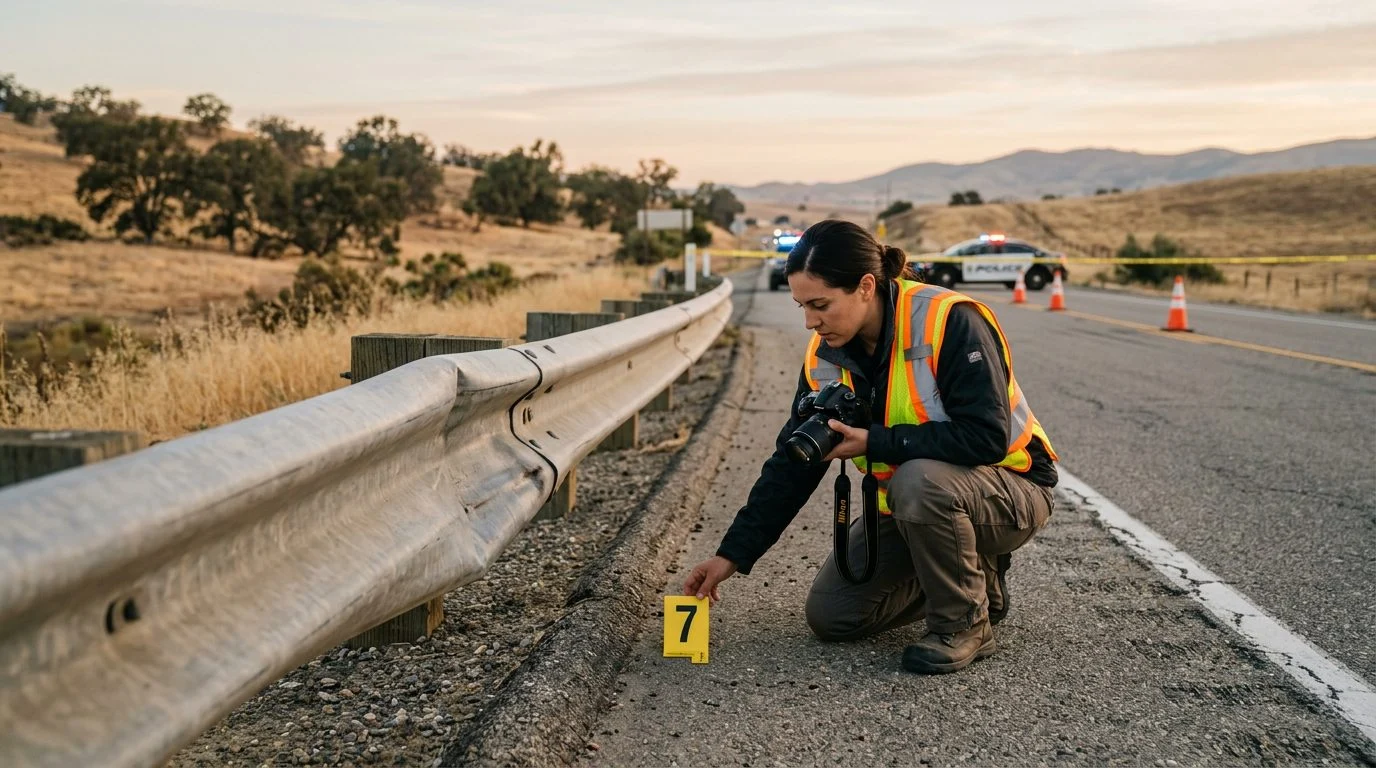
Losing someone in a crash is hard, and the questions come quickly. If a drunk driver caused a death, you may be asking who can bring a claim and what it can cover. In California, certain surviving family members can file a wrongful death claim against the person whose wrongful act caused the death. This page explains who may file, what losses a claim may include, what evidence matters, and the filing deadline. Colvin Accident Lawyers is based in Bakersfield.
What a Wrongful Death Claim Means After a Drunk Driving Crash
A wrongful death claim is a civil lawsuit that only certain persons named in the statute, or the decedent’s personal representative on their behalf, may bring after another person’s wrongful act or neglect causes a death. California law sets out who may assert that claim (Code Civ. Proc. § 377.60).
Driving under the influence is a crime in California. It is unlawful to drive with 0.08 percent or more, by weight, of alcohol in the blood (Veh. Code § 23152).
A criminal case is brought by the state, and it addresses the driver’s conduct under criminal law. A wrongful death claim is brought by the family, and it seeks money for losses. Families often hear about the criminal case first, but the civil claim is its own path.
Some losses belong to the person who died. Others belong to the family members who lost that person. Many families are asking these questions while planning a funeral or caring for children. Clear basics can help you decide what to ask next.
If a drunk driver caused the death of someone you love, you may have a claim, and our team is ready to listen and talk through what happened. Talk it through with our team — the first consultation is free, confidential, and carries no obligation.
Who Can File and How the At-Fault Driver Changes the Claim
Under California law, a surviving spouse, domestic partner, or child can bring a wrongful death claim. If there is no surviving issue, the persons who would inherit the decedent’s property through intestate succession may sue (Code Civ. Proc. § 377.60).
Other relatives may also sue. Under the same statute, dependent parents, stepchildren, the putative spouse, and the putative spouse’s children may sue if they depended on the person who died. Legal guardians may sue in the parents’ place if the parents are deceased, but only if the parents would have been entitled to sue or the guardians depended on the decedent. A minor may sue if the minor lived in the decedent’s household for the previous 180 days and relied on the decedent for one-half or more of support.
A personal representative of the decedent can also bring the claim on the family’s behalf. This person acts for the decedent’s estate in the case.
If the drunk driver also died, other people or insurers may still be responsible. California makes a vehicle owner liable for death or injury resulting from a negligent or wrongful act or omission in driving the car by a person using it with the owner’s express or implied permission (Veh. Code § 17150). When that owner liability does not arise through agency or employment, it is capped at $15,000 for one person’s death or injury and $30,000 for more than one person in one accident (Veh. Code § 17151).
What a Drunk Driving Wrongful Death Claim Can Cover
The losses in these claims fall into several groups, and which ones apply depends on the facts of each case.
- Economic losses. California defines these as objectively verifiable monetary losses, including medical expenses, loss of earnings, and burial costs (Civ. Code § 1431.2). Bills, receipts, and pay records usually document them.
- In a separate survival action brought by the decedent’s personal representative or successor in interest on the decedent’s own cause of action, damages are limited to the loss or damage the decedent sustained or incurred before death and do not include pain, suffering, or disfigurement. The exception is an action that was granted a trial preference before January 1, 2022, or was filed on or after January 1, 2022, and before January 1, 2026, where those damages may be recoverable (Code Civ. Proc. § 377.34).
- Non-economic losses. The same Civil Code section describes these as subjective losses. Examples include loss of society and companionship and loss of consortium (Civ. Code § 1431.2).
- Several liability. For non-economic damages, each defendant is liable only for its own percentage of fault (Civ. Code § 1431.2).
- Punitive damages. These require proof by clear and convincing evidence that the defendant was guilty of oppression, fraud, or malice (Civ. Code § 3294). Malice can include despicable conduct done with willful and conscious disregard of others’ safety. Whether a specific crash meets that standard turns on the evidence.
Evidence That Proves Intoxication and Liability
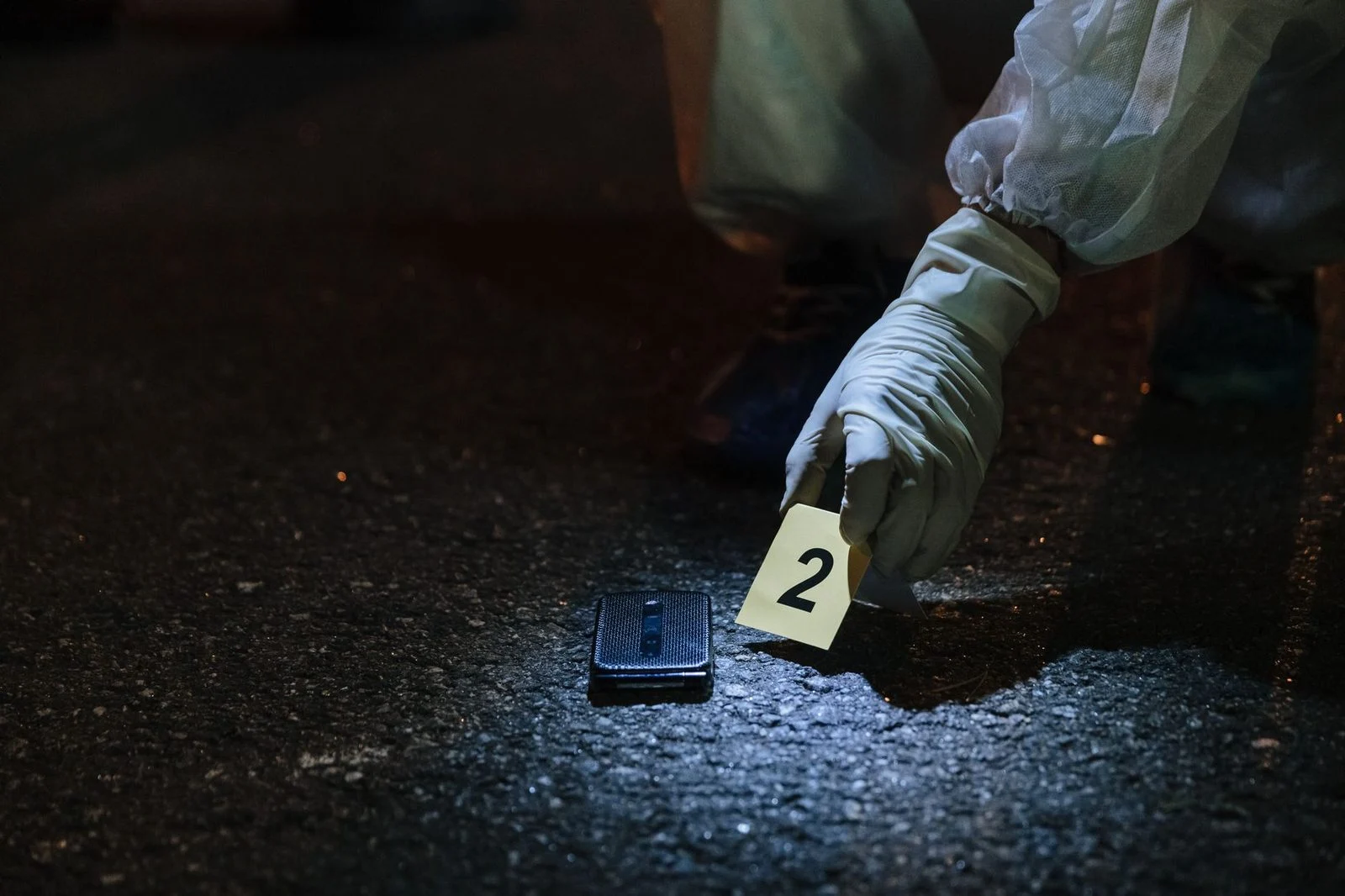
Proof of intoxication starts with chemical test results and the official crash record. Other records fill in the timeline.
- Police records. The crash report, officer observations, and any field sobriety records describe the scene and the driver’s condition.
- Chemical tests. Blood or breath results matter most. In a criminal prosecution, a test within three hours after driving that shows 0.08 percent or more creates a rebuttable presumption of that level at the time of driving (Veh. Code § 23152).
- Medical and coroner records. Toxicology reports and hospital records document the timing of injuries and the cause of death.
- Where drinks were bought. Bar, restaurant, or party receipts, plus witness accounts, can show where and when alcohol was consumed.
- Electronic data. 911 recordings, traffic camera footage, and vehicle event data can show timing and braking before impact. Some of this material is overwritten or lost over time, so early requests help.
- Criminal case records. Filings against the driver can be relevant to the civil claim.
A police report is a starting point, not the whole record. Toxicology, vehicle data, and witness accounts often fill gaps the report leaves open.
Insurance Limits and Other Sources of Recovery
The at-fault driver’s auto insurance limit is often the first number that matters. California sets minimum bodily injury liability limits. For policies issued or renewed on or after January 1, 2025, the minimum is $30,000 for one person and $60,000 for two or more persons in one accident (Veh. Code § 16056). Older policies may carry the lower minimums of $15,000 and $30,000 under the same section.
Policy limits, not the size of the loss, cap what liability insurance pays. Some drivers carry only the minimum, and others carry more.
Uninsured motorist coverage is another source. California requires it in auto policies for bodily injury or wrongful death, unless the insured and insurer agree in writing to delete or reduce it (Ins. Code § 11580.2). That coverage may matter when the at-fault driver has no insurance. The statute also counts a vehicle as uninsured when its liability insurer is unable to pay within the policy limits because of insolvency, and that insolvency must occur within one year of the accident, and the accident must occur during a policy period in which the insured’s motor vehicle coverage is in effect (Ins. Code § 11580.2).
Our team looks at each possible source of coverage, including owner liability and a family’s own policy, before advising on a claim.
Deadlines and What to Expect, Step by Step
California generally gives two years to file a lawsuit for a death caused by another person’s wrongful act (Code Civ. Proc. § 335.1). Waiting can cost a family its chance to sue, so early review matters.
- Intake and first consultation. You share what happened and the questions your family has. La consulta inicial es gratuita, confidencial y sin compromiso de continuar. (The initial consultation is free, confidential, and carries no obligation to continue.)
- Preservation and records requests. Our team can send preservation letters and request the police report, toxicology results, coroner and hospital records, and vehicle data.
- Notice to insurers. The claim is presented to the insurers involved, with the evidence that supports it.
- Negotiation, suit, and discovery. Some claims resolve through negotiation. If they do not, a lawsuit may be filed, followed by discovery, depositions, and possibly mediation or trial.
Each step can take a different amount of time.
Not sure what your next step is?
Talk it through with our team — the first consultation is free, confidential, and carries no obligation.
What Colvin Accident Lawyers Offers in These Cases
Colvin Accident Lawyers is based in Bakersfield, in Kern County. The firm handles wrongful death cases along with car, truck, motorcycle, bicycle, pedestrian, bus, train, dog bite, premises liability, and catastrophic injury claims.
Donald Norman Colvin is the responsible lawyer for this page. Our team supports the work of gathering records, tracking deadlines, and communicating with insurers and families.
In a wrongful death matter, the work centers on the evidence described above. Clear communication with the family runs through the case from start to finish. No lawyer can say in advance how a case will turn out.
Frequently Asked Questions and Your Next Step
Who can file a wrongful death claim after a drunk driving crash?
Surviving spouses, domestic partners, children, and certain dependent relatives can file. A personal representative of the decedent can also bring the claim.
How much of a settlement will I get?
No amount can be predicted in advance, because each case has different losses, insurance, and facts.
Is a wrongful death lawsuit worth it?
That question turns on the losses, the evidence, and the insurance involved. Our team can review those facts with you.
What if the drunk driver died in the crash?
A claim may still reach the vehicle owner or insurers, within the limits described above.
If a drunk driver took someone you love, you may still be sorting through what happened. You may have a claim, and our team is ready to listen. You can call Colvin Accident Lawyers or use our contact form.
Donald Norman Colvin, Colvin Accident Lawyers, Bakersfield, California — responsible for this site.
How our team approaches these cases
Compassion first
We understand that a family's grief does not follow a schedule. We listen first and move at a pace that works for you.
Clear explanations
We explain the legal process in plain English so you know what to expect and can make informed decisions.
Families across the region
We represent families in Kern County, Fresno, Visalia, Lancaster, Palmdale, Delano and Tehachapi.
Confidential consultation
Our first consultation is free, confidential and carries no obligation to continue. You decide whether to move forward.
Be careful with insurance calls
Insurance representatives may reach out soon after a fatal crash. Before you give a recorded statement or sign any paperwork, talk with a lawyer about what you are being asked to do.
What to expect when you reach out
1. Tell us what happened
Share the basic facts of the crash and your family's situation. You can start with a phone call or our online form.
2. Receive a clear review
We review the facts with you, including the police report and the people involved, and explain the questions that matter most.
3. Decide your next step
There is no obligation to continue. If you choose to move forward, we explain how we will work together and what happens next.