Wrongful Death | Bakersfield, CA
Can You Sue the Estate of a Driver Who Died in a Crash?
A driver's death does not always end the conversation about what happened. Here is how these claims are usually approached in California, and what families often ask first.
By Donald Norman Colvin · Published November 22, 2026
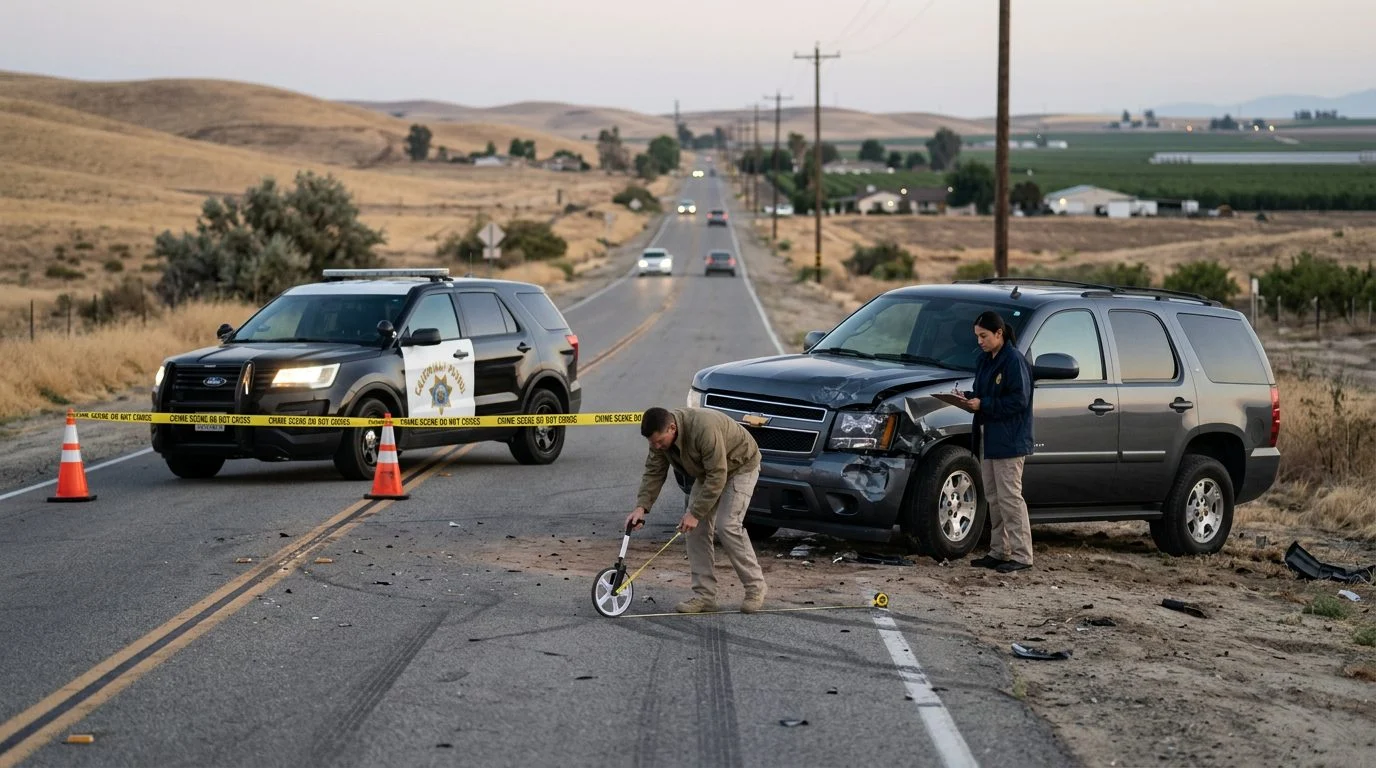
A family member died in a crash, and the driver who caused it has also died. Can you sue that driver’s estate in California? In many situations, yes. A claim can be pursued against the estate, and the driver’s auto liability insurance may be the main source of payment. Whether a particular claim can go forward turns on the crash itself, the people entitled to bring it, and the deadlines that apply.
The Short Answer: Yes, in Many Situations
The claim goes to the personal representative, the person who manages the driver’s estate. California law says a cause of action against a person who has died that survives may be asserted against that representative, subject to the probate creditor-claim rules (Code of Civil Procedure § 377.40). That means a claim against the estate follows the creditor-claim process, not an ordinary lawsuit against a living person. The estate is only one source of recovery. The driver’s auto liability insurance can matter just as much, because the policy may be the fund that actually pays. Other responsible parties, such as the owner of the vehicle or an employer, can also be part of the picture. Which parties matter depends on how the crash happened.
If a family member died in a crash and the driver has died too, we can talk through whether a claim against the driver's estate and insurance may be possible for your family. Talk it through with our team — the first consultation is free, confidential, and carries no obligation.
Who Can Bring a Wrongful Death Claim in California
California law names the people who may bring a wrongful death claim. Under Code of Civil Procedure § 377.60, the decedent’s surviving spouse, domestic partner, and children may bring it, along with the issue of deceased children. Persons who would inherit the decedent’s property under intestate succession, the state’s inheritance rules when there is no will, may also bring it. Certain dependents may bring the claim too, even if they fall outside that first group, if they were dependent on the decedent: the putative spouse, children of the putative spouse, stepchildren, parents, or the legal guardians of the decedent if the parents are deceased. That includes a stepchild or a parent who depended on the decedent. A minor may bring it if the minor lived in the decedent’s household for the previous 180 days and depended on the decedent for at least half of their support. The decedent’s personal representative can also bring the action on their behalf. Eligibility is set by statute, so it is a separate question from whether the estate can be pursued.
How a Claim Against a Driver’s Estate Works Under Probate
A claim against the estate runs through probate, the court process for settling a person’s affairs after death. Under Code of Civil Procedure § 377.41, a pending action can continue against the personal representative only after proof of compliance with the creditor-claim rules is made. Because probate is supervised by the court, the claim becomes part of the estate’s administration.
Deadlines and the Probate Timeline
California’s main deadline for injury and death claims is two years. Code of Civil Procedure § 335.1 covers an action for injury to, or the death of, an individual caused by another’s wrongful act or neglect. It sets a period of two years for that action. Probate adds its own steps and requirements. A family that waits for the estate process to begin can lose time it needs. Waiting on an insurer’s response can use up that time, too. Other time limits can apply to a particular claim. Have the dates reviewed as soon as possible after the death.
How Auto Liability Insurance Limits Recovery
Auto liability insurance may be the main source of payment for a claim against a driver’s estate. An estate may have limited assets, so the policy may decide how much is available. California sets minimum liability limits. For a policy issued or renewed on or after January 1, 2025, Vehicle Code § 16056 sets minimums of $30,000 for one person’s bodily injury or death, $60,000 for two or more persons in one accident, and $15,000 for property damage. Those figures are minimums. A driver may carry more, and the actual policy and its limits control what the insurer must pay. Families should not assume the minimum is the total. More than one policy can apply, and each one needs review. When more than one party is at fault, each defendant’s share of non-economic damages is several only. Civil Code § 1431.2 ties that share to each defendant’s percentage of fault, not joint liability.
How the Decedent’s Own Fault Can Change the Claim
A share of fault on the family member who died can reduce a recovery. Under California law, it does not bar the claim. Under California’s civil jury instructions, if the defendant proves the injured person shared responsibility, that person’s damages are reduced by the percentage of responsibility the jury assigns, and the judge calculates the actual reduction. The actual reduction is determined by the court, not by this firm. The damages are reduced, not barred. California’s comparative fault rule comes from Li v. Yellow Cab Co. (1975). Fault also runs the other way. If the driver was impaired, that can shape the fault question. Under Vehicle Code § 23152, it is unlawful to drive under the influence of alcohol, and unlawful to drive with 0.08 percent or more of alcohol in the blood. The general duty to use ordinary care comes from Civil Code § 1714.
Not sure what your next step is?
Talk it through with our team — the first consultation is free, confidential, and carries no obligation.
Damages in a Wrongful Death Claim Against an Estate
A wrongful death claim can seek economic losses and non-economic losses, and California law defines both. Economic damages are objectively verifiable monetary losses, such as medical expenses, loss of earnings, and burial costs, under Civil Code § 1431.2. In an action or proceeding by a decedent’s personal representative or successor in interest on the decedent’s cause of action, the damages recoverable do not include damages for pain, suffering, or disfigurement under Code of Civil Procedure § 377.34(a), except in the limited cases described in § 377.34(b), which apply to actions granted a preference under Section 36 before January 1, 2022, or filed on or after January 1, 2022, and before January 1, 2026. Under Code of Civil Procedure § 377.61, the court may award an amount that is just under all the circumstances of the case, but that award cannot include damages recoverable under § 377.34, which bars damages for pain, suffering, or disfigurement except in the limited cases described in its subdivision (b). The court decides how any award is divided among the people entitled to bring the claim. Economic losses are supported by bills, pay records, and receipts. Non-economic losses describe how the death affected the family, so the proof looks different.
Dealing With the Insurance Company Early
An insurance company may contact the family soon after a death. Early calls and forms can feel routine. What the family says and signs can still shape the claim, so it helps to know the process first. A few questions help a family get organized: who is the personal representative, what insurance policies exist, and what dates apply. Write down each call, including who called, the date, and what was asked.
Talk With Colvin Accident Lawyers About Your Situation
The probate steps, the deadlines, and the insurance limits all affect one another.
Quick Answers
Can you sue a driver’s estate after a fatal crash in California?
In many situations, yes. The claim can be asserted against the personal representative, subject to the creditor-claim rules.
How long do you have to file?
California’s two-year period for injury and death claims is in Code of Civil Procedure § 335.1. Other time limits can apply, so check early.
If a family member died in a crash and the driver has died too, you may be weighing whether a claim against the driver’s estate and insurance is possible. Colvin Accident Lawyers is based in Bakersfield. Our team can review the insurance, the probate steps, and the parties who may be responsible for your family’s loss. Contact Colvin Accident Lawyers to start that review. No lawyer can say in advance how a claim will turn out. La consulta inicial es gratuita, confidencial y sin compromiso de continuar. (The first consultation is free, confidential, and carries no obligation to continue.)
Colvin Accident Lawyers, Bakersfield, California — responsible for this site. Donald Norman Colvin is the responsible lawyer.
What to expect when you contact our office
A confidential first conversation
The initial consultation is free, confidential, and carries no obligation to continue.
Rooted in Bakersfield
Colvin Accident Lawyers is based in Bakersfield and works with accident victims and families from Kern County, Fresno, Visalia, Lancaster, Palmdale, Delano, and Tehachapi.
Plain-language explanations
We walk through the process, the paperwork, and the questions that matter early, so you know what to expect at each stage.
Respect for families
Losing a loved one in a crash is painful. Our team approaches every case with patience and care.
Do not wait to get answers
Evidence can be lost, and claims involving an estate can involve paperwork and deadlines that are easy to miss. Speaking with a lawyer about your situation early gives you more options to consider.
Questions to bring to your consultation
Who was involved?
Share what you know about the driver, the other people in the crash, and any passengers or witnesses.
What insurance was in place?
Bring any policy information, insurance letters, or claim numbers you have received.
Who handles the estate?
Note whether a personal representative has been named and whether any court paperwork has been filed.
What records exist?
Police reports, photos, medical records, and repair estimates can all help explain what happened.