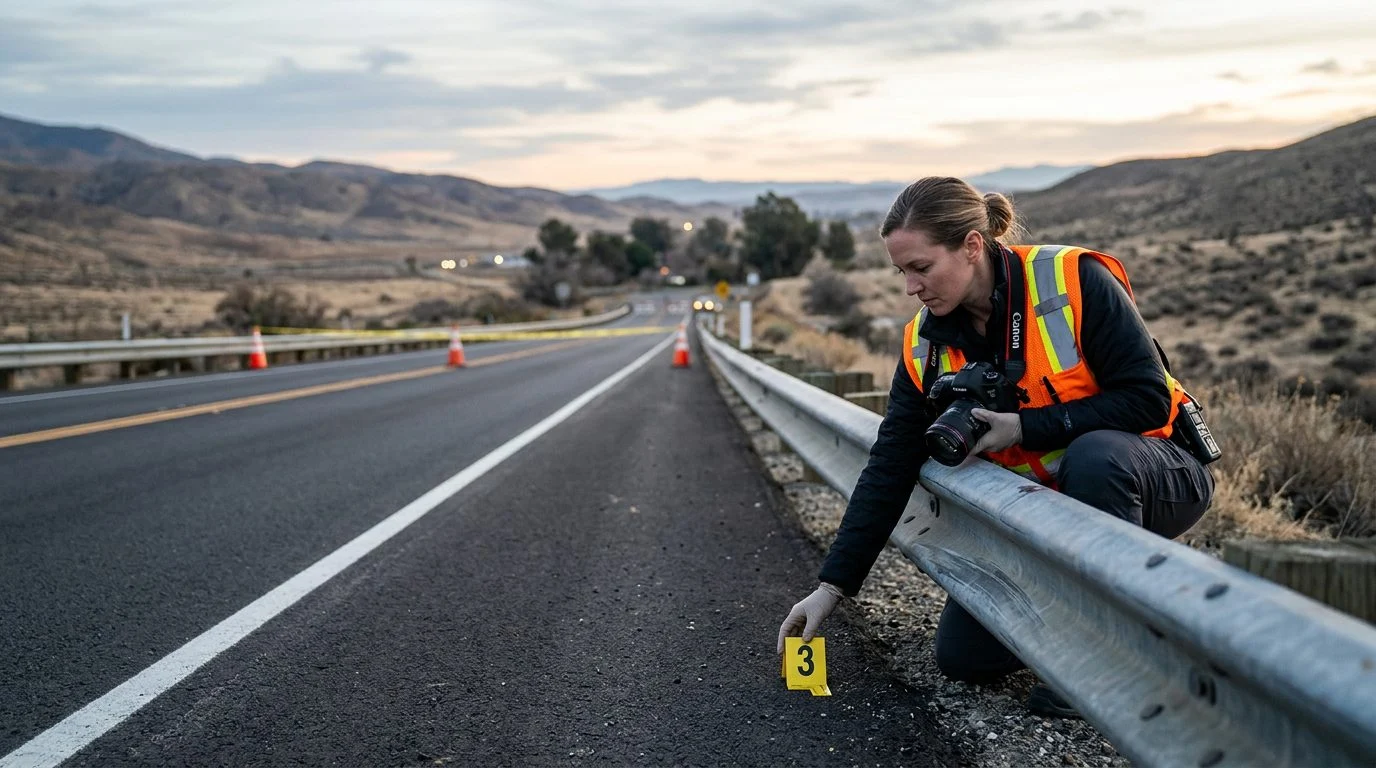
Kern County Wrongful Death Claims
Kern County Wrongful Death Lawsuit: Where to File
Families facing a loss often have questions about where a wrongful death case is filed. Colvin Accident Lawyers can talk through the facts of your situation in a free, confidential consultation.
By Donald Norman Colvin · Published November 7, 2026
If you’re researching where to file a wrongful death lawsuit Kern County, you’re likely handling a loss you never expected. This page is general information to help you think through the next steps.
Where a Wrongful Death Lawsuit Is Filed in Kern County
Cases are filed in the superior court that fits the facts, and those facts usually include where the defendant lives and where the death happened. For families in Bakersfield, Tehachapi, Delano, and other Kern communities, the right court may not be the one closest to home. A death in one town can involve a defendant who lives in another county. A crash on a rural road can involve a driver from out of the area. Families often assume the county where they live is the county where a case belongs. Those two places are not always the same. Reviewing where the death occurred, and where each possible defendant lives, is the first step. Getting this question right early keeps the rest of the case on track.
If someone you love died and you're unsure who can bring a claim, we can talk through the facts with you. Talk it through with our team — the first consultation is free, confidential, and carries no obligation.

Why the Case Belongs in Superior Court
The complaint is the document that starts the case. It names the people or companies the family believes caused the death, identifies the person who died, and explains who is bringing the claim. Those details matter. A filing that leaves out a party or unclear facts can slow the case from the start. Plain facts help too: how the death happened, when it happened, and where. Clear facts give everyone a starting point. If a government agency may be involved, a written claim generally comes first (county guidance on suing public agencies). That step is covered in the deadlines section below. Grief and paperwork often arrive together. Simple tasks, like gathering records, feel much harder in the weeks after a death.
Who Can Bring a Wrongful Death Claim in California
The decedent’s surviving spouse or domestic partner, children, and certain other heirs can bring the claim, and a personal representative can act for them. California Code of Civil Procedure § 377.60 sets out these categories.
- The surviving spouse or domestic partner, children, and children of a deceased child.
- If there is no surviving issue, the people who would inherit the decedent’s property under intestate succession.
- Certain dependents, if they depended on the decedent. This includes a putative spouse (someone who in good faith believed the marriage was valid), stepchildren, parents, or legal guardians if the parents have died.
- A minor who lived in the decedent’s household for the previous 180 days and relied on the decedent for one-half or more of support.
Whether a particular relative fits one of these groups is a question of that family’s facts. Each person’s position should be checked against the list.
Deadlines: The Two-Year Filing Period and Government Claims
A wrongful death lawsuit generally must be filed within two years. Code of Civil Procedure § 335.1 sets that period for an action for the death of an individual caused by another’s wrongful act or neglect.
The timing changes when a public entity may be responsible. Under Government Code § 911.2, a claim for death must be presented not later than six months after the cause of action accrues.
Six months is much shorter than two years. Families who wait for the two-year date can miss the earlier government step. Evidence also fades with time. Records can be lost, and witnesses can move away. Acting early keeps more of that evidence available.
How the Death Claim and Survival Claim Differ for Heirs
A wrongful death claim and a survival claim are different, and the statutes treat them differently. The wrongful death claim belongs to the family members the statute lists. A survival claim is brought by the decedent’s personal representative or successor in interest on the decedent’s own cause of action.
Under Code of Civil Procedure § 377.34, survival damages are limited to the loss the decedent sustained or incurred before death, including any penalties or punitive or exemplary damages the decedent would have been entitled to recover had the decedent lived. Those damages generally do not include pain, suffering, or disfigurement, except where the action or proceeding was granted a preference pursuant to Section 36 before January 1, 2022, or was filed on or after January 1, 2022, and before January 1, 2026.
The statute also gives the court a role. Under Code of Civil Procedure § 377.61, the court determines the respective rights in an award of the persons entitled to bring the claim. Knowing which claim belongs to whom helps a family organize the case from the start.
How Impaired Driving and Commercial Vehicle Cases Can Change Who Is Sued
A fatal crash can involve more than one party, so the list of possible defendants can be longer than the driver alone. Possible parties can include the driver, the vehicle’s owner, or a commercial carrier. Each one raises its own questions, so the list should be reviewed early.
Damages are reduced in proportion to that person’s share of fault (Daly v. General Motors).
Commercial vehicle cases can raise federal questions too. Fatal drunk driving crashes and fatal truck crashes each carry their own details.
Not sure what your next step is?
Talk it through with our team — the first consultation is free, confidential, and carries no obligation.
If You Are Deciding Where to File After a Death in Your Family
If you’re reading this while handling a loss you didn’t expect, you may be acting for a parent, spouse, child, or sibling. That is a heavy load in the middle of grief.
How long do I have to file a wrongful death lawsuit in California?
Generally two years, under Code of Civil Procedure § 335.1.
Do I have to file a claim before suing a city or county?
Generally yes. The written claim is generally due within six months under Government Code § 911.2.
Who can file a wrongful death lawsuit in California?
Certain surviving family members and dependents can, and a personal representative can act for them, under Code of Civil Procedure § 377.60.
You don’t have to sort out the county, the deadlines, and the family members alone. Colvin Accident Lawyers offers a free first consultation that is confidential, with no obligation to continue. Contact Colvin Accident Lawyers to talk through what happened to your loved one.
Donald Norman Colvin, Colvin Accident Lawyers, [street address], Bakersfield, California — responsible for this site.
How we can help your family start
Call us to begin
Reach out to Colvin Accident Lawyers by phone to describe what happened and ask your questions about where a claim may be filed.
Confidential conversation
Your first consultation is confidential, so you can share sensitive details about your loved one's death with a lawyer you trust.
Free first consultation
Your first consultation is free and comes with no obligation to continue. You decide what comes next.
Review of the facts
Our team reviews the accident details, records and other information you provide so you understand the options for your situation.
Don't wait to ask questions
Important deadlines can apply to wrongful death claims, and evidence can be lost over time. Speaking with a lawyer early helps protect your family's ability to pursue its options.
What to gather before your consultation
Accident and incident details
Write down the date, time and location, plus any police or incident report numbers you have.
Medical and death records
Gather hospital, emergency response and coroner or medical examiner paperwork if you received it.
Insurance and property information
Keep copies of insurance policies, vehicle or property information and any letters from insurers.
Witness and contact information
Note names and phone numbers of anyone who saw the incident or spoke with your loved one afterward.