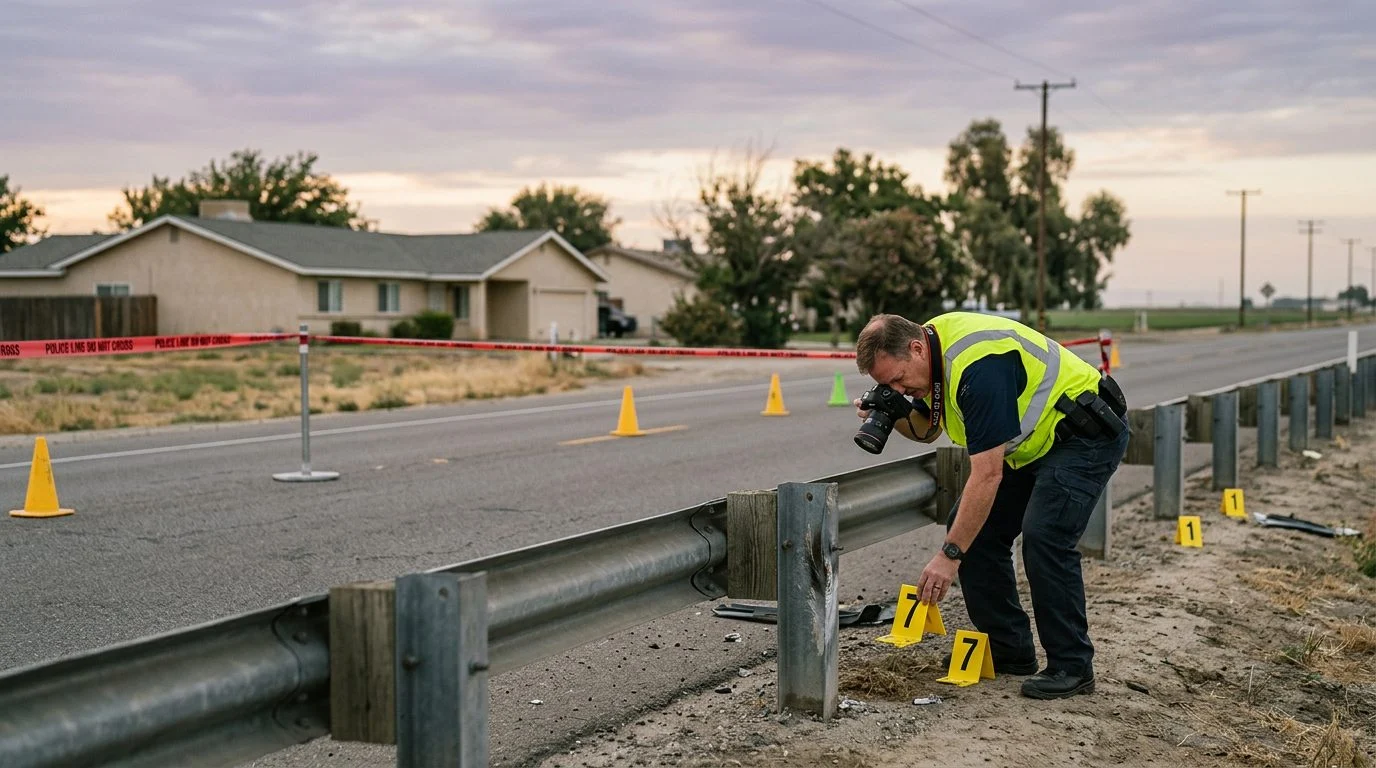
Wrongful Death | Bakersfield, CA
Bring What You Have to Your Wrongful Death Consultation
A simple guide to the papers that help families prepare for a confidential first meeting, and why an incomplete folder is no reason to wait.
By Donald Norman Colvin · Published November 15, 2026
Losing someone in a crash is hard, and the paperwork that follows can feel impossible. If you’re wondering what to bring to a wrongful death consultation, the short answer is: bring what you already have.
A death certificate, the crash report number, and medical and funeral records give a lawyer a useful starting point. Missing items are not a reason to hold off calling. The first meeting is where the lawyer sorts out what is known and what still needs to be gathered.
Who Usually Calls About a Wrongful Death Consultation
Surviving family members are the people who usually call. That includes spouses, domestic partners, children, and, if there is no surviving issue, the persons who would be entitled to the decedent’s property by intestate succession. Dependent relatives such as parents, stepchildren, and a putative spouse can also sue.
The death may have come from a car, truck, motorcycle, bicycle, pedestrian, or bus accident. The firm handles wrongful death cases from each of these.
The first meeting is a conversation. It covers how the death happened and whether a claim may exist under California law. The lawyer also reviews the papers the family brings.
Who may bring the claim is set by statute. Under Code Civ. Proc. § 377.60, a surviving spouse, domestic partner, or children may bring it, and other relatives can qualify in certain cases.
La consulta inicial es gratuita, confidencial y sin compromiso de continuar. In English, the first consultation is free, confidential, and carries no obligation to continue.
You do not need a finished file to call.
If a crash took someone you love and your papers are scattered, we can review what you have at a free, confidential consultation. Talk it through with our team — the first consultation is free, confidential, and carries no obligation.
Core Documents to Bring
Bring the records that show when the death happened, how it happened, and what it cost the family.
- Certified death certificate. If a certified copy isn’t ready, the funeral home’s copy can help you start.
- Police or crash report number, plus any copy of the report you already hold. If you don’t know the number, bring the agency name and the crash date.
- Medical records, hospital or emergency room paperwork, and the coroner or medical examiner’s contact details if one was involved.
- Itemized medical bills and receipts for treatment before the death.
- Funeral, burial, and cremation invoices and receipts.
Each item answers a basic question. The death certificate confirms the date. The crash report shows how the crash happened. The bills and receipts show the care and money your family has spent.
Dates matter because filing deadlines apply. California generally gives two years to file an action for death under Code Civ. Proc. § 335.1. If a public entity such as a city or county may be responsible, the claim must be presented no later than six months after it accrues, under Gov. Code § 911.2. If a lawyer asks for more later, that is normal, and you can send it in pieces.
Records About the Person Who Died
Earnings and household records show what the person who died contributed to the family.
- Recent pay stubs, W-2s or 1099s, and the most recent tax return.
- Employer name, job title, and any letters about benefits, retirement contributions, or health coverage.
- Records of help given at home, such as childcare, household work, caregiving, or regular financial support.
- If the person was self-employed, business tax records and invoices.
Exact figures are not always available. A rough estimate is still useful, and the lawyer can help you see which records would make it more precise. Keep everything in one folder, with the dates each record covers.
California limits some damages in the decedent’s own claim. Under Code Civ. Proc. § 377.34, those damages do not include pain, suffering, or disfigurement, except in an action granted a preference before January 1, 2022, or filed on or after January 1, 2022, and before January 1, 2026. Earnings and expense records help the lawyer sort out which losses fall under which rule.
Proof of Family Relationship and Who May Bring the Claim
Papers that show family ties help the lawyer confirm who may bring the claim. Copies are fine for the first meeting.
- Marriage certificate and birth certificates for children.
- Domestic partner registration, if the person was in a registered domestic partnership.
- Papers showing parents, stepchildren, or other relatives who depended on the person who died.
- Proof that a minor lived in the decedent’s household for the 180 days before the death and relied on the decedent for at least half of their support.
The court decides how any award is divided among those entitled to assert the claim, under Code Civ. Proc. § 377.61. Relatives often need to coordinate with one another, and the lawyer can explain how the claim is handled when more than one person has a stake.
If the paperwork is unclear, the consultation still goes forward. The firm helps work out what is needed.
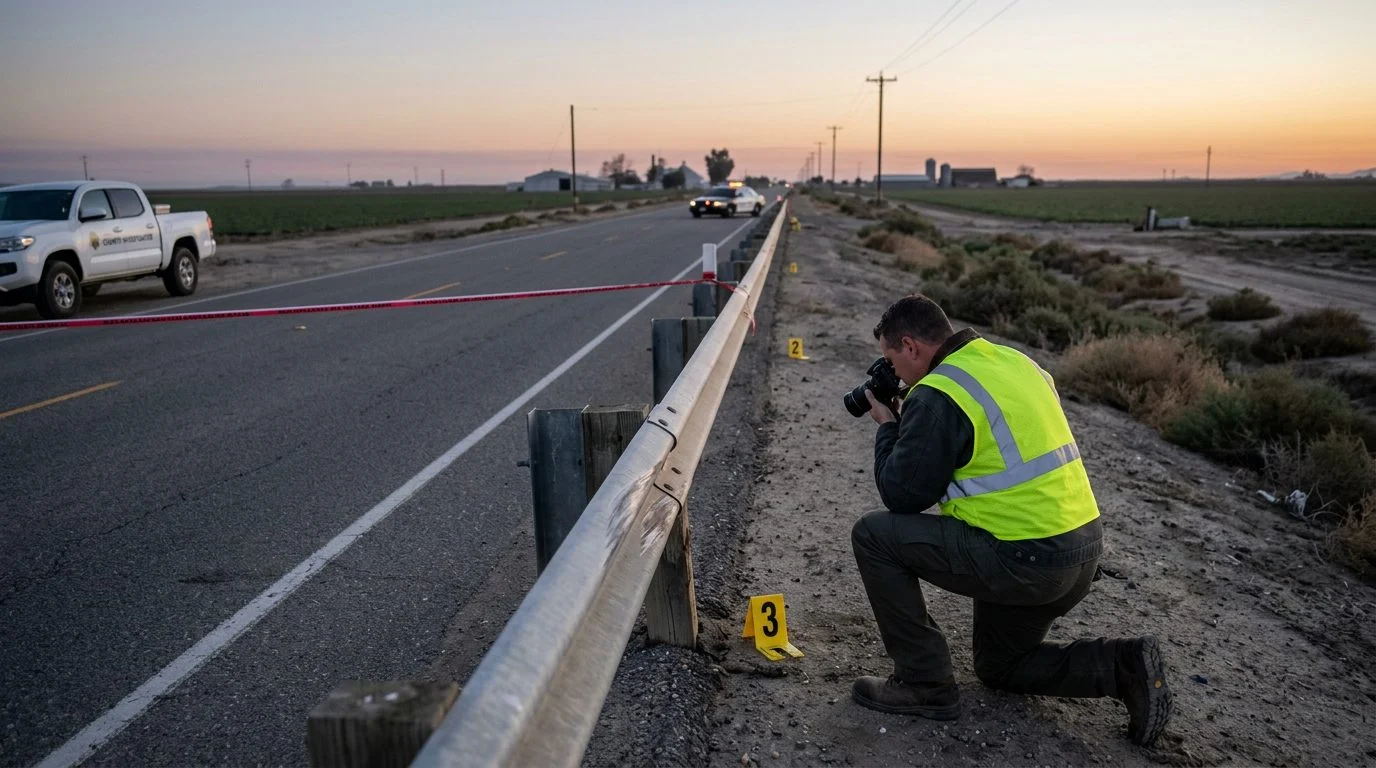
Insurance, Claim Letters, and Accident Details
Insurance papers and a written timeline help the lawyer see what coverage may apply and how the crash unfolded.
- Auto, motorcycle, or other policies for the person who died, plus any household policy that may apply.
- Letters, claim numbers, or offers from insurers, and the adjuster’s name if you know it.
- Photos of the scene, vehicles, and location, plus names and phone numbers of witnesses.
- A simple written timeline of the day of the crash, the hours before, hospital stays, and key conversations since.
- If the other driver also died, that driver’s name and insurer information.
California sets minimum liability limits by statute under Vehicle Code § 16056. Those are statutory minimums, not measures of what a claim is worth.
If an insurer has already called, write down the date and what was said. Keep insurance cards and policy pages if you have them. Write down what you remember now, even if the list is short. Memories fade, and a written list gives the lawyer something concrete to review.
If You Do Not Have Everything, and What Happens Next
You can start with a death certificate and a few notes.
Families often arrive with partial papers. The firm helps identify what is missing and helps request missing records. Bring the folder even if it looks messy. The lawyer can sort it with you during the meeting, so you don’t need to organize it first.
- Contact the firm and share the basic facts.
- Attend the free consultation.
- Go over the documents you brought, and list what is still missing.
- Let the firm help request the missing records.
- Our team can talk with you about possible next steps in your situation.
- Decide whether to move forward.
The meeting is a conversation about the facts and California law. It is not a prediction of any result, and the outcome depends on the facts of each case.
Not sure what your next step is?
Talk it through with our team — the first consultation is free, confidential, and carries no obligation.
Frequently Asked Questions
What should I bring to a wrongful death consultation if I have very little?
Bring what you have. A death certificate or a few notes is enough to start.
Do I have to bring every document?
No. The firm helps identify and gather the rest.
What if I don’t know the exact date of the crash?
Write down your closest estimate and why you think so. The lawyer can work from that.
Can families outside Bakersfield ask about a loss?
Yes. Families in Kern County, Fresno, Visalia, Lancaster, Palmdale, Delano, and Tehachapi can contact the firm.
Can other relatives attend the meeting?
Yes. Relatives with a stake in the claim may come and share information.
How long does a family have to act?
California generally gives two years for a death claim, and six months for claims against a public entity.
Does bringing documents mean a lawsuit will be filed?
No. The meeting is a conversation first, and any next step is a separate decision.
If a crash took someone you love and the papers are still in a folder or a shoebox, you do not have to sort them out alone. Reach out through our contact page and talk through what you have.
Colvin Accident Lawyers, Bakersfield, California — responsible for this site. Responsible attorney: Donald Norman Colvin.
Documents That Help Most
About the Person Who Died
A death certificate if you have one, the decedent's full name and date of birth, and any identification or employment records that show who they were and what they contributed to the family.
About the Accident
Any police or crash report, the report number, photos or video of the scene, and the names and contact details of witnesses, if you have them. Keep copies of anything you have already received from the other side.
About Medical Care and Costs
Hospital, emergency, and treatment records, bills, and statements, along with receipts for funeral, burial, and other expenses your family has paid.
About Insurance and Communications
Insurance policy information for every vehicle or property involved, letters or messages from insurers, and any notices about the claim. Bring them even if you are unsure what they mean.
What to Expect at Your Consultation
A Confidential First Meeting
The first consultation is free, confidential, and carries no obligation to continue. You can ask questions and decide what comes next at your own pace.
We Help Sort Through Your Papers
Bring what you have. The firm can help identify which records matter and what may still need to be gathered.
Patient With Difficult Details
Losing someone is hard. Our team takes time to listen and can work from partial information, so you do not need every answer before you reach out.
Missing Papers Are Not a Reason to Wait
Many families do not have every document after a sudden death. Do not delay contacting us because a record is missing, and do not sign or agree to anything from an insurance company before you have spoken with a lawyer.