Facing a Criminal Case and a Wrongful Death Claim? Get Clear Answers First
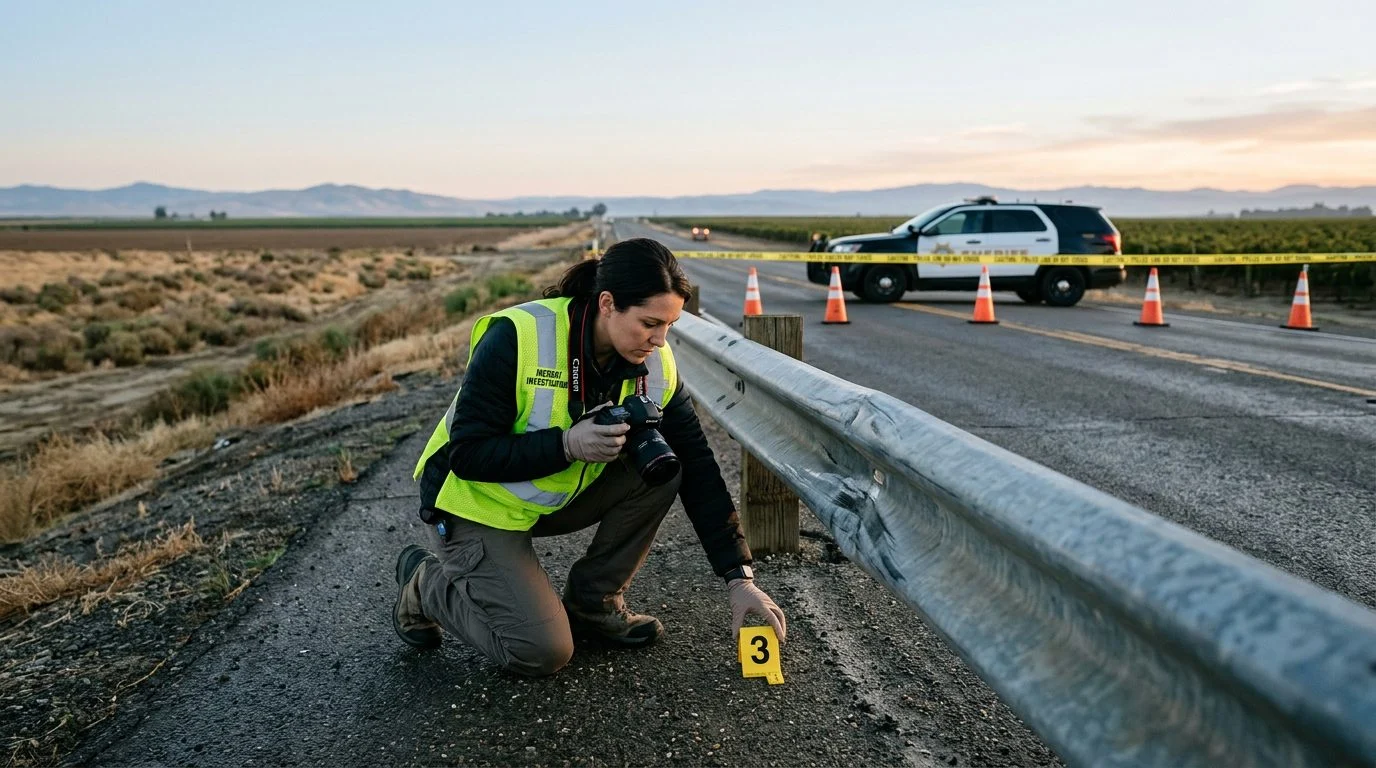
By Donald Norman Colvin · Published November 23, 2026
If someone you love died in a crash, you may be hearing about a criminal case against the driver for the first time. A family can pursue a California wrongful death lawsuit on its own track, and this page explains how the two tracks fit together, how a pending case can affect timing and evidence, and what a conviction, plea, or acquittal can and cannot mean.
The Short Answer: A Criminal Case Does Not Decide the Civil Claim
California’s wrongful death statute lets certain family members bring the claim when a death is caused by “the wrongful act or neglect of another” (Code Civ. Proc. § 377.60). The statute ties the claim to that wrongful act or neglect.
Many families assume the prosecutor’s case must finish first. The civil claim can move on its own track. Each has its own court, its own parties, and its own result.
If your family is weighing a civil claim while the criminal case is still open, you don’t have to sort out the deadlines alone. Talk it through with our team — the first consultation is free, confidential, and carries no obligation.
Two Different Cases With Different Purposes
The criminal case asks whether the state can punish the driver. The civil case asks the family to recover money for its losses. A criminal prosecution focuses on punishment and public safety. A wrongful death claim focuses on the surviving family’s losses, such as medical bills, funeral costs, lost income, and the loss of companionship.
California sorts these losses into two groups. Economic losses are objectively verifiable money losses, such as medical expenses and burial costs. Non-economic losses are subjective, such as pain, emotional distress, and loss of companionship (Civ. Code § 1431.2). When more than one person shares fault, each defendant pays non-economic damages only in direct proportion to its own percentage of fault.
The two courts answer different questions. The family, not the state, brings and controls the civil claim.
How a Pending Criminal Case Can Affect Timing, Evidence, and Discovery
A pending criminal case can change when evidence reaches the civil claim. Police reports, witness statements, photos, and records gathered for the prosecution often exist before a family files anything. That material may help the civil claim, but getting it can take time while the criminal case is open.
The most common mistake is waiting. Families sometimes hold off on evidence requests until the criminal case ends. Meanwhile, vehicles get repaired or scrapped, and phone and vehicle data can be lost. Courts can respond when evidence goes missing, but it’s far better to keep it from disappearing in the first place.
Early written requests that ask for vehicles, photos, and records to be kept can protect that evidence while both cases move forward. Ask for them early, not after the verdict. A lawyer can tell you which items are most at risk in your family’s case.
What a Conviction, Plea, or Acquittal Means for the Civil Claim
A conviction can help a family’s civil case, but the civil claim still has to be proven.
Families should review any plea deal with Colvin Accident Lawyers before deciding how the two cases fit together.
The amount and timing of any recovery depend on the losses and legal issues in each case. No lawyer can predict how a case will turn out, and a conviction does not set the value of a family’s losses.
What Families Must Still Prove in a California Wrongful Death Case
A family still has to prove its case, even when the driver faces charges. A wrongful death claim covers a death caused by the driver’s wrongful act or neglect, so the family must prove that act or neglect caused the death. California holds a person responsible for injury caused by a want of ordinary care (Civ. Code § 1714). Cal. Civ. Code § 1714 reads: “(a) Everyone is responsible, not only for the result of his or her willful acts, but also for an injury occasioned to another by his or her want of ordinary care or skill in the management of his or her property or person, except so far as the latter has, willfully or by want of ordinary care, brought the injury upon himself or herself.”
Under Code Civ. Proc. § 377.60, the surviving spouse, domestic partner, children, and their issue may bring the claim. If the decedent left no surviving issue, the persons, including the surviving spouse or domestic partner, who would inherit the decedent’s property by intestate succession may bring it. Dependent putative spouses, children of a putative spouse, stepchildren, and parents can also sue, and legal guardians can sue if the parents are deceased. So can a minor who lived in the decedent’s household for the previous 180 days and depended on the decedent for at least half of support.
If the person who died shared fault, California reduces damages rather than barring the claim. California’s civil jury instruction on a plaintiff’s comparative fault tells jurors that if the defendant proves the above, the plaintiff’s damages are reduced by their determination of the percentage of the plaintiff’s responsibility, and that the judge will calculate the actual reduction. Under California’s civil jury instruction on apportioning responsibility, jurors decide how much responsibility each person listed on the verdict form has by assigning each one a percentage, and those percentages must total 100 percent. The percentages must total 100 percent.
The general deadline for these claims is two years under Code Civ. Proc. § 335.1.

Where Your Family Stands Now and How to Take the Next Step
If you’re reading this while a criminal case is still open, you may be juggling court dates, funeral plans, and grief all at once. You may also be researching this for someone you loved who you did not expect to lose. That is a hard place to make decisions from.
The decision in front of you is whether to contact Colvin Accident Lawyers about your wrongful death matter now, while the criminal case is open. Colvin Accident Lawyers is based in Bakersfield, California, and serves families in Kern County and nearby areas in cases involving cars, trucks, motorcycles, buses, and wrongful death.
Does a family need a criminal conviction to sue for wrongful death in California?
No. The wrongful death statute ties the claim to a wrongful act or neglect, not to a conviction.
How long does a family have to file?
The general deadline is two years under Code Civ. Proc. § 335.1. Talking with a lawyer early helps you keep track of it.
The initial consultation is free, confidential, and comes with no obligation to continue.
If your family is weighing a civil claim while the criminal case is still open, you don’t have to sort out the deadlines alone. Contact Colvin Accident Lawyers to talk through your family’s situation.
Colvin Accident Lawyers, Bakersfield, California — responsible for this site. Responsible lawyer: Donald Norman Colvin.

How the Two Cases Can Differ
Separate Proceedings
A wrongful death lawsuit is brought by the family. The two run on their own tracks and can move at different speeds.
Overlapping Evidence
Police reports, witness statements, and records from the criminal case may also be relevant to the civil claim. Preserving and reviewing that evidence early matters.
Coordinating Both Matters
Statements made in one matter can affect the other. Talking through your situation before speaking with insurers or other parties helps protect your family’s position.
Questions to Bring to Your Free Consultation
Status of the criminal case
Has charges been filed, and what is the current stage of the prosecution? Bring any court paperwork you have.
Police and crash reports
Copies of reports, citations, and photographs help us understand the facts behind the loss.
Insurance communications
Letters or calls from insurance companies can shape the claim, so let us review them before you respond.
Your family’s needs
We listen to how the loss has affected your household, your finances, and your daily life.
Important: Do Not Assume the Outcome of One Case Decides the Other
A criminal case and a wrongful death lawsuit are separate matters with different purposes. Speak with a lawyer before giving recorded statements or signing anything from an insurer.
Talk With Colvin Accident Lawyers About Your Family’s Situation. The Initial Consultation Is Free, Confidential, and Carries No Obligation to Continue.
Related practice areas
- Wrongful Death Lawyer