Wrongful Death | Bakersfield and Kern County
When a Teen Driver's Crash Takes a Life, Your Family Has Questions
Colvin Accident Lawyers represents families in wrongful death cases involving car and truck crashes in Kern County and surrounding communities. Learn how these claims work, then talk with us about your situation.
By Donald Norman Colvin · Published November 4, 2026
Can I Sue for Wrongful Death if the Driver Was a Teen in California?
Yes, a family may be able to sue when a teen driver’s negligence causes a fatal crash. Whether a claim is possible depends on the facts, including what the teen did and who owned the vehicle.
A wrongful death claim is a civil case. It asks a court to decide who must answer for the loss. It is separate from any criminal charge against the teen, which runs in its own case. Code Civ. Proc. § 377.60 sets out who may bring the claim.
Losing someone in a crash is hard enough without sorting through statutes alone. If a teen driver's negligence may have caused your loved one's death, we offer a free, confidential initial consultation with no obligation to continue. Talk it through with our team — the first consultation is free, confidential, and carries no obligation.
Who Is Allowed to File a Wrongful Death Claim in California?
The surviving spouse, domestic partner, and children of the person who died can usually file. The decedent’s issue of deceased children are also included. If there is no surviving issue of the decedent, the people who would inherit the property under intestate succession (state inheritance rules that apply when there is no will) may file.
Other family members may qualify too. A putative spouse, children of the putative spouse, stepchildren, parents, or the decedent’s legal guardians (if the parents are deceased) may sue if they depended on the decedent. A minor may sue if the minor lived in the decedent’s household for the previous 180 days and depended on the decedent for one-half or more of support.
A personal representative of the estate may also bring the claim for these people. Who qualifies depends on family relationship and, for some relatives, on dependence. Families often find these details decide who can file, so it helps to gather family records early.
Who Can Be Held Responsible When the Driver Was a Teen?
The teen driver can be held responsible for their own careless driving. California law makes everyone responsible for injuries caused by a lack of ordinary care, except so far as the injured person’s own willful or careless conduct brought the injury upon himself or herself. Civil Code § 1714 Civil Code § 1714 states that general rule.
Under Evidence Code § 669, a presumption of a failure to exercise due care can arise from a violation of a traffic statute only if the violation proximately caused the injury, the harm is the kind the statute was designed to prevent, and the injured person was within the class the statute protects. Evidence Code § 669 sets out that presumption. The driver can try to rebut it. Speeding and running a red light are examples of traffic violations.
Alcohol can change the picture. An adult who knowingly furnishes alcohol at a home to a person the adult knows or should have known is under 21 may be liable. Other social hosts are generally not held legally accountable for injuries from that consumption. Other parties may also share responsibility when the facts support it.
Parent and Vehicle Owner Liability Under California Law
A vehicle owner can be liable when someone else drives the car with permission. Vehicle Code § 17150 makes an owner liable for death or injury caused by a negligent or wrongful act in operating the vehicle. The permission can be express or implied. So a parent who owns the family car may face liability when a teen drove it.
Vehicle Code § 17150 makes every owner of a motor vehicle liable and responsible for death or injury to person or property resulting from a negligent or wrongful act by a person operating the vehicle with the owner’s permission. The dollar caps on that liability are set in a separate section, Vehicle Code § 17151. Vehicle Code § 17151 limits the liability of an owner, bailee of an owner, or personal representative of a decedent under that chapter, other than liability arising through principal-agent or master-servant relationships, to fifteen thousand dollars ($15,000) where one person dies or is injured in any one accident; that figure is a statutory cap on the owner’s liability under that chapter only, not an estimate of what a family may recover in a wrongful death claim, and every case depends on its own facts. For more than one person, the limit is $30,000. The limit for damage to others’ property is $5,000. These limits apply to owner liability under that chapter.
The same section says an owner is not liable under that chapter for damages meant to punish the driver. It also says an owner is not immune from damages imposed for the sake of example and by way of punishing the owner for the owner’s own wrongful conduct. That second point concerns Veh. Code § 17151(b), which bars owner liability for damages imposed to punish the operator of the vehicle but does not immunize an owner from liability for damages imposed for punishing his own wrongful conduct.
Whether other legal theories apply depends on facts about what the parent knew.
Insurance is part of the picture. Coverage may come from the owner’s auto policy, the teen’s policy, or both. Families should review each policy to see what applies.
Criminal Charges Versus a Civil Wrongful Death Claim
A criminal case and a wrongful death claim are two different cases. Criminal charges, such as vehicular manslaughter, are brought by the state in criminal court. A wrongful death claim is brought by the family and decided in civil court. The two can run at the same time.
Many families ask whether the teen will go to jail. That question belongs to the criminal case. The criminal court decides charges and any penalty under its own rules. A civil claim asks a different question: whether the teen’s negligence caused the death, and what the law allows the family to recover.
If the teen was a juvenile, the criminal matter may follow juvenile procedures. Those procedures are separate from the civil claim. Each case has its own record and its own proof. Families should not assume one result will settle the other.
Evidence That Matters in a Fatal Crash Involving a Teen Driver
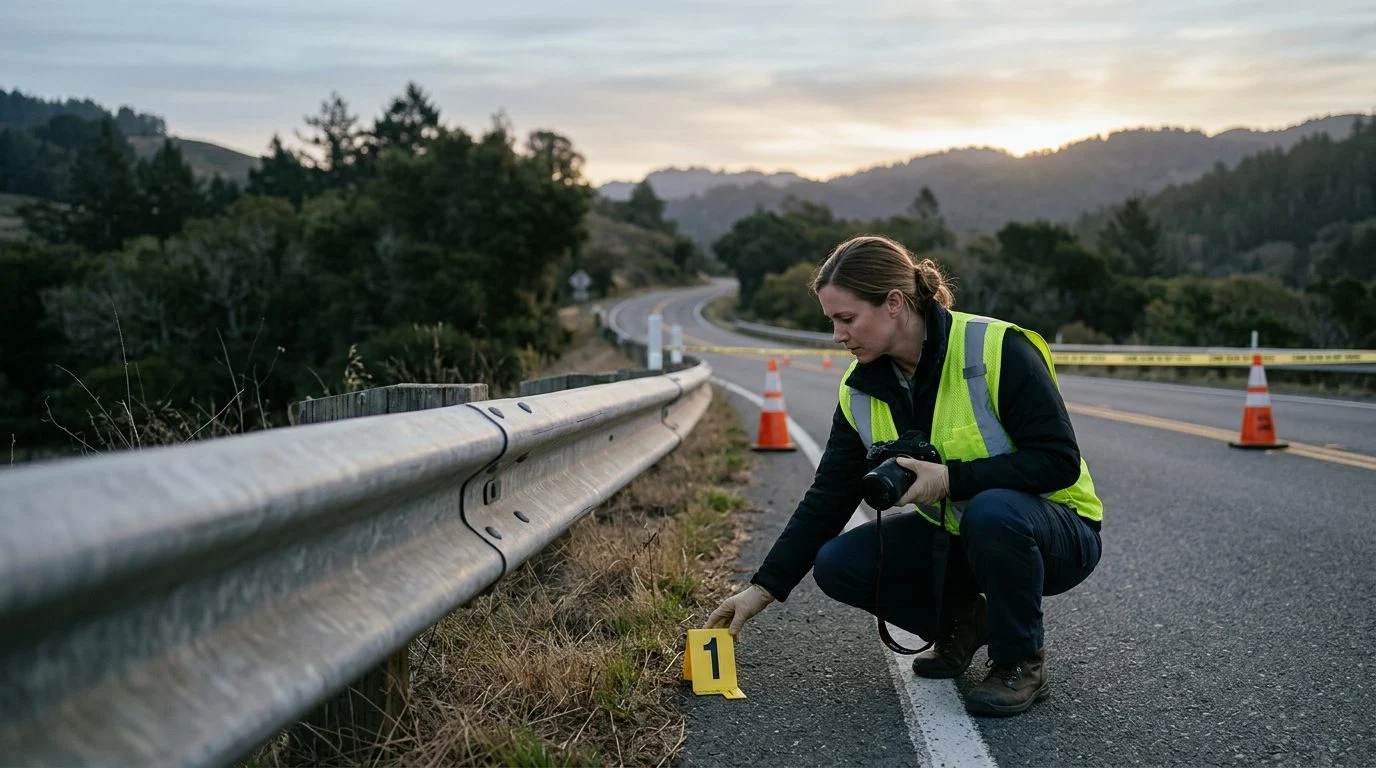
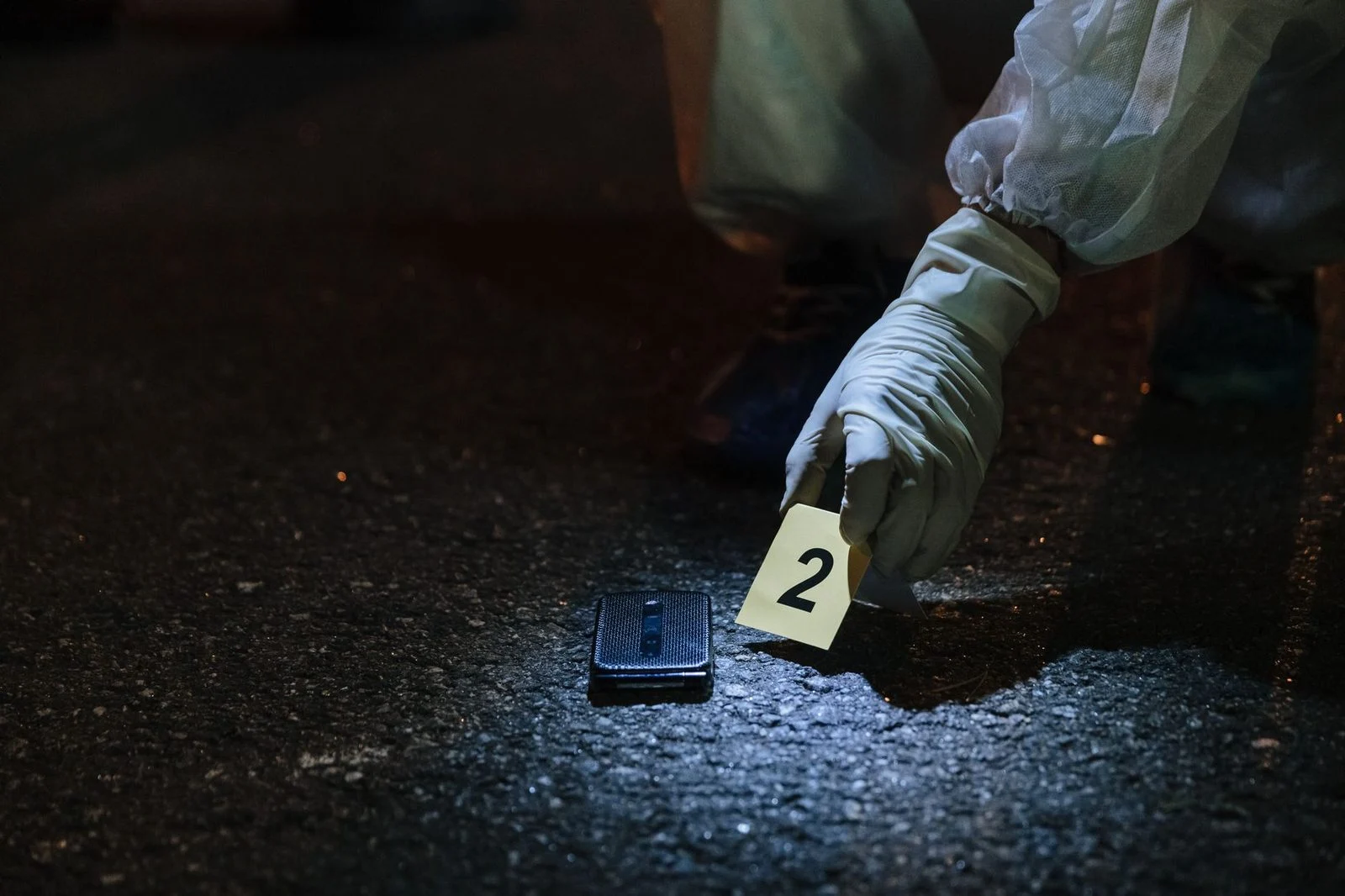
The most useful evidence is usually the evidence that is still available. Start with the police collision report, photos of the scene and vehicles, and the names of witnesses. Insurance information for the teen and the vehicle owner belongs on the list too.
Vehicle data and phone records can matter. They may show speed, braking, or distraction. Access depends on what is lawfully available and on who controls the vehicle or device. Cars are often repaired or sold after a crash, which can make data harder to find.
Road conditions can matter too. Speed limits, sight lines, and road design may affect fault. If a public entity such as a city or county may share responsibility, special notice rules apply.
Not sure what your next step is?
Talk it through with our team — the first consultation is free, confidential, and carries no obligation.
Deadlines to Know: Statute of Limitations and Government Claim Notice
A wrongful death lawsuit generally must be filed within two years. Code Civ. Proc. § 335.1 sets a two-year limit for actions for the death of a person caused by another’s wrongful act or neglect. For a general overview of deadlines to sue someone, the California Courts Self Help Guide is a useful starting point.
Claims against a public entity follow a different track. Government Code § 911.2 requires a claim for a death to be presented not later than six months after the cause of action accrues. Then Government Code § 945.4 bars a lawsuit for money against a public entity until the written claim has been acted upon or deemed rejected, except as provided in Sections 946.4 and 946.6.
Write down the date of the crash and the date of death. Note any date you received a letter from an agency or insurer. Those dates help you track each deadline.
The Statutory Standard for Damages in Wrongful Death Claims
California law lets a court award damages that may be just under all the circumstances of the case. Code Civ. Proc. § 377.61 says the court decides how an award is divided among the people entitled to it. Those damages may not include the damages the survival provision covers.
Survival and wrongful death are different claims. (SB 29 Senate analysis) A personal representative or successor in interest may pursue the decedent’s own cause of action under the survival provision, Code of Civil Procedure § 377.34. Wrongful death is a separate cause of action for specified persons or a personal representative.
Damages depend on the facts, the family relationships involved, and the evidence. General information like this cannot predict an amount, because each case’s facts differ.

Talk With Colvin Accident Lawyers About Your Family’s Situation
If you’re researching for a loved one, the next step is a conversation about the facts. A police report, insurance correspondence, and filing deadlines can all be part of the process after an accident.
Common Questions
Can I sue for wrongful death if the driver was a teen in California?
It may be possible if the teen’s negligence caused the death. The facts of the crash decide whether a claim is viable.
Can parents be sued when their teen causes a fatal crash?
A vehicle owner may be liable under California’s permissive-use rules, subject to the statutory limits. Other claims depend on the facts.
How long do I have to file?
Generally two years for a wrongful death lawsuit. Claims against public entities have an earlier notice deadline.
Losing someone in a crash is hard enough without sorting through statutes alone. If a teen driver’s negligence may have caused your loved one’s death, we offer a free, confidential initial consultation with no obligation to continue. Reach out to Colvin Accident Lawyers to talk through the facts.
What to Expect When You Contact Our Office
Free first consultation
Your first consultation is free, confidential, and carries no obligation to continue.
Careful review of the facts
We look closely at how the crash happened, what evidence exists, and who may be responsible before discussing next steps.
Respect for grieving families
We understand that a wrongful death claim is painful. We take time to listen and explain each step in plain language.
Direct access to our team
Call our office to speak with a member of our team about your family's situation.
Every Case Turns on Its Own Facts
Whether a wrongful death claim is viable depends on how the crash happened, who was responsible, and what the evidence shows. Results in one case do not predict the outcome of another.
Questions Families Often Ask
Can a wrongful death claim involve a teen driver?
It may be possible when a teen driver's negligence caused a death. The facts of the crash decide whether a claim is viable.
Who might be involved in these cases?
Depending on the facts, a claim may involve the driver, a vehicle owner, or others whose conduct contributed to the crash. We review each situation individually.
What evidence can matter?
Police reports, witness statements, vehicle information, and records related to the driving can all shape a case. Gathering information early helps preserve it.
What happens on a first call?
We listen to your family's story, answer your questions, and explain what we see. The consultation is free, confidential, and carries no obligation to continue.