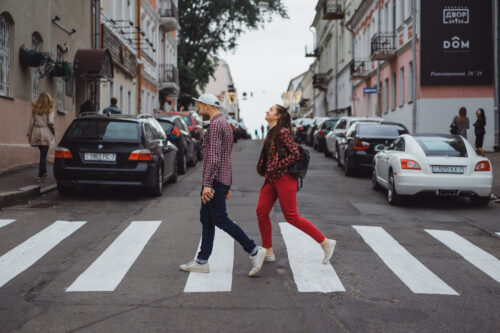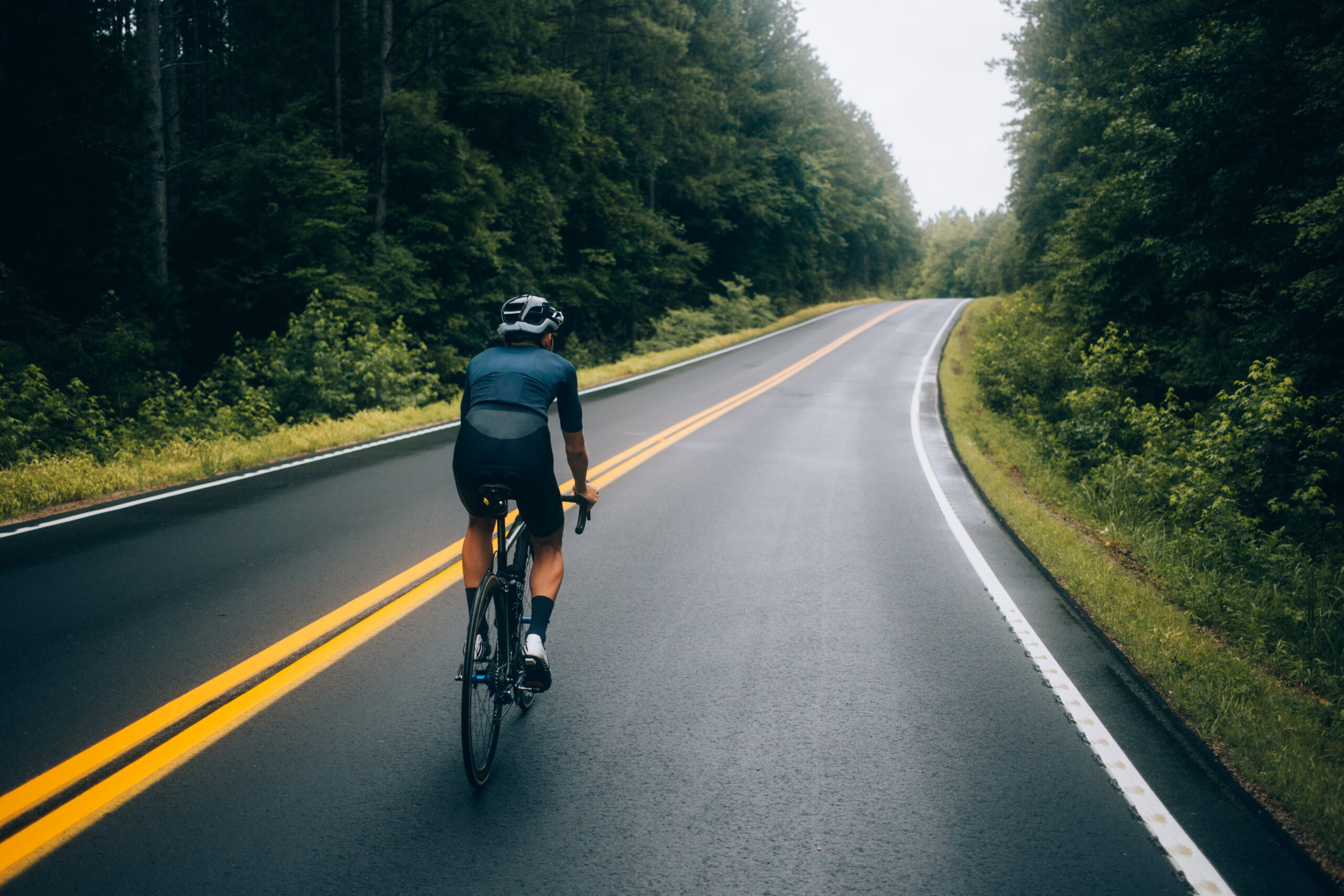
Cycling offers exercise, fresh air, and an easy way to get around town. Bakersfield also gives riders plenty of options, with more than 170 miles of bike trails, lanes, and paths, according to Visit Bakersfield. Once you leave the trail and share the street with cars, however, the risks rise quickly. This guide covers bicycle safety on the road, including California’s key rules, common crash dangers, and practical habits for riders and drivers alike.
Why Bicycle Safety on the Road Matters
Cyclists have almost no protection in a collision with a vehicle. According to the National Highway Traffic Safety Administration, 1,103 bicyclists died in traffic crashes in 2024. NHTSA also notes that bicyclist deaths peak from July through October, and that the leading factor in fatal bike crashes is failure to yield the right-of-way, followed by low visibility.
Many of these crashes are preventable when riders and drivers understand the rules and watch out for each other. Good bicycle safety on the road depends on both groups: cyclists who ride visibly and predictably, and drivers who slow down, look carefully, and give riders room.
California Rules Every Cyclist Should Know
Bicyclists in California generally share the same rights and responsibilities as drivers. A few rules apply specifically to riders:
- Ride to the right when slower than traffic. Under Vehicle Code section 21202, cyclists moving slower than traffic must ride as close as practicable to the right edge, with exceptions for passing, turning left, avoiding hazards, and lanes too narrow to share.
- Use proper lights at night. Vehicle Code section 21201 requires a white front light, a red rear reflector or light, and pedal and side reflectors when riding in darkness. Since January 1, 2026, electric bicycles must display the rear red light or reflector at all hours.
- Keep working brakes. The same section requires a brake that can skid a wheel on dry, level pavement.
- Helmets for riders under 18. Vehicle Code section 21212 requires riders and passengers under 18 to wear a properly fitted and fastened helmet.
California law does not require adults to wear helmets, but a helmet remains one of the best ways to protect against head injuries. Our page on Bakersfield bicycle helmet laws explains more.
The Three Feet for Safety Act
California’s Vehicle Code section 21760 requires drivers to leave at least three feet when passing a cyclist. If another lane is available, drivers must move into it to pass when safe and legal. When neither option is possible, drivers must slow down and wait until they can pass without endangering the rider.
Common Dangers for Cyclists on the Road
Understanding how crashes happen can help riders anticipate trouble. Frequent dangers include:
- The right hook. A driver passes a cyclist, then turns right across the rider’s path.
- The left cross. An oncoming driver turns left in front of a cyclist.
- Dooring. A parked driver opens a car door into a cyclist’s path.
- Distracted drivers who drift into bike lanes.
- Road hazards, such as potholes, debris, and storm drains.
Our page on common causes of bicycle accidents in Bakersfield covers additional risks.
Bicycle Safety on the Road: Tips for Riders
Smart habits make every ride safer:
- Check your bike before each ride, including brakes, tires, and chain.
- Wear bright clothing during the day and reflective gear at night.
- Ride with traffic, never against it.
- Signal turns and lane changes clearly and early.
- Ride predictably in a straight line, without weaving between parked cars.
- Leave space between your bike and parked cars to avoid opening doors.
- Make eye contact with drivers at intersections and driveways.
- Skip headphones and phones so you can hear and see traffic.
NHTSA also recommends avoiding sidewalk riding when possible. If you must use a sidewalk, watch carefully for pedestrians and driveways.
Bicycle Safety on the Road: Tips for Drivers
Drivers play a major role in protecting cyclists. NHTSA encourages drivers to:
- Yield to cyclists as you would to other vehicles.
- Avoid underestimating a cyclist’s speed.
- Look for bikes before turning right, backing up, or opening a car door.
- Give riders room and pass only when it is safe.
Checking your mirror and looking over your shoulder before opening a door, sometimes called the “Dutch reach,” can prevent dooring crashes. Small habits like these improve bicycle safety on the road for everyone, including the children and teens who ride to school each day.
Bicycle Safety on the Road at Night and in Fall
As days get shorter, more riders end up on the road after dark. Use bright front and rear lights, add reflective tape to your bike and helmet, and choose well-lit routes when possible. A flashing rear light can help drivers notice you sooner. Our guide to Bakersfield right-of-way laws explains who must yield in common traffic situations.
What to Do After a Bicycle Accident
If a driver hits you, take these steps:
- Call 911 and request a police report.
- Seek medical care, even if your injuries seem minor.
- Photograph the scene, your bike, the vehicle, and your injuries.
- Collect witness information.
- Keep your damaged bike and helmet as evidence.
California generally allows two years to file an injury lawsuit under Code of Civil Procedure section 335.1. Our guide on what to do after a bicycle accident in Bakersfield offers more detail, and our page on bicycle safety and preventative measures shares additional prevention tips.
Talk With a Bakersfield Bicycle Accident Lawyer
Every rider deserves to get home safely. If a careless driver causes a crash, Colvin Accident Lawyers is here to help. Learn more about our Bakersfield bicycle accident lawyer services, or read what our clients say.
Call (661) 616-1177 or contact us online. We answer the phone 24/7.