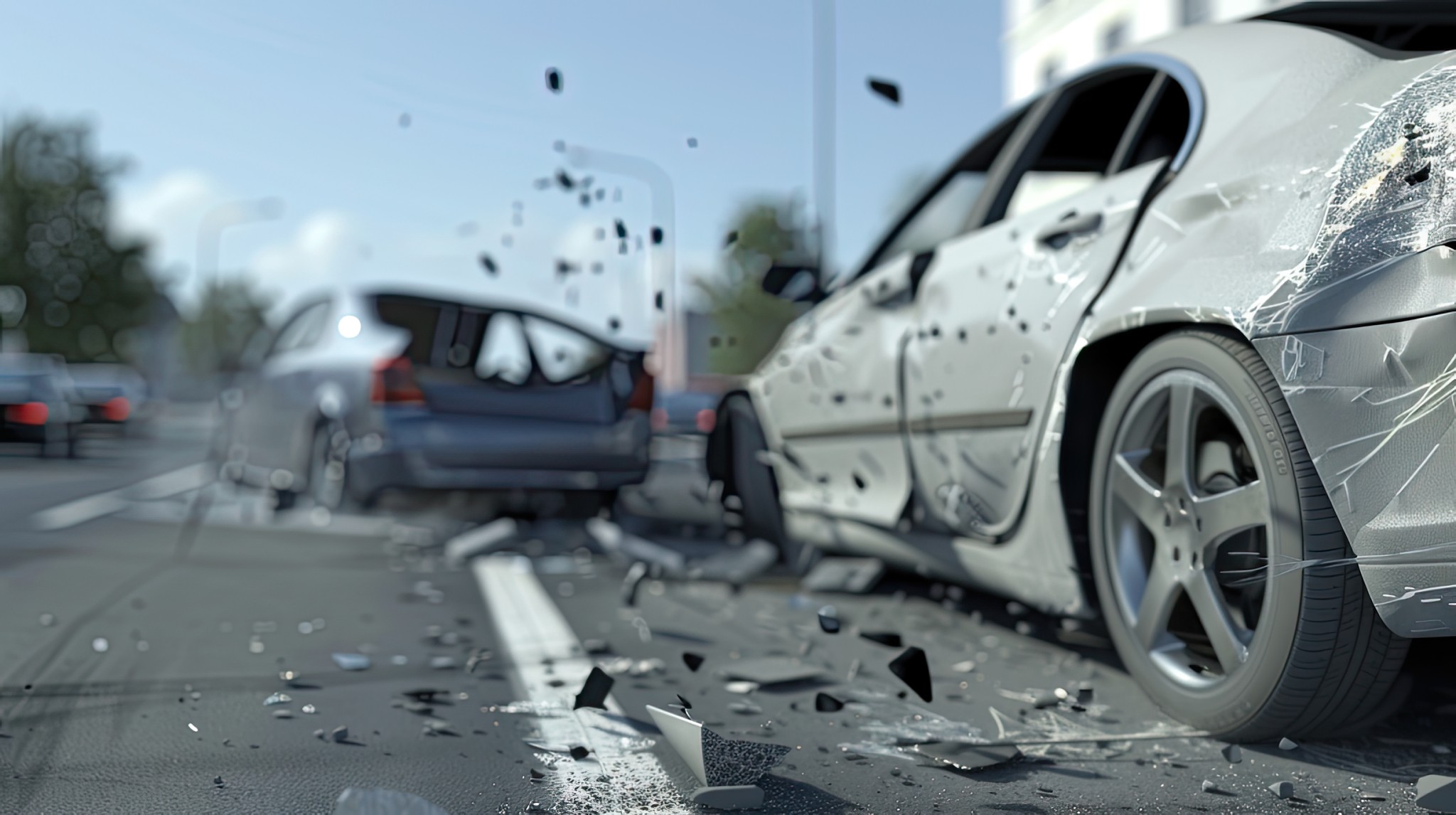
Few experiences feel as unsettling as watching the driver who hit you speed away. Along with pain and shock, you may wonder who will pay for your medical bills and car repairs. The steps you take in the first hours and days can make a real difference. This guide explains what to do after a hit and run in California, including the deadlines that protect your right to compensation.
Your First Steps After a Hit and Run in California
Your safety comes first. Move out of traffic if you can, turn on your hazard lights, and check everyone in your vehicle for injuries. Then take these steps:
- Call 911 to request police and medical help.
- Stay at the scene until officers arrive. Never chase the fleeing driver.
- Write down what you remember, such as the car’s make, model, color, partial plate, and direction of travel.
- Photograph the scene, including your vehicle, debris, skid marks, and your injuries.
- Look for cameras at nearby homes, businesses, and intersections.
- Collect contact information from witnesses.
Details fade quickly, so record them while your memory stays fresh. Even a partial license plate can help police track down the driver.
Report the Crash Within 24 Hours
A police report does more than start a criminal investigation. It can also protect your insurance claim. Under Insurance Code section 11580.2, an unidentified driver counts as an uninsured motorist only if you report the accident within 24 hours to the police, or to the sheriff or California Highway Patrol in unincorporated areas.
Certain crashes also require a DMV report. According to the California DMV, drivers must file an SR-1 form within 10 days if anyone suffered an injury or death, or if property damage exceeded $1,000.
How Uninsured Motorist Coverage Works After a Hit and Run in California
When police cannot find the driver, your own uninsured motorist (UM) coverage often becomes the main source of compensation. California insurers must offer UM coverage with auto policies, and you can only decline it in writing, according to the California Department of Insurance.
To qualify after a hit and run in California, the statute generally requires:
- Physical contact between the unknown vehicle and you or your vehicle.
- A police report within 24 hours of the crash.
- A sworn statement to your insurer within 30 days of that report, stating that you have a claim against an unknown driver.
Missing one of these requirements can put your UM claim at risk, so act quickly.
What If the Car Never Touched You?
Some drivers force others off the road without making contact. These “phantom vehicle” cases pose a challenge, because the statute ties UM coverage for unknown drivers to physical contact. Your policy language and the specific facts matter, so speak with an attorney before you assume you have no options.
Other Coverage That May Pay Your Bills
Several other sources may help you recover:
- Medical payments coverage (MedPay) on your auto policy can pay medical bills regardless of fault.
- Health insurance can cover treatment while your claim moves forward.
- Collision coverage can pay for repairs to your car, minus your deductible.
- The California Victim Compensation Board (CalVCB) may help with medical bills, lost income, and other costs.
CalVCB’s eligibility guidelines list hit and run among the crimes it covers. The board acts as a payer of last resort, according to its covered expenses page, meaning it helps with costs that other sources do not pay.
Penalties for a Hit and Run in California
State law requires drivers to stop after any crash that injures or kills someone. Under Vehicle Code section 20001, a driver who flees an injury crash faces up to one year in jail or state prison, a fine of $1,000 to $10,000, or both. When the crash causes death or permanent, serious injury, the penalties increase to as much as four years in state prison.
Criminal penalties punish the driver, but they do not pay your bills. A separate civil claim allows you to seek compensation for your losses.
When Police Find the Driver
If officers identify the driver, you may file a claim against that driver’s liability insurance. California requires minimum coverage of $30,000 per person and $60,000 per accident for injuries, plus $15,000 for property damage, according to the DMV’s insurance requirements.
Serious injuries often exceed those limits. If the driver lacks insurance or carries too little, your UM or underinsured motorist (UIM) coverage may fill the gap. A criminal court may also order the driver to pay restitution.
Pedestrians and Cyclists Struck by Fleeing Drivers
People on foot and on bikes face the greatest danger in these crashes. Statewide, the California Office of Traffic Safety reports that vehicles struck and killed 1,106 pedestrians in 2023.
Walking or riding at the time of the crash does not necessarily rule out UM benefits. Depending on the policy, pedestrians and cyclists may still qualify under their own auto coverage or a household member’s policy. Learn more on our Bakersfield pedestrian accident lawyer and Bakersfield bicycle accident lawyer pages..
Deadlines That Apply After a Hit and Run in California
Several time limits can affect your recovery:
- 24 hours to report the crash to police for UM purposes.
- 10 days to file an SR-1 with the DMV, when required.
- 30 days after the police report to give your insurer a sworn statement.
- 2 years to file an injury lawsuit under Code of Civil Procedure section 335.1.
- 3 years to file a property damage lawsuit under Code of Civil Procedure section 338.
UM claims also carry their own time limits under the statute and your policy. An attorney can confirm which deadlines apply to your situation.
Mistakes to Avoid After a Hit and Run in California
Victims sometimes weaken strong claims without realizing it. Try to avoid these common errors:
- Waiting to call police, which can jeopardize UM coverage.
- Delaying medical care, which gives insurers room to question your injuries.
- Giving a recorded statement before you understand your rights.
- Posting about the crash on social media.
- Accepting a quick settlement before you know the full cost of your injuries.
Our guides on what to do after a car accident in California and 5 legal mistakes to avoid after a car accident offer more detail.
Talk With a Bakersfield Hit-and-Run Lawyer
A fleeing driver can leave you with injuries, bills, and unanswered questions. You do not have to sort through them alone. At Colvin Accident Lawyers, we help Kern County families pursue every available source of compensation. Learn more about how we handle a Bakersfield hit-and-run accident, or read what our clients say.
Call (661) 616-1177 or contact us online. We answer the phone 24/7.