Wrongful Death | Bakersfield and Kern County
Your Loved One Was Partly at Fault. Your Family Still Deserves Answers.
Colvin Accident Lawyers helps California families understand how partial fault can affect a wrongful death claim. Every case depends on its own facts.
By Donald Norman Colvin · Published October 28, 2026
Short Answer: California Uses Pure Comparative Fault
Yes. California law still allows a claim when the wrongful death victim was partly at fault. The victim’s share of fault lowers the recovery, but it does not automatically bar the claim.
Fault is a matter of degree, not a yes-or-no answer. Many families stop too early. They hear that their loved one contributed to the crash and assume the case is over. That assumption can lead families to give up on a claim they still have.
If your family is wondering whether a claim is still possible after a crash that took a loved one, our team is ready to talk it through with you. Talk it through with our team — the first consultation is free, confidential, and carries no obligation.

How Comparative Fault Reduces a Wrongful Death Award
The total damages come first.
Here is a simple example. Suppose a jury values total damages at 100 points. The 100 is a made-up number used only to show the math. This is an illustration, not a prediction. If the jury assigns the deceased 30% of the fault, the recoverable amount is 70 points. Any total works the same way.
The jury sets each percentage. The family does not set it, and neither does an insurance company. The jury weighs the evidence from every side and assigns each person a share.
Results depend on the facts of each case, and results will differ if the facts differ. Two crashes can look alike and still produce very different allocations.
How a Jury Allocates Fault Between the Deceased and Others
A jury allocates fault by weighing what each person did, or failed to do, before the death. That can include the deceased, each driver, a property owner, or another responsible party.
The following evidence commonly shapes that decision:
- The police collision report
- Witness statements
- Scene and roadway measurements
- Vehicle data and photographs
- Traffic signals and signage
- Coroner or medical examiner findings about the cause and circumstances of death
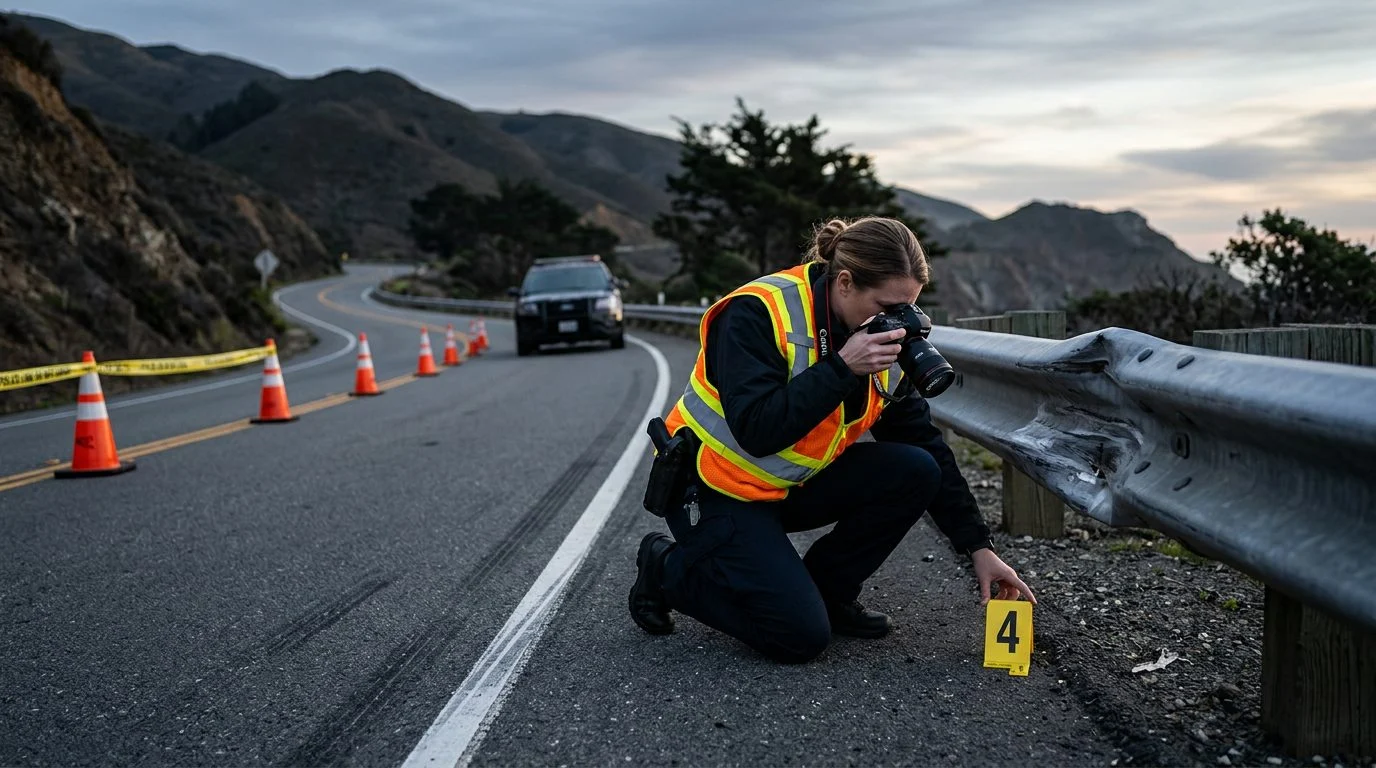
Photos and measurements taken soon after the crash show conditions before they change. Witness names and details fade over time. Families often wait too long to gather these items, and that delay is one of the most common mistakes.
Allocation is a factual question for the jury. Detailed documentation from the start helps the family present its side clearly. Fault can also fall on people a family did not think of at first.
When More Than One Party Is Responsible
A wrongful death claim can involve more than one defendant. Under Civil Code § 1431.2, each defendant’s liability for non-economic damages is “several only.” It is limited “in direct proportion to that defendant’s percentage of fault.”
Under Cal. Civ. Code § 1431.2, each defendant’s liability for non-economic damages is limited to the amount allocated to that defendant in direct proportion to its percentage of fault. Economic damages are objectively verifiable monetary losses, such as medical expenses, loss of earnings, and burial costs. Non-economic damages are subjective losses, such as pain, suffering, emotional distress, and loss of companionship.
The several-liability rule applies to non-economic damages. These rules are technical. A family benefits from a clear review of its own facts before drawing conclusions about its claim.
What Survivors Can Recover in a California Wrongful Death Claim
Only certain family members can bring the claim. Under Code of Civil Procedure § 377.60, the decedent’s surviving spouse, domestic partner, children, and issue of deceased children, or, if there is no surviving issue, the persons entitled to the decedent’s property by intestate succession, may sue, or the decedent’s personal representative may sue on their behalf. Some others may qualify if they depended on the deceased, including stepchildren, parents, and legal guardians.
Courts decide how damages are awarded. Code of Civil Procedure § 377.61 says damages may be awarded that, under all the circumstances, may be just, but may not include damages recoverable under Section 377.34. The court decides how any award is shared among the people entitled to bring the claim.
A separate survival claim covers losses the deceased suffered before death. Code of Civil Procedure § 377.34 limits those damages to losses before death. Pain, suffering, and disfigurement are generally excluded, unless under subdivision (b) the action was granted a preference before January 1, 2022, or was filed on or after January 1, 2022, and before January 1, 2026. Families should not expect the same categories in every case.
When a City, County, or Other Public Entity May Be Involved
If a public entity may share fault, a written claim comes first. A public entity can include a city, a county, or a transit agency. Under Government Code § 911.2, a claim for death or injury to a person must be presented not later than six months after the cause of action accrues.
Except as provided in Government Code §§ 946.4 and 946.6, under Government Code § 945.4, no suit for money or damages may be brought against a public entity until the written claim has been acted on or deemed rejected.
The general two-year deadline for a death caused by another’s wrongful act comes from Code of Civil Procedure § 335.1. The six-month claim period for a public entity is much shorter. Families should note the incident date and any public entity involved right away.
Not sure what your next step is?
Talk it through with our team — the first consultation is free, confidential, and carries no obligation.
Practical Steps for the Family Right Now
Keep the police report number, witness names and phone numbers, and every photo, video, or message about the crash. Write down what you remember while it is still fresh.
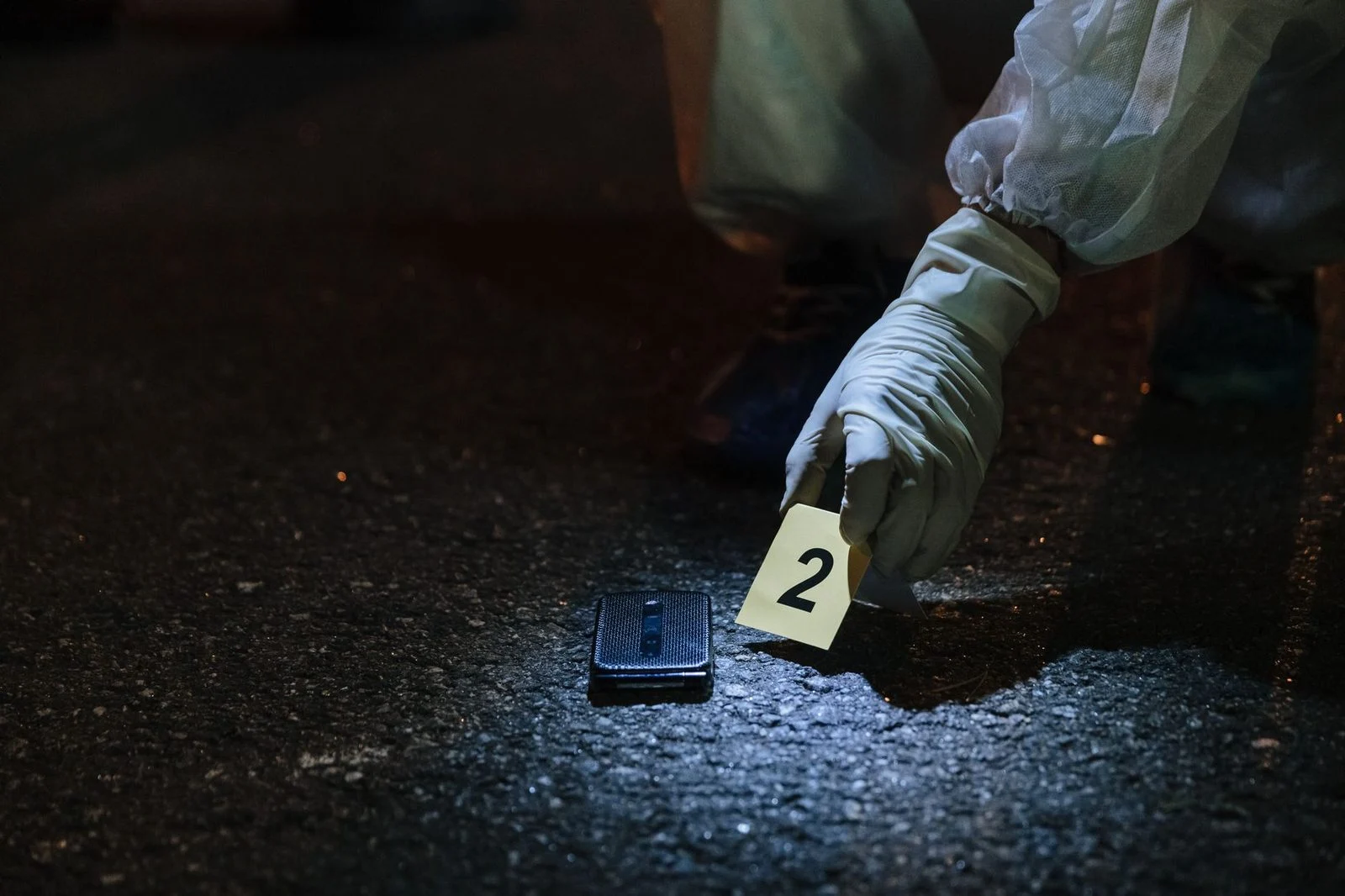
Ask the agency holding the vehicle, phone, or other items how to preserve them. Avoid changing or discarding those items before you have asked.
The California Courts Self Help Guide explains the personal injury process. Time limits are set by statute and can be short, so timing matters.
Frequently Asked Questions
Can a family still file if the wrongful death victim was partly at fault?
Yes.
Who can bring a California wrongful death claim?
Certain family members can, including a surviving spouse, domestic partner, and children, under Code of Civil Procedure § 377.60.
A claim against a public entity for death, injury to a person, injury to personal property, or injury to growing crops must be presented not later than six months after the cause of action accrues under Government Code § 911.2; other claims generally have one year.
Talk With Colvin Accident Lawyers About Your Family’s Situation
Losing someone in a crash is hard, and a shared-fault question can feel like one more weight. If you are wondering whether your family still has a claim, our team can review the police report, any coroner findings, and the facts with you. The first consultation is free, confidential, and carries no obligation to continue. Contact Colvin Accident Lawyers to start that conversation.
Colvin Accident Lawyers, Bakersfield, California — responsible for this site. Responsible lawyer: Donald Norman Colvin.
How We Work With Grieving Families
Compassion First
Losing someone in a crash is painful. We listen first and explain the process in plain language, at a pace that works for your family.
Careful Review of the Facts
We look at the crash report, the evidence, and the circumstances to understand how fault may be argued on each side.
A Free, Confidential First Consultation
Your first consultation is free, confidential, and carries no obligation to continue.
Based in Bakersfield
Colvin Accident Lawyers is based in Bakersfield and serves Kern County and nearby communities.
Before You Speak With an Insurance Company
Insurance adjusters may contact your family soon after a fatal crash. Talk with a lawyer before giving a recorded statement or discussing who was at fault.
Questions Families Often Ask
Who can bring a wrongful death claim?
California law sets out which family members may bring a claim. Whether your family qualifies depends on your specific relationships and circumstances.
What evidence matters most?
Crash reports, photos, witness accounts, vehicle data, and medical records can all help show what happened and how fault may be assigned.
What happens at the first consultation?
You can describe what happened and ask your questions. We explain the possible next steps, with no obligation to move forward.