
Accident Claims | Bakersfield, California
What Happens After You Hire an Accident Lawyer in California
A plain-language guide to the steps Colvin Accident Lawyers takes with you, from the first call through negotiation or, if needed, a lawsuit.
By Donald Norman Colvin · Published November 3, 2026
Accident Lawyer Steps After Hiring: From First Consultation to Possible Trial
After you hire an accident lawyer, the case usually moves in a set order. It starts with a first consultation, moves to investigation, then to negotiation with insurers, and only then to a lawsuit and possibly trial if the claim does not resolve. This page explains each stage for accident victims and families in Kern County and nearby communities.
Each stage builds on the one before it. The path depends on the facts of each case, so treat these steps as a general guide. Colvin Accident Lawyers is based in Bakersfield, California.
If you're in pain, handling insurance calls, or helping a family member after a crash, a dog bite, or a loss, you don't have to sort it out alone. Talk it through with our team — the first consultation is free, confidential, and carries no obligation.

What steps happen after hiring an accident lawyer, from the first consultation through investigation, negotiation, and possible trial?
Most cases follow four stages: a first consultation, an investigation, negotiation with the at-fault party’s insurer, and a lawsuit if talks stall. Trial is the last step, and many claims resolve before it. Your lawyer explains each stage as it arrives.
The steps are similar across most injury claims, but the details change. A truck crash, a dog bite, and a wrongful death claim each need different records. The firm handles car, truck, motorcycle, bicycle, pedestrian, bus, dog bite, premises liability, catastrophic injury, and wrongful death cases. To see how these claims differ, read our car accident claims overview.
Each step has a purpose. The first meeting sets out the facts. The investigation checks them. Negotiation tests the insurer’s position. A lawsuit is filed only when those steps do not resolve the claim.
What happens at the first consultation?
The first consultation is a conversation about what happened, who was involved, and what injuries or losses followed. The first consultation is free, confidential, and carries no obligation to continue.
Expect questions about the date, the place, and the other parties. You’ll also describe your medical care and any work you missed. The lawyer uses this meeting to see which practice area fits, such as a truck, motorcycle, pedestrian, or wrongful death matter.
Bring what you already have. That includes the police report number, photos, medical paperwork, and insurance information for you and the other party. If some items are missing, bring what you can find.
Timing matters from the start. California law generally gives two years to file a lawsuit for injury to a person caused by another’s wrongful act or neglect, under Code of Civil Procedure § 335.1. The California Courts Self Help Guide notes that there are exceptions and tolling rules. Share the accident date at your first meeting.
What does the investigation involve after hiring?
The investigation gathers the facts that show how the injury happened and what it has cost you. It usually starts with the police or crash report, photographs, witness contact details, and vehicle or property records. The scene itself matters in some cases.
Medical records do two jobs. They show the nature of your injury, and they link that injury to the incident. Treatment history, imaging, and bills help show that connection.
Some claims need more. In truck and bus cases, the investigation may include company and maintenance records. In premises liability cases, it may cover who controlled the property and whether warnings or repairs existed. Dog bite and wrongful death investigations focus on the facts of that loss and the records tied to it.
Evidence can fade or change. Scene photos and repair records are often easiest to gather early, which is why timing matters.
How does negotiation with insurance companies work?
Negotiation is the back-and-forth between your lawyer and the at-fault party’s insurer. After the investigation, the lawyer presents the claim with supporting documents. The insurer then responds with its own evaluation, and talks continue from there.
California law lists some insurer conduct as unfair. Under Insurance Code § 790.03, knowingly committing or performing with such frequency as to indicate a general business practice any of the unfair claims settlement practices, including failing to adopt reasonable standards for the prompt investigation and processing of claims, is prohibited.
Fault shapes these talks. Under Civil Code § 1431.2, in personal injury, property damage, or wrongful death cases based on comparative fault, each defendant pays non-economic damages only in proportion to its own share of fault, not jointly.
Medical bills raise another question. Ask your lawyer how this applies to your claim.
You decide whether to accept any offer. Your lawyer explains each offer and what it would mean for you.
When does a case move toward a lawsuit and possible trial?
A lawsuit is usually filed when a claim cannot be resolved through negotiation. Filing must follow California’s deadlines, and those deadlines differ by claim type.
Claims for injury to personal property, such as a vehicle, and injury to real property fall under a three-year period, under Code of Civil Procedure § 338. Claims against a city, county, or other public entity have a shorter clock. Under Government Code § 911.2, a claim for death, injury to a person, or injury to personal property (such as a vehicle) must be presented within six months after the cause of action accrues.
Litigation has general stages. Pleadings set out each side’s written claims and responses. Discovery lets each side exchange information and take testimony. Motions may narrow the issues before trial. Many cases resolve before trial, and trial is one possible outcome, not a certainty.
Settlement offers have their own timing. Under Code of Civil Procedure § 998, not less than 10 days prior to commencement of trial or arbitration, any party may serve an offer in writing upon any other party to the action to allow judgment to be taken or an award to be entered in accordance with the terms and conditions stated at that time; if a defendant’s offer is not accepted and the plaintiff fails to obtain a more favorable judgment or award, the plaintiff shall not recover their postoffer costs and shall pay the defendant’s costs from the time of the offer. If it is not accepted before trial or within 30 days after it is made, whichever comes first, it is deemed withdrawn.
Does every accident lawyer step after hiring end in trial?
No. Many claims resolve through negotiation before trial. Trial is one possible outcome, and the path depends on the facts of each case.
How long do you have to file a personal injury lawsuit in California?
California generally gives two years for personal injury suits, with exceptions. Claims against public entities can have a shorter six-month deadline to present a claim first.
Not sure what your next step is?
Talk it through with our team — the first consultation is free, confidential, and carries no obligation.
What can you do to support your claim while it is open?
Keep a written log of symptoms, appointments, missed work, and out-of-pocket costs. Write down dates and details while they are fresh. A notebook or phone note works well.
Keep photos, receipts, repair estimates, and insurer letters in one folder. Scan or photograph paper documents before you send originals anywhere.
Refer calls from the other party’s insurer to your lawyer. Recorded statements given without advice can shape how the claim is judged, so ask for advice first.
Follow medical treatment as your doctor recommends. Tell your lawyer about new providers or changes in your condition, so your records match what you report.
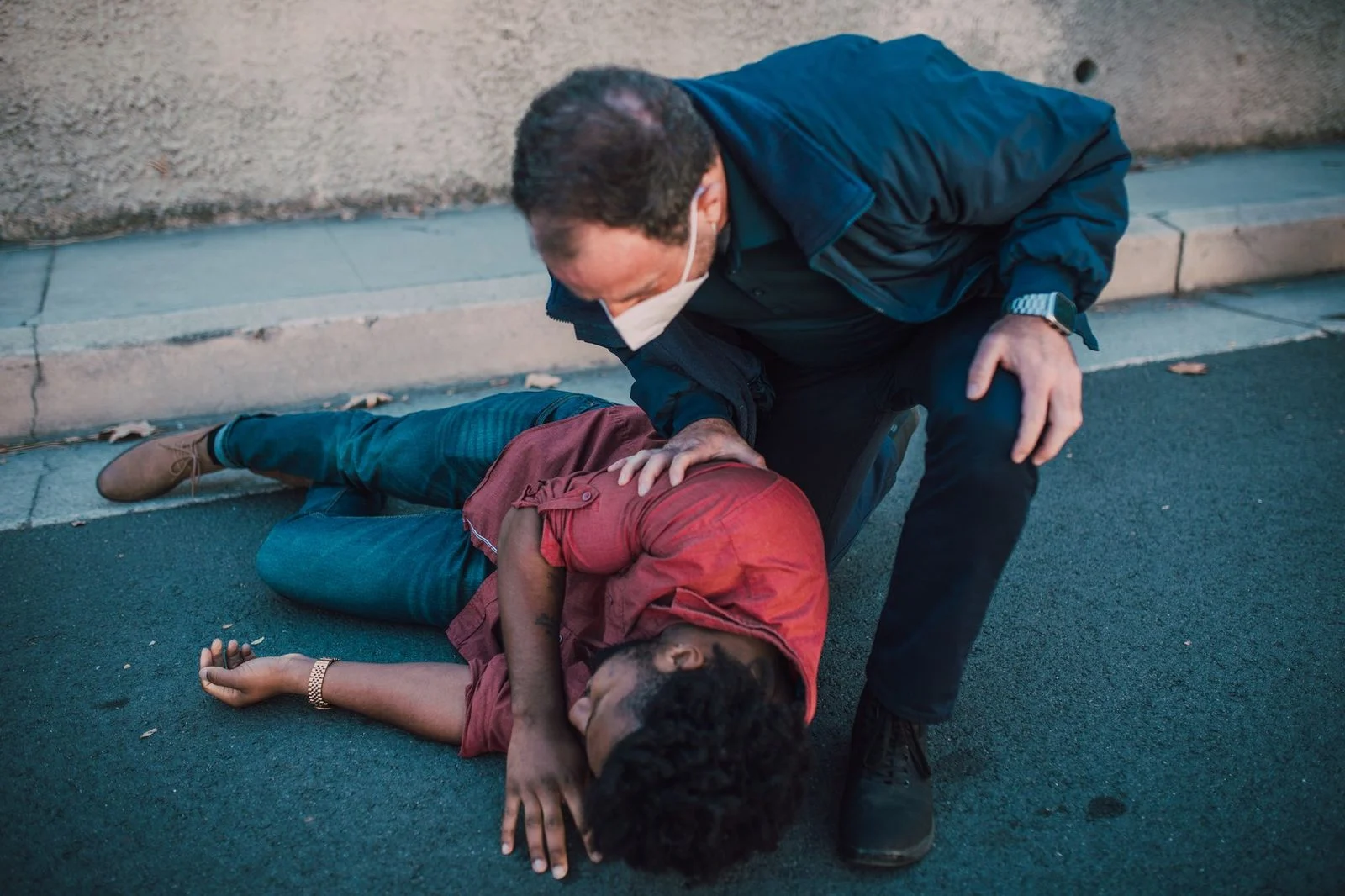
Talking with Colvin Accident Lawyers about what happened
If you’re in pain, handling insurance calls, or helping a family member after a crash, a dog bite, or a loss, you don’t have to sort it out alone. Deciding whether to speak with a lawyer is a big step, and our team is ready to listen to the facts of your situation. Contact Colvin Accident Lawyers through our contact page to talk it through.
What you can expect from our team
Clear communication
We keep you informed about significant developments in your case and explain decisions in plain language.
Early attention to deadlines
Many accident claims have filing deadlines, so we review the timing of your case at the start.
Organized records
We track police reports, medical records, bills and correspondence so the case file stays complete.
Direct contact
Call our office with questions as your case moves forward.
Compassionate support
We understand that injuries, lost income and grief affect the whole family, and we treat each client with respect.
Typical steps after you hire us
Case intake and review
We review the facts of the accident, your injuries and the parties involved to understand what happened.
Investigation and evidence
We gather police reports, photographs, witness information and other records that bear on how the accident occurred.
Medical documentation
Medical records and treatment notes help document your injuries and how they have affected your daily life and work.
Handling insurance communications
We communicate with insurance companies on your behalf so you do not have to manage those calls and letters alone.
Negotiation
Many claims are resolved through negotiation before any lawsuit is filed or tried.
Litigation if needed
If a fair resolution cannot be reached through negotiation, we discuss whether filing a lawsuit makes sense and what that process involves.
A key tip while your case is open
Keep every medical appointment and tell your providers about all of your symptoms. Avoid posting about the accident, your injuries or your activities on social media, and speak with your lawyer before giving a recorded statement to an insurance company.