Kern County Guide
What Is a Personal Injury Accident? A Kern County Guide
A plain-language look at what counts as a personal injury accident, the kinds of incidents that can lead to a claim, and how Colvin Accident Lawyers can help you understand your options.
By Donald Norman Colvin · Published November 5, 2026
A personal injury accident is any accident that hurts a person’s body or mind because another party was careless or acted wrongfully. If you’re asking “What is a personal injury accident?” after a crash or a fall, the answer turns on who caused the harm and how. This guide explains the terms in plain language.
What a personal injury accident means
A personal injury accident injures someone and may give that person a legal claim against whoever caused it. The law calls this area personal injury law, also known as tort law. It covers negligence and damages.
In everyday speech, “accident” means something unplanned. In the law, the question is different. Did someone’s carelessness or wrongful act cause the harm? California makes a person responsible for injury caused by a lack of ordinary care, meaning reasonable caution in managing their property or themselves.
Three questions shape most of these cases. Who caused the harm? How did it happen? What is the injury? Each case is reviewed on its own facts, so two injuries that look alike can lead to different paths.
If a crash or fall left someone you love hurt, and you're not sure what comes next, we're glad to talk it through with you. Talk it through with our team — the first consultation is free, confidential, and carries no obligation.

Examples of personal injury accidents
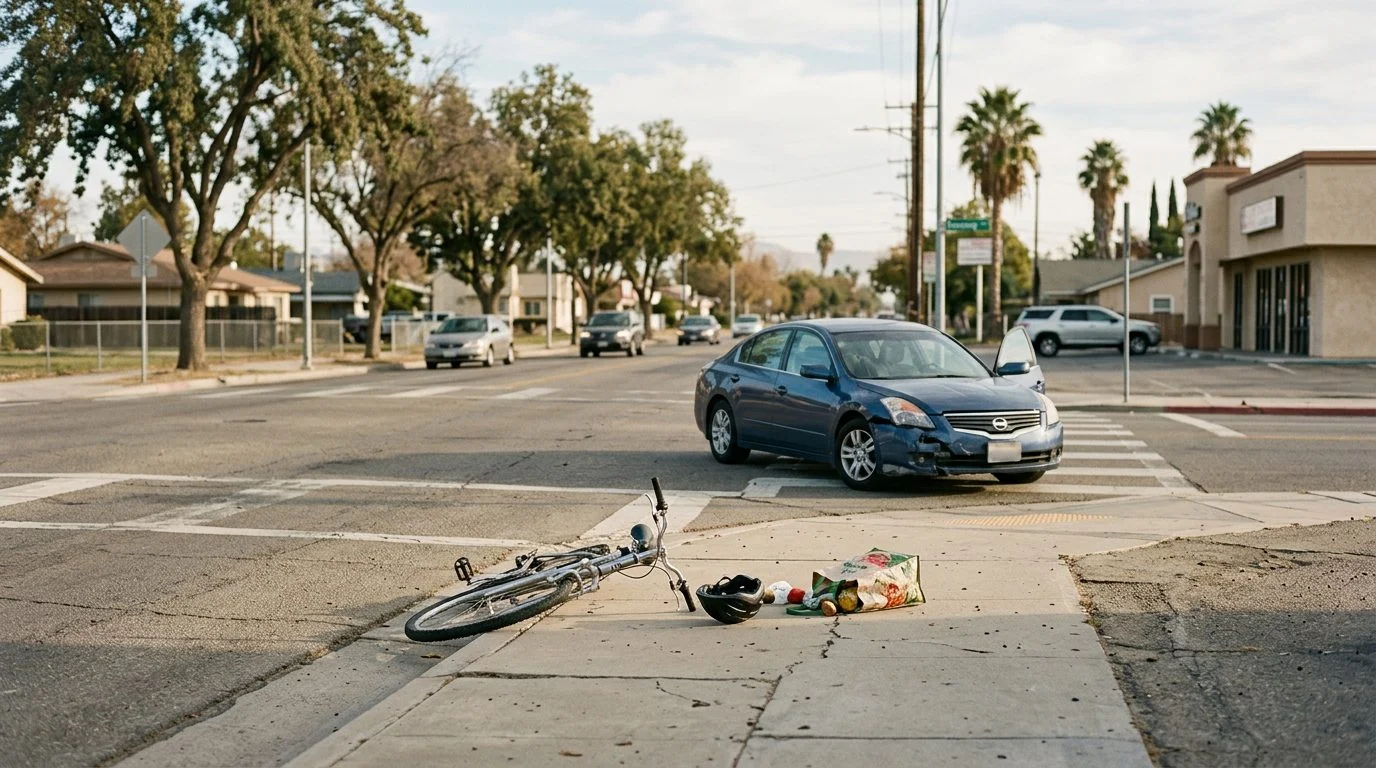
Common examples include car, truck, motorcycle, bicycle, pedestrian and bus accidents. Dog bites, slips and falls on someone else’s property, and catastrophic injuries also count. Wrongful death is the most serious kind. It happens when a family member dies because of another party’s wrongful act.
In a California wrongful death claim, the decedent’s surviving spouse, domestic partner (meaning a person who, at the time of the decedent’s death, was the decedent’s domestic partner in a registered domestic partnership established in accordance with subdivision (b) of Section 297 of the Family Code), children, and issue of deceased children may bring the claim, or, if there is no surviving issue, the persons, including the surviving spouse or domestic partner, who would be entitled to the property of the decedent by intestate succession. Under Cal. Code Civ. Proc. § 377.60, if they were dependent on the decedent, a putative spouse, the putative spouse’s children, stepchildren, parents, or (if the parents are deceased) legal guardians may also qualify. So may a minor who lived in the decedent’s household for the previous 180 days and depended on the decedent for half or more of their support. The decedent’s personal representative may file on their behalf.
Injuries vary widely. Broken bones, head and spinal injuries, and soft tissue damage such as sprains and strains are common examples. For more on crash claims, see our car accident claims page.
Is personal injury the same as a car accident?
A car accident is one kind of event that can lead to a personal injury claim. Personal injury is the wider category. It covers car crashes and many other kinds of accidents.
When a crash hurts someone, the injury is a personal injury matter. Truck, motorcycle, bus and bicycle crashes belong to the same family. They often involve different parties, though. A truck crash may involve a trucking company. A bus crash may involve a public transit agency, which can bring different filing rules.
Property damage is a separate loss. Repairs to a car and replacement of belongings are property losses. Harm to a person is a personal injury loss. One crash can produce both kinds of claim.
Keep a simple list of what you lost. Include medical bills, time off work, damaged property, and out-of-pocket costs. Those records matter whichever claim you bring.
Who pays for injuries in a car accident?
In a car accident claim, compensation often comes from the at-fault driver’s liability insurance. Your own coverage may also play a role, depending on your policy. California requires drivers to carry minimum liability insurance, as the California Department of Insurance explains. Those minimums are a floor, and serious injuries can cost far more.
An injured person’s own share of fault reduces recovery, but it does not automatically bar it. The rule is restated in Daly v. General Motors Corp..
Losses fall into two groups. Economic losses are objectively verifiable money losses, such as medical bills and lost earnings, as defined in Cal. Civ. Code § 1431.2. Non-economic losses are harms like pain, suffering and emotional distress. Where more than one party is at fault, each is liable for non-economic damages only in proportion to its own share of fault.
Some people start treatment under a medical lien. Under a medical lien overview, treatment can begin right away, and payment is deferred until the claim is resolved. Our guide on what not to say after a car accident is related reading for the days after a crash.
Do most personal injury cases go to court?
Many personal injury claims settle through talks with insurers or the other side, without a trial. Some move into a lawsuit, and the parties can settle at any point along the way.
A lawsuit starts when the injured person files a complaint with the court.
Timing matters. Code Civ. Proc. § 335.1 sets a two-year limit for an action for injury to an individual, or for a death caused by another’s wrongful act. The California Courts deadlines guide notes that exceptions and tolling (rules that pause the clock) can apply. That guide says the two-year rule includes truck and motorcycle injury claims.
Public agencies follow shorter rules. Under Gov. Code § 911.2, a claim for injury to a person generally must be presented within six months after it accrues. This can matter in bus accidents involving a public entity.
Next steps if someone you care about was hurt
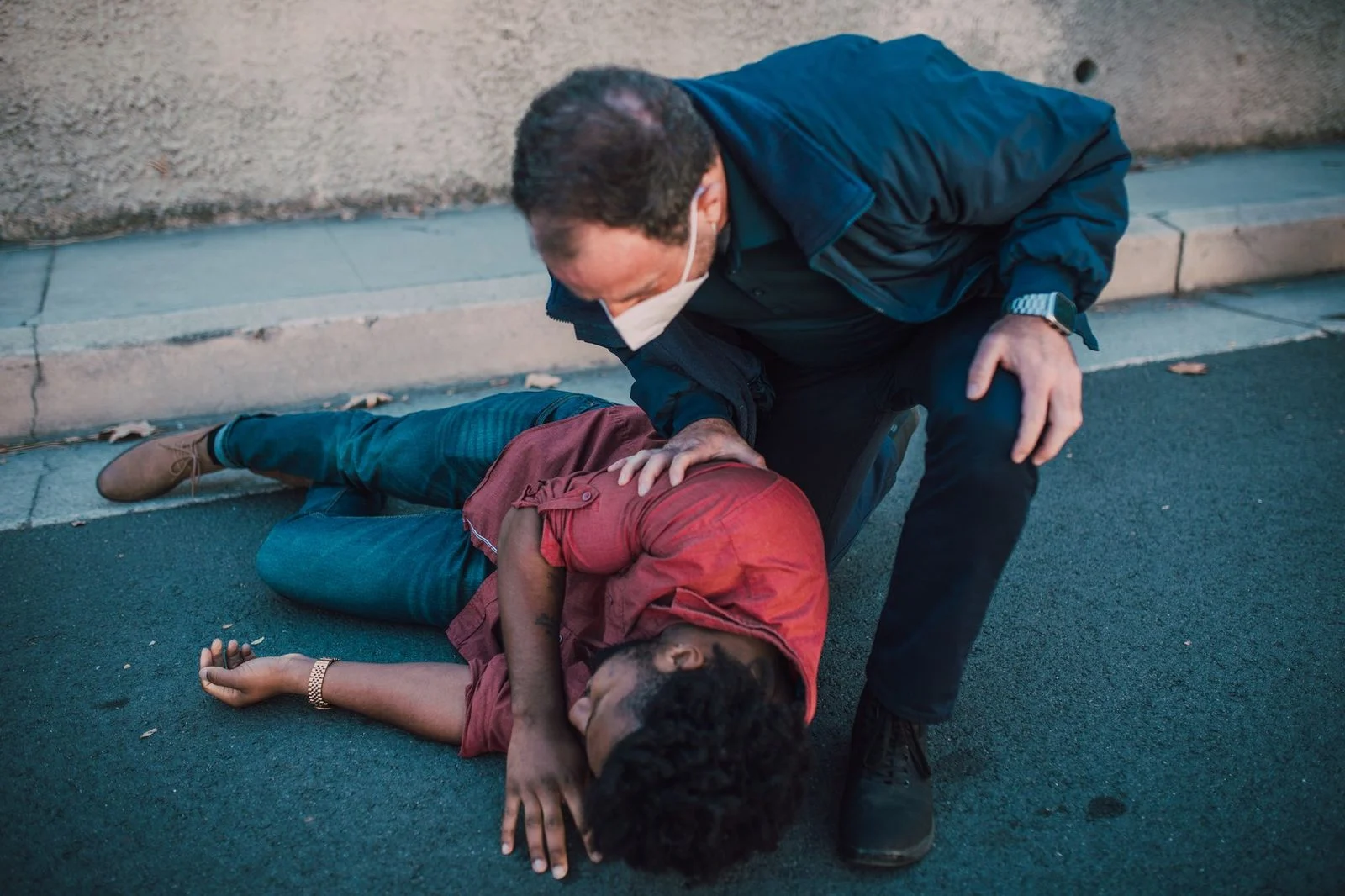
If someone you care about was hurt, you may be juggling medical visits, insurance calls and missed work. You don’t have to sort out every question today.
Here is what this guide covered. A personal injury accident involves harm to a person caused by another party’s carelessness or wrongful act. It can include car, truck, motorcycle, bicycle, pedestrian, bus, dog bite, premises liability, catastrophic injury and wrongful death matters. One crash can create both a personal injury claim and a property damage claim. Insurance, shared fault and filing deadlines all shape how a claim moves.
Colvin Accident Lawyers, based in Bakersfield, California, offers a free first consultation. It is confidential and carries no obligation to continue. If a crash or fall left your loved one hurt, reach out through our contact page and we’ll talk through what happened.
Colvin Accident Lawyers, Bakersfield, California — responsible for this site. Responsible lawyer: Donald Norman Colvin.
Not sure what your next step is?
Talk it through with our team — the first consultation is free, confidential, and carries no obligation.
Frequently Asked Questions
What is a personal injury accident?
A personal injury accident is an event that causes physical or emotional harm to a person because someone else was careless or acted wrongfully. Injuries may come from a crash, a fall, a dog bite, or another incident, and the injured person may be able to seek compensation from the responsible party.
What types of accidents can lead to a personal injury claim?
Common examples include car, truck, motorcycle, bicycle, pedestrian, and bus accidents, dog bites, and injuries caused by unsafe property conditions. Wrongful death claims arise when such an accident causes a person’s death. Colvin Accident Lawyers offers a free, confidential first consultation with no obligation to continue.
Does a personal injury claim require someone else to be at fault?
In most cases, yes. A personal injury claim generally depends on showing that another person or party was negligent or wrongfully caused the harm, and California law may reduce recovery if the injured person also shared some responsibility.
How long do I have to file a personal injury claim in California?
Under California Code of Civil Procedure section 335.1, most personal injury lawsuits must be filed within two years of the injury, though exceptions can apply. Because deadlines depend on the facts of each case, you can contact Colvin Accident Lawyers to discuss your situation during a free, confidential consultation.
Common Accidents That Lead to Personal Injury Claims
Vehicle Accidents
Car, truck, motorcycle, and bus collisions can cause serious injuries, and the people involved often face medical bills, lost work, and long recoveries.
Pedestrian and Bicycle Incidents
People on foot or on bikes are often injured when drivers fail to yield, ignore traffic rules, or do not see them in time.
Premises and Dog Bite Injuries
Unsafe property conditions and dog attacks can cause harm that may give rise to a claim against the property owner or responsible party.
Catastrophic Injury and Wrongful Death
Severe, life-changing injuries and fatal accidents affect entire families and raise questions about medical care, support, and loss.
How Colvin Accident Lawyers Can Help
Free First Consultation
Your initial consultation is free, confidential, and comes with no obligation to continue.
Confidential Conversations
Share the details of your accident in a private setting so you can understand the situation clearly.
Focused on Central California
We serve accident victims and families in Kern County and nearby communities, including Bakersfield, Fresno, Visalia, Lancaster, Palmdale, Delano, and Tehachapi.
Support for Families
We understand that accidents affect the people who love the injured person, and we work to address those needs with care.
Important: Get Medical Care Right Away
Some injuries, such as internal injuries or concussions, may not show symptoms until later. Seeing a medical provider promptly protects your health and creates a record of your injuries.