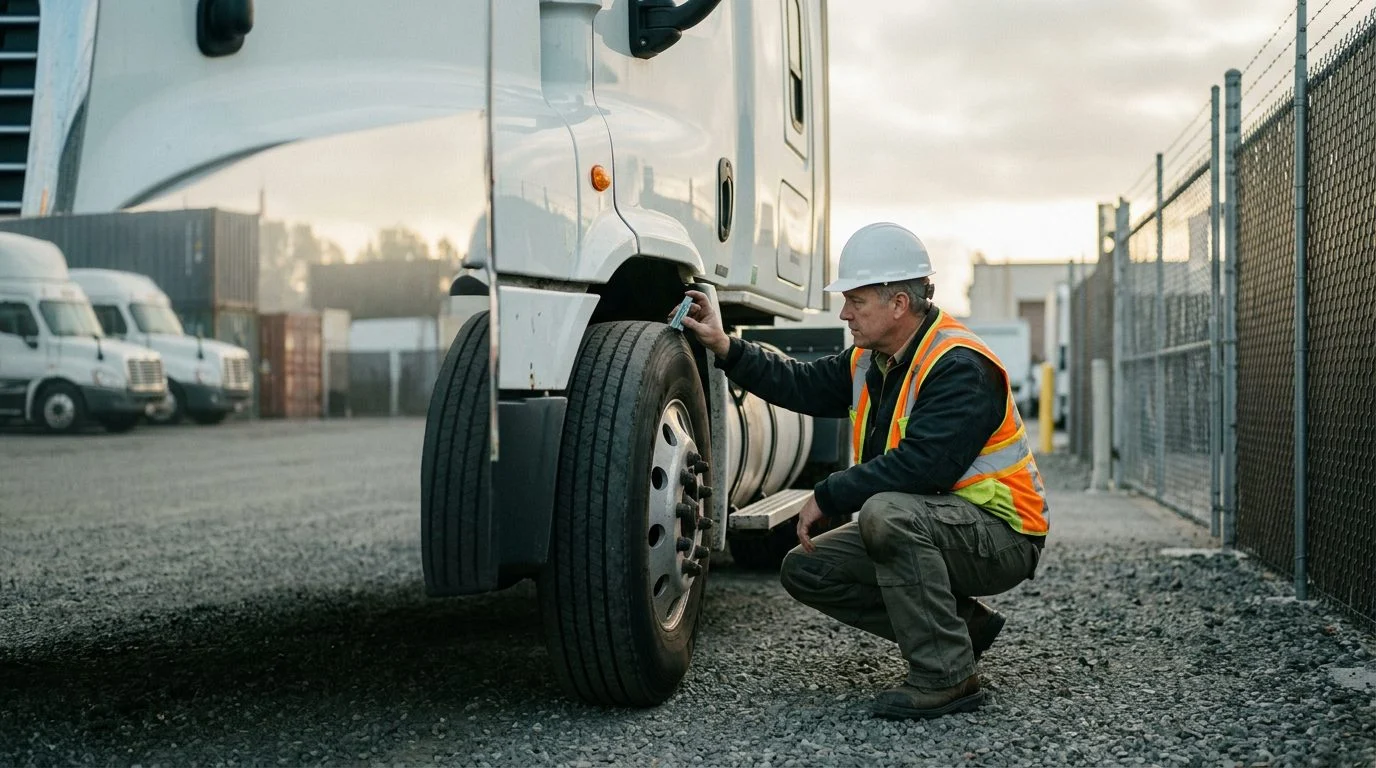
Truck Accident Lawyer | Bakersfield, CA
Unsecured Cargo Truck Crashes: Understanding Your Options in California
Loose loads, shifting freight, and falling cargo can turn an ordinary drive into a serious crash. Colvin Accident Lawyers represents people injured in these collisions and their families.
By Donald Norman Colvin · Published October 29, 2026
Short Answer: Who Can Be Named When a Load Comes Loose
Questions about unsecured cargo truck crash liability California families raise usually start with one question: who controlled the load? Most of these claims turn on negligence. Negligence means someone failed to use ordinary care, and that failure caused the harm. California law makes everyone responsible for an injury occasioned to another by a lack of ordinary care in managing their property or person, except so far as the injured person has, willfully or by want of ordinary care, brought the injury upon himself or herself. Cal. Civ. Code § 1714
In a cargo case, the questions are practical. Was the load secured, weighed, and balanced the way federal rules require? Did that gap cause the debris, the loss of control, or the rollover? Who handled the load at each step?
More than one party may have a role. The driver, the motor carrier that runs the truck, the company that loaded it, and any broker or logistics firm in the chain can each be part of the picture. The sections below cover each party and the proof that ties the load to the crash.
If a shifting load or falling cargo hurt you or someone you love, we can talk through who may be responsible and what claim you may have. Talk it through with our team — the first consultation is free, confidential, and carries no obligation.
Types of Unsecured Cargo Accidents
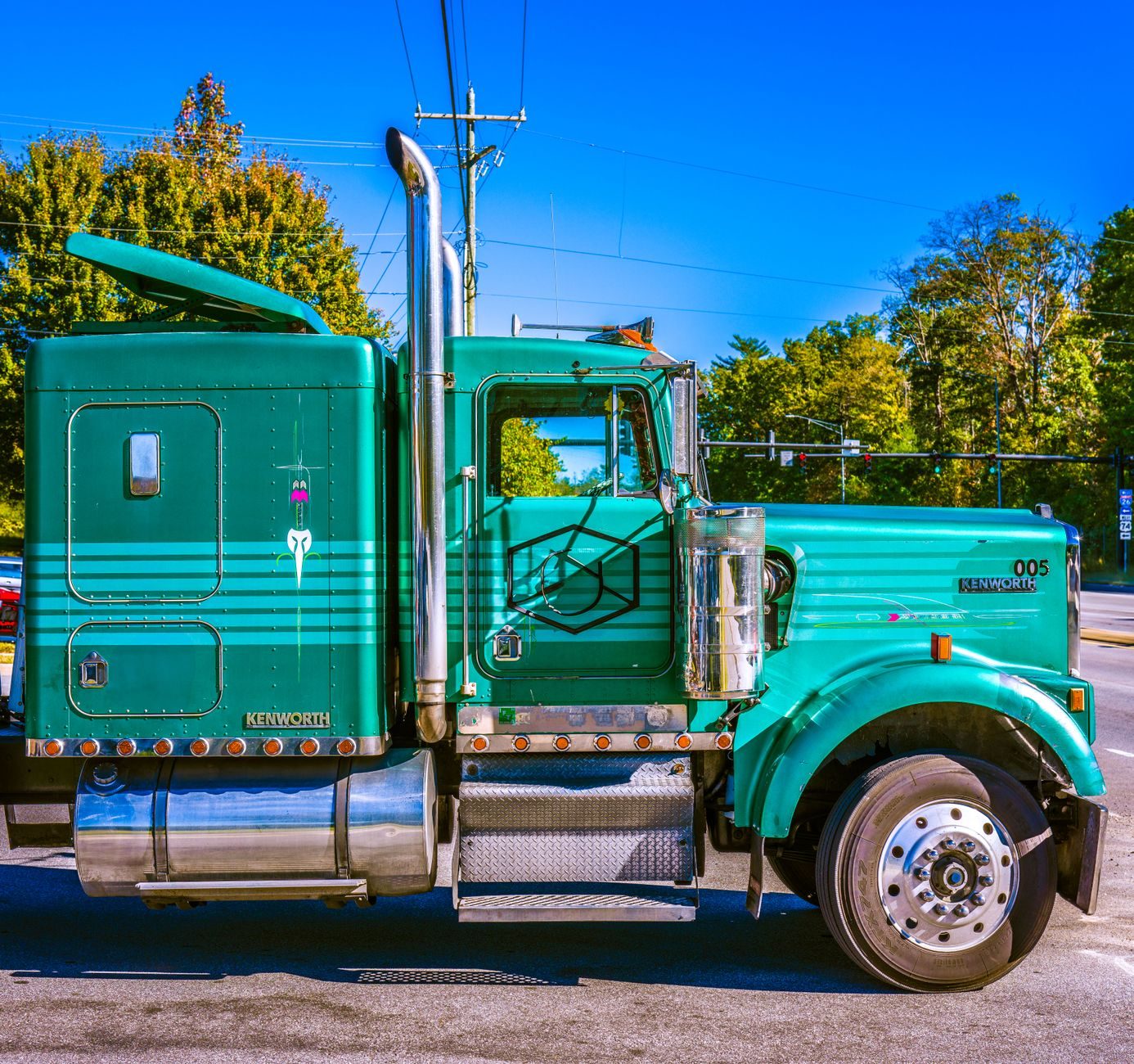
Unsecured cargo crashes tend to follow a few patterns. Knowing the pattern helps show what went wrong.
The first pattern is falling debris. Cargo or loose items can come off a moving truck and land in freeway lanes. Drivers behind it may swerve, brake hard, or get struck by what lands in the road. Federal rules require that each commercial motor vehicle, when transporting cargo on public roads, have its cargo secured to prevent it from leaking, spilling, blowing or falling from the vehicle. 49 C.F.R. § 393.100 49 C.F.R. § 393.100
The second pattern is a shifting load. Cargo that slides inside or on the trailer can change the truck’s balance. That can lead to loss of control, a jackknife, or a rollover. The same federal rule requires cargo to be secured so it does not shift far enough to hurt the vehicle’s stability or maneuverability.
The third pattern is an overloaded truck. Extra weight can make a truck harder to stop and steer. A truck that sits low or seems unbalanced can be a warning sign that something is wrong with the load.
The fourth pattern hits people outside the truck. A motorcyclist, bicyclist, or pedestrian can be struck by cargo or debris from a passing truck. These crashes can cause sudden, serious injuries, often with little warning.
Laws for Securing Cargo and Weight Limits in California
Federal cargo securement rules apply to commercial trucks in California. Caltrans truck cargo safety requirements
The federal rules get specific. Cargo must be firmly immobilized or secured on or within a vehicle by structures of adequate strength, dunnage or dunnage bags, shoring bars, tiedowns or a combination of these, for articles of cargo, except commodities in bulk that lack structure or fixed shape (e.g., liquids, gases, grain, liquid concrete, sand, gravel, aggregates) and are transported in a tank, hopper, box, or similar device that forms part of the structure of a commercial motor vehicle. 49 C.F.R. § 393.106 The same section adds a number you can check: the aggregate working load limit of the tiedowns must be at least one-half the weight of the cargo they secure. In that total, a tiedown that runs from the vehicle to an anchor point on the cargo, or that goes through, over, or around the cargo and attaches on the same side of the vehicle, counts for only half its working load limit. A tiedown that goes from one side of the vehicle, through, over, or around the cargo, to the other side counts for its full working load limit.
Proof that a safety rule was broken can help show carelessness. It does not decide the case alone. The key question is whether the broken rule contributed to the crash. A loose strap that never mattered is different from one that let a pallet slide into traffic.
The Truck Driver’s Responsibility for the Load
The driver must check that the cargo is secured before the trip and keep checking during it. Federal rules say a driver may not operate a commercial vehicle unless its cargo is properly distributed and adequately secured. 49 C.F.R. § 392.9
The timing rules are specific. Unless the exception in paragraph (b)(4) applies, a truck driver must inspect the cargo and its securement devices within the first 50 miles of a trip, 49 C.F.R. § 392.9. The exception covers a driver of a sealed vehicle who has been ordered not to open it, or a driver of a vehicle loaded so that inspection of its cargo is impracticable. The driver must check again whenever duty status changes, after 3 hours of driving, or after 150 miles, whichever comes first. 49 C.F.R. § 392.9
These checks matter because loads can settle and loosen during a trip. A driver who skips them, or who notices a problem and keeps driving, may be part of the claim.
Federal rules also make the carrier responsible for enforcing these duties. 49 C.F.R. § 390.11
Drivers and carriers often blame each other. The driver may say the company loaded it. The company may say the driver should have checked. The rules place duties on both sides, so the facts about who did what matter.
The Trucking Company: Negligent Hiring, Supervision, and Retention
A trucking company can be responsible for its own mistakes, not only for its driver’s. Federal rules require every motor carrier to systematically inspect, repair, and maintain the vehicles under its control. Parts and accessories must be in safe operating condition at all times. 49 C.F.R. § 396.3
That includes equipment that holds cargo. Trailer tie-downs, straps, chains, and brakes are all part of maintenance. A carrier that keeps worn tie-downs in service has a problem the claim can examine.
California also looks at how a company picks and keeps its drivers. A company that kept a driver with a history of careless load handling may face hard questions about why.
Ownership can matter too. Under California law, every owner of a motor vehicle is liable for injury caused by negligent operation of the vehicle by a person using it with the owner’s permission. Cal. Veh. Code § 17150 That can matter when the truck’s owner is different from the company that drives it.
The Loading Company or Freight Shipper
Who actually loaded the truck is one of the first facts to pin down.
The federal rule says each commercial motor vehicle, when transporting cargo on public roads, must be loaded and equipped, and its cargo secured, to keep freight from falling or spilling. 49 C.F.R. § 393.100 sets out the federal subpart on loading and securing cargo on commercial motor vehicles. 49 C.F.R. § 393.100 sets out the federal subpart on loading and securing cargo on commercial motor vehicles.
Paperwork helps show who controlled the cargo. Bills of lading, weight tickets, and loading records can show what was shipped, how it was weighed, and who signed for it.
A shipper’s instructions also matter. If a shipper asked a carrier to put more freight on a truck than it could safely carry, that request may connect the shipper to the harm. Each case depends on what was said and done.
Not sure what your next step is?
Talk it through with our team — the first consultation is free, confidential, and carries no obligation.
Third-Party Logistics Firms and Other Parties in the Chain
A broker or third-party logistics firm can share responsibility in some cases, especially when it chose an unsafe carrier.
Other companies may have controlled the trailer, the tie-down equipment, or the maintenance. Equipment owners, lessors, and maintenance contractors can each be part of the chain.
Contracts between companies can show who had control over the load. Those contracts shape the facts, but they do not decide every question about who is responsible.
Several parties may be named in one claim. Under California law, in any action for personal injury, property damage, or wrongful death based on principles of comparative fault, a defendant’s liability for non-economic damages is several only, not joint. Each defendant pays only the non-economic damages allocated to it, in direct proportion to its percentage of fault. Cal. Civ. Code § 1431.2
How Evidence Links the Load to the Crash
Evidence ties the load to the crash through photos, video, records, and reports. The goal is to show what was on the truck and how it moved before the harm.
Photos of debris in the road, open trailer doors, or straps on the pavement can be strong early proof. Dashcam footage and nearby traffic cameras may show the moment a load shifted or fell.
Records matter too. Weigh station records, inspection reports, and load documents show weight and securement. Carriers must keep inspection and repair records for each vehicle for 1 year, and for 6 months after the vehicle leaves their control. 49 C.F.R. § 396.3 That window can close, so early written requests to preserve records help.
Police reports and witness statements can describe the load and when the problem began. Notes written soon after a crash can also help.
Before giving a recorded statement to the trucking company’s insurer, think carefully about what you say. The insurer works for the other side of the claim.
When a Public Agency or Another Driver Is Involved
Another driver or a public agency can share fault in the same crash. A driver who brakes suddenly, changes lanes unsafely, or cuts off a truck may be part of the story. Road conditions can also play a role. The facts decide how much each party contributed.
Deadlines differ by defendant. For injury or death caused by the wrongful act or neglect of another, California’s time limit is two years. Cal. Code Civ. Proc. § 335.1 When a public entity is involved, the notice rule is much shorter. A claim for death or for injury to person or to personal property or growing crops must be presented not later than six months after the cause of action accrues. Cal. Gov. Code § 911.2
California also uses comparative fault. Li v. Yellow Cab Co.
Talk With Colvin Accident Lawyers About Your Crash
Maybe a load shifted or spilled in front of you. Maybe you saw a truck that looked overloaded before it hit your car or your family’s car. Now you need to decide who to hold responsible and how to protect the claim.
Colvin Accident Lawyers can talk through the load, the carriers and shippers involved, and the records that may still be preserved. Contact Colvin Accident Lawyers. The first consultation is free, confidential, and comes with no obligation to continue.
Colvin Accident Lawyers is based in Bakersfield, California. The responsible lawyer for this page is Donald Norman Colvin, Colvin Accident Lawyers, Bakersfield, California.
Frequently Asked Questions
Can a trucking company be held responsible if cargo fell off its truck?
Yes, a trucking company can be held responsible when cargo causes harm. Liability depends on the facts of the crash.
Does an overloaded truck make the company liable?
An overloaded truck can be part of a claim. It must be tied to how the crash happened.
How long do I have to file a claim in California?
For most injury claims against private parties, the limit is two years. A claim involving a public entity can have a six-month notice deadline.
Common Ways Unsecured Cargo Causes Crashes
Loads That Fall From the Truck
Cargo that is not properly tied down, chained, or enclosed can fall onto highways and into the paths of other vehicles, including cars, motorcycles, and bicycles.
Shifting Freight
When freight moves during braking, turning, or lane changes, the truck can lose stability or rollover, sometimes without warning to nearby drivers.
Overloaded or Improperly Balanced Trucks
Loads that exceed weight limits or are unevenly distributed can affect steering, braking, and control, increasing the risk of a crash.
Debris Left on the Road
Materials that spill from a truck and remain on the roadway can cause sudden hazards for drivers, pedestrians, and cyclists.
How We Can Help
Reviewing the Facts
We look at how the cargo was secured, what was on the truck, and how the crash happened.
Serving Injured Families
We represent accident victims and families in Kern County and surrounding communities.
Confidential Conversations
Your first consultation is confidential and free of charge, with no obligation to continue.
Focused on Your Recovery
We work to take the legal burden off your shoulders so you can focus on medical care and your family.
Keep Evidence From the Scene
Photos of the crash scene, the truck and its load, road debris, and any visible injuries can help document what happened. Keep medical records and any written communications about the crash.