Kern County | Bakersfield
Fatal Accident Police Report in Kern County: How to Get It
Learn what a fatal collision report contains and why it matters to a family's case. Colvin Accident Lawyers can explain next steps during a free, confidential first consultation.
By Donald Norman Colvin · Published October 31, 2026
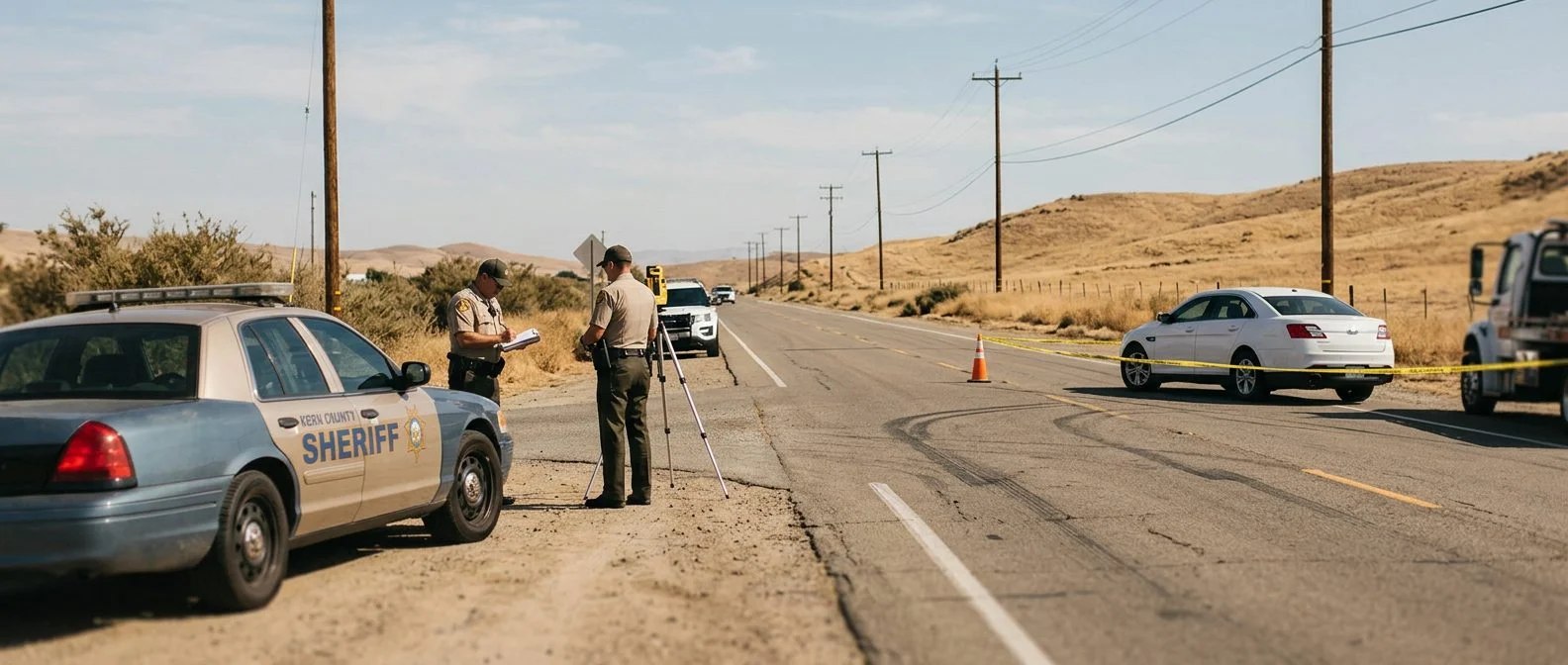
The short answer to how to get fatal accident police report Kern County records is this: ask the agency that investigated the crash. That agency is usually the California Highway Patrol, the Bakersfield Police Department, or the Kern County Sheriff’s Office. This guide walks through each step, what the report holds, and how long it can take.
What Is a Fatal Accident Police Report?
A fatal accident police report is the official collision report written after a crash that kills someone. It records the time and place of the crash, the vehicles and people involved, witness details, and the officer’s first findings.
Officers and investigators usually prepare it after they visit the scene, speak with the people involved, and review what they can gather. Investigators may add to a report as more information comes in.
Families often ask for it while still grieving. Many are also planning a funeral, handling hospital or medical bills, and fielding calls from insurers. The report can feel like one more task on a long list.
Keep this report separate from other paperwork. The police report is one document. The driver’s own report to the DMV is another, and an insurance claim is a third. Families often assume one document covers all three, but each serves its own purpose.
Which Agency Keeps the Report in Kern County?
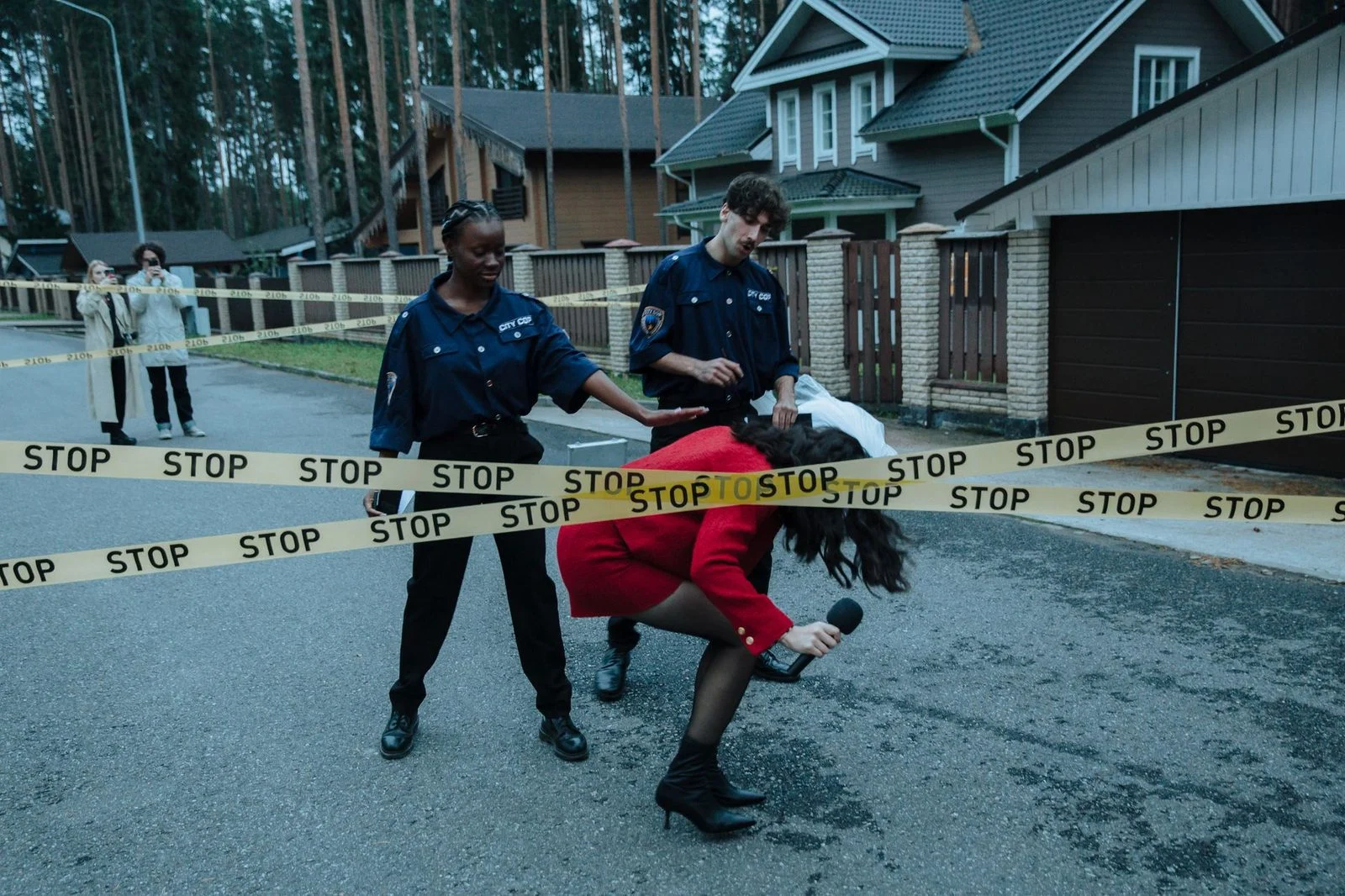
The agency that responded to the crash keeps the report, and the crash location decides which agency that is.
- State highways: California Highway Patrol (CHP)
- Inside Bakersfield city limits: Bakersfield Police Department
- Unincorporated areas of Kern County: Kern County Sheriff’s Office
Some cities in Kern County run their own police departments. If the crash happened in one of those cities, that department may hold the report.
If you’re not sure which agency responded, check the crash location and any paperwork from the scene. A badge number, unit name, or case or incident number can point you to the right office.
A fatal crash may involve more than one agency or a dedicated traffic unit. If you hear from more than one office, ask which one wrote the official report.
How Do You Request the Report, Step by Step?
You request the report directly from the agency that investigated the crash, through its records or traffic division. Follow these steps in order.
- Gather the details. Write down the date, time, exact location, and the names of everyone involved. Find any case or incident number on a scene card or notice.
- Call or visit the records or traffic division. Ask how collision reports are requested. Ask about online requests, mailed forms, in-person pickup, and any fee.
- Confirm current steps. Agency processes and fees can change. Confirm the steps with the agency that responded before you send anything.
- Keep a log. Save copies of each request, confirmation numbers, the date of each contact, and the name of each person you spoke with.
A written log saves time if the request stalls. It also helps you answer questions later.
Who Can Request the Report and What Should You Bring?
Agencies often release reports to people involved in the crash or to someone acting for them. Be ready to show who you are and how you’re connected to the person who died.
- A government-issued photo ID.
- Proof of your relationship to the person who died, such as a death certificate or family documents.
- If you’re acting for the estate, papers showing you have authority to act for it.
Agencies set their own request rules and may ask for more. Call ahead to confirm what they need. Bring copies when you can, and keep the originals in a safe place.
How Long Does the Report Take, and What Should You Do Meanwhile?
Fatal crash reports usually take longer than reports for minor collisions because the investigation is more involved. Ask the agency for an estimated timeline and how to check status.
While you wait, use the time well.
- Write down what family members remember while it’s fresh. Note dates, times, and who said what.
- Save photos, texts, voicemails, and any notes from the scene.
- Keep medical, funeral, and insurance papers together in one folder.
The report is a starting point. It isn’t the full account of what happened, so keep building your own record. Deadlines matter, too. For many injury and death claims, Code of Civil Procedure § 335.1 sets a two-year period.
What Does a Fatal Crash Report Contain, and What Can’t It Tell You?
A fatal crash report usually lists the parties, the vehicles, a diagram, a narrative, injuries, witness statements, citations, and the officer’s notes on contributing factors.
The report shows what the officer saw and learned when it was written. Other evidence can add to it or point a different way. Vehicle data, surveillance video, and outside engineering analysis are common examples.
The officer’s notes on who caused the crash are not the last word. An injured person’s own share of fault reduces what they can recover, but it doesn’t bar recovery entirely. Daly v. General Motors Corp. explains this rule.
That’s why a report is one piece of a larger review of liability and damages.
Common Questions About Fatal Crash Reports in Kern County
Most questions come down to which agency responded, what reporting rules apply, and how long the review takes.
Do I have to report a minor car accident in California?
Under Vehicle Code § 16000, the driver must report an accident within 10 days after it occurs if it resulted in property damage over $1,000 to any one person, bodily injury, or death. The DMV’s accident reporting page covers the SR-1 form, which is separate from police and insurance reports.
Are car accident reports public record?
Not every person can get one. The agency that holds the report decides who may receive it, and it may ask how you’re connected to the crash.
How long does it take to get a police report?
Timing varies by agency and by whether the investigation is still open. Fatal crash reports usually take longer than reports for minor collisions.
Bringing the Report to Colvin Accident Lawyers
A fatal crash report is one piece of evidence a lawyer reviews when looking at a wrongful death claim. Knowing how to get fatal accident police report Kern County records is only the first step.
Wrongful death claims also depend on who may bring them. Under Code of Civil Procedure § 377.60, a decedent’s surviving spouse, domestic partner, or children may assert the claim, along with certain others. The personal representative may also bring it on their behalf.
Deadlines can be shorter when a public agency is involved. Government Code § 911.2 requires a claim relating to a death or injury to be presented to a public entity not later than six months after the cause of action accrues.
A lawyer reviewing a fatal crash claim looks at the report alongside medical records, witness information, and scene details. Colvin Accident Lawyers is based in Bakersfield and handles wrongful death cases and car, truck, and motorcycle accident claims. Donald Norman Colvin is the responsible lawyer for this page.
If you lost someone in a Kern County crash, the report may be in progress or already in your hands. You don’t have to decide what it means alone. Contact Colvin Accident Lawyers for a free, confidential first consultation, with no obligation to continue: Colvin Accident Lawyers contact page.
Colvin Accident Lawyers, Bakersfield, California — responsible for this site.
Why the report matters after a fatal crash
It records the official account
A police report documents the scene, the parties involved, witness information and the investigating officer's observations.
It supports the claim
The facts recorded at the scene can help establish how the collision happened and who may be responsible.
It is handled with care
Families grieving a loss should not have to chase paperwork alone. We help you understand what to request and what it means.
It works alongside other evidence
We look at the report together with medical records, photographs, vehicle data and witness statements.
Handle the report with an attorney's guidance
Reports and related records can take time to become available, and errors can affect the details of your case. Colvin Accident Lawyers offers a free, confidential first consultation with no obligation to continue.
Questions families often ask
What is in a fatal collision report?
Reports typically include the date, time and location of the crash, diagrams, vehicle and driver information, and the officer's notes.
Why might the report be incomplete?
Investigations of fatal crashes can take months. Early reports may be updated as the investigation continues, so it is important to review them carefully.
Who else holds crash information?
Hospitals, the coroner, and the California Highway Patrol or local police agency may each hold records that help reconstruct the collision.
What should I do first?
Keep any documents you already have, write down what you remember, and call Colvin Accident Lawyers to talk through your options in a confidential consultation.