Premises Liability · Bakersfield, CA
Hurt on Someone Else's Property in Bakersfield? Talk to a Premises Liability Lawyer
Colvin Accident Lawyers focuses on people injured by dangerous conditions on property owned or controlled by someone else, including slip and falls, unsafe walkways, and inadequate security. Serving Kern County and nearby communities.
By Donald Norman Colvin · Published November 1, 2026
If a dangerous condition hurts someone, the injured person may have a claim against the party responsible for it. A premises liability lawyer handles these negligence claims, from a store floor spill to a broken stair on a rental property. This guide explains how these claims work in California, what you need to show, and which deadlines matter. It is written for readers in Bakersfield, Kern County and nearby Central Valley and Antelope Valley communities.
What Premises Liability Means Under California Law
Premises liability is a negligence claim. It asks whether the person in control of a property failed to use reasonable care, and whether that failure caused an injury. For recreational visitors, however, Civil Code section 846 provides that an owner owes no duty of care to keep the premises safe for entry or use for a recreational purpose, except as that section provides. The rule starts with a broad principle. Under Civil Code section 1714, a person is responsible for injuries caused by a lack of ordinary care in managing their property or themselves. Premises cases apply that principle to the physical condition of a place.
The claim focuses on the condition of the property and how the person in control handled it. Customers, guests, visitors and delivery drivers can all be hurt by a hazard that leads to a claim.
In legal terms, “premises” is broader than most people think. A spill on a store aisle, a loose step on an apartment staircase and a cracked sidewalk can all fall within it.
The central question is simple. Would a careful owner have fixed, guarded or warned about the hazard? You will often hear the phrase “premises liability lawyer.” It describes a lawyer who handles this kind of negligence case. The work includes looking into how the condition arose, who controlled the area and what records show about it.
If you were hurt on someone else's property, our team can talk through what happened and whether the property owner may be responsible. Talk it through with our team — the first consultation is free, confidential, and carries no obligation.
Types of Property Where These Injuries Happen
Premises injuries happen on almost any property people visit. The place matters because it shapes who controlled the hazard and what they should have done about it.
Common problems include spills left uncleaned, missing warning signs and worn or damaged flooring.
Apartments and rentals. Landlords and property managers often control common areas such as hallways, stairs, laundry rooms, gates and parking lots. A tenant may control the unit itself. Who controlled the hazard is often one of the first questions to answer.
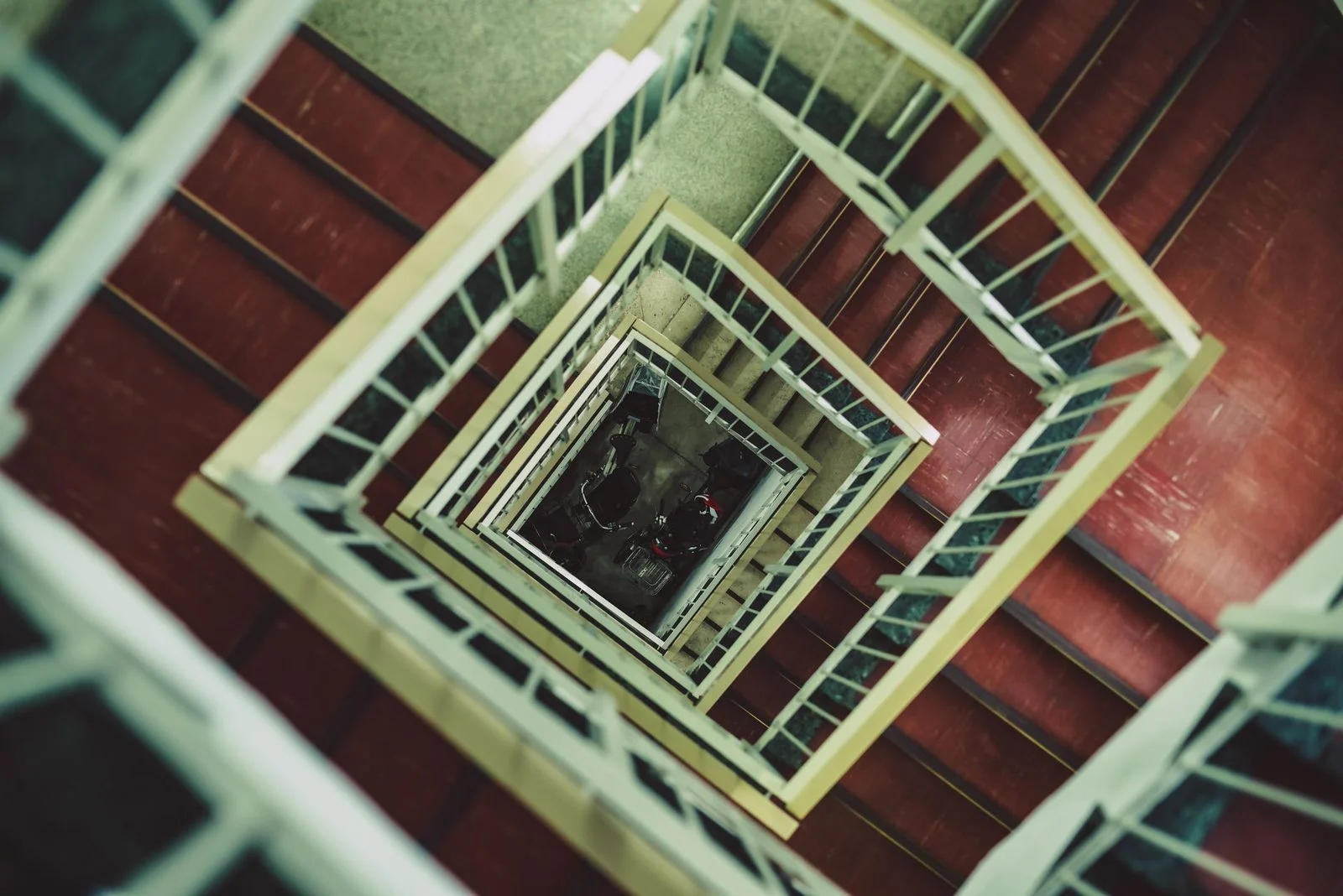
Parking lots and shopping centers. Lots, parking structures and shopping walkways can carry risks from uneven pavement, poor lighting and unsecured areas. Dark stairwells and isolated corners are also common concerns.
Public property. Sidewalks, parks, government buildings and transit facilities may be owned by a city, county, the state or a public transit operator. These claims follow different procedures. A written government claim usually comes first, and the timing is much shorter. The deadlines are covered below.
Private homes. Homeowners owe duties to people who come onto their property, and those duties can depend on why the visitor was there. California’s recreational use law in Civil Code section 846 generally limits an owner’s duty for people entering for recreational purposes. That law also has exceptions, so the facts of each visit matter.
Common Examples of Premises Liability Incidents
The most common premises injuries involve a hazard someone could have fixed, blocked or marked. These cases tend to turn on a few specific details.
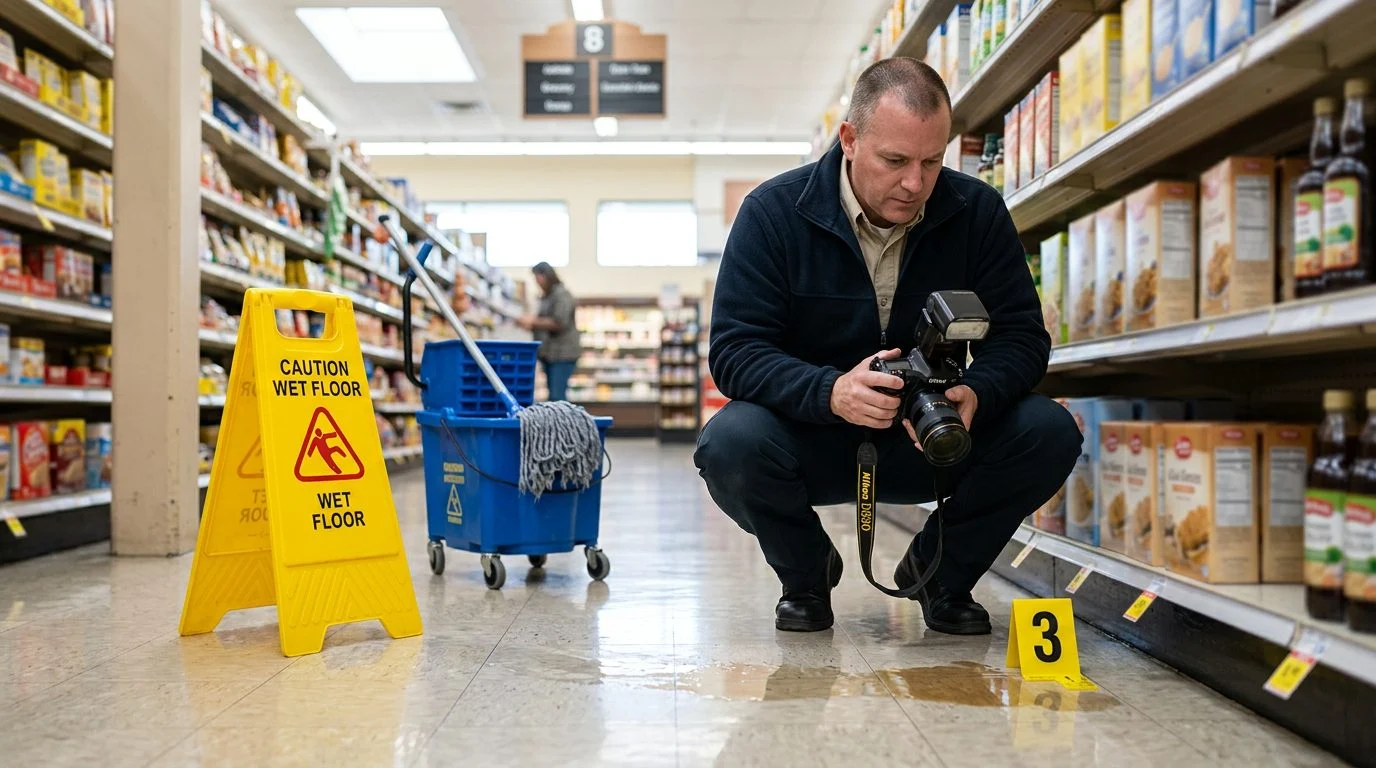
A slip on a wet floor with no warning sign is one of the most frequent examples. Trips over uneven pavement, torn carpet, broken stairs and missing handrails also come up often. Falling merchandise, shelving and loose ceiling materials can cause serious harm in stores and warehouses.
Poor lighting or weak security in a parking lot or stairwell can also lead to injury. You can read more on the dog bite lawyer page. Pools, balconies, fences and playground equipment that were not maintained or secured also belong in this group.
Two things often shape these cases early. The first is how quickly the hazard was cleaned up or repaired. Stores may mop a spill within minutes, so photos taken at the scene matter. The second is whether anyone wrote the condition down.
A common mistake is assuming a fall was your fault because you did not see the hazard. That question needs a close look at the scene.
What a Premises Liability Claim Must Show
Each one has to connect to the next.
Duty. The owner or controller owes a visitor reasonable care, except that under Civil Code section 846 an owner owes no duty of care to keep the premises safe for entry or use for any recreational purpose, subject to the exceptions in that section. The level of care can depend on whether the visitor was invited, allowed or present without permission.
Breach. The condition was dangerous, and the owner failed to repair it, guard it or warn about it. For recreational visitors, however, Civil Code section 846 provides that an owner owes no duty to give any warning of hazardous conditions, uses of, structures, or activities on those premises, except as that section provides.
Notice. The owner knew about the hazard or should have discovered it through reasonable inspection. For public entities, the law looks at actual notice and constructive notice. Constructive notice generally requires that the condition existed long enough, and was obvious enough, that a careful entity should have found it.
Causation. The dangerous condition caused the injury. A doctor’s records and the timeline of events usually help show this link.
Economic damages are objectively verifiable money losses, such as medical expenses and lost earnings. Non-economic damages are subjective losses, such as pain, suffering and emotional distress. Civil Code section 1431.2 defines both groups.
Who Can Be Held Responsible
The answer depends on who controlled the hazard and who created or left it in place.
Property owners and landlords are the most common defendants in these cases. Tenants can be responsible for areas they control, such as a business space or a private yard. Property management companies and maintenance contractors can be responsible when their work created the hazard or left it unfixed.
Businesses that operate on the property may also share responsibility.
Public entities follow a stricter path. Under Government Code section 835, a public entity can be liable for a dangerous condition only if several things are shown. The condition must be dangerous, it must cause the injury, and it must create a reasonably foreseeable risk. Either a negligent or wrongful act or omission of a public employee within the scope of employment created the condition, or the entity had actual or constructive notice of it a sufficient time before the injury to have taken measures to protect against it. Under Government Code section 830, a dangerous condition is one that creates a substantial risk of injury, not a minor or trivial one, when the property or adjacent property is used with due care in a reasonably foreseeable way.
When more than one party shares blame, the rules can split non-economic damages. Under Civil Code section 1431.2, in any action for personal injury, property damage, or wrongful death based upon principles of comparative fault, each defendant’s liability for non-economic damages is several only. Each one pays a share in direct proportion to its percentage of fault.
How the Injured Person’s Own Conduct Is Weighed
Your own fault can reduce what you recover.
For example, if you were found 30% at fault, your damages would be reduced by that 30%.
California law also includes a presumption that ties a safety rule to negligence. Under Evidence Code section 669, failure to use due care can be presumed when someone violated a statute, ordinance or regulation of a public entity. The violation must have proximately caused the injury, the injury must be the kind the rule was meant to prevent, and the injured person must be one of the class of persons for whose protection the rule was adopted. The presumption can be rebutted.
Fault gets weighed by looking at the facts. Was a warning sign visible? Was the area lit? Were you distracted by a phone or by a child? Was the hazard in a place where visitors were expected to walk? Each detail helps show how fault is divided.
Not sure what your next step is?
Talk it through with our team — the first consultation is free, confidential, and carries no obligation.
Deadlines That Apply to Premises Liability Claims
Code of Civil Procedure section 335.1 sets this two-year period for injury to a person and for death caused by another’s wrongful act or neglect. Wrongful death claims fall under the same statute.
Public property follows a much shorter first step. Under Government Code section 911.2, a claim for death or personal injury against a public entity must be presented not later than six months after the cause of action accrues. Claims for other causes of action generally have one year. The lawsuit timing that follows is set by Government Code section 945.6: generally, the suit must be filed within six months after written notice under Section 913 is delivered or mailed, or within two years from accrual if no such notice is given.
Those two clocks run separately. A reader hurt on city sidewalk may be working under a six-month claim deadline. A reader hurt in a private store may have the two-year period. Sorting out which clock applies is one of the first tasks in these cases.
Waiting can also cost evidence. Video may be recorded over. Witnesses move or forget details. Physical items get thrown away. Acting early protects the facts even when the legal deadline is still far off.
Evidence That Matters in a Premises Liability Case
The strongest evidence shows the hazard, how long it existed and who knew about it. Gather what you can once you are safe and able to do so.
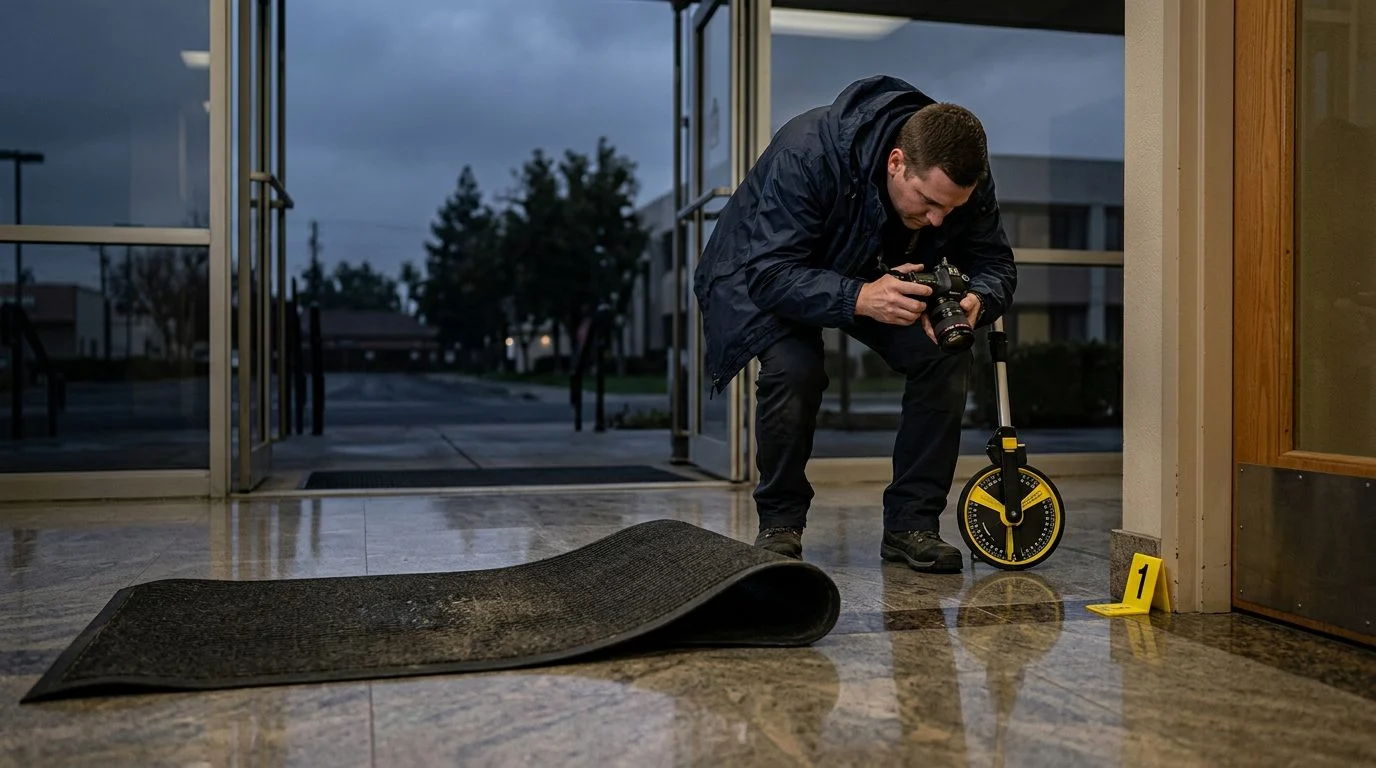
Photos and video of the hazard, the surrounding area and any warning signs help show the condition as it was. Take them as soon as it is safe, even if you think the scene is minor. Note the lighting, the weather and where you fell.
Names and contact details for witnesses matter. So do the names of employees or managers on duty. Their accounts can confirm what was in place and what was reported.
Incident reports, maintenance logs, inspection records and prior complaints about the same condition can show notice. Ask the property owner to keep video and records. Keep the shoes, clothing or item involved in the injury, too.
Medical records that link the injury to the incident are central. So are records of time missed from work and receipts for care and travel. Keep a simple journal of pain, limits and daily changes.
Catastrophic Injuries and Wrongful Death on Someone Else’s Property
Serious injuries and fatal accidents on property often involve long recovery periods and detailed financial records. These cases need careful documentation from the start. You can read more on the catastrophic injury lawyer page.
Some injuries, such as brain injuries, spinal cord injuries and fractures that need surgery, can require ongoing treatment. Costs of rehabilitation, equipment and home care can continue for years. Lost earning capacity also has to be documented over time, not just as of the date of the incident.
When a fatal incident happens on property, the claim may be a wrongful death claim. Under Code of Civil Procedure section 377.60, the claim can be brought by the decedent’s surviving spouse, domestic partner, children, and issue of deceased children, or, if there is no surviving issue, by the persons who would be entitled to the decedent’s property by intestate succession, as well as by certain dependent persons, and a personal representative may bring it on their behalf. A personal representative may also bring it on their behalf. More detail is on the wrongful death lawyer page.
Families are often dealing with grief while also handling medical bills, funeral costs and paperwork. Organizing records early can ease that load. The point is to keep the facts clear, not to rush through the loss.
Premises Liability Cases Across Kern County and Nearby Communities
Premises claims in Kern County follow California’s statewide rules. Local details still matter, especially when a public agency owns the property.
Readers can find more detail on the local pages below. Each one covers the premises rules for its area and links back to this overview.
- Premises liability in Kern County
- Premises liability in Bakersfield
- Premises liability in Fresno
- Premises liability in Visalia
- Premises liability in Delano
- Premises liability in Lancaster
- Premises liability in Palmdale
- Premises liability in Tehachapi
Talk With Colvin Accident Lawyers About Your Property Injury
A premises claim starts with the facts of one injury. Whether the owner may be responsible depends on who controlled the hazard, what they knew and what the timeline shows.
Quick Answers
Is there a deadline for a premises claim in California?
For most private-property injuries, the general deadline is two years (Code Civ. Proc. § 335.1). Claims against public entities can have a six-month claim deadline.
Can I still recover if I was partly at fault?
California’s pure comparative negligence rule generally reduces your damages by your share of fault instead of barring the claim.
What if the property belongs to a city or county?
A written government claim generally must be presented within six months for injury or death. Acting quickly protects that option.
If you were hurt on a store floor, a stairway or in a parking lot, or you lost someone you love on another person’s property, you may be weighing what to do next. A free, confidential first consultation with Colvin Accident Lawyers carries no obligation to continue. You can contact the firm to talk through what happened and which deadlines may apply.
Colvin Accident Lawyers, Bakersfield, California, responsible for this site. Responsible lawyer: Donald Norman Colvin.
Common Premises Liability Situations
Slip and Falls
Wet floors, spilled liquids, uneven flooring, and unmarked hazards in stores, restaurants, and other businesses.
Dangerous Walkways and Stairs
Cracked sidewalks, broken handrails, loose steps, potholes in parking lots, and poorly lit pathways.
Inadequate Security
Injuries from assaults or attacks on property where the owner failed to provide reasonable protection.
Unsafe Rental or Apartment Conditions
Broken stairs, balconies, railings, or other defects in residential properties that cause injury.
Why Start With Colvin Accident Lawyers
Free First Consultation
Your initial consultation is free, confidential, and comes with no obligation to continue.
Direct Access to Our Team
Call us to talk through what happened. Our team can answer your questions and explain the next steps.
Help Preserving Evidence
We can discuss the photos, incident reports, witness information, and medical records that may matter in your case.
Based in Bakersfield
We represent injured people and families in Kern County and the surrounding communities.
Act Early to Protect Your Evidence
Conditions can be repaired and surveillance footage overwritten. Photos, witness names, and medical records help document what happened. Contact us as soon as you can so we can discuss what to preserve.