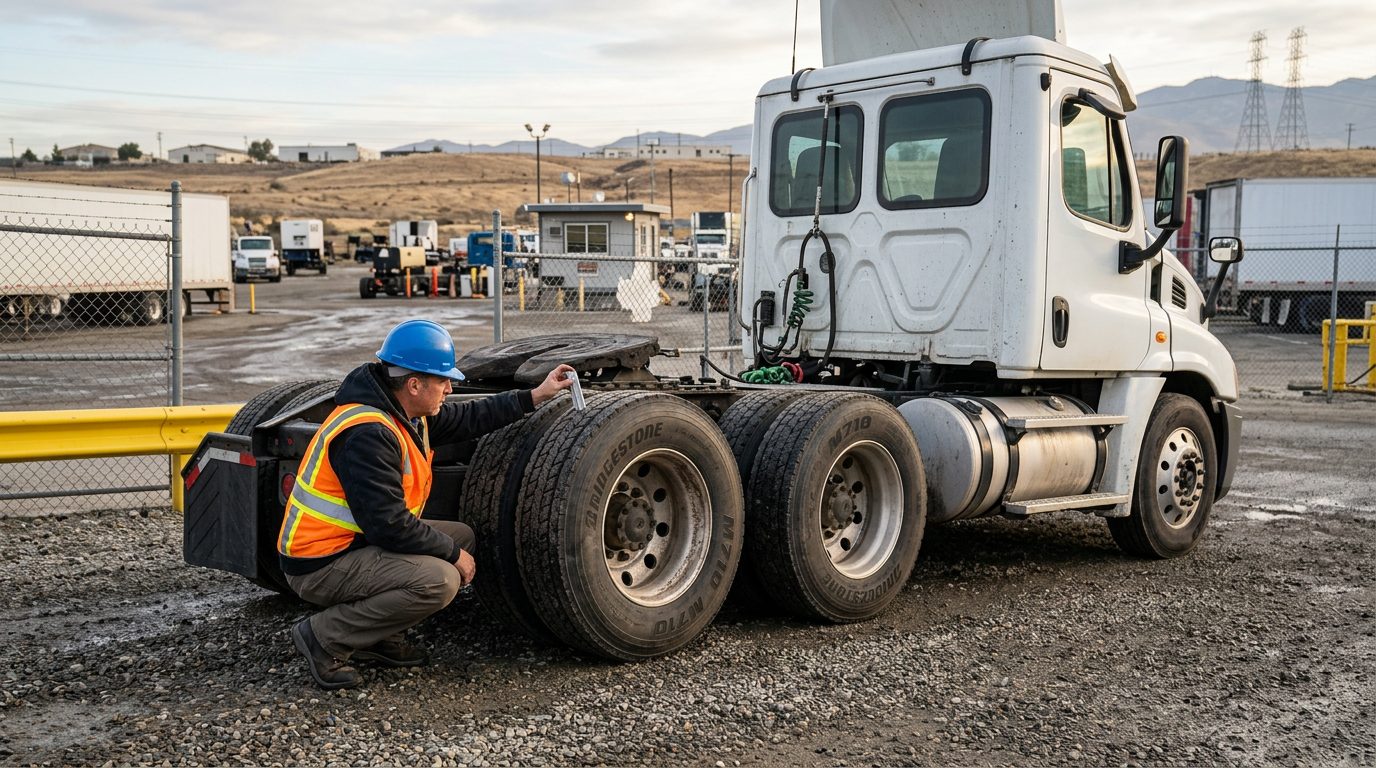
Tanker Truck Accidents | Bakersfield and Kern County
Tanker Truck Accident Lawyers in Bakersfield, CA
Colvin Accident Lawyers represents people hurt in tanker crashes and the families of those who have died, helping them understand their options after a serious collision.
By Donald Norman Colvin · Published November 11, 2026
Hurt in a crash with a fuel truck and not sure what comes next? A tanker truck accident lawyer can explain how these cases differ from ordinary truck wrecks and who may be responsible. Short answer: tanker crashes can involve fire and chemical risks, federal safety rules, and more than one party who may be liable. California generally gives injured people two years to file a lawsuit for an action for assault, battery, or injury to, or for the death of, an individual caused by the wrongful act or neglect of another (Code Civ. Proc. § 335.1), and claims against public agencies have a much shorter deadline under a separate law.
What a Tanker Truck Accident Case Covers
A tanker truck accident case involves a large truck that hauls liquid or gas cargo in a tank, such as gasoline, diesel, or propane. These trucks often display hazardous materials placards, the warning signs that tell responders what is onboard.
Cases like these can involve:
- Drivers and passengers in cars, pickups, or other trucks
- Pedestrians, bicyclists, and motorcyclists struck by a tanker
- Families of people killed in a crash, through a wrongful death claim
Common crash types include rear-end and sideswipe collisions, rollovers, jackknifes, lane-change crashes, and intersection collisions. Crashes like these can happen on busy routes such as Highway 99, which runs through the Shafter area.
A tanker truck accident lawyer starts with the crash type, because it shapes who may be responsible and what evidence matters most.
If you're reading this for a family member still in the hospital, you don't have to sort out the records and deadlines alone. Talk it through with our team — the first consultation is free, confidential, and carries no obligation.
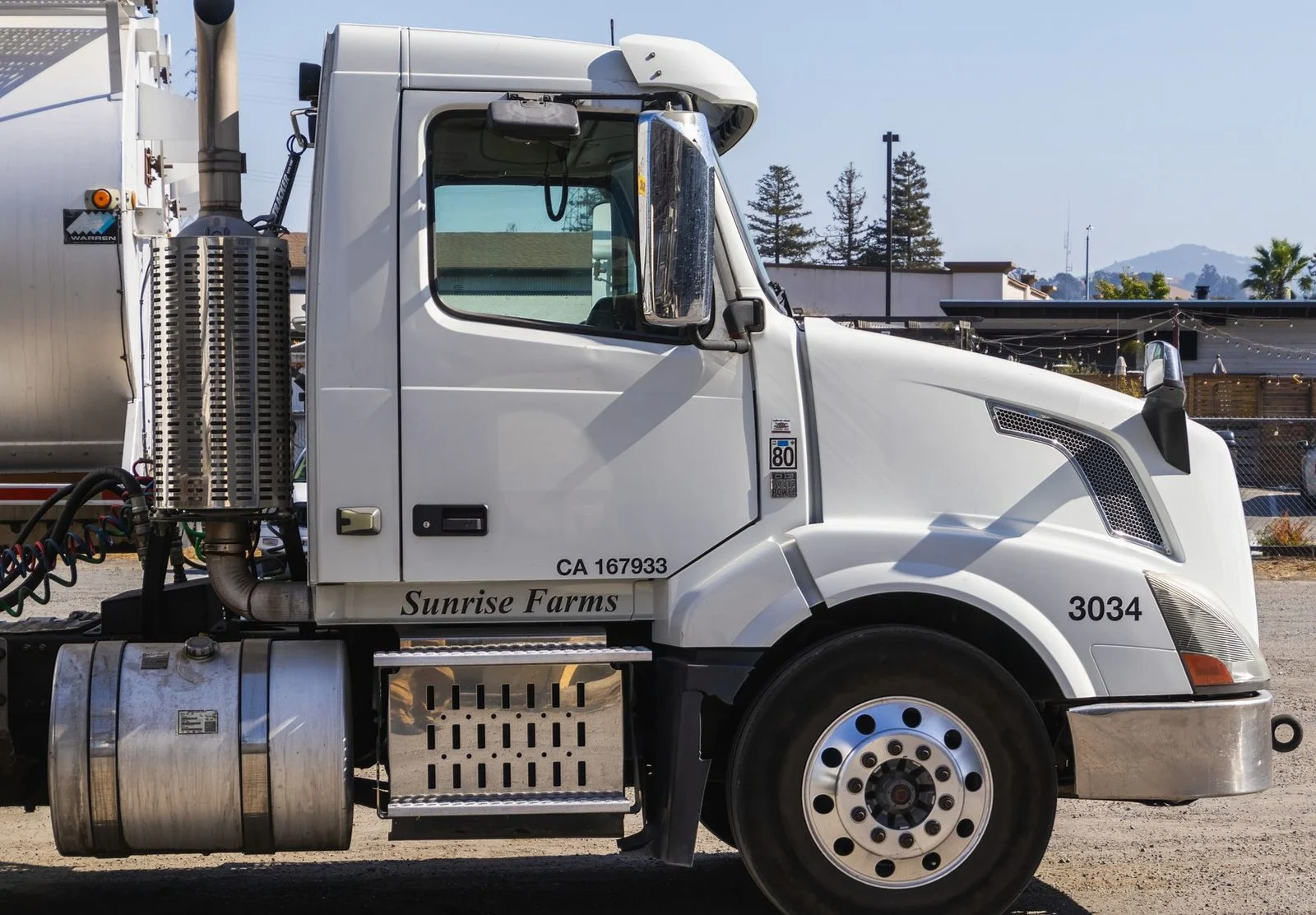
How Tanker Truck Crashes Happen and Why They Differ
Common causes include driver fatigue, cargo movement, equipment failure, and loading errors. Each one can change who is responsible.
- Fatigue and driving time. Federal rules limit how long a driver of a property-carrying truck may drive. For drivers of property-carrying commercial motor vehicles, and except as otherwise provided in § 395.1, the federal hours-of-service rule requires 10 consecutive hours off duty before a driver starts driving. Unless the driver qualifies for one of the short-haul exceptions in § 395.1(e)(1) or (2), it also bars driving once more than 8 hours of driving time have passed without a consecutive 30-minute interruption in driving status (49 CFR 395.3 driving limits).
- Cargo surge. Liquid sloshes inside partly filled tanks. That can change how a truck brakes and turns. Federal rules require applicants for a tank vehicle endorsement to have knowledge covering cargo surge and braking for empty, full, and partly full tanks (tank vehicle endorsement rules).
- Maintenance. Carriers must systematically inspect and repair their trucks, including steering systems, suspension, axles, and wheels (federal maintenance rules).
- Loading and inspection. A skipped check of the tank, valves, or hoses can lead to a crash or a spill.
Tanker crashes are harder to sort out. The driver, the trucking company, the shipper, and a maintenance contractor may each play a role. Their records may sit in different places.
Fuel and Hazardous Liquid Hazards in These Crashes
Fuel spills and vapors add fire, burn, and chemical risks that ordinary truck wrecks often lack.
- Fire and burns. Fuel vapors can ignite. Federal rules bar drivers and other employees of a motor carrier from smoking or exposing an open flame near a commercial motor vehicle being fueled (federal fueling safety rules). That shows how seriously the law treats fire risk around these trucks.
- Chemical exposure. Fumes and spilled liquid can injure the lungs, skin, and eyes. They can also contaminate soil and water near the crash site.
- Closures and cleanup. Lanes may close for hours. Nearby homes and businesses can feel the effects while crews clean up.
- Evidence moves fast. Cleanup records, incident reports, and electronic logs can change or disappear. A written preservation request sent early tells the trucking company to keep its records.
Who Can Be Held Liable and What You Can Recover
More than one party may be responsible, and the driver is only one of them.
- The vehicle owner. Under Veh. Code § 17150, an owner is liable for death or injury caused by a negligent driver using the vehicle with the owner’s express or implied permission.
- Other parties. The shipper or loader, a maintenance contractor, or a parts maker may share responsibility in some cases, depending on what caused the crash.
- Company practices. A lawyer looks at how the company hired, trained, and maintained its drivers and trucks.
- Damages. Economic damages include medical bills, future care, lost wages, property damage, and funeral costs in a death case. Non-economic damages include pain and suffering and loss of enjoyment of life.
- Wrongful death. Under Code Civ. Proc. § 377.60, a wrongful death claim may be asserted by the decedent’s surviving spouse, domestic partner, children, and issue of deceased children, or, if there is no surviving issue, by persons entitled to the decedent’s property by intestate succession. Code Civ. Proc. § 377.60 allows a claim for a death caused by another’s wrongful act or neglect to be brought by the persons the statute lists, or by the decedent’s personal representative on their behalf. Those listed include the putative spouse, children of the putative spouse, stepchildren, parents, or (if the parents are deceased) the decedent’s legal guardians, if they were dependent on the decedent. They also include a minor who, at the time of the decedent’s death, had lived in the decedent’s household for the previous 180 days and depended on the decedent for one-half or more of the minor’s support.
Injuries and Damages in Tanker Truck Crashes
Tanker crashes often cause burns, inhalation injuries, and serious trauma that can need long-term care.
- Burns, which may need long hospital stays and repeated treatment
- Smoke or chemical inhalation injuries
- Traumatic brain injuries, spinal cord injuries, crush injuries, fractures, and internal injuries
- Catastrophic injuries, such as paralysis or amputation, that can require lifetime medical care and changes to a home
Good documentation strengthens a claim. Useful records include medical bills, work records showing lost pay, photos of the scene and vehicles, witness names, the police report, and any incident or cargo records that can be obtained.
Pain and suffering is a real part of many injury claims. Its value depends on the facts, so a lawyer reviews your records and your account before answering that question.
Deadlines and First Steps After a Tanker Truck Crash
Most California injury lawsuits must be filed within two years (Code Civ. Proc. § 335.1). Section 335.1 sets the two-year period for an action for assault, battery, or injury to, or for the death of, an individual caused by the wrongful act or neglect of another (Code Civ. Proc. § 335.1). It does not set the deadline for claims against public agencies, which is much shorter and set by a different law.
- Two years for injury lawsuits. Code Civ. Proc. § 335.1 sets a two-year period for an action for assault, battery, or injury to, or for the death of, an individual caused by the wrongful act or neglect of another.
- Public agencies. If a city, county, state agency, or other public entity may share responsibility, Gov. Code § 911.2 requires that a claim for death or personal injury be presented within six months.
- Right after the crash. Get medical care and keep every record. Report the crash to police, photograph the scene and vehicles if it’s safe, and write down witness names.
- Two cautions. Don’t give a recorded statement to the trucking company’s insurer before speaking with a lawyer. Don’t sign releases or accept early payments until you understand what they cover.
Not sure what your next step is?
Talk it through with our team — the first consultation is free, confidential, and carries no obligation.
What to Expect and Why Colvin Accident Lawyers
A typical case starts with a confidential intake conversation. Then it moves through records, investigation, and negotiation.
- Intake. We listen to how the crash happened and what injuries you or your family member suffered.
- Records review. We review the police report and medical records, and we request carrier and cargo records where they’re available.
- Investigation. We gather evidence and contact people who saw the crash.
- Damages. We document medical costs, lost income, and changes to daily life.
- Negotiation. We deal with insurers. If talks don’t resolve the claim, we can file a lawsuit.
Timelines vary with the facts, the injuries, and whether a claim settles without a lawsuit. No lawyer can know the result in advance.
Colvin Accident Lawyers is a personal injury firm based in Bakersfield, California. Donald Norman Colvin is the responsible lawyer for this page. Our team serves accident victims and families across Kern County, including Shafter. We handle truck accident cases along with car, motorcycle, bicycle, pedestrian, bus, premises liability, dog bite, wrongful death, and catastrophic injury matters.
Our first consultation is free, confidential, and carries no obligation to continue.
Frequently Asked Questions
What can you sue a trucking company for?
You may bring negligence claims, such as unsafe driving, poor maintenance, or hours-of-service violations. A wrongful death claim may apply when a crash causes a death.
How long do I have to file a claim after a tanker crash in California?
Most injury lawsuits have a two-year deadline (Code Civ. Proc. § 335.1). Claims against public agencies have a shorter deadline than the two-year period, which is set by a different law; Code Civ. Proc. § 335.1 covers only an action for assault, battery, or injury to, or for the death of, an individual caused by the wrongful act or neglect of another.
Do I need a tanker truck accident lawyer?
You aren’t required to hire one. Still, the trucking company’s insurer often works with its own lawyers, and records and deadlines can be hard to manage alone.
What is a tank vehicle endorsement?
It is a license endorsement for drivers of tank trucks. Applicants must learn about cargo surge and braking for empty, full, and partly full tanks.
Can a family member call for an injured person?
A family member can call to ask about options. The injured person or a legal representative makes decisions about the claim.
If you’re reading this for a family member still in the hospital, you don’t have to sort out the records and deadlines alone. Reach out through our contact page, and we’ll talk through what happened.
Common issues in tanker truck cases
Unsafe driving
Speeding, distracted driving, and fatigue can all play a role in a tanker crash, especially on rural highways and busy roads through Kern County.
Poor maintenance
Brakes, tires, and cargo equipment that are not properly maintained can contribute to a loss of control on the road.
Hours-of-service violations
Federal and state rules limit how long commercial drivers may work without rest. Violations can be an important part of a claim.
Wrongful death
When a tanker crash causes a death, surviving family members may have legal options. Our firm handles wrongful death cases.
Why injured people contact Colvin Accident Lawyers
Free first consultation
Your first consultation is free, confidential, and comes with no obligation to continue.
Focused on accident victims
We focus on car, truck, motorcycle, bus, and other injury cases, and we work with accident victims and their families.
Serving Bakersfield and Kern County
We serve Bakersfield, Kern County, and nearby communities, including Fresno, Visalia, Lancaster, Palmdale, Delano, and Tehachapi.
Clear explanations
We explain the legal issues in your case in plain language so you can make informed decisions.
Before you speak with a trucking company
Do not give a recorded statement to a trucking company or its insurer before speaking with a lawyer about your crash.