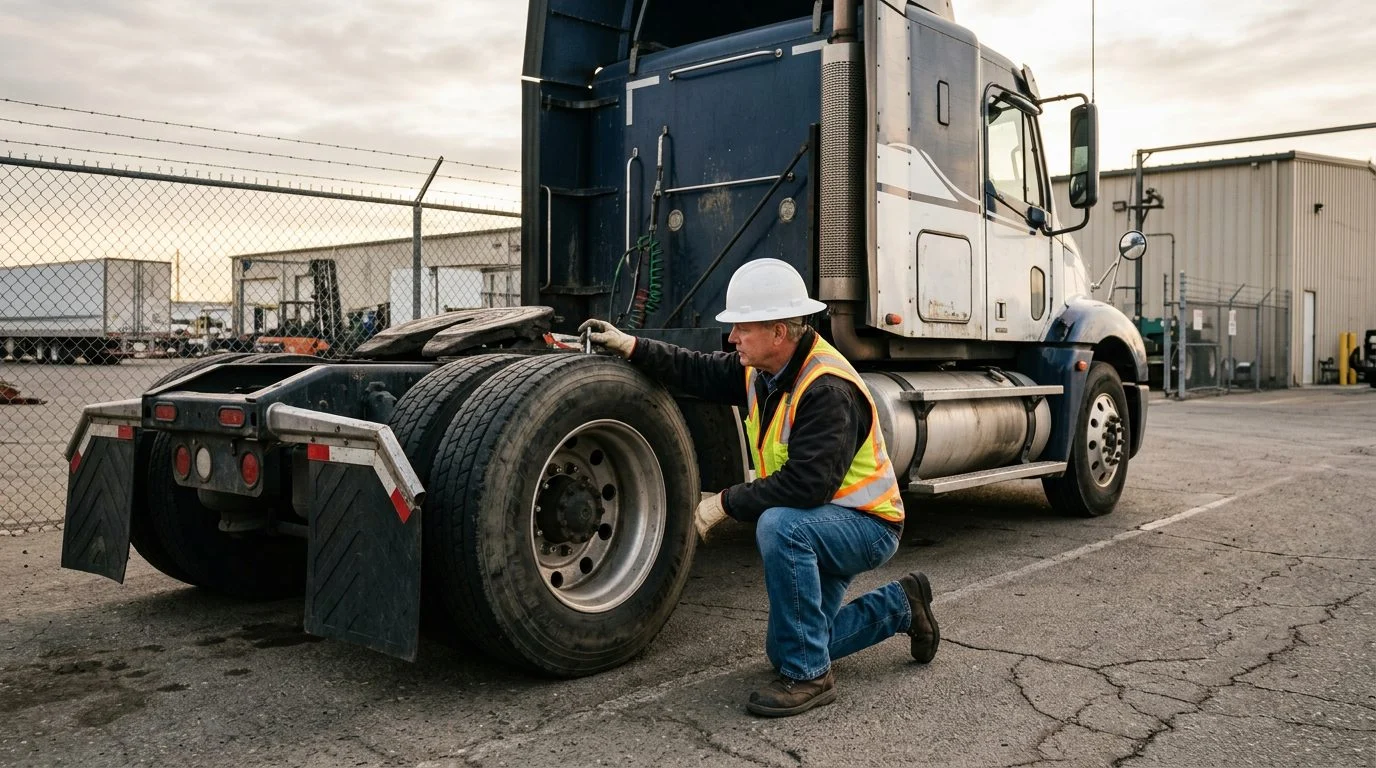
Truck Accident Claims | Bakersfield, CA
Who Can Be Sued After a Truck Accident in California?
A truck crash can involve several companies and several people, not only the driver. Colvin Accident Lawyers can help you understand which parties may be involved in your case.
By Donald Norman Colvin · Published November 19, 2026
After a truck crash, many people ask who can be held responsible. In California, several parties may be sued. They include the driver, the employer, the truck’s owner, and sometimes a contractor, a parts maker, or a public agency.
There is no single average truck accident settlement in California. Each crash has its own facts, which decide who belongs in a claim and what that claim may involve.
Who Can Be Sued After a Truck Accident in California: The Short Answer
The driver, the trucking company, the truck’s owner, and other businesses tied to the truck can each be possible defendants. Which of them belongs in a claim turns on the facts of the crash and on records showing who controlled, maintained, and loaded the truck. A single crash can involve more than one of these parties, and each one raises its own questions about records, insurance, and proof. The sections below take each party in turn.
If you're sorting out who may be responsible for a truck crash, you don't have to work through it alone. Our team can talk with you about what happened. Talk it through with our team — the first consultation is free, confidential, and carries no obligation.
The Truck Driver
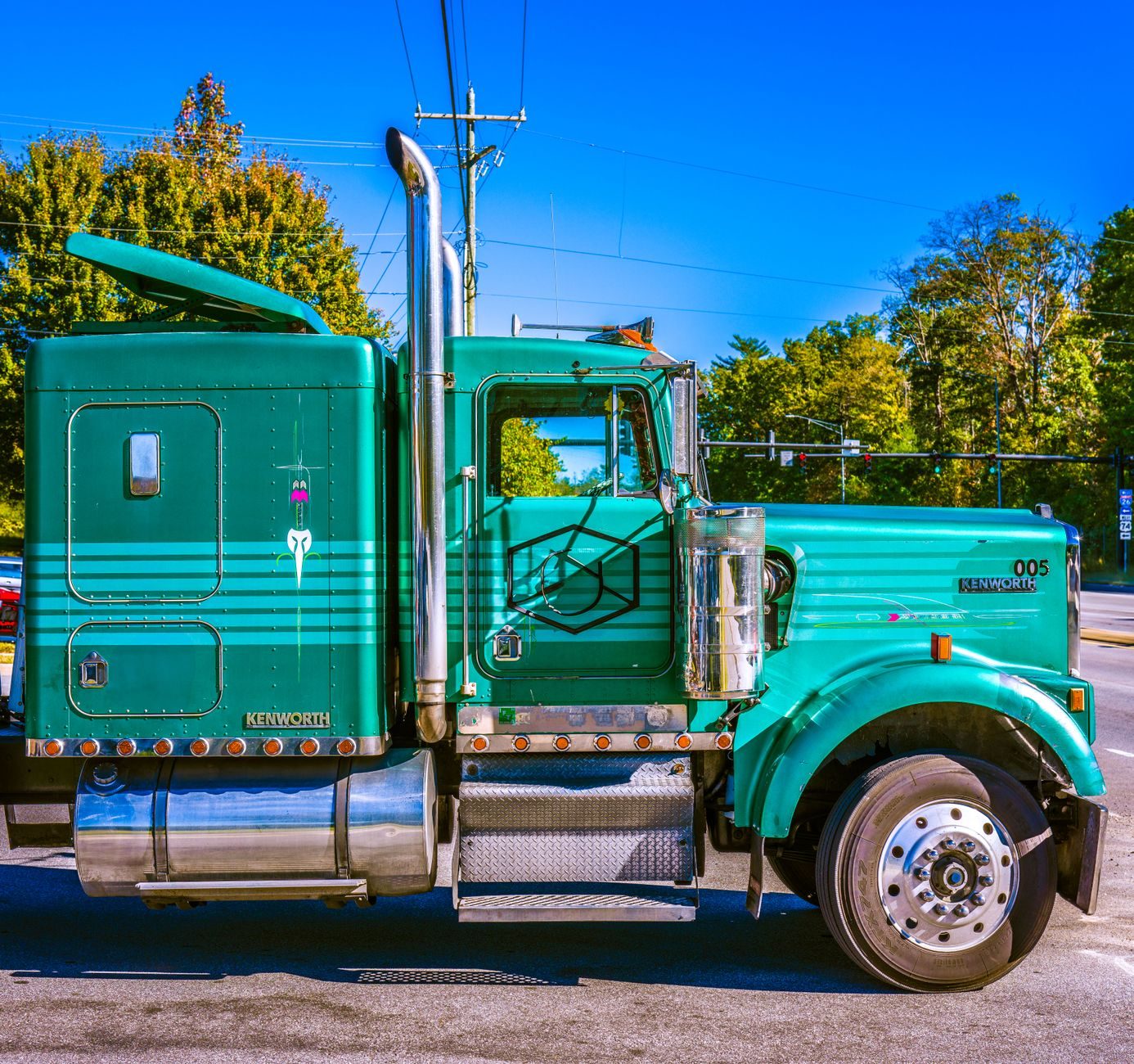
A truck driver can be sued for negligent driving. Examples include fatigue, distraction, speeding, and unsafe lane changes. Negligence means failing to use the care a reasonable driver would use.
Under 49 C.F.R. § 395.3, the federal hours-of-service limits on how long a driver may drive apply to drivers of property-carrying commercial motor vehicles, subject to the exceptions in § 395.1. Passenger carriers, including buses, are governed by different rules. Under 49 CFR § 395.3, with some exceptions, a driver of a property-carrying commercial motor vehicle may drive 11 hours total within a 14-hour period that starts after 10 consecutive hours off duty.
Driving logs can show whether a driver stayed within those limits. That makes them important evidence, so it helps to ask for them early.
The Trucking Company and Employer
The company that employs the driver is often named as a defendant.
A company can also face its own claims for negligent hiring, training, supervision, or retention. These claims focus on what the company knew or should have known about the driver.
Company paperwork carries weight. Under 49 CFR § 391.51, a motor carrier must keep a driver qualification file for each driver it employs. Dispatch records and logs are also central to proving these claims.
Vehicle Owners, Lessors, and Motor Carriers
The registered owner of a truck may be a different company than the one that runs it, especially under a lease. Under California Vehicle Code § 17150, every owner of a motor vehicle is liable for death or injury caused by a negligent driver who had the owner’s express or implied permission.
That owner liability has limits. Under Vehicle Code § 17151, it is capped at $15,000 for death or injury to one person in one accident, $30,000 for more than one person in one accident, and $5,000 for damage to property of others in one accident. The cap does not apply to liability arising through a principal-agent or master-servant relationship.
An owner claim and an employer claim are not the same thing. Lease agreements and registration records help show each party’s role.
Maintenance Companies, Loaders, and Other Contractors
A repair shop or loading company can be a defendant when its own work helped cause the crash. Faulty brake, tire, or steering repairs are one example. Cargo that was overloaded or not properly secured can shift during a trip and contribute to a crash.
Each contractor’s role turns on the work it did and the records that document it. Repair orders and inspection reports show what work was done and when. Loading and shipping records can show who packed the load and how it was secured.
Equipment and Parts Manufacturers
A parts maker may be a defendant when a defective brake, tire, or steering component helped cause the crash. In these cases, the question is whether the part was unsafe, not only whether a driver was careless.
Proof usually involves technical evidence, including inspection of the failed part and its maintenance history. Manufacturer claims can be pursued alongside claims against the driver and the company, so one crash can involve several defendants. The damaged part is evidence, so it should not be thrown away or repaired before it has been examined.
Not sure what your next step is?
Talk it through with our team — the first consultation is free, confidential, and carries no obligation.
Public Entities When Road Conditions Contribute
A city, county, or state agency can be a defendant when a dangerous road condition or missing warning sign helped cause a crash. Under Government Code § 815.2, a public entity can be liable for injury proximately caused by an act or omission of an employee within the scope of employment, when that act would support a claim against the employee, but it is not liable where the employee is immune from liability, except as otherwise provided by statute.
Under Government Code § 911.2, a claim for death or injury to a person must be presented within six months after the claim accrues. Claims against a public entity for death, injury to person, or injury to personal property or growing crops must be presented within six months after the cause of action accrues (Cal. Gov. Code § 911.2(a)), while claims based on any other cause of action must be presented within one year. Missing that deadline can prevent the case from moving forward, so timing matters from the first days.
How Fault Is Divided and What Shapes Settlement Value
California does not bar recovery just because the injured person shared some fault. According to California’s civil jury instruction on a plaintiff’s comparative fault, when the defendant proves the plaintiff shared responsibility, the jury’s determination of the plaintiff’s percentage of responsibility reduces the plaintiff’s damages, and the judge calculates the actual reduction. In Li v. Yellow Cab Co. (1975) 13 Cal.3d 804, quoted in the Sources and Authority for California’s civil jury instruction on a plaintiff’s comparative fault, the California Supreme Court adopted pure comparative negligence, under which an injured person’s own fault reduces damages in proportion to their percentage of fault rather than barring recovery.
Economic damages cover medical bills and lost wages, both past and future. Non-economic damages cover pain, suffering, and loss of enjoyment. Several factors shape value, including how serious and lasting the injuries are, how strong the liability evidence is, and how many insurers are involved.
No average figure fits every truck accident, because each claim carries its own injuries and proof.
Wrongful Death Claims After a Fatal Truck Crash
When a truck crash causes a death, certain family members may bring the claim. Under Code of Civil Procedure § 377.60, a decedent’s surviving spouse, domestic partner, children, and issue of deceased children may assert a wrongful death claim, or, if there is no surviving issue, the persons entitled to the decedent’s property by intestate succession, and certain dependents may also assert it. The personal representative may also bring it on their behalf.
The same potentially responsible parties discussed above apply in a fatal crash. Filing deadlines for injury lawsuits are generally two years, with exceptions, according to the California Courts Self Help Guide.
Families should keep the deceased person’s wage, household, and medical records.
Talk With Colvin Accident Lawyers About Your Situation
Many people reading this are sorting out who is responsible while also dealing with an injury or a loss in the family. You may be weighing whether the trucking company, a parts maker, or a public agency belongs in the claim. The decision affects which records and insurers come into the picture.
Colvin Accident Lawyers is based in Bakersfield, California. The firm represents accident victims and families in truck, car, motorcycle, bus, and wrongful death cases, among others.
Common Questions
How long do you have to file?
California’s general deadline for injury lawsuits is two years, with exceptions (Code Civ. Proc. § 335.1). Section 335.1 itself sets only a two-year deadline for an action for assault, battery, or injury to, or for the death of, an individual caused by the wrongful act or neglect of another; it does not contain a six-month deadline for claims against a public agency.
Is there an average truck accident settlement in California?
No single number fits every case. Each claim has its own injuries, evidence, and parties.
If you’re trying to work out who belongs in your claim, you don’t have to sort it out alone. Contact Colvin Accident Lawyers to talk through what happened. The initial consultation is free, confidential, and carries no obligation to continue.
Donald Norman Colvin, Colvin Accident Lawyers, Bakersfield, California — responsible for this site.
Why Clients Contact Colvin Accident Lawyers
Free First Consultation
The initial consultation is free, confidential and comes with no obligation to continue.
Careful Review of Your Case
We look at the crash report, photos, medical records and other documents to identify the parties who may share responsibility.
Focused on Injury Cases
Our practice focuses on car, truck, motorcycle, bicycle, pedestrian, bus and other accident claims, including wrongful death.
Serving Central California
We work with accident victims and families in Kern County and nearby communities, including Fresno, Visalia, Lancaster, Palmdale, Delano and Tehachapi.
Do Not Assume the Driver Is the Only Party
Trucking crashes often involve more than one company or contractor. Before speaking with an insurance adjuster, consider talking with a lawyer, and keep any photos, the police report and paperwork you have from the crash.
Parties That May Be Named in a Truck Accident Lawsuit
The Truck Driver
The driver's own conduct at the time of the crash, such as distraction, fatigue or unsafe driving, may be examined in a claim.
The Trucking Company
The motor carrier that employed the driver or operated the truck may be named, depending on the facts of the crash.
The Vehicle or Trailer Owner
The company or person who owned the truck or trailer may be a party if ownership and control of the vehicle are at issue.
Maintenance and Repair Providers
Companies that inspected, serviced or repaired the truck or its brakes, tires or other parts may be named if their work is connected to the crash.
Cargo Loaders and Other Contractors
Businesses that loaded or secured cargo, or that worked on the vehicle, may be involved when improper loading contributed to the collision.