Wrongful Death | Bakersfield, California
Understanding What Your Family May Be Able to Claim
Losing someone in a preventable accident leaves questions about responsibility, money and the future. Here is a plain-language guide to the process.
By Donald Norman Colvin · Published November 23, 2026
A sudden death can leave a family grieving, planning a funeral, and facing money worries nobody expected. If someone else’s negligence caused the death, California law may let family members pursue a claim. This page explains what wrongful death recovery in California can cover.
What Can Family Members Recover in a California Wrongful Death Case, Such as Lost Income, Funeral Expenses, and Loss of Companionship?
California law lets a court award damages that are just under all the circumstances of the case, but may not include damages recoverable under Section 377.34.
The family’s claim is about what they lose because the person died. It is separate from any injury the person suffered before death, and it follows its own rules. Code of Civil Procedure § 377.61 says damages may be awarded that, under all the circumstances of the case, may be just, but may not include damages recoverable under Section 377.34.
Think of it this way: a family may lose a paycheck, a funeral bill, a parent’s daily guidance, and a sense of home. The law looks at these losses through the facts of each family’s life, so the details you bring matter.
If your family is sorting out a sudden loss and unfamiliar deadlines, our team can talk through what happened and whether your family may have a claim. Talk it through with our team — the first consultation is free, confidential, and carries no obligation.
Which Family Members Can Bring a Wrongful Death Claim in California?
The claim is usually brought by one or more of these people, or by a personal representative on their behalf.
Code of Civil Procedure § 377.60 lists the surviving spouse, domestic partner, children, and children of a deceased child. If there is no surviving issue of the decedent, the people who would inherit the decedent’s property under intestate succession (the state’s default inheritance rules), including a surviving spouse or domestic partner, may bring it.
Lost Income and Financial Support
Lost support is about the household’s future, not just one paycheck. The records that usually matter are pay stubs, tax returns, and employer statements that show earnings and benefits. Age, health, and work history are also part of the picture.
If the decedent handled childcare, cooking, home repairs, or other daily work the family relied on, the family can describe that loss. Write down what was done, who does it now, and how much time it takes.
A common mistake is waiting too long to gather these records. Employers and banks can take weeks to respond, so start early and keep copies of every request.
Funeral and Burial Expenses
Funeral costs can include the service, cremation or burial, transportation, and a cemetery or memorial. Medical and end-of-life costs caused by the injury that were paid before death may be recoverable as survival damages under California law, not as wrongful death damages.
Proof comes from invoices and receipts. Ask the funeral home for an itemized statement, and keep every payment record. Note who paid each bill and from which account.
Many families pay bills from a shared account and lose track of who paid what. That gap can slow the claim. A folder with dated receipts avoids most of that trouble.
Loss of Companionship and Loss of Consortium
Each relationship has its own losses. A spouse or domestic partner may describe the loss of a shared home life. Children who lost a parent may describe lost guidance and daily care. Parents who lost a child may describe the change in their household.
The proof often comes from the relationship itself. Family members, friends, teachers, and clergy can describe how the person was part of daily life. Photos, messages, and school or work records can help too.
Keep a simple written account of how the loss changed daily routines. Write it in plain words, such as who now drives to practice or who cares for the family dog. Notes made close to the time of the loss can help when memories blur.
How Much Can You Get for Pain and Suffering in California?
There is no set formula for these losses, and California limits pain-and-suffering recovery in a survival action.
A survival action is brought by the decedent’s personal representative or successor in interest. It recovers the losses the decedent suffered before death. Under Code of Civil Procedure § 377.34, those damages do not include pain, suffering, or disfigurement, except in limited date-based cases.
That exception applies only if the action was granted a preference before January 1, 2022, or was filed on or after January 1, 2022, and before January 1, 2026. A case filed now generally falls outside that window.
The family’s wrongful death claim is separate. Under Code of Civil Procedure § 377.61, its damages may not include the survival damages covered by § 377.34. Results depend on the facts of each case.
Not sure what your next step is?
Talk it through with our team — the first consultation is free, confidential, and carries no obligation.
What Is the Statute of Limitations for a Wrongful Death Case in California?
A California wrongful death claim generally must be filed within two years. Code of Civil Procedure § 335.1 sets a two-year period for an action for the death of an individual caused by another’s wrongful act or neglect.
Two years can pass quickly when a family is grieving, handling the estate, and waiting for records. The deadline is set by statute, not by when the family feels ready.
Can you sue 25 years later? Under Cal. Code Civ. Proc. § 335.1, the time limit reads: “Within two years: An action for assault, battery, or injury to, or for the death of, an individual caused by the wrongful act or neglect of another.” Don’t assume an old death is still open to a claim.
A common mistake is waiting for a police report, an insurance answer, or a final medical bill before asking about the deadline. Those steps can take months, and the calendar keeps moving. Write down the date of death today and count two years forward.
What Are the Four Proofs of Negligence in a California Wrongful Death Case?
Did the person owe a duty of care? Did they break it? Did that break cause the death? What damages followed?
California law makes a person responsible for injury caused by a want of ordinary care, under Civil Code § 1714. A driver who runs a red light owed others reasonable care on the road and broke it.
A property example works the same way. An owner who ignores a known broken stair and leaves it unrepaired may have failed to use ordinary care. The break must cause the harm, not just sit near it.
Proof for each element comes from police reports, photos, maintenance records, medical examiner reports, and witness accounts. Those records show what happened and why.
Partial fault doesn’t end the claim. Under the Judicial Council civil jury instruction on comparative fault of the plaintiff, the instruction reads: “If [name of defendant] proves the above, [name of plaintiff]’s damages are reduced by your determination of the percentage of [name of plaintiff]’s responsibility. I will calculate the actual reduction.”
Can a parent bring a wrongful death claim for an adult child?
A parent can bring the claim if the parent depended on the decedent.
Can a family still recover if more than one person was at fault?
Possibly. Under the Judicial Council civil jury instruction on apportionment of responsibility, the instruction reads: “you must then decide how much responsibility each has by assigning percentages of responsibility to each person listed on the verdict form. The percentages must total 100 percent.”
Talk Through Your Family’s Situation With Colvin Accident Lawyers
If you’re reading this after a sudden death, you may be planning services while trying to understand deadlines you never expected. You don’t have to sort out the timeline and the family’s losses alone.
Colvin Accident Lawyers is based in Bakersfield, California, and serves families in Kern County and nearby communities. Donald Norman Colvin is the responsible lawyer for this site.
The first consultation is free, confidential, and carries no obligation to continue. La consulta inicial es gratuita, confidencial y sin compromiso de continuar.
Bring the dates, the relationships, and whatever records you have. Then contact Colvin Accident Lawyers to talk through your family’s facts in your own words. For the broader process, see our Bakersfield wrongful death lawyer page.
Why Families Start with a Conversation
Free first consultation
The initial consultation is free, confidential and carries no obligation to continue.
Confidential discussion
You can share the details of your loss in a private setting.
Plain-language answers
We explain the process in terms you can follow, so you can make informed decisions.
Direct access to our office
Call us to ask questions about your family's situation and what the next steps could look like.
Do not wait to ask questions
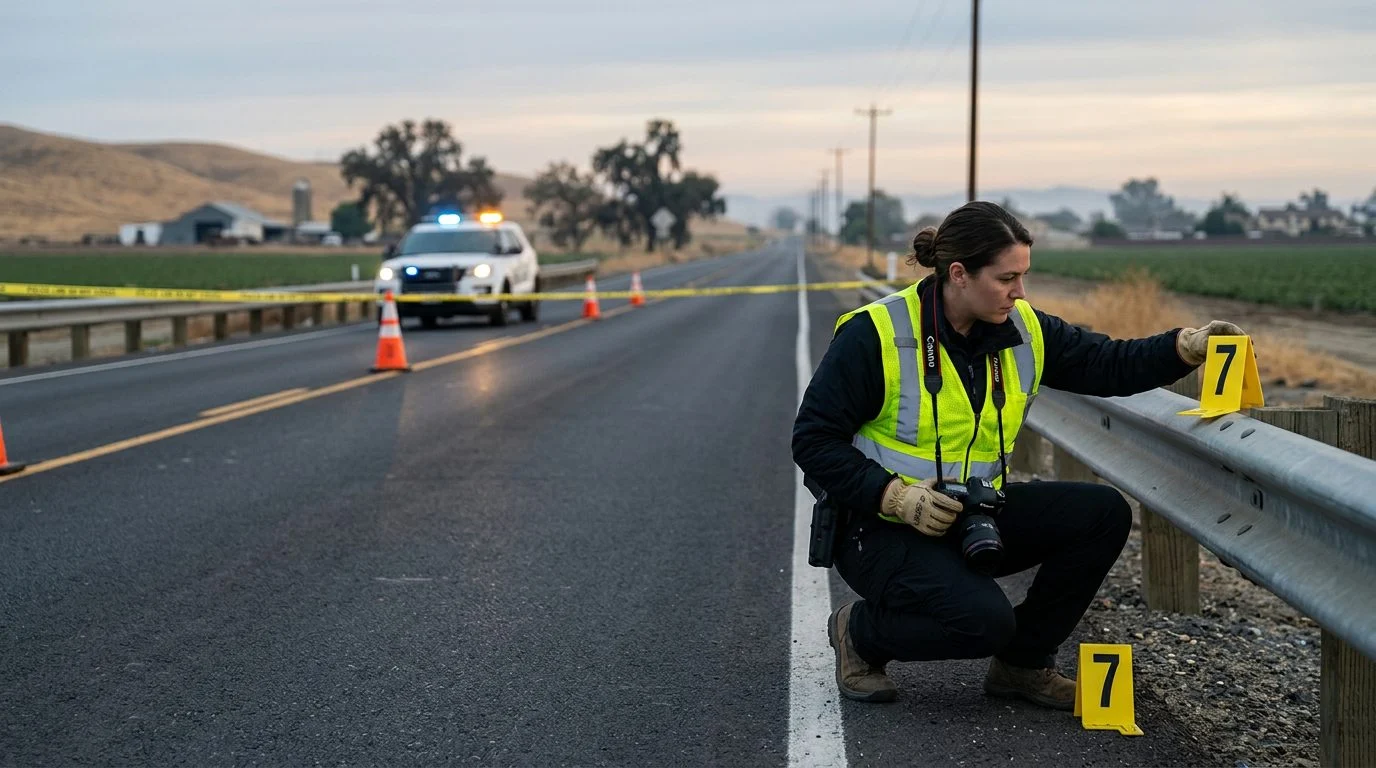
Evidence from a fatal crash, such as photos, reports and witness information, can be hard to gather later. Speaking with a lawyer early helps families understand which facts matter most.
How We Can Support Your Family
Reviewing the facts
We look at how the accident happened, who was involved and what records may help explain the loss.
Explaining the claim
We walk through the types of claims that may apply to your family and how each one works.
Handling insurance contact
We communicate with insurance companies so that your family does not have to respond to them alone.
Keeping you informed
We keep your family updated and answer questions as the matter moves forward.