Wrongful Death | Kern County
Coroner Report Basics for Kern County Families
A loss like this brings many questions at once. Here is a plain-language guide to the paperwork you may receive and what it does and does not establish.
By Donald Norman Colvin · Published November 14, 2026
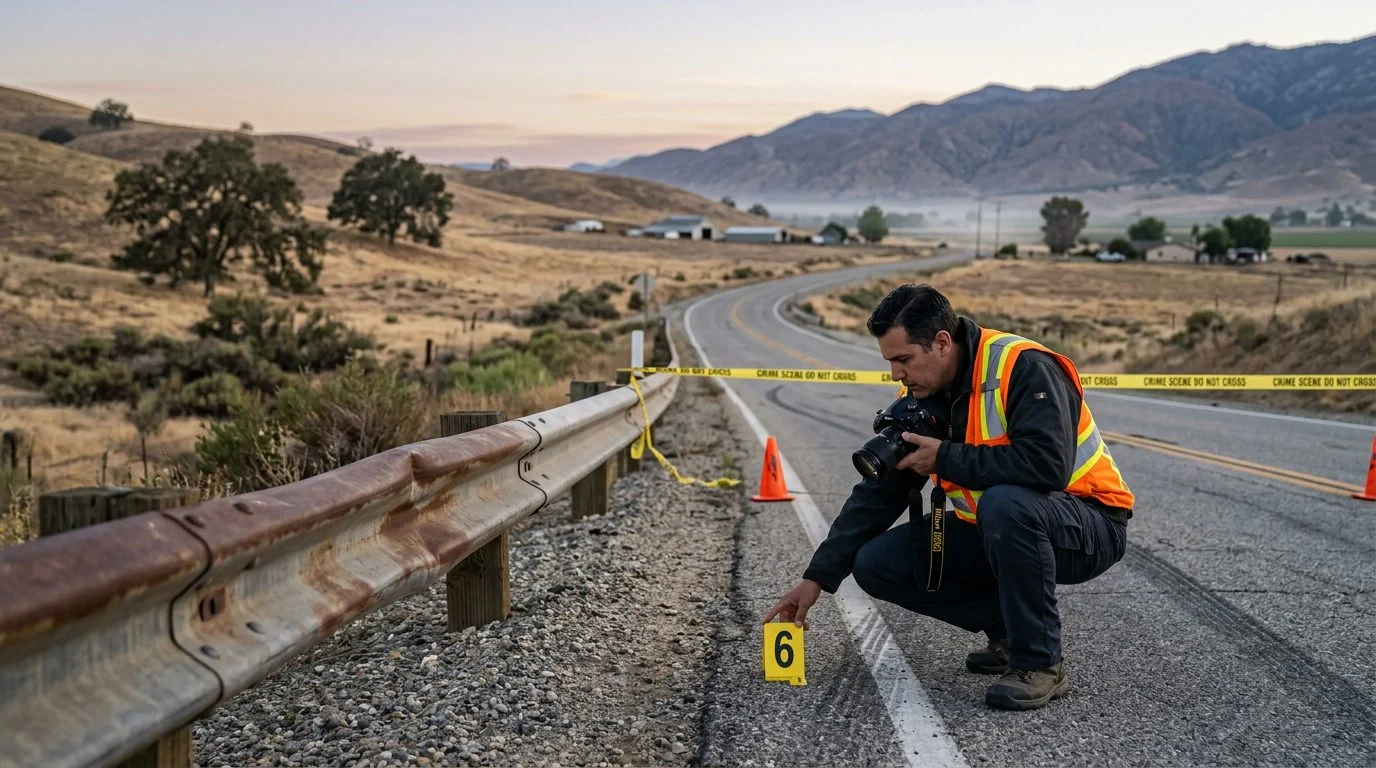
When a loved one dies in a crash, a fall, or a dog attack, the first step is understanding what happened. Do you need the coroner or autopsy report for a wrongful death claim in Kern County? In many cases, yes. The report is central to showing how and why the person died.
Short Answer: When the Coroner or Autopsy Report Matters
The report matters most when it links the incident to the death. A wrongful death claim has to show that someone’s conduct caused the death. The cause of death is the bridge between those two facts.
Scene evidence, witness statements, and records can show what happened. The medical cause ties that event to the loss. Without it, the claim has a gap.
Under Cal. Code Civ. Proc. § 377.60, a surviving spouse, domestic partner, children, and issue of deceased children may bring the claim. If there are no surviving issue, the people who would inherit by intestate succession, such as parents, may bring it. Certain dependent relatives may also qualify, as may a minor who, at the time of the death, had lived in the household for the previous 180 days and depended on the person who died for one-half or more of the minor’s support. A personal representative may also file on their behalf. The statute lists who qualifies, so the family’s relationship to the person who died matters.
The report is one piece of evidence. How much weight it carries depends on the facts of the case and how it fits with everything else. A common mistake is treating the coroner’s conclusion as the end of the story. It starts the factual picture. It does not finish it.
If your family is waiting on a coroner's cause of death or an autopsy result after a crash, fall, or dog attack, we can talk through what it means. Talk it through with our team — the first consultation is free, confidential, and carries no obligation.
How California Law Assigns Coroner Investigations
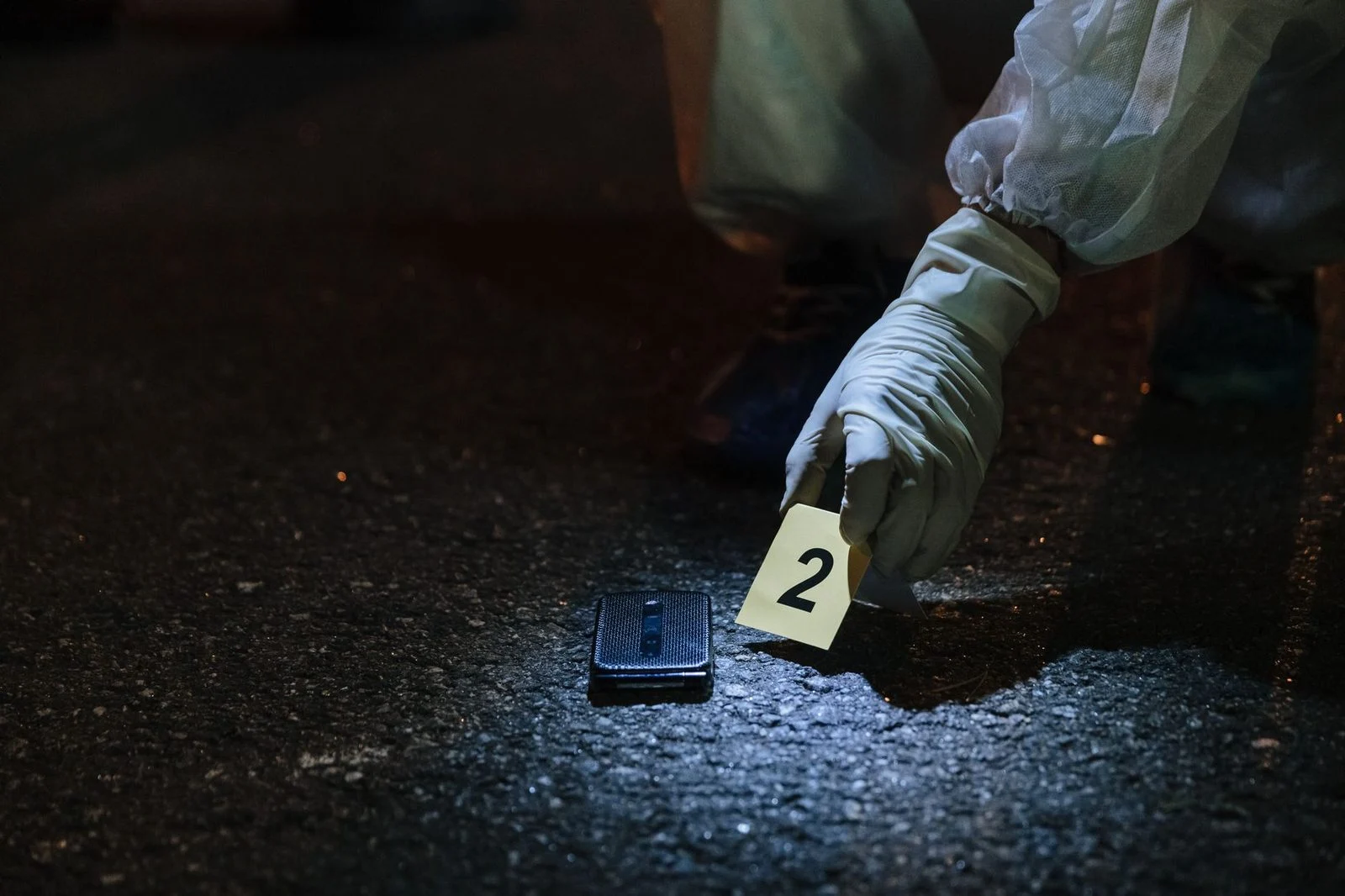
Coroners investigate many accidental deaths, and that work produces the report a claim often relies on. Orange County’s sheriff coroner, for example, conducts countywide medicolegal investigations of accidental deaths. It determines the identity, medical cause, manner, and date and time of death (Orange County Sheriff coroner).
Investigations can take a long time. San Bernardino County’s sheriff coroner says a pending death investigation may take about six months to one year. The cause and manner are finalized at the end (San Bernardino County Sheriff coroner).
Early paperwork is not always the final word. Families should keep copies of everything they receive. A simple log of dates, names, and phone calls also helps. Write down what the coroner’s office tells you and when. Those notes are hard to rebuild later.
What an Autopsy and Coroner Report Typically Contains
A coroner report usually records the cause of death, the manner of death, and the injuries found on the body. Families will typically see these parts:
- Cause of death: the medical condition or injury that directly led to the death.
- Manner of death: a classification such as accident, natural, homicide, suicide, or undetermined.
- Injury findings: external and internal observations, including fractures and internal bleeding.
- Toxicology: alcohol and drug test results, when testing was done.
- Scene and investigator notes: observations, witness information, and photographs.
The manner of death is the coroner’s determination. It is not a legal finding of fault. An “accident” label does not mean no one is responsible.
How Coroner and Autopsy Findings Support Proof of Cause of Death
They help show that the incident caused the injury, and that the injury caused the death. That chain is what a claim has to prove.
Findings that match the mechanism of the incident help the account hold together. Blunt force injuries consistent with a vehicle impact fit a crash account. A bite wound pattern consistent with a dog attack fits a dog bite account.
An autopsy can also narrow disputes. It can confirm that the injury seen at the scene was the injury that caused death. Where the other side argues a pre-existing condition or a different cause, the autopsy and toxicology findings become a focal point for both sides.
A common mistake is focusing only on the final cause line. The injuries, the timeline, and the scene evidence explain how that cause came about.
A California evidence rule can also matter. When a person violated a statute, ordinance, or regulation of a public entity designed to prevent that kind of harm, and the violation proximately caused the death or injury to a person in the class the rule protects, Cal. Evid. Code § 669 presumes a failure of due care. That presumption can be rebutted. Each finding has to fit with the others to carry weight.
When the Report Is Incomplete, Disputed, or Still Pending
A report can be incomplete. A preliminary cause or manner can change when more information comes in. Families may wait on final findings, toxicology results, or an amended death certificate. That wait is hard, and it’s normal to have questions during it.
Toxicology matters in driving cases. Under Cal. Veh. Code § 23152, it is unlawful to drive under the influence of alcohol or drugs, or with 0.08 percent or more, by weight, of alcohol in the blood. The limit is 0.04 percent for commercial vehicles and for drivers carrying a passenger for hire.
A coroner’s classification is not a court’s finding of liability, and other evidence can question it.
Keep photos, messages, and any items from the scene while you wait. Those records don’t depend on the final report arriving.
Other Evidence That Works Alongside the Coroner Report
Coroner findings work best when they line up with other records. The useful records vary by incident.
For car, truck, motorcycle, bicycle, pedestrian, and bus crashes, collect:
- Police or traffic collision reports with scene measurements and citations
- Emergency medical services run reports and hospital records
- Vehicle data, photographs, and maintenance or inspection records
For dog bites, look at witness statements, surveillance footage, and animal control records. For premises cases, look at inspection, maintenance, and prior complaint records. Some of these records take time to request, so start early.
If a public agency owns the property, Cal. Gov. Code § 835 sets out when it can be liable for a dangerous condition. The condition must create a reasonably foreseeable risk of the injury. Either a negligent or wrongful act or omission of an employee of the public entity within the scope of his employment created the dangerous condition, or the agency had actual or constructive notice of it a sufficient time before the injury to protect against it.
Each category supports or challenges the coroner’s findings. Together, they shape how the facts are presented.
Not sure what your next step is?
Talk it through with our team — the first consultation is free, confidential, and carries no obligation.
How the Report Fits Into the Rest of a Wrongful Death Claim
The coroner report is one part of a claim that also turns on deadlines and damages. Start with timing. Under Cal. Code Civ. Proc. § 335.1, an action for death caused by another’s wrongful act generally must be filed within two years.
Claims against a public entity move faster. Under Cal. Gov. Code § 911.2, a claim for death must be presented not later than six months after the cause of action accrues.
Because investigations can take months, ask about these dates early. The wrongful death lawyer overview covers filing deadlines in more detail.
Damages work differently too. Under Cal. Code Civ. Proc. § 377.34, damages in an action by a decedent’s successor are limited to loss or damage the decedent sustained or incurred before death, including any penalties or punitive or exemplary damages the decedent would have been entitled to recover had the decedent lived. They do not include pain, suffering, or disfigurement, subject to the exceptions in subdivision (b).
The coroner report does not decide what a claim is worth. It answers the cause-of-death question, and the other elements of the claim need their own proof.
Talk With Colvin Accident Lawyers About Your Family’s Situation
Families waiting on a cause of death after a crash, fall, dog attack, or premises incident often have many questions at once. Here are three common ones.
Does a coroner report decide who is at fault?
No. The manner of death is the coroner’s determination, and it is not a court’s finding of liability.
How long does a coroner investigation take?
Some take months, as noted above. Plan for updates to come slowly.
Does comparative fault reduce a claim?
Yes. In California, a person’s own fault reduces damages in proportion but does not bar the claim.
Colvin Accident Lawyers is based in Bakersfield, California, and Donald Norman Colvin is responsible for this site. If your family is waiting on a cause of death or an autopsy result, contact us for a free, confidential initial consultation with no obligation to continue, through our contact page.
Keep the report in context
A coroner's report records findings about the death. It is not a court's ruling on who is legally responsible. Keep copies of every document you receive, and bring questions to a consultation so the report can be reviewed alongside the rest of the case file.
Questions to bring to your consultation
Which agency investigated?
Note whether the sheriff, a police department or the county coroner handled the investigation, and who to contact for updates.
What is the manner of death?
Write down the wording exactly as it appears on the report and any amendments, so you can ask what each term means.
Was an autopsy performed?
Ask whether toxicology or other testing is still pending, since these results can change the timeline of the file.
What remains open?
List any records you have not yet received, including photographs, witness statements and medical records, and ask how to obtain them.
Why families call Colvin Accident Lawyers
Based in Bakersfield
We serve Kern County and surrounding communities, including Fresno, Visalia, Lancaster, Palmdale, Delano and Tehachapi.
Free first consultation
Your first consultation is free, confidential and carries no obligation to continue.
Clear answers about the file
We will walk you through what the coroner's report says, what it leaves open and what questions remain for your family.