Making Sense of the Kern County Coroner Report After a Wrongful Death
By Donald Norman Colvin · Published November 29, 2026
A coroner or medical examiner report is often one of the first documents a family receives after a sudden or violent death. Families want to know what it says and whether it matters for a claim.
Here is the short answer. A coroner report shows the cause and manner of death. It helps link injuries to the event that caused the death.
Why Is a Coroner Involved After a Death in Kern County?
A coroner or medical examiner usually gets involved when a death is sudden, violent, accidental, or unexpected. Families often hear the term “autopsy” before anyone explains it. An autopsy is a medical exam of the body that looks for the cause of death.
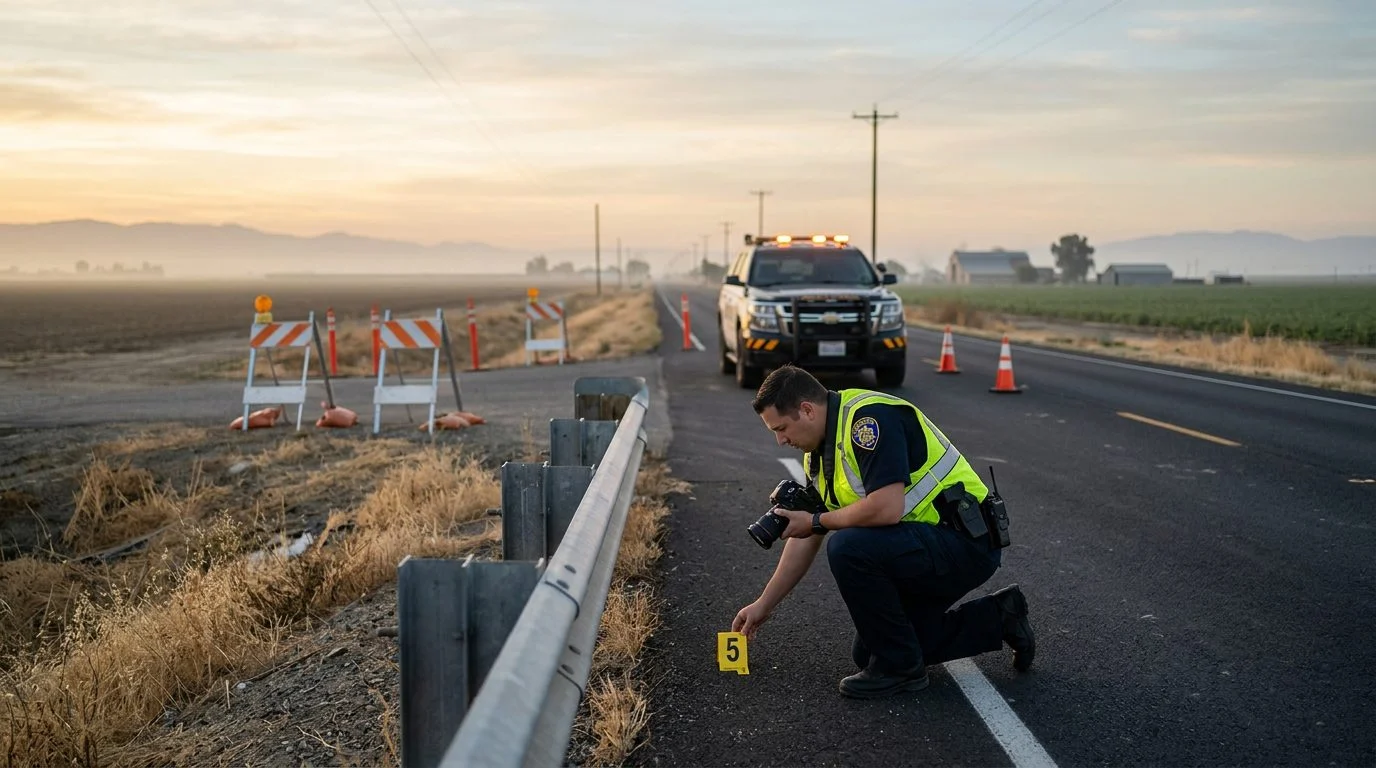
In Kern County, a coroner may become involved after a fatal crash on Highway 99 or a county road. It can also follow a fall on private property, a pedestrian or bicycle collision, or a dog attack.
The coroner’s work is separate from a police or California Highway Patrol crash investigation. Each agency keeps its own file and may move on its own timeline. A family may receive one document long before the other.
Ask the coroner’s office how and when the family will receive updates.
If a coroner report is still pending after a death in a Kern County crash, fall, or attack, we can help you understand what it means for a possible claim. Talk it through with our team — the first consultation is free, confidential, and carries no obligation.
What Does a Coroner or Medical Examiner Report Include?
The report centers on two findings: the cause of death and the manner of death.
The cause is the medical condition or injury that led to the death, such as a head injury or internal bleeding. The manner is a label: natural, accident, suicide, homicide, or undetermined. Each label is a classification. It is not a ruling about who was to blame.
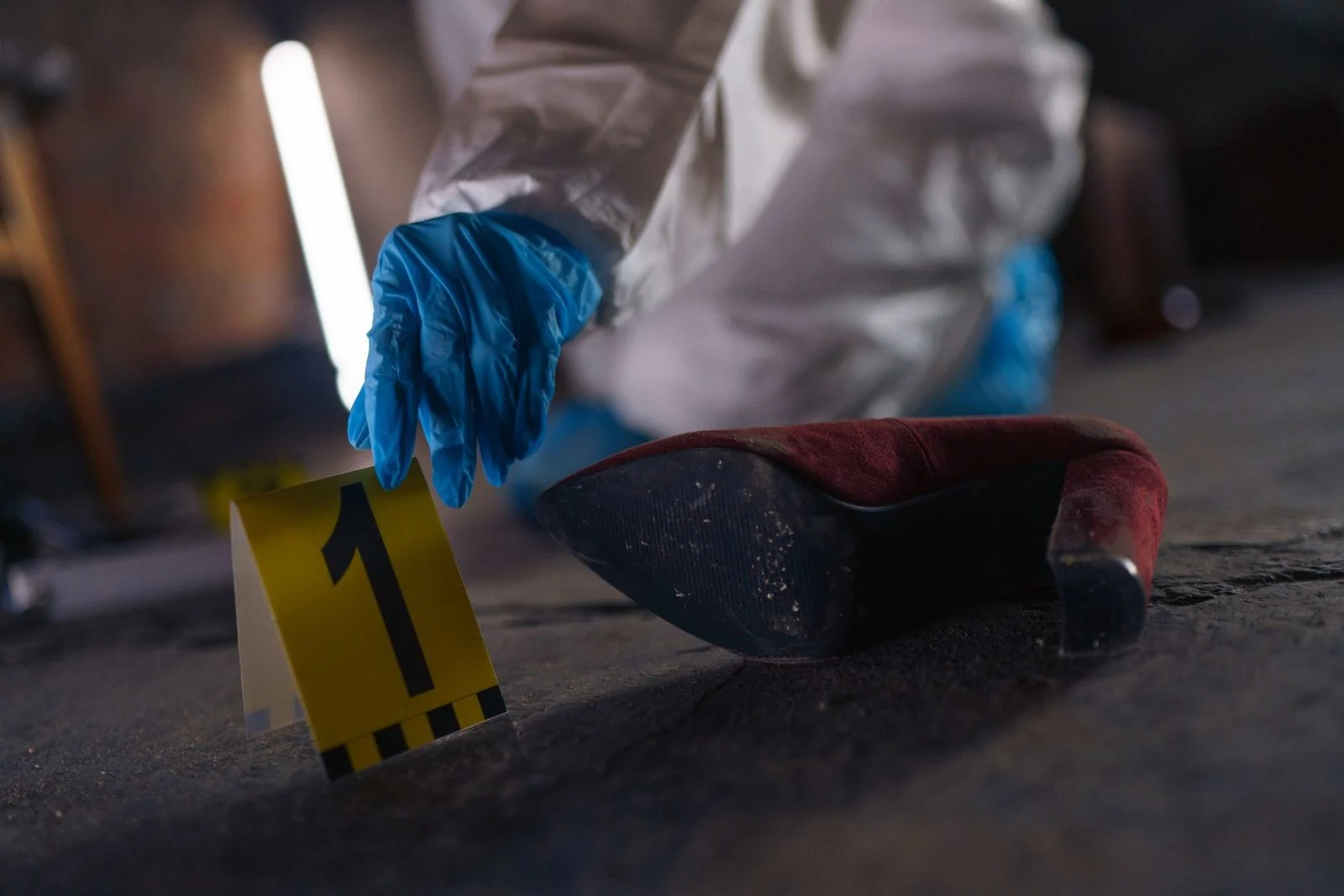
The report also includes autopsy findings, toxicology results, and the investigator’s narrative and scene notes. Scene notes can record where a vehicle came to rest or where a person was found.
The death certificate draws on those findings, which is why families often see both documents. Some results take time. Toxicology and other lab work can take weeks or longer, so the report may arrive in parts. Read the narrative closely and write down questions as they come up.
How Does a Coroner Report Connect to a Wrongful Death Claim?
The report helps tie the injuries to the event that caused the death. This link is called causation.
It does not prove negligence by itself. Negligence means failing to use ordinary care. California law makes a person responsible for injury caused by a want of ordinary care, under Civil Code § 1714.
A manner-of-death label such as accident or homicide is a medical or investigative finding, not a finding of legal fault. Scene photos, witness statements, and records from before the event help show what happened. A family’s attorney reviews them alongside the coroner’s findings.
Findings can be disputed, so no single document settles the case.
If the injured person also shared fault, California uses comparative negligence, or shared fault. The California Supreme Court explained in Li v. Yellow Cab Co. that this approach is preferable to the all-or-nothing rule. The California civil jury instructions on a plaintiff’s comparative fault explain that if the defendant proves the required elements, the plaintiff’s damages are reduced by the jury’s determination of the percentage of the plaintiff’s responsibility, and the judge calculates the actual reduction. The judge calculates the actual reduction.
Who Can File a Wrongful Death Lawsuit in California and When?
Usually, a surviving spouse, registered domestic partner, or child may bring the claim. Under Code of Civil Procedure § 377.60, other people can also qualify in some cases. These can include stepchildren or parents who depended on the person who died.
A minor who lived in that person’s household for the previous 180 days, and got half or more of their support from them, may also qualify.
Code of Civil Procedure § 335.1 sets a two-year limit for a claim over an injury or death caused by another’s wrongful act. Other rules can change that clock, so the facts of each case matter.
A coroner investigation can take time, and dates blur during a long wait. Write down the date of death and keep it in view. If a public entity, such as a county or the state, may be involved, Government Code § 911.2 requires a claim for death or for injury to person or personal property to be presented not later than six months after the accrual of the cause of action.
Which Other Records Work Alongside the Coroner Report?
A coroner report is more useful when it is reviewed alongside the crash report, scene evidence, and medical and financial records. For a fatal crash, the California Highway Patrol crash report is a key record. The CHP crash report requests page explains who can request one and how.
Witness names, photos, and scene evidence are often most useful when collected early. Keep copies of every record you receive and note where each one came from.
For a dog attack, the bite must have happened in a public place or lawfully on private property. According to the California civil jury instructions on the dog bite statute, people who own dogs can be held responsible for harm from a dog bite, however carefully they guard or restrain their dogs.
For a pedestrian collision, Vehicle Code § 21950 requires drivers to yield to pedestrians in marked crosswalks and in unmarked crosswalks at an intersection. Pedestrians must still use due care.
For a fall, the question is whether the property owner kept the area reasonably safe. The California civil jury instructions on unsafe conditions ask whether a condition on the property created an unreasonable risk of harm, whether the defendant knew or, through the exercise of reasonable care, should have known about it, and whether the defendant failed to repair the condition, protect against harm from the condition, or give adequate warning of the condition. A condition on the property created an unreasonable risk of harm, and the responsible party was aware of it or would have discovered it through reasonable diligence. Under California premises liability law, a property owner may be held responsible when a dangerous condition on its property causes injury and the owner knew or should have known about it and failed to repair the condition, protect visitors against harm from it, or give adequate warning of it.
If the person who died had Medicare, the CMS Medicare Secondary Payer overview explains that Medicare may make conditional payments. Those payments must be repaid from a settlement, judgment, or award.
How Long Does a Wrongful Death Claim Take?
A wrongful death claim can take months or longer, and the timing depends on the facts of each case. Most claims move through stages: investigation, evidence gathering, negotiation, and, if needed, filing suit.
The coroner’s findings, records requests, and medical reviews can each add time. Early steps help. Preserving records and writing down what happened while memories are fresh can make later review easier.
A survival claim covers the decedent’s own losses before death. Code of Civil Procedure § 377.34 generally limits those damages and excludes pain and suffering, with limited exceptions.
Economic losses such as medical expenses, burial costs, and lost earnings are objectively verifiable, under Civil Code § 1431.2. Non-economic losses, like loss of companionship, are subjective. In a personal injury, property damage, or wrongful death action based on comparative fault, when more than one defendant is at fault, each pays non-economic damages only in proportion to its fault share, and this rule does not cover economic losses such as medical expenses and lost earnings.
Not sure what your next step is?
Talk it through with our team — the first consultation is free, confidential, and carries no obligation.
Talk With a Kern County Wrongful Death Lawyer About Your Family’s Situation
If a coroner report is still pending after a death in a crash, fall, or attack, the findings can raise hard questions about the claim and its deadlines. You don’t have to sort through those questions alone.
Contact Colvin Accident Lawyers to talk through the report and your next steps. Bring the coroner’s notices, the death certificate, and any crash or incident papers you have.
Colvin Accident Lawyers is based in Bakersfield, California. Your first consultation is free, confidential, and carries no obligation to continue.
Common Questions About Coroner Reports and Wrongful Death
Does a coroner report decide who is at fault?
No. It records the cause and manner of death. Fault is a separate question that other evidence helps answer.
Who can file a wrongful death claim in California?
Usually a surviving spouse, registered domestic partner, or child can. Other relatives can qualify in some cases under Code of Civil Procedure § 377.60.
How long do I have to file?
Code of Civil Procedure § 335.1 sets a two-year limit for this kind of claim. Other rules, including the six-month rule for public entities, can apply.
What the Coroner Report Does and Does Not Do
Records the cause of death
The report identifies the medical reason a person died, based on examination and testing.
Records the manner of death
The report classifies how the death occurred, such as accident, natural, homicide, suicide, or undetermined.
Does not decide fault
Responsibility for a death is a separate question. Police records, witness accounts, and other evidence help answer it.
Supports a wrongful death investigation
Findings in the report can help guide the investigation into how the death happened and who may be responsible.
Important: Read the Report With Help
A coroner’s report is one important record, not a final answer about liability. Medical terms, amended findings, and related records can change how the report is understood, so it is wise to review it with a lawyer before drawing conclusions.

Common Questions Families Ask
Does the coroner report decide who is at fault?
No. It records the cause and manner of death. Fault is a separate question that other evidence helps answer.
Can I get a copy of the report?
Our team can explain how to request the report and what to look for once you have it. Call us to talk through your situation.
What if the report is unclear to me?
Coroner findings often use medical language. Our team can help you understand what the findings say and what they may mean for your claim.
Is a consultation free?
The initial consultation is free, confidential, and carries no obligation to continue.