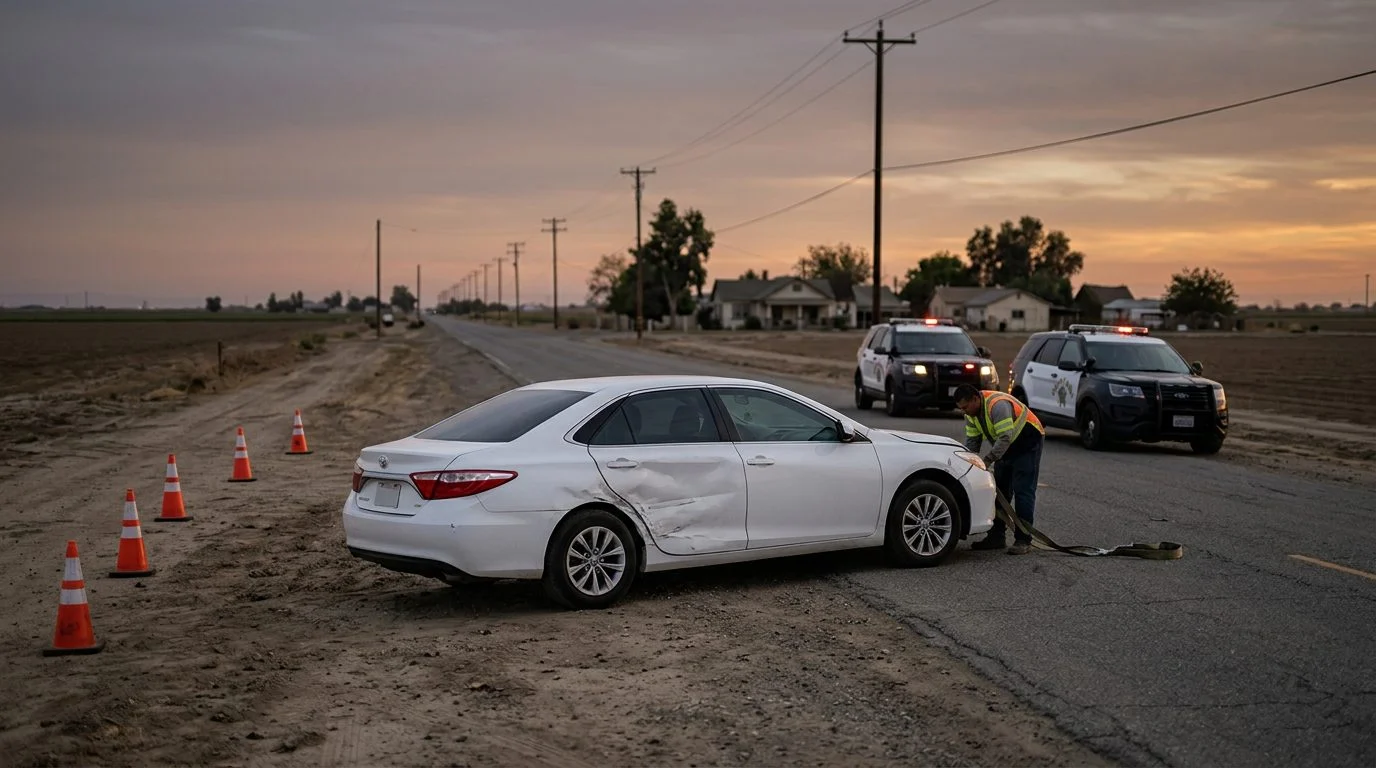
Wrongful Death & Emotional Distress | Bakersfield, California
Losing Someone in a Crash Changes Everything. We Help Families Seek Answers.
Shock, grief and lasting fear after a fatal collision are real harms, and California law recognizes them in certain cases. Here is how to think about your options.
By Donald Norman Colvin · Published November 11, 2026
Losing someone in a crash brings grief, and witnessing it can add fear and painful memories. Many people then ask whether that emotional harm can support a lawsuit.
In some cases, yes. This page explains the key facts, how a bystander claim differs from a wrongful death claim, and what evidence helps.
Short Answer: Bystander Emotional Distress Claims in California
The claim is about the witness’s own emotional harm, not only the injury or death of the victim.
The starting point is general negligence. Under Civ. Code § 1714, everyone is responsible for an injury caused to another by a want of ordinary care or skill. Cal. Civ. Code § 1714 reads: “(a) Everyone is responsible, not only for the result of his or her willful acts, but also for an injury occasioned to another by his or her want of ordinary care or skill in the management of his or her property or person, except so far as the latter has, willfully or by want of ordinary care, brought the injury upon himself or herself.” A bystander claim adds its own questions about the witness, so that general rule alone does not settle it.
Emotional distress can show up as fear, anxiety, nightmares, trouble sleeping, or memories that return without warning.
Not every witness has a claim. Each crash turns on its own facts. Seeing a terrible event is painful, but a witness should not assume a claim exists just because they were there.
Watching a fatal crash can leave you shaken for a long time, and you don't have to work out what it means for you alone. Colvin Accident Lawyers is ready to talk through your facts with you. Talk it through with our team — the first consultation is free, confidential, and carries no obligation.
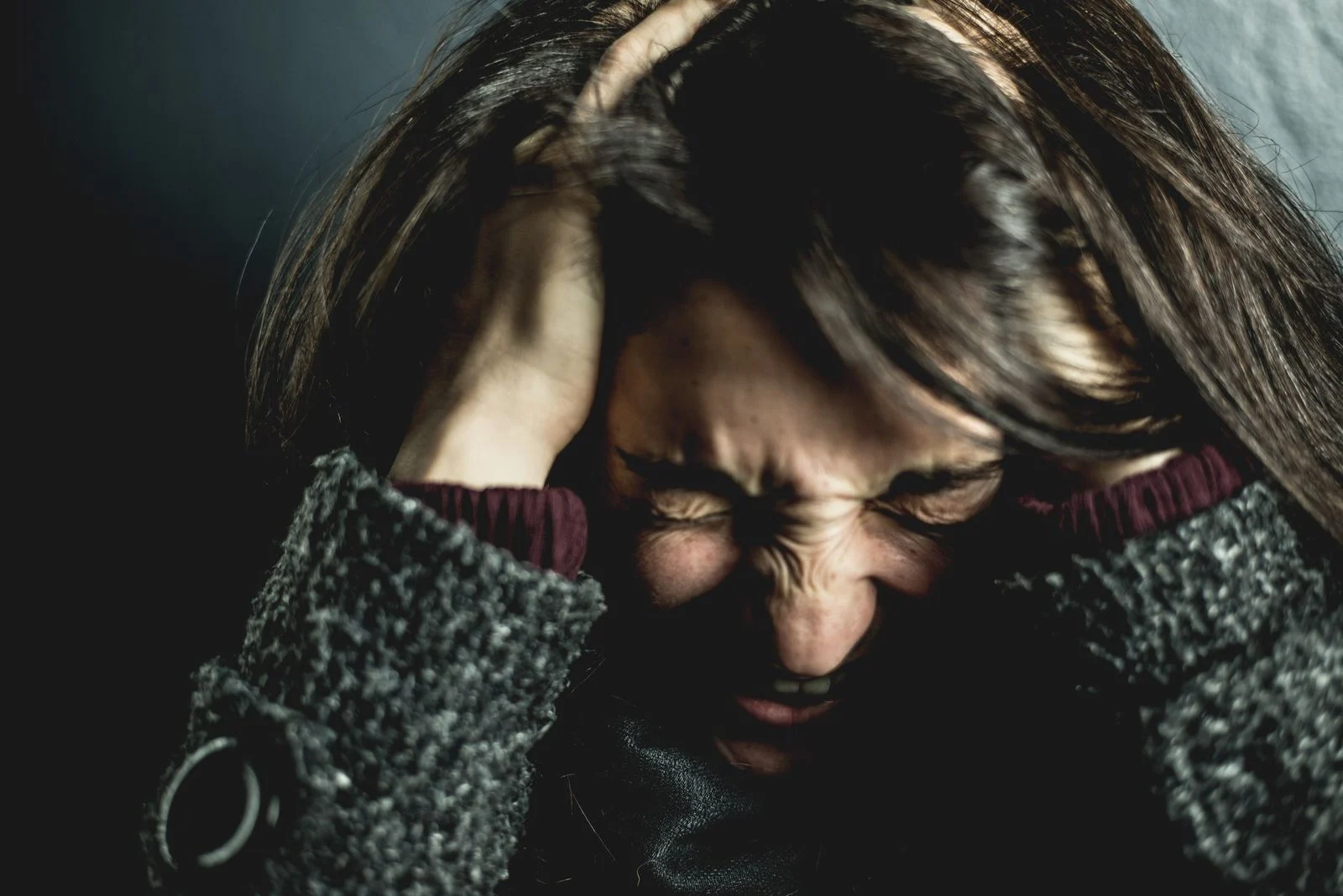
Why Being at the Scene Matters
Where you were is one of the first facts anyone will ask about. A person who watched the crash happen stands in a very different place than someone who heard about it later by phone, text or news report.
Awareness matters too. Was the crash happening in front of you, or did you arrive after the impact, when the scene had already changed? The timing and your view of the event shape how the facts are read.
Your own account counts. Write down what you saw, heard and did, along with the times, while the details are still clear. If you tried to help, note that too, because your actions are part of what happened. Notes made close to the event are easier to check against other records than memories pieced together months later.
Why Your Relationship to the Victim Matters
Lawyers look closely at how you were connected to the person hurt or killed. That connection is one of the facts that shapes a bystander claim.
A label like friend, coworker or neighbor is only a starting point. The details matter more: how close you were, how often you shared daily life, and what role that person played in your life. Shared households, daily care and routines can all show closeness, not only blood or marriage.
A family member and a stranger who saw the same crash will not have the same facts to show. The difference in those facts is what makes the relationship question so central.
Bystander Claim vs. Wrongful Death Claim
A bystander claim is about the witness’s own harm. A wrongful death claim is about the death, and it is brought by eligible people. Under Code Civ. Proc. § 377.60, a wrongful death claim may be asserted by the decedent’s surviving spouse, domestic partner and children, or by the decedent’s personal representative on their behalf.
The statute also lists other eligible people. These include dependent parents, and minors who lived in the decedent’s household for the previous 180 days and were dependent on the decedent for one-half or more of the minor’s support. A witness who is not one of those people may still have a separate question about their own emotional harm.
Both claims can come from the same crash. They have different plaintiffs and different damages, so keep them separate when you review your options. Whether both can be pursued together turns on who is eligible and what each claim covers. Our wrongful death lawyer page gives a fuller overview of how those claims work.
How Damages Work in a Death Case
Damages are money a court can award for harm. Under Civ. Code § 3281, a person who suffers harm from another’s unlawful act may recover money from the person at fault.
Death cases add limits. In an action by a decedent’s personal representative or successor in interest, Code Civ. Proc. § 377.34 limits recoverable damages to the loss the decedent sustained before death. Those damages generally do not include pain, suffering or disfigurement.
The statute has exceptions tied to filing dates. One covers actions filed on or after January 1, 2022 and before January 1, 2026. New filings made after that window do not fit that exception.
Separately, Code Civ. Proc. § 377.61 says wrongful death damages may be awarded that are just under all the circumstances. Those damages may not include the damages covered by § 377.34.
Fault also matters.
In everyday talk, people mix words like distress, suffering and grief together. In a death case, the statutes treat these categories differently, so the label matters.
Evidence That Helps Show Your Presence, Relationship and Distress
Helpful evidence falls into three groups: records that place you at the scene, records that show your relationship, and records that show how the event affected you.
- Where you were: your written timeline, phone call and text logs, and any statements you gave to police. A CHP crash report can confirm the timeline, and the California Highway Patrol sets out who may request one.
- Relationship: birth, marriage or family records that confirm the connection.
- Medical and counseling records: notes that document symptoms, diagnoses and treatment after the crash.
- A symptom journal: dated notes on sleep trouble, nightmares, flashbacks or anxiety, written in your own words.
Keep copies of everything and sort records by date so they tell a clear story. One common mistake is waiting months to write anything down. Details fade, and a vague timeline is harder to match against medical notes.
Notice what is said to you after the crash, too. Under Evid. Code § 1160, sympathy expressed to an accident victim’s family is inadmissible as evidence of an admission of liability. A statement of fault is not protected by that section, so keep track of exactly what was said.
Not sure what your next step is?
Talk it through with our team — the first consultation is free, confidential, and carries no obligation.
Common Questions About Witnessing a Fatal Crash in California
Each answer below turns on the facts of your situation, so treat these as a starting point.
Can a friend or coworker who saw the crash sue for emotional distress?
Can I sue if I was not physically hurt?
A bystander claim is built on emotional harm, so a physical injury to you is not the only question.
Does the claim disappear if I was not in the car?
Not necessarily. The questions focus on whether you were at the scene and how the event affected you, not on who was driving.
Do I need medical records to show what I went through?
Records from a doctor or counselor can document your symptoms and treatment, which helps show what you experienced.
What is the deadline?
Under Code Civ. Proc. § 335.1, an action for injury to, or death of, an individual caused by another’s wrongful act must be brought within two years. Reach out soon so the deadline does not slip by.
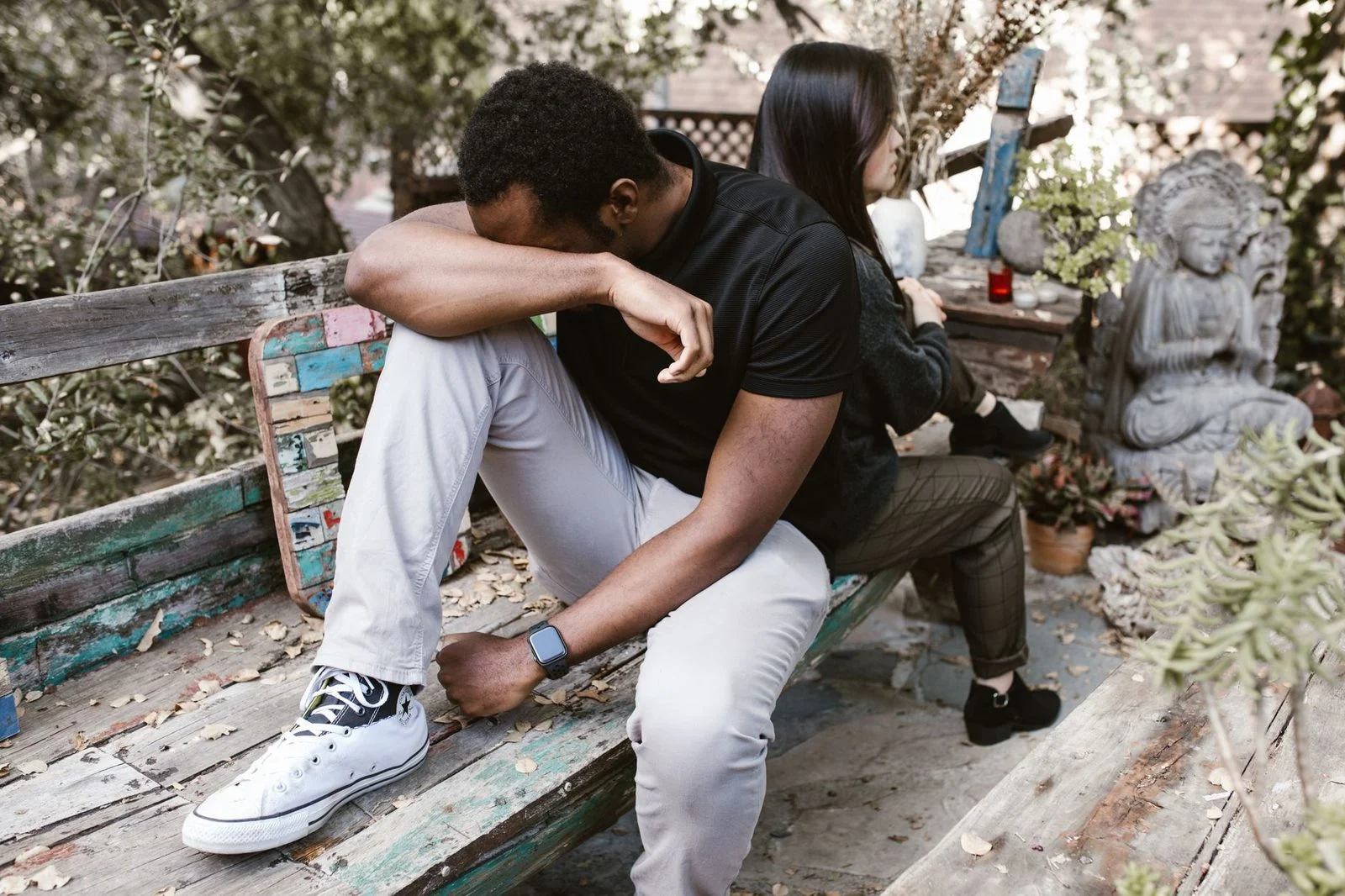
Talk With Colvin Accident Lawyers About Your Situation
If you watched a fatal crash and can’t stop replaying it, you can talk through your facts with the team at Colvin Accident Lawyers. The firm is based in Bakersfield, California, and offers a free, confidential initial consultation with no obligation to continue.
Whether the crash happened in Kern County or somewhere else in California, the questions above are where that conversation can begin. Donald Norman Colvin is the responsible lawyer for this site. Reach out through the contact page and describe where you were, who the person was to you, and what you have noticed since the crash.
Colvin Accident Lawyers, Bakersfield, California — responsible for this site.
How Colvin Accident Lawyers Can Help
Compassionate Listening
We take time to understand what you saw, what you lost and how the crash has affected your daily life.
Clear Explanations
We explain how emotional distress claims work in California, including the facts and legal questions that matter in your situation.
Focused on Injury and Wrongful Death Cases
Our practice focuses on car, truck, motorcycle, bicycle, pedestrian, bus and other accident matters, including wrongful death cases.
Confidential, Free First Consultation
Your first consultation is free, confidential and comes with no obligation to continue.
Before You Speak With an Insurer
Insurance adjusters may ask for a recorded statement soon after a crash. Speaking with a lawyer before you give one can help you understand what you are being asked and why.
Questions to Bring to Your Consultation
What did I see or hear?
Note whether you were at the scene, nearby, or learned of the crash later, along with the details you remember.
How has my health changed?
Track sleep problems, anxiety, nightmares, flashbacks or other changes, and any treatment you have sought.
Who was affected?
Write down your relationship to the person who died or was hurt and how the loss has changed your family's routines.
What records do I have?
Keep police reports, medical records, photos, messages and bills. Bring them to your consultation if you can.