Wrongful Death · Bakersfield, CA
When the At-Fault Driver Has Died, Your Family May Still Have Options
Your first consultation is free, confidential, and comes with no obligation to continue.
By Donald Norman Colvin · Published November 5, 2026
Yes. When a driver’s negligence causes a fatal crash, a wrongful death claim in California may still go forward after the driver dies. The death changes who responds to the claim. It does not erase the claim. This guide explains the steps in plain language, using California statutes and court guidance. It is general information, not advice about your own case. Colvin Accident Lawyers is based in Bakersfield, California, and handles wrongful death cases arising from car, truck, motorcycle, bus, and other crashes.
Why the Driver’s Death Does Not End a Wrongful Death Claim
A driver’s death does not end a wrongful death claim. It changes who answers for it. A wrongful death claim is a civil case. It asks whether one person’s negligence caused another person’s death, and what losses the family suffered because of it.
California law keeps the claim alive. Under Code of Civil Procedure § 377.20, a cause of action is not lost because a person dies. It survives, subject to the applicable time limit.
Families often feel stuck when the person who caused the crash is no longer alive. That feeling makes sense. The law still gives the family a path forward.
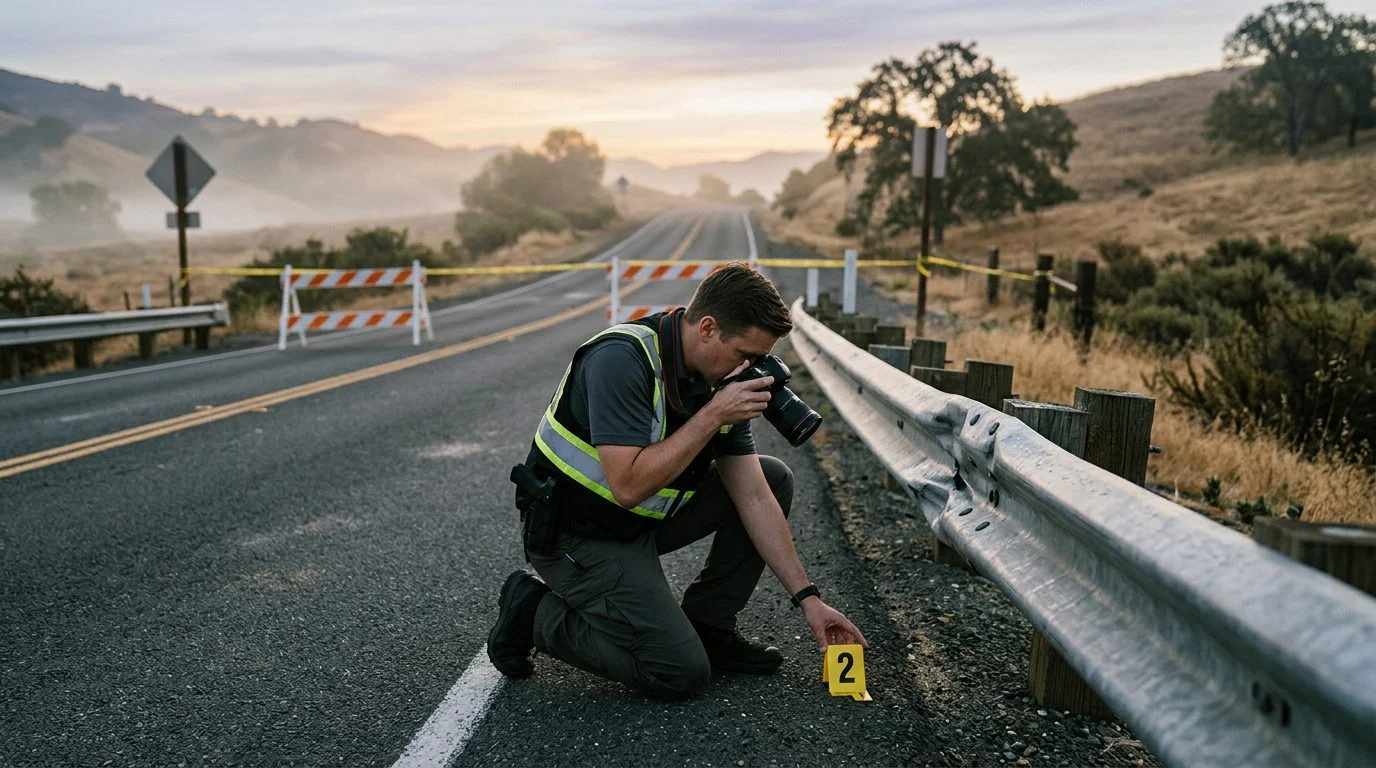
The crash facts still decide fault. Police reports, witness accounts, photographs, and vehicle evidence stay important even when the driver cannot testify. Those facts are what the claim is built on.
If your family lost someone in a crash and the driver also died, Colvin Accident Lawyers can walk you through who may bring the claim and which insurance may respond. Talk it through with our team — the first consultation is free, confidential, and carries no obligation.
Who Can Bring a Wrongful Death Claim in California
Certain close family members can bring the claim. The decedent’s personal representative can also bring it on their behalf. The main list appears in Code of Civil Procedure § 377.60.
Under that section, the decedent’s surviving spouse, domestic partner, and children may bring the action. If there is no surviving issue, the persons, including the surviving spouse or domestic partner, who would inherit the decedent’s property by intestate succession may bring it. Stepchildren, parents, a putative spouse, children of the putative spouse, and the decedent’s legal guardians (if the parents are deceased) may also qualify if they were dependent on the decedent. A minor who lived in the decedent’s household for the previous 180 days, and depended on the decedent for half or more of support, may bring a claim too.
A personal representative may also start the case on behalf of the persons entitled to bring the claim. Under Code of Civil Procedure § 377.30, the decedent’s own claim that survives death (a survival claim) passes to the successor in interest, and that action may be commenced by the decedent’s personal representative or, if none, by the successor in interest.
For a full overview of who qualifies and how the process starts, read our wrongful death lawyer guide.
Who the Claim Is Brought Against When the Driver Has Died
When the driver has died, the claim is generally brought against the driver’s estate. The estate is the property and debts the driver left behind. Someone manages it for the court.
Liability insurance covering the driver or the vehicle is often a key source of payment. Insurance is covered in the next section.
Whether an estate has been opened, who manages it, and how the steps move forward depends on the facts of the case. Families should not assume the estate has no assets or that no insurance exists. Finding out takes investigation.
How Insurance Coverage Works After a Fatal Crash
The at-fault driver’s liability insurance is usually the first place to look for payment. A fatal crash can produce losses well above a policy’s limits, so families should understand those numbers early.
California sets minimum auto liability limits. For a policy issued or renewed on or after January 1, 2025, the minimums are $30,000 for bodily injury or death of one person in one accident. They are $60,000 for two or more persons, plus $15,000 for property damage. See Vehicle Code § 16056. These are minimums, not the full amount a driver may carry.
If the other driver was uninsured, your family’s own uninsured motorist coverage may apply.
Insurers may contact family members soon after a death. Learn what to expect in our guide on insurer calls after a crash death.
What Happens to Criminal Charges When the Driver Dies
A criminal case and a civil wrongful death claim are separate matters. The criminal side looks at whether the driver broke the law. The civil claim looks at whether the driver’s negligence caused the death and what the family lost.
Families often ask what happens to a criminal case when the driver dies. Those questions are separate from the civil claim, which moves on its own track. The civil claim rests on the evidence about how the crash happened.
Keep copies of any letters you receive from police, prosecutors, or the court. They can help when you review the timeline with an attorney. For more on how the two tracks relate, see criminal charges and a wrongful death claim.
Proving Fault When the Driver Cannot Testify
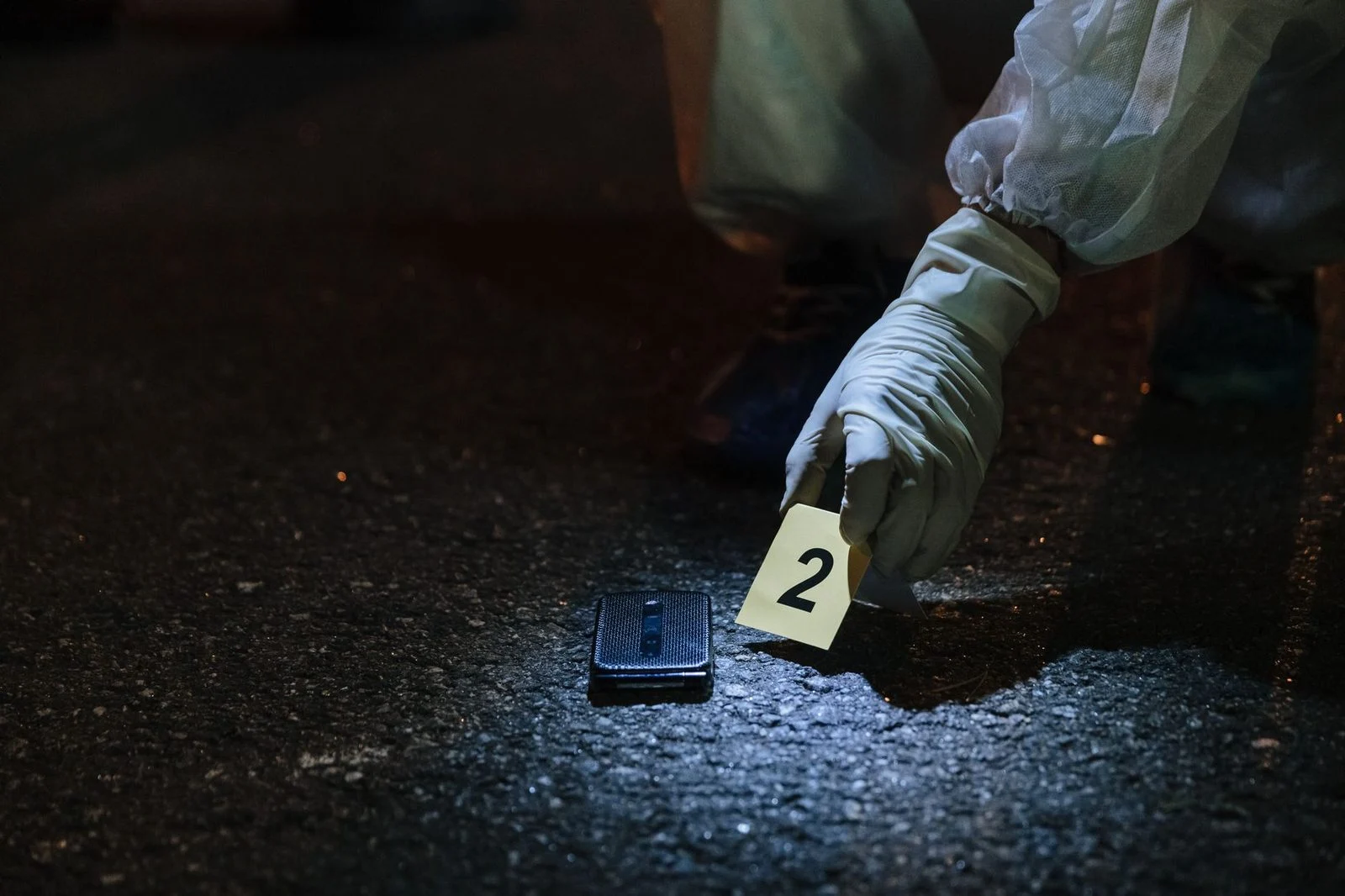
The main sources include the police collision report, scene measurements, photographs, and vehicle damage patterns. Witness statements, traffic camera or dashcam footage, and phone or vehicle event data may also show how the crash happened.
California has a presumption tied to safety rules. The violation must have caused the death or injury. The harm must be the kind the rule was meant to prevent. The presumption can be rebutted by proof that the driver did what a reasonably prudent person would have done.
Medical examiner findings and toxicology results, where available, can bear on the driver’s condition at the time. The Judicial Council’s CACI civil jury instructions cover negligence and comparative fault.
Not sure what your next step is?
Talk it through with our team — the first consultation is free, confidential, and carries no obligation.
The Two-Year Deadline to File
A wrongful death action generally must be filed within two years. Code of Civil Procedure § 335.1 sets that limit for an action for the death of an individual caused by another’s wrongful act or neglect.
The driver’s death does not extend that deadline. Under § 377.20, the claim survives subject to the applicable limitations period. The clock keeps running.
Waiting can use up time. Insurance talks and estate paperwork can take months. Starting early leaves room to act before the deadline passes.
What Damages Families May Pursue in California
Families may pursue losses tied to the death itself. The decedent’s own losses before death may be pursued through a survival claim. Losses may include household services and companionship. Our household services and companionship guide explains those categories in more detail.
Survival damages have a limit. Under Code of Civil Procedure § 377.34, survival damages cover losses the decedent sustained before death. They do not include pain, suffering, or disfigurement, except in limited cases, such as actions filed on or after January 1, 2022, and before January 1, 2026.
The limited exception applies to actions granted a trial preference before January 1, 2022, or filed on or after January 1, 2022, and before January 1, 2026. That filing window has closed. A claim filed now generally would not fall within it.
The family’s losses may also include costs tied to the crash, such as medical bills and funeral expenses. Each category depends on the facts of the case.
Talk Through Your Options Before the Deadline Passes
If your family lost someone in a crash and the driver also died, you may be weighing whether to pursue the estate and insurance now or wait. Starting early gives you time to look at every source without rushing.
Gather the crash report, the death certificate, any insurance letters, and notes on what you were told. Bring them to your conversation.
Contact Colvin Accident Lawyers to talk through who can bring the claim, which insurance may respond, and what the two-year deadline means for your timing (Code Civ. Proc. § 335.1). The first consultation is free, confidential, and carries no obligation to continue.
Frequently Asked Questions
Can a wrongful death claim go forward if the at-fault driver died?
Yes, generally. California law says a cause of action is not lost because a person dies, subject to the time limit.
How long do I have to file a wrongful death claim in California?
Generally two years. Code of Civil Procedure § 335.1 sets that limit.
Can my own uninsured motorist coverage apply?
It may, if the at-fault driver was uninsured or cannot be identified. The statute’s reporting conditions apply.
Who can bring the claim?
Certain close family members can, or the personal representative can act on their behalf.
How Colvin Accident Lawyers Approaches Your Family's Case
Focused on Families
Losing someone in a crash is devastating. Our team focuses on accident victims and families, and we take the time to understand what your family has been through.
Plain-Language Answers
We explain the legal questions in terms you can follow, including how a claim may proceed when the at-fault driver has died.
Careful Review of the Facts
Every wrongful death matter depends on its own facts. We review the police report, the scene, and the available records before discussing possible next steps.
Serving Kern County and Beyond
Based in Bakersfield, we represent families across Kern County, Fresno, Visalia, Lancaster, Palmdale, Delano, and Tehachapi.
Important: Evidence Can Disappear
Police reports, vehicle data, photographs, and witness names can become harder to recover over time. Speaking with a lawyer early helps protect the information that may matter most to your family's claim.
Questions Families Often Ask
Can a claim go forward if the driver died?
The answer depends on the facts of each case. We review the circumstances of your loss and explain the options that may apply to your situation.
What evidence can help?
Police reports, scene photographs, vehicle event data, medical records, and witness statements can all play a role. We discuss what may be available in your case.
What happens at a consultation?
Your first consultation is free and confidential, with no obligation to continue. You can share what happened, ask questions, and learn about your options.
Who can I talk to?
You can speak directly with the team at Colvin Accident Lawyers about your loss. Call our office or send us a message to start the conversation.