Bakersfield, CA | Wrongful Death and Accident Claims
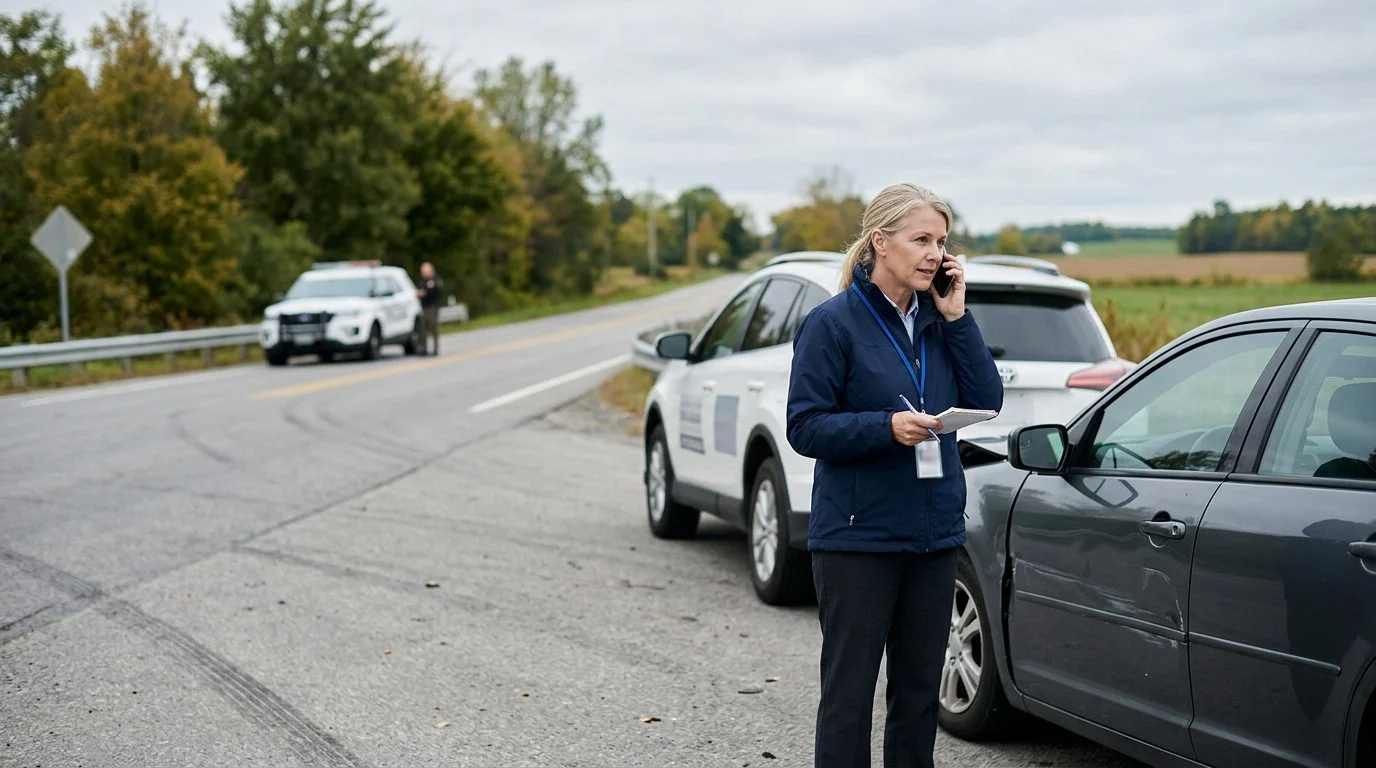
Insurance Adjuster Calls After a Fatal Accident: What to Say
An insurance adjuster may call soon after a loss that took a loved one's life. Learn what to say, what to avoid, and when to speak with a lawyer first.
By Donald Norman Colvin · Published November 5, 2026
When an insurance adjuster calls after a fatal accident, keep the first call short and factual. Share only what you know for certain, write down names and numbers, and don’t agree to a recorded statement, a payment, or a settlement amount that day.
Taking your time is a reasonable choice, even when the caller sounds friendly and patient. This page walks through the call step by step: what an adjuster may ask, what to gather first, and when to bring in a California wrongful death lawyer. Colvin Accident Lawyers is based in Bakersfield, California.
Why an Insurance Adjuster Is Calling So Soon After a Death
An insurance adjuster works for an insurance company. The adjuster’s job is to investigate a claim and evaluate it for that company. The call is part of the insurer’s own review, not a neutral check-in.
Calls often come within days of the death. The family may still be arranging services, notifying relatives, and waiting for a crash report. A call at that moment can feel like one more task on a long list.
The adjuster’s goal is to evaluate the claim. Nothing requires your family to resolve anything on the first call. You can listen, take notes, and say you will respond later.
Many injury and death claims are resolved through negotiation, and many settle without a trial. An early offer is a starting point in that negotiation, not a final answer.
If an adjuster is calling about a crash that took someone you love, you don't have to decide what to say alone. Contact Colvin Accident Lawyers to talk through your options. Talk it through with our team — the first consultation is free, confidential, and carries no obligation.

Common Questions an Adjuster May Ask
Adjusters usually start with basic facts. Expect questions about the date, time, and place of the crash, who was driving, where each person was headed, and who else was in each vehicle.
They may also ask about the person who died. Questions can cover employment, household members, and medical history. They may ask how each family member is related to that person.
Expect questions about the family’s own insurance policies, prior claims, and any treatment received. These are common questions, and they deserve care. Answer what you know, and don’t guess about what you’re unsure of.
It’s fine to let another family member answer some questions. You can also pause on any question you don’t understand. If an answer you gave is unclear or wrong, say so and correct it as soon as you can.
What to Gather Before You Speak With the Adjuster
Start by writing down the adjuster’s full name, the insurance company’s name, the claim number, and a callback number. Do this before the conversation goes further.
Next, gather the crash report number from the agency that responded, the date and location of the crash, and the names of any witnesses you know about. If you don’t have the report yet, write down the agency name and any case number you were given.
Collect the decedent’s auto insurance card, the other driver’s information if your family has it, and any photos, notes, or messages from that day. Keep originals safe and make copies for your records.
The California Department of Insurance guide on accident steps covers reporting an injury accident and documenting injuries and related expenses for a claim. Reading it can help you know what to keep.
If your family needs time to review these details, you can ask to reschedule the call. That is a reasonable request.
What to Say, What to Avoid, and Why Accuracy Matters
When you’re asked what to say to an insurance adjuster after a fatal crash, the answer is simple: stick to facts you know. Answer factual questions briefly, using only what you personally saw or know.
When you don’t know something, say so. “I don’t know” and “I’m not sure” are complete answers. Don’t fill silence with a guess about speed, fault, or what the other driver should have done.
Avoid general comments about how anyone felt, such as saying you are fine or that the crash was anyone’s fault. Statements like these can be repeated later and taken out of context.
Don’t sign any release, accept any payment, or agree to a settlement number on the first call. You can say you need time, or that you will respond after speaking with a lawyer.
An adjuster may argue your family member was partly at fault. Questions about shared fault can be complicated in an accident claim, so it is worth discussing the details of your situation with a lawyer during a free, confidential initial consultation with no obligation to continue. It can reduce damages in proportion to the share of fault.
Recorded Statements and Early Settlement Offers
A recorded statement becomes part of the claim file. If later accounts differ from it, the insurer may use that difference to question the claim. Slow down before agreeing to one.
Early settlement offers often arrive before the family knows the full extent of its losses. Bills, funeral costs, and the long-term effects on the family may not be clear yet. An offer made before those facts are known deserves careful review.
A release is a final document. Read it carefully, and ask a lawyer to review it before you sign.
Insurers also have their own interests at stake. California insurance law lists misleading a claimant about the applicable statute of limitations as an unfair claim practice when an insurer knowingly commits it with such frequency as to indicate a general business practice. Still, the family should check every deadline on its own with a lawyer.
Deadlines and When to Involve a Lawyer
California’s two-year limit applies to an action for the death of a person caused by another’s wrongful act or neglect. The deadline depends on the facts of each case, so confirm the date early.
Under the right to bring a claim, a wrongful death action may be asserted by specific people named in the statute or by the decedent’s personal representative on their behalf. These include the surviving spouse, domestic partner, children, and, in some cases, dependent persons such as stepchildren or parents.
Public agencies have shorter rules. If a public transit agency or other government entity may be responsible, a claim must be presented within six months for a death claim. A suit against a public entity generally cannot start until a written claim has been presented and acted upon or deemed rejected.
Commercial truck crashes can involve records that matter early. Under federal rules, a motor carrier must require each driver to record the driver’s duty status for each 24-hour period.
Frequently Asked Questions
Do I have to give a recorded statement?
You can ask for written questions or say you will respond after speaking with a lawyer.
What should I say if I don’t know an answer?
Say you don’t know. Correct your answer later if you learn more facts.
How long do I have to file a claim?
California’s general deadline for an action for death caused by another’s wrongful act is two years under the statute linked above (Code Civ. Proc. § 335.1).
Not sure what your next step is?
Talk it through with our team — the first consultation is free, confidential, and carries no obligation.

Talk With Colvin Accident Lawyers Before You Respond Further
If an adjuster is asking about a crash that took your family member’s life, a short conversation with a lawyer can help you choose your next step. You may be deciding whether to answer more questions or consider an offer.
Colvin Accident Lawyers, based in Bakersfield, California, offers a free first consultation that is confidential and carries no obligation to continue. Contact Colvin Accident Lawyers to talk through what comes next.
Colvin Accident Lawyers handles wrongful death, car, truck, motorcycle, bicycle, pedestrian, bus, and other injury matters.
Donald Norman Colvin, Colvin Accident Lawyers, Bakersfield, California — responsible for this site.
Pause before you give a recorded statement
An adjuster works for the insurance company, not for your family. Before you give a recorded statement or sign any document, consider speaking with a lawyer. Colvin Accident Lawyers offers a free, confidential first consultation with no obligation to continue.
Before you take the adjuster's call
Note who is calling
Get the adjuster's name, company, phone number, and claim number. Write them down before you discuss anything else.
Ask for written questions
You can ask the adjuster to send questions in writing. You may also say you will respond after you have spoken with a lawyer.
Stick to facts you know
Describe what you saw and what you were told. Avoid guessing about speed, fault, or what the other driver intended.
Say when you don't know
If you don't know an answer, say so. You can correct or add to your answer later if you learn more facts.
What to avoid saying
Don't minimize your injuries
Saying you are 'fine' or 'not hurt' can be used against you later, even if your symptoms develop over time.
Don't sign releases quickly
Review any release, medical authorization, or settlement paper with a lawyer before you sign it.
Don't speculate about fault
Avoid statements like 'it was my fault' or 'I should have seen them coming.' Describe only what you observed.
Don't rush into a decision
Insurance companies may ask for quick answers. You do not have to decide anything on the first call.