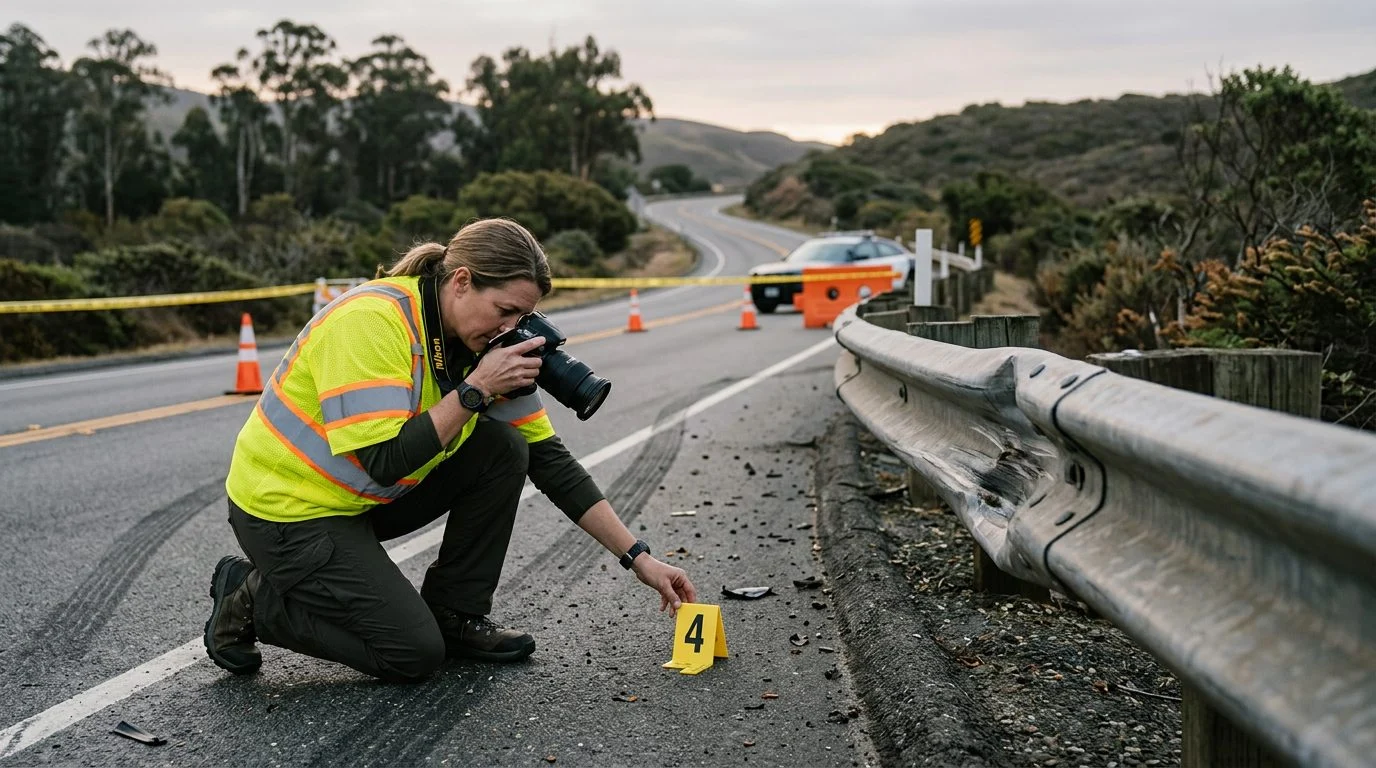
Wrongful Death · Bakersfield, California
When a Crash Takes a Family Member, You Deserve Clear Answers
Here is how California families think through the legal and practical steps after a fatal crash, and how Colvin Accident Lawyers can help you decide what comes next.
By Donald Norman Colvin · Published November 10, 2026
If a family member was driving in a fatal crash in California, you may be asking whether your family can bring a wrongful death claim. A family tie alone does not answer that. The crash facts and the people at fault do.
A Family Tie Does Not Decide Whether a Claim Exists
Whether a claim exists depends on the facts of each crash. California law asks who was negligent, who was harmed, and who is allowed to sue. Being a parent, spouse, or sibling does not settle the question by itself. Being related to the driver also does not change who may be responsible.
Many families assume the family tie settles everything. It does not. Each side of the crash needs its own review.
This page covers two situations. In the first, the family member was the driver who died. In the second, the family member was driving and someone else died. A single crash can involve both.
If a relative was behind the wheel and your family is unsure what comes next, we are glad to talk through the crash and the policies with you. Talk it through with our team — the first consultation is free, confidential, and carries no obligation.
Two Situations: The Relative Was the One Who Died, or Caused Another Death
When the relative died, the family may have a claim against other people whose negligence helped cause the crash. That can include another driver who ran a red light, the owner of a commercial vehicle, a property owner whose conditions played a role, or a public agency responsible for a road defect. Each one needs its own review of the facts.
When the relative’s driving killed someone else, that person’s eligible heirs may have a wrongful death claim against the family driver and anyone else responsible. Many families assume the relationship ends the matter. Usually it does not. The same questions of fault and proof apply.
One crash can involve both. Imagine a relative who crossed the center line and died after a collision, while another vehicle was also at fault. The relative’s family and the other people hurt may each have claims. Each claim turns on its own facts and its own deadlines.
Who Can Bring a Wrongful Death Claim in California
Under Code of Civil Procedure § 377.60, a wrongful death claim may be brought by the decedent’s surviving spouse, domestic partner, children, and issue of deceased children. If there is no surviving issue, the persons who would inherit the decedent’s property by intestate succession may bring it. A personal representative may also sue on their behalf.
Other dependents can qualify under the same section. These include a putative spouse, stepchildren, and parents, or legal guardians if the parents have died. A minor may qualify if the minor lived in the decedent’s household for the previous 180 days and depended on the decedent for one-half or more of the minor’s support.
Eligibility comes from the statute, not from how close the family feels. More than one eligible person may be involved, so the family should coordinate decisions about who sues and when.
The deadline is separate. Under Code of Civil Procedure § 335.1, an action for the death of an individual caused by the wrongful act or neglect of another is subject to a two-year limit, though other provisions and exceptions, such as tolling rules and discovery rules, can affect when that period begins or ends.
The estate’s claim works differently. Under Code of Civil Procedure § 377.34, a personal representative’s damages are generally limited to losses the decedent suffered before death. They do not include pain and suffering, except as the statute allows.
How the Driver’s Own Fault Affects Recovery Under California Comparative Fault
Here is how that plays out when a family member was driving. Under Civil Code § 1431.2, each defendant’s share of non-economic damages is limited to its own percentage of fault.
Fault comes from evidence, not from the fact that a crash happened. Evidence can include speed, signals, lane position, road conditions, and vehicle condition. Under Vehicle Code § 22350, no one may drive faster than is reasonable or prudent for the conditions. Under Evidence Code § 669, violating a statute, ordinance, or regulation of a public entity can create a presumption of a failure to use due care, but only if the violation proximately caused death or injury to person or property, the harm was of the kind the rule was designed to prevent, and the injured person was within the class the rule protects. That presumption can be rebutted. That presumption can be rebutted.
The Judicial Council’s civil jury instructions cover negligence and comparative fault.
Timing can change if a public entity is involved. Under Government Code § 911.2, a claim for death against a public entity must be presented within six months after the cause of action accrues.
Where the Money Can Come From: Auto Policies, Permissive Users, and Other Coverage
Start with the auto policies involved. For policies issued or renewed on or after January 1, 2025, Vehicle Code § 16056 requires minimum bodily injury limits of $30,000 for one person and $60,000 for two or more persons in one accident. Many policies carry higher limits.
Owner liability is a second path. Under Vehicle Code § 17150, every owner of a motor vehicle is liable and responsible for death or injury to person or property resulting from a negligent or wrongful act or omission in the operation of the vehicle by anyone using it with the owner’s express or implied permission. When a relative drove a family car with permission, the owner may face responsibility. The owner’s policy may also cover a permissive driver, subject to its terms.
Household rules can narrow coverage. Under Insurance Code § 11580.2, an “uninsured motor vehicle” does not include one owned or operated by the named insured or by a resident of the same household. If the at-fault driver lived in the family’s home, uninsured motorist coverage may not apply the way families expect.
Other sources to review include an employer’s policy if the driver was working, any umbrella policy, and uninsured or underinsured motorist coverage on the decedent’s own policy. Review the full declarations pages and any household or family-member exclusions. The wording controls what is covered.
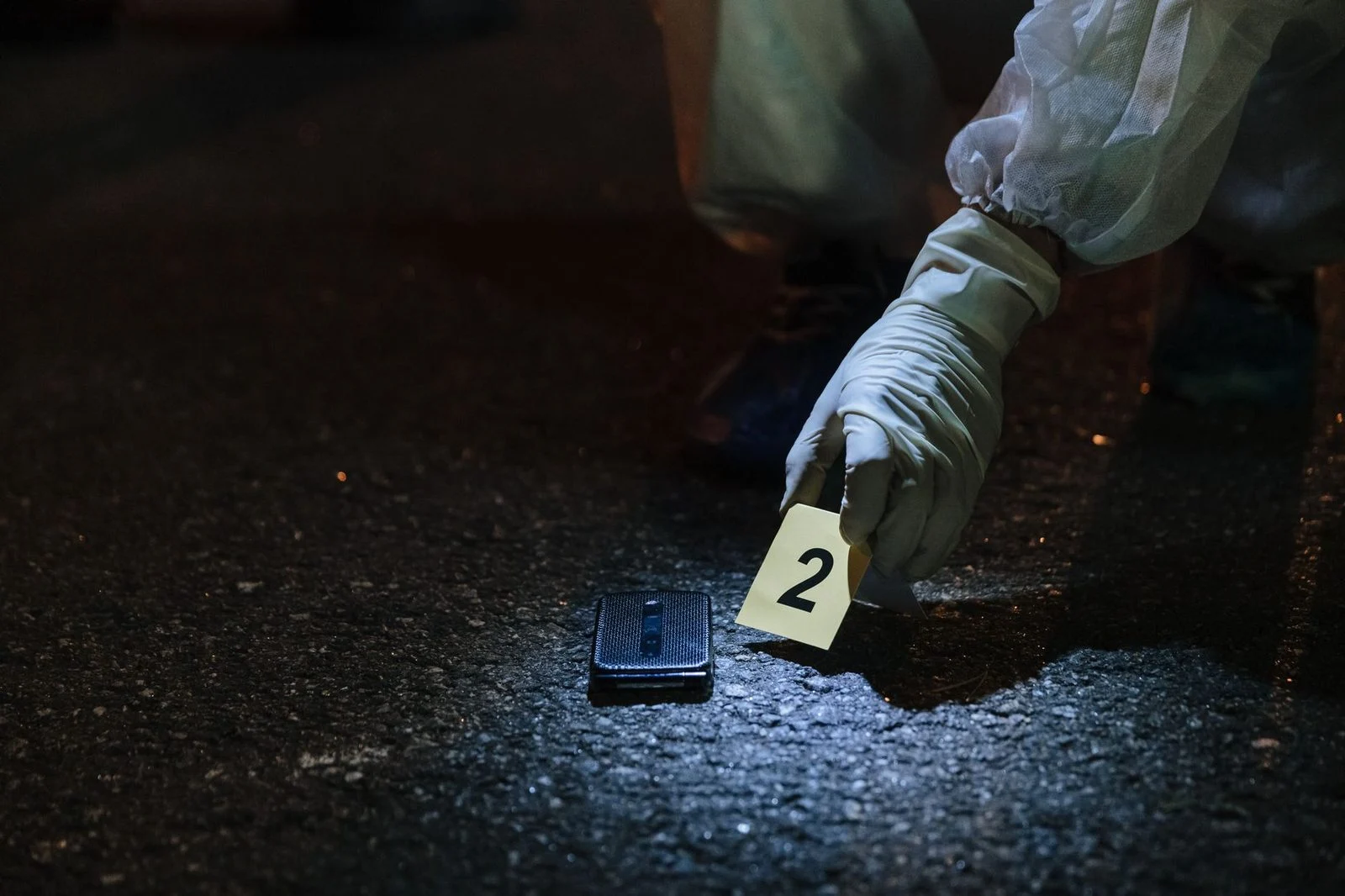
Records to Preserve After a Fatal Crash
Keep the crash report and any citation. Save every photo and video from the scene. Write down witness names and phone numbers while memories are fresh.
Find out who has custody of the vehicles. Their event data recorders may hold crash data. Save phone records if a phone may have been in use. Keep every insurance declarations page and letter from an insurer. Keep the decedent’s pay records too.
Medical bills for treatment before death, and funeral or burial costs, are part of economic damages. Under Civil Code § 1431.2, economic damages are objectively verifiable monetary losses. That includes medical expenses, loss of earnings, and burial costs. Keep every receipt and statement.
Be careful online. Avoid posting about the crash or the driver’s conduct while the facts are still being gathered. Posts stay public and can be read by insurers and others. A simple timeline of what the family knows, written down early, can help.
Not sure what your next step is?
Talk it through with our team — the first consultation is free, confidential, and carries no obligation.
Talk With Colvin Accident Lawyers About Your Family’s Situation
If a relative was behind the wheel and your family is unsure whether a claim is possible, Colvin Accident Lawyers offers a free first consultation that is confidential, with no obligation to continue.
Bring the crash report, the policy declarations, and your questions. We can talk through the fault questions and the coverage on the policies involved. Contact Colvin Accident Lawyers to start that conversation.
For an overview of this type of case, see our wrongful death lawyer page.
Can a family member sue if a relative was driving and died?
Possibly. The crash facts and the fault of others decide it, and Civil Code § 1431.2 makes each defendant’s liability for non-economic damages several only, limited to that defendant’s percentage of fault.
How long do families have to file?
California generally sets a two-year deadline for wrongful death actions under Code of Civil Procedure § 335.1.
Does the family’s auto insurance cover a relative who drove?
It may, depending on the policy terms, including any household exclusions.
Donald Norman Colvin, Colvin Accident Lawyers, Bakersfield, California — responsible for this site.
How Colvin Accident Lawyers Works With Families
Compassionate, Plain-Language Guidance
We explain the process in clear terms so your family understands each step before deciding anything.
Focused on Accident Cases
Colvin Accident Lawyers focuses on car, truck, motorcycle, bus, bicycle, pedestrian, and wrongful death matters in Kern County and nearby communities.
Free, Confidential First Consultation
Your first consultation is free, confidential, and carries no obligation to continue.
Careful Review of the Facts
We look at the crash report, medical and funeral records, and insurance communications to understand what happened and who may be responsible.
Important: Talk to a Lawyer Before Giving Statements
Insurance adjusters may contact your family soon after a fatal crash. Anything said or signed can affect a future claim, so speak with a lawyer before giving a recorded statement or signing any release.
Steps Families Often Take in the First Weeks
Preserve the Evidence
Keep the police report number, photos, vehicle information, and the names of any witnesses.
Organize the Records
Gather medical bills, funeral receipts, employment information, and records that show the impact on the family.
Limit Direct Insurance Contact
Refer insurance representatives to your lawyer so that communications are handled carefully.
Write Down Memories
Record what you recall about your loved one and the crash while the details are still fresh.