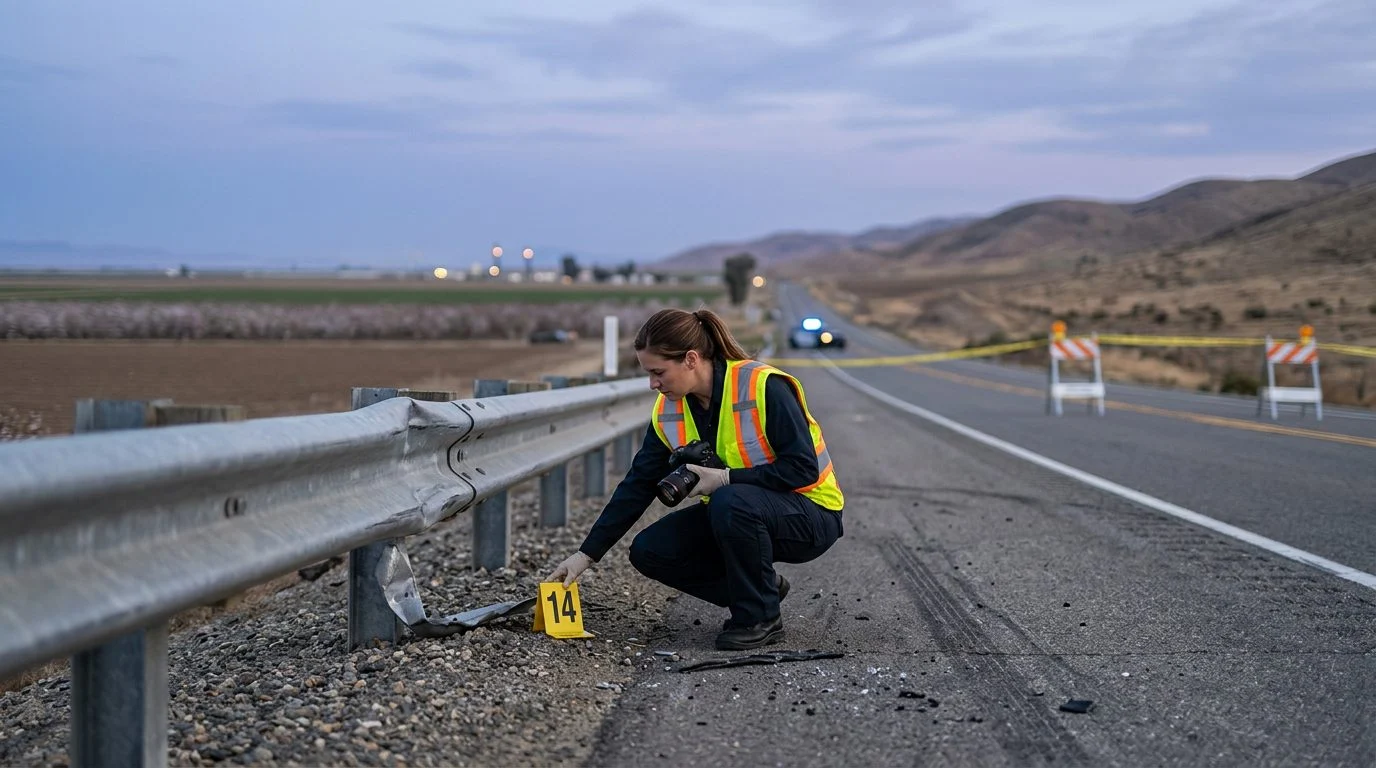
Oilfield Truck Crashes | Kern County
Wrongful Death Help for Families After an Oilfield Truck Crash
When a loved one dies in a crash with a commercial truck, the questions come fast. Colvin Accident Lawyers is based in Bakersfield and works with Kern County families who need answers and a steady voice.
By Donald Norman Colvin · Published November 11, 2026
Losing someone in a crash with an oilfield truck is sudden and painful. Many families don’t know what comes next. In California, certain family members can bring a wrongful death claim when another party’s negligence causes a death. This guide explains who may sue, who may be responsible, what evidence matters, and how these cases usually move forward in Kern County.
What a Fatal Oilfield Truck Crash Wrongful Death Claim Is
A wrongful death claim is a civil lawsuit. Eligible family members bring it after someone dies because another party acted negligently. Negligence means a failure to use ordinary care.
Oilfield truck crashes can look different from ordinary car crashes. These trucks are heavy. They often run for businesses that own, lease, load, or maintain them. Several companies may be tied to a single trip, which can make responsibility harder to see at first.
Common crash types include rollovers, jackknifes, and rear-end impacts involving loaded tankers or hauling equipment. Families often ask whether the driver must be the only one at fault. Not always. Responsibility can reach the company, the maintenance provider, or others, depending on what happened.
A wrongful death claim is separate from any criminal case. Every case depends on its own facts, so discussing them in a free, confidential first consultation is a practical first step.
If you are facing a loss, a crash report, and hard questions about who is responsible, Colvin Accident Lawyers can talk through your family's situation with you. Talk it through with our team — the first consultation is free, confidential, and carries no obligation.
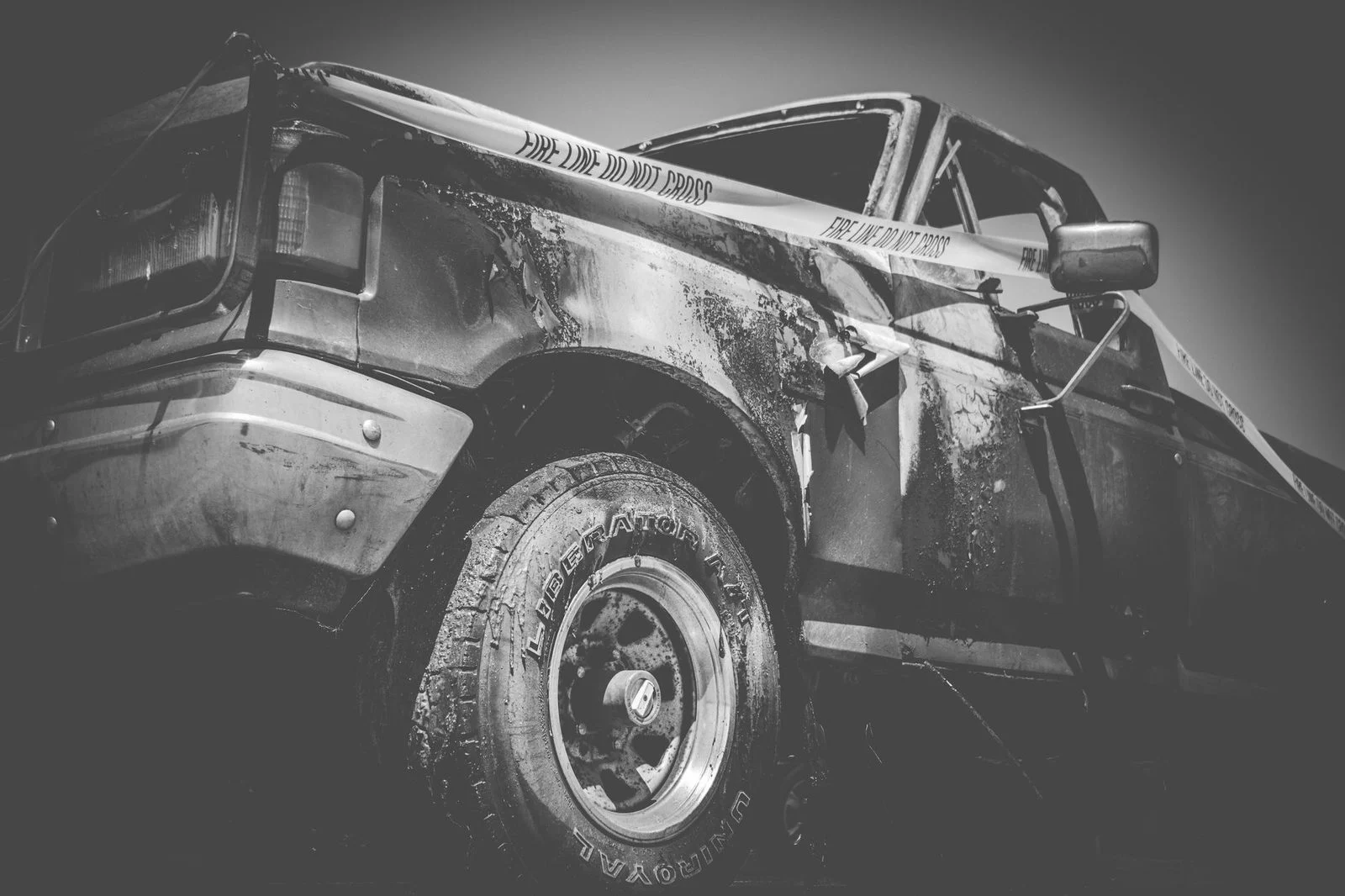
Who Can Bring a Wrongful Death Claim in California
The spouse, domestic partner, and children of the person who died can bring the claim. Other relatives may also qualify.
- The surviving spouse, domestic partner, and children of the person who died.
- Certain dependent relatives, including a putative spouse (a person who believed in good faith the marriage was valid), stepchildren, and parents.
- A minor who lived in the person’s household for the previous 180 days and got at least half of their support from that person.
The claim can also be brought by the person’s personal representative, the individual appointed to manage the estate, on the family’s behalf.
Different family members can have different losses. A spouse may lose financial support. A parent may lose companionship. Eligibility turns on each family’s facts, so the details matter. Bring your family’s questions about who qualifies to your first conversation with our team.
Who May Be Liable in an Oilfield Truck Crash
More than one party may share responsibility. The driver is only one possibility.
- The driver. Fatigue, speeding on grades, distraction, impairment, and night driving can all cause a crash. Federal rules bar a carrier from letting a driver operate a commercial vehicle while alertness is impaired, or so likely to become impaired, through fatigue, illness, or any other cause, as to make it unsafe (49 C.F.R. § 392.3).
- The trucking company. An employer can be liable for an employee’s negligence on the job, even without fault of its own. Families can also look at how the company hired, trained, and supervised the driver.
- Maintenance providers. Carriers must systematically inspect, repair, and maintain their trucks (49 C.F.R. § 396.3). If brakes, tires, steering, or load securement failed, the party that maintained the truck may be involved.
- Brokers. A broker that selected an unsafe carrier may face a claim.
- Oilfield operators and contractors. Whether an operator or contractor shares responsibility turns on its role in the trip, its scheduling, and its site practices. That must be investigated, not assumed.
Evidence That Matters After a Fatal Truck Crash
The most important evidence is often in the trucking company’s records. Some of those records are kept for only set periods.
- Duty-status records. Carriers must keep these records and supporting documents for at least 6 months from receipt (49 C.F.R. § 395.8). Electronic logging device data can show hours and schedules.
- Maintenance records. Carriers must keep inspection and repair records for 1 year where the vehicle is housed or maintained, and 6 months after it leaves their control (49 C.F.R. § 396.3).
- Driver qualification files. These stay with the driver’s employment and for three years after (49 C.F.R. § 391.51).
- After a fatal crash involving a commercial vehicle on a public road, the employer must test for alcohol, as soon as practicable, each surviving driver who was performing safety-sensitive functions with respect to the vehicle. If a drug test isn’t given within 32 hours, the employer must stop trying and keep written reasons (49 C.F.R. § 382.303).
- Scene and vehicle evidence. Police reports, photos, witness names, vehicle data, GPS records, dispatch messages, and dash camera video can all matter. Some of it can disappear quickly on rural roads.
Avoid posting opinions about the crash on social media, or speculating to an insurer, before the evidence is reviewed.
Damages a Wrongful Death Claim May Include
A wrongful death claim can seek money losses and losses of family relationship. The amounts turn on each family’s facts, and no one can predict them in advance.
- Economic losses. These can include funeral and burial costs, medical bills before death, and lost financial support and household services.
- Non-economic losses for eligible heirs. These can include loss of companionship, comfort, guidance, and love, as California law allows.
- The decedent’s own claim. This covers losses the person sustained before death, including lost earnings. Under Code of Civil Procedure § 377.34, those damages do not include pain, suffering, or disfigurement, except in limited cases tied to specific filing dates.
- An employer generally is not liable for punitive damages based on an employee’s acts unless specific conditions are met. Cal. Civ. Code § 3294 reads: “(b) An employer shall not be liable for damages pursuant to subdivision (a), based upon acts of an employee of the employer, unless the employer had advance knowledge of the unfitness of the employee and employed him or her with a conscious disregard of the rights or safety of others or authorized or ratified the wrongful conduct for which the damages are awarded or was personally guilty of oppression, fraud, or malice.”
How the Process Works and How Long It Takes
Most cases follow the same general path, though each one moves at its own pace.
- First conversation. We review the crash, your family’s questions, and any steps that cannot wait.
- Preservation. We can send letters asking the other side to keep trucking records, scene evidence, and vehicle data.
- Identifying parties. We work to find every potentially responsible party and its insurer. We also work through estate and heir questions with the family.
- Building the damages picture. Your input matters here. Funeral costs, household losses, and the person’s history all need documentation.
- Negotiation or lawsuit. Some cases settle through negotiation. Others need a filed lawsuit. Many take months to years, depending on complexity and court schedules.
California’s general limit for injury and death claims is two years under Code of Civil Procedure § 335.1. Exceptions exist, so ask about timing early.
Not sure what your next step is?
Talk it through with our team — the first consultation is free, confidential, and carries no obligation.
Why Families Work With Colvin Accident Lawyers
Colvin Accident Lawyers is a personal injury firm based in Bakersfield, California. The firm handles wrongful death, truck, and catastrophic injury cases, along with car, motorcycle, bus, and other accident claims. Donald Norman Colvin is the responsible attorney for this page. Our support staff help families with records requests and scheduling.
The firm works with accident victims and families in Kern County and nearby communities, including Fresno, Visalia, Lancaster, Palmdale, Delano, and Tehachapi. Families dealing with several vehicles or a commercial truck can discuss the full picture in one place.
The first consultation is free, confidential, and comes with no obligation to continue.
Frequently Asked Questions
How soon should a family speak with a lawyer?
Early contact helps protect evidence. Some trucking records are kept for only a limited time.
Can the trucking company’s insurer contact us first?
An insurer may reach out early. Families can choose to talk with a lawyer before giving any statement.
Do we need a criminal conviction before filing?
No. A wrongful death claim is a civil case and does not require a criminal conviction.
What if the driver was an independent contractor?
Responsibility can reach other parties, depending on the relationship and the facts. That question needs investigation.
What happens in a first consultation?
You share the crash details, the person’s background, and your questions. Bring any police report or insurance letter you have.
How long does a wrongful death claim take?
Timelines vary. Simple cases can resolve sooner, while complex trucking cases often take months to years.
If your family is living with a loss and unanswered questions about this crash, you don’t have to sort it out alone. You can contact Colvin Accident Lawyers to talk through what happened and what your family can do next.
Colvin Accident Lawyers, Bakersfield, California — responsible for this site.
How Colvin Accident Lawyers supports families
Free first consultation
Your initial consultation is free, confidential, and comes with no obligation to continue.
Based in Bakersfield
Our office is in Bakersfield, and we serve families across Kern County and surrounding communities.
Clear, direct communication
We explain the process in plain language so you know what is happening at each stage.
Support for the whole family
Our team works with spouses, children, and other relatives who are grieving and facing difficult decisions.
Before you speak with an insurance company
An insurance company may contact you soon after a crash. You can talk with a lawyer before giving any statement or signing any document.
Steps to take after a loss
Tell us what happened
Share the basic facts of the crash and your loved one's situation. Our team will listen and explain what comes next.
Keep what you have
Hold on to police reports, photos, medical bills, and letters from insurers. These papers help us understand the case.
Get a case review
We review the details of the crash, the truck involved, and the losses your family has suffered.