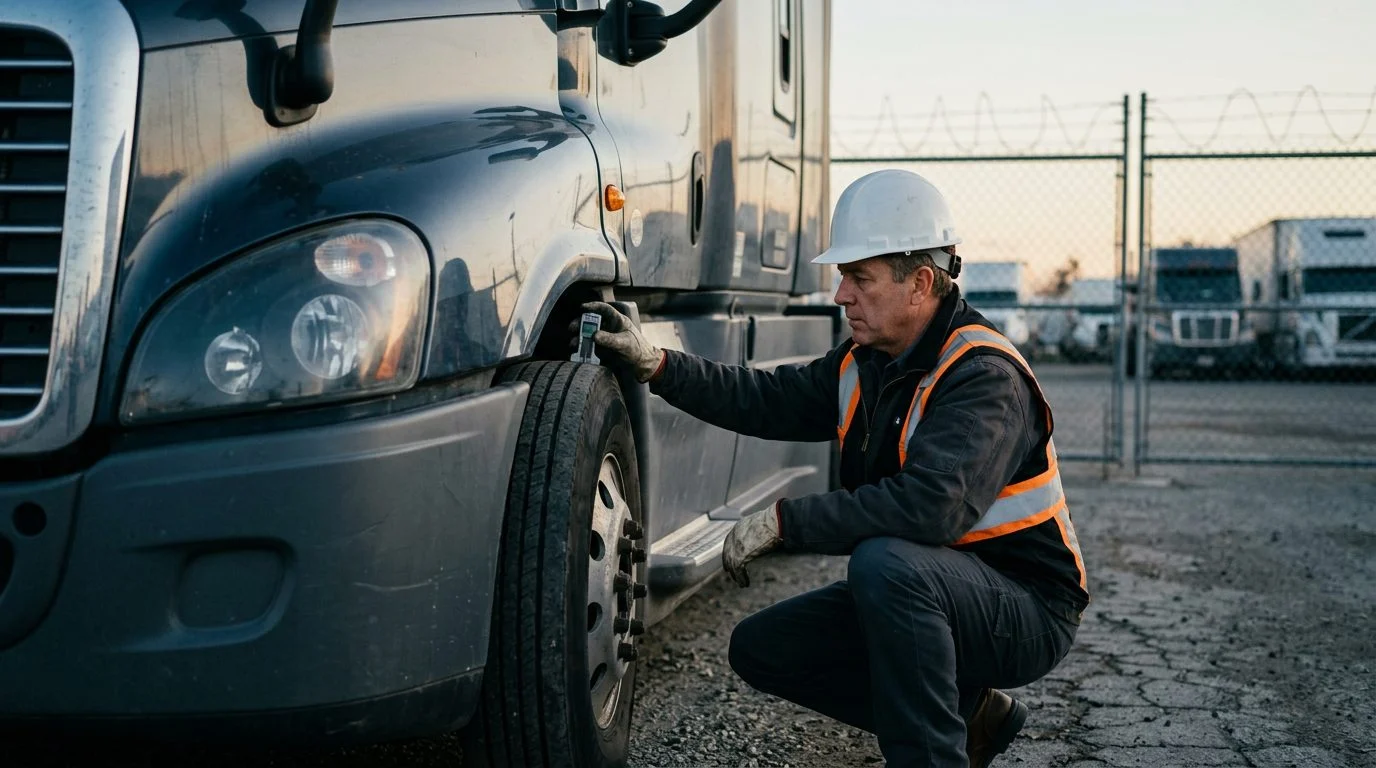
Truck Accident Lawyer | Bakersfield, CA
After a Fatal Truck Crash, Start Saving Evidence Today
Trucking companies and insurers often hold the records that matter most. Learn what to save, what to request, and how Colvin Accident Lawyers can help families in Kern County and across the Central Valley and Antelope Valley.
By Donald Norman Colvin · Published November 5, 2026
After a fatal truck crash in California, save the scene photos, the police crash report, witness contact details, and medical and funeral records. Then request the trucking records, which matter most because some are kept only for set periods.
This guide walks through what to secure first, which records the trucking company controls, and why timing matters. It is written for families who are handling this on behalf of someone they love.
Why Evidence Matters Early After a Fatal Truck Crash
Evidence is most useful when it is saved early, before vehicles are repaired or scrapped and before electronic data is overwritten.
A truck crash creates records in many hands. The family, the police, medical providers, and the trucking company each hold pieces. Some of those records have set retention periods. Federal rules require motor carriers to keep records of duty status and supporting documents for at least six months from receipt.
The list below is a general guide. What matters most depends on the facts of the crash, so treat each item as a starting point.
Many readers are doing this for someone they love. You may be grieving, planning a funeral, and reading unfamiliar terms all at once. You don’t need to gather everything in one day. Start with what is easiest to secure, then move on to records held by others.
Gathering these records while you grieve is a heavy task, and you do not have to sort through it alone; our team is glad to talk with you about your family's situation. Talk it through with our team — the first consultation is free, confidential, and carries no obligation.
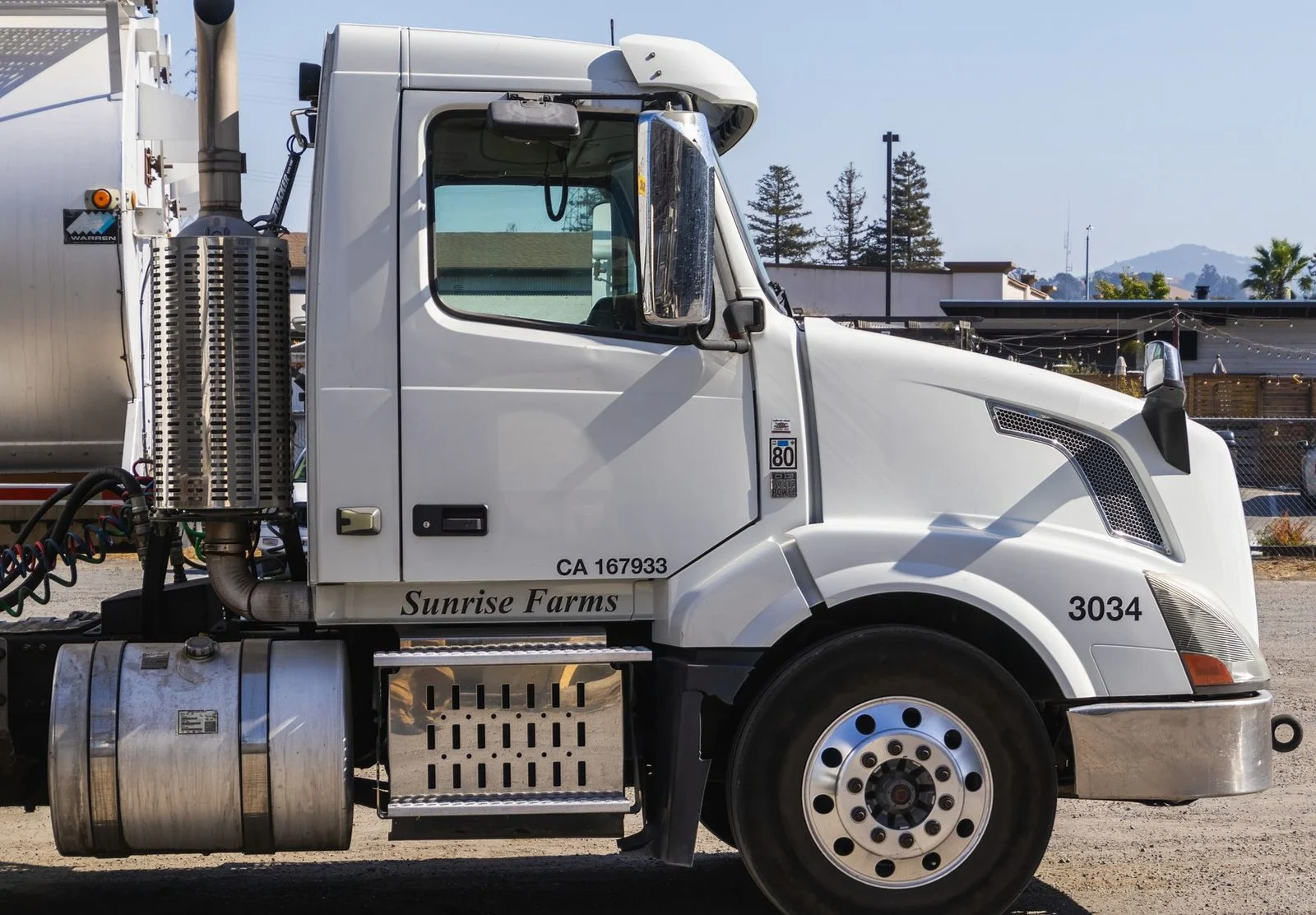
Photos, Video, and Notes From the Scene
Photos and notes capture details that are easy to lose, so save them first if it is safe to do so.
If you can safely view the scene, photograph the vehicles’ final positions, road conditions, skid marks, debris, traffic signals, signs, and the weather. Take wide shots and close-up shots. Make sure the date and time are visible.
Write down what family members and friends recall while memories are fresh. Note the date, the time, and who wrote each entry. A note written close to the crash is more useful than a memory described months later.
Save any photos or video shared on social media or local news. Keep copies along with the post links and timestamps, because posts can be edited or deleted.
Don’t try to re-create the crash or move the vehicles. Don’t clean, repair, or handle the truck or its parts. Those steps can damage physical evidence that matters later. If someone asks you for photos or statements, keep copies of exactly what you send.
The Official Crash Report and Law Enforcement Records
A police crash report is the main official record of a fatal crash, and it belongs with the rest of your file. The agency that investigated the crash prepares it.
Ask the investigating agency for a copy of the report once it is available. Write down the report or case number, the officer’s name, and the agency’s contact information. Ask how the agency releases reports to family members.
Keep every notice, citation, tow receipt, and case number you receive. These documents help show the timeline of events. They also help you ask the right questions later.
California law also sets a reporting duty for drivers. Under Vehicle Code § 16000(a), a driver involved in a crash that causes bodily injury or death must report it within 10 days. The driver may report personally or through an insurance agent, broker, or legal representative.
Witness Names, Contact Information, and Statements
Witness names and contact details are among the easiest records to lose, so write them down early.
Save each witness’s full name, phone number, address, and a short note of what they said they saw. Include anything they described about the collision, a lane change, or how the truck moved before impact. Witnesses can describe what happened in their own words, and those accounts help explain the sequence of events.
Memories fade over time. A note written within days, with the date on it, is more useful than a recollection given months later.
Keep copies of any written statements the family receives. Don’t sign anything from an insurer without reading it first. Ask questions before you agree to anything.
Medical Records, Bills, and Losses for the Family
Medical records and bills show what happened to the person who died and what the family has paid.
Request the emergency medical services run report, hospital records, treatment notes, and any records from the medical examiner or coroner. Keep them together in one place.
Save every bill, receipt, and statement for funeral or burial costs, along with proof of any payments you made.
Start a simple log of income lost, household tasks you have taken on, childcare, and other changes the family has faced. Write down the date and amount wherever you can.
These records help document the losses a wrongful death claim may address. The losses that can be recovered vary from case to case. California law also limits who may bring the claim. Under Code of Civil Procedure § 377.60, a claim may be asserted by a surviving spouse, domestic partner, children, certain other family members, or the decedent’s personal representative on their behalf.
Truck-Specific Evidence the Carrier Controls
The trucking company holds records that the family cannot get on its own, and several follow set retention periods.
Many trucks have an engine control module, often called a black box. It can store data such as speed, braking, and throttle before a crash. The truck’s electronic logging device (ELD) records are also important, because they track the driver’s hours.
Under federal rules, a motor carrier must keep records of duty status and supporting documents for at least six months from the date of receipt (eCFR, 49 C.F.R. § 395.8). Each change of duty status must record the name of the city, town, or village, with the State abbreviation. If a change of duty status occurs at a location other than a city, town, or village, show the highway number and nearest milepost, the highway number and service plaza, or the highway numbers of the nearest two intersecting roadways, followed by the nearest city, town, or village and State abbreviation. No driver or motor carrier may make a false report about duty status.
The original or a copy of the inspection report must be retained for fourteen months from the date of the inspection report, where the vehicle is either housed or maintained (eCFR, 49 C.F.R. § 396.21).
Documents generated in connection with decisions on post-accident tests are among the records federal rules require carriers to maintain (eCFR, 49 C.F.R. § 382.401).
That means a record can reach the end of its period while a claim is still being developed.
Other records worth requesting include dispatch communications, bills of lading, and cargo documents. A written preservation request, often called a spoliation letter, puts the company and its insurer on notice to keep these records.
Not sure what your next step is?
Talk it through with our team — the first consultation is free, confidential, and carries no obligation.
Vehicle Parts, Defect Evidence, and Equipment
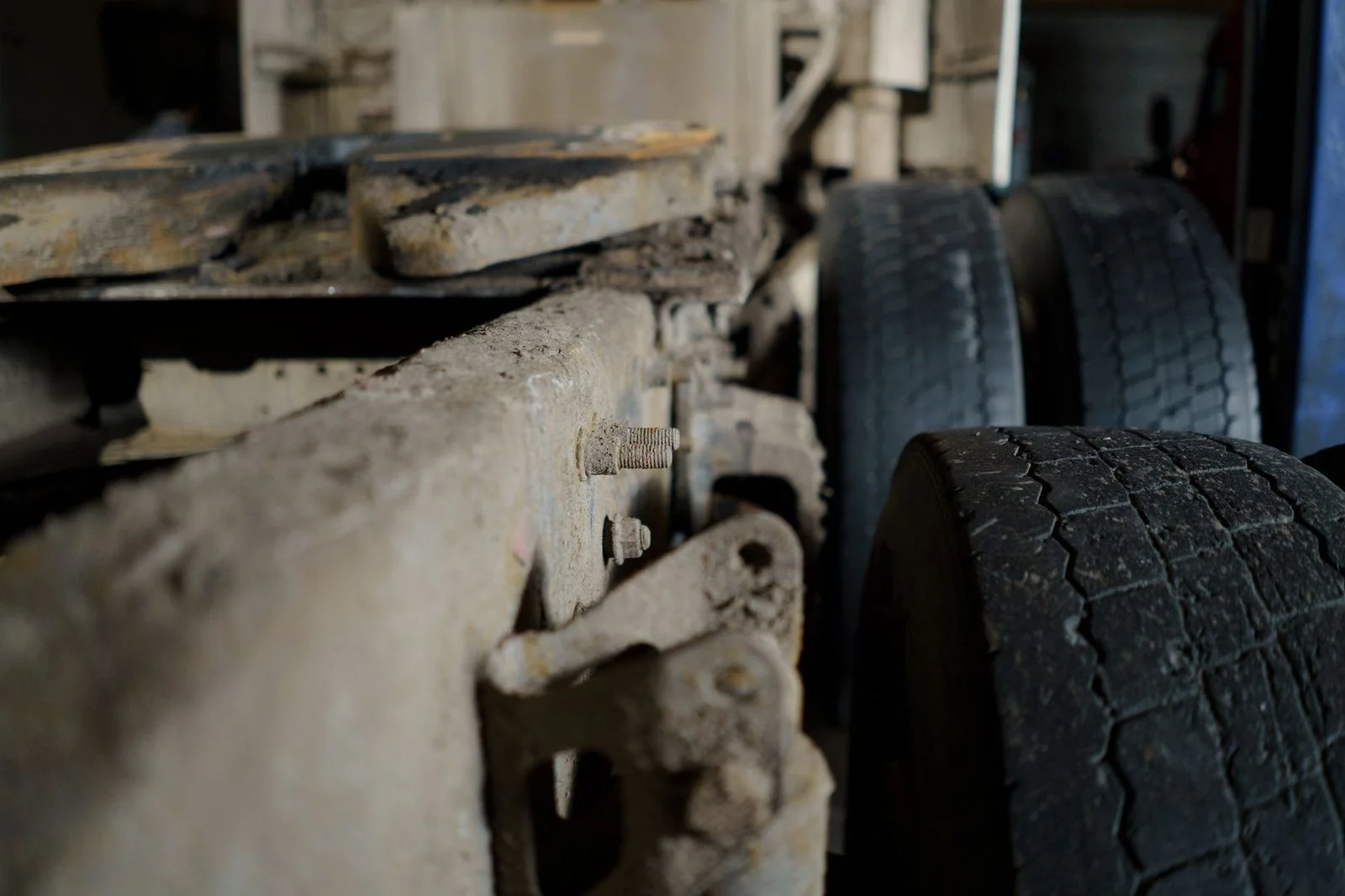
Keep the truck, trailer, and damaged parts in their current condition while the crash is evaluated. Parts can show whether equipment failed.
Tires, brakes, lights, couplings, and other components may matter if equipment failure is suspected. A written request asking that these items not be repaired, sold, or scrapped is one step to raise with the company and its insurer.
Records about who selected and hired the trucking company can matter too.
Keep your family’s own vehicle, if one was involved, and any personal items from the scene. Don’t discard anything from the scene until you have written down what it was and where it came from.
Organizing What You Have and Taking the Next Step
Keep one folder or digital file, sorted into five groups: scene, police, medical, financial, and trucking records.
Make copies of everything and store the originals somewhere safe. Keep a simple list of what you received, from whom, and on what date.
California’s general filing period for these claims is two years under Code of Civil Procedure § 335.1. The carrier’s records can follow much shorter schedules, which is why early preservation matters.
Can I get the crash report if I am not the driver?
Ask the investigating agency how it releases crash reports to family members. Keep a record of each request and its response.
How long does a trucking company keep its logs?
Federal rules set different periods for different records. Some are as short as six months, so requests should start early.
Do I need to keep everything?
Keep every record you can, and write down anything you cannot keep, including what it was and when it was discarded.
Collecting these records while you are grieving is a heavy task, and you may be handling it for a parent, spouse, or child. If you want to talk through what you have and what is still missing, our team at Colvin Accident Lawyers in Bakersfield is glad to help. Contact us for a free first consultation, which is confidential and carries no obligation to continue: contact our team.
What to Save and Collect
Scene and vehicle photos
Photos and video of the crash scene, vehicle damage, road conditions, and any visible signs such as skid marks or debris. Save the original files with their dates.
Crash and police reports
Request the investigating agency's crash report and keep a record of each request and response. Ask how the agency releases reports to family members.
Driver and carrier information
Write down the truck driver's name, the trucking company, the vehicle's registration and carrier details, and the insurance information you are given.
Witness contact details
Names and phone numbers of anyone who saw the crash or arrived soon after. Memories fade, so record what each person said as soon as possible.
Medical and death records
Hospital, emergency, and coroner or medical examiner records. Keep bills, receipts, and records of any out-of-pocket expenses connected to the crash.
Your own notes and communications
A written timeline of events, along with letters, emails, and text messages from the trucking company or insurer. Do not sign statements or releases without first talking to a lawyer.
Some Trucking Records Are Kept for Limited Periods
Federal rules set different retention periods for different trucking records, and some are kept for only a short time. Ask a lawyer early about which records to request and how to preserve them.
How Colvin Accident Lawyers Can Help
Free, confidential first consultation
Your first consultation is free, confidential, and comes with no obligation to continue.
Organized records requests
Our support staff help track the reports, logs, and records you need and keep a record of each request.
Attorneys focused on serious injury and death cases
Colvin Accident Lawyers focuses on truck, car, and other serious injury and wrongful death cases.
Based in Bakersfield
We represent families in Kern County, Fresno, Visalia, Lancaster, Palmdale, Delano, and Tehachapi.
Compassionate, direct guidance
We understand how difficult it is to make decisions after losing a loved one, and we explain each step in plain language.