
Bakersfield, CA | Accident Guidance
Reporting an Accident in California? Know the Steps and the Timing
Learn which reports California requires, what to gather after a crash, and when to bring in a lawyer.
By Donald Norman Colvin · Published November 10, 2026
You were in a crash, or someone you love was, and now there are forms and deadlines to sort out. If you’re asking how long you have to file an accident report in California, the main answer is 10 days for the DMV report when someone is hurt, killed, or property damage passes $1,000. Police, insurer, and court deadlines each run on their own clock.
The short answer: California has several different reporting clocks
An accident report can mean three different things in California, and each one has its own timing. The first is the duty to stop at the scene. The second is the written DMV report, called the SR-1. The third is notice to your insurance company.
Separate from all three is the deadline to file a lawsuit or a claim against a government agency. People often mix these together. Missing one is not the same as missing another.
Each clock comes from a different law. The Vehicle Code covers the crash itself. The Code of Civil Procedure and the Government Code cover lawsuits and claims. Knowing which law applies to each step keeps you from relying on the wrong number.
This page takes the clocks in order: police, DMV, insurer, what happens when a deadline is missed, and the legal filing deadlines. If you’re reading this for a parent, spouse, or adult child, the same clocks apply to them.
If you're trying to meet a DMV deadline while someone you love recovers from a crash, you don't have to sort out every clock alone; we can help you see which ones may apply. Talk it through with our team — the first consultation is free, confidential, and carries no obligation.
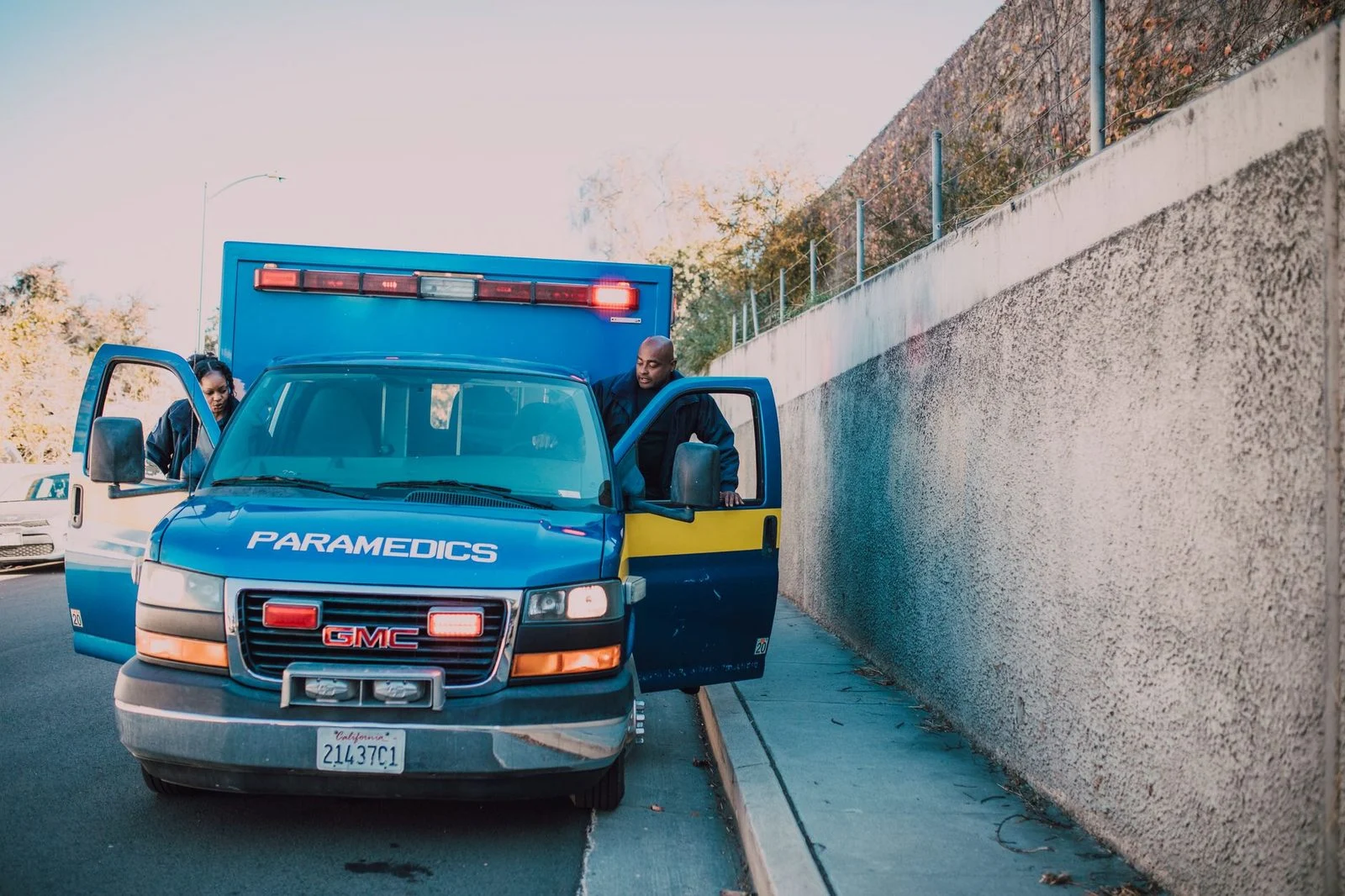
How long do you have to report an accident to the police in California?
When someone is hurt or killed, the driver must stop right away and stay at the scene. Vehicle Code § 20001 says the driver of a vehicle involved in an accident that injures a person other than the driver, or causes a death, must immediately stop the vehicle at the scene and fulfill the requirements of Sections 20003 and 20004.
Leaving the scene carries serious penalties. Under the same section, a driver whose crash causes death or permanent, serious injury can face state prison for two, three, or four years. The driver can also face county jail for at least 90 days and up to one year, a fine of $1,000 to $10,000, or both. The court may reduce the minimum in the interests of justice.
The statute defines “permanent, serious injury” as the loss or permanent impairment of function of a bodily member or organ. That definition matters when someone’s injuries are still being evaluated.
A police report is the law enforcement agency’s record of what happened at the scene. It is a different document from the SR-1 you send to the DMV. One does not replace the other.
Reporting to police quickly also helps protect evidence. Vehicle positions, skid marks, and witness names are easiest to capture while the scene is still intact.
How long do you have to file a DMV SR-1 report in California?
Generally, you have 10 days after the crash to report it to the DMV. Vehicle Code § 16000 requires the driver of a motor vehicle in a crash on a street or highway to report it within 10 days. The duty applies when the crash causes more than $1,000 in damage to the property of any one person, bodily injury, or death.
The report goes on a form approved by the department under Cal. Veh. Code § 16000. It goes to the DMV office in Sacramento. You can file it yourself, or through an insurance agent, broker, or legal representative.
The driver must also list anyone who was injured and says so. The list needs each person’s name and current residence address, if available.
Some vehicles are exempt. A report is not required when the vehicle is owned or leased by, or under the direction of, the United States, this state, another state, or a local agency.
The same section says that if no party reports the crash within one year, the DMV is not required to file a report. The license suspension rules it mentions do not apply in that case. Don’t read the one-year rule as permission to wait. Treat 10 days as your working deadline.
Do you have to report a car accident to your insurance company in California?
In general terms, most auto policies ask drivers to report a crash to the insurer promptly. The policy wording sets the exact timing, so read your own policy for that rule.
California law also requires every driver and owner to be able to show financial responsibility at all times. Drivers must carry evidence of it in the vehicle, under Vehicle Code § 16020.
Notice to your insurer is not the same as the DMV report or the police report. Each one goes to a different place for a different purpose.
Why does prompt notice matter? The insurer opens its investigation from that notice. The other driver’s injury claim, your own medical bills, and any property damage claim all move through that file. A late notice can leave the file incomplete when it matters most.
What happens if you miss a reporting deadline in California?
Missing the stop duty or the DMV report can create legal trouble for the driver. The Vehicle Code ties the report to license suspension rules, and the penalties described above apply to a driver who leaves the scene after a serious crash.
Claims against a public entity follow different deadlines: Gov. Code § 911.2 requires a claim for death or for injury to a person or to personal property or growing crops within six months after the cause of action accrues, and any other claim within one year. If a six-month claim is late, Gov. Code § 911.4 allows a written application to the public entity for leave to present it, made within a reasonable time not to exceed one year after accrual; the application must state the reason for the delay and attach the proposed claim.
Late reports can make the record harder to rebuild. Scene details fade, and witness memories shift. The other driver’s version of events becomes harder to test.
A common mistake is treating the DMV form as the only deadline. The lawsuit clock is separate, and it keeps running in the background while the reports are handled.
How long do you have to file a legal claim after a California accident?
For most injury lawsuits, the court deadline is two years. Code of Civil Procedure § 335.1 sets a two-year period for an action for injury to an individual caused by the wrongful act or neglect of another.
Claims against public agencies work differently. Under Government Code § 911.2, a claim for death or injury to a person must be presented not later than six months after the claim accrues. Other claims against a public entity generally have one year.
A city, county, or public transit agency can be involved in a crash, including a bus crash.
If a six-month claim is not presented on time, Government Code § 911.4 allows a written application to the public entity for leave to present it, made within a reasonable time, not to exceed one year after accrual. The application must state the reason for the delay and attach the proposed claim.
Which clock applies depends on the facts. Those facts include who was at fault, whether a public entity is involved, and when the injury happened.
Not sure what your next step is?
Talk it through with our team — the first consultation is free, confidential, and carries no obligation.
Reporting and filing when a crash causes a death
When a crash causes a death, the DMV and scene duties still apply. The family’s legal clock is set by wrongful death law, which runs on its own track.
Under Code of Civil Procedure § 335.1, an action for the death of an individual caused by another’s wrongful act is generally brought within two years.
Code of Civil Procedure § 377.60 allows the decedent’s surviving spouse, domestic partner, children, or issue of deceased children to bring the claim, or, if there is no surviving issue, the persons entitled to the decedent’s property by intestate succession, or the decedent’s personal representative on their behalf. Whether or not qualified under that group, persons who were dependent on the decedent, such as a putative spouse, children of a putative spouse, stepchildren, parents, or the decedent’s legal guardians if the parents are deceased, may also bring the claim. The statute lists the decedent’s surviving spouse, domestic partner, children, and issue of deceased children. If none of them applies, persons entitled to the decedent’s property by intestate succession may bring it.
Dependent family members can also bring a claim. That includes a putative spouse, stepchildren, parents, or a legal guardian if the parents have died. A minor who lived in the decedent’s household for the previous 180 days, and depended on the decedent for one-half or more of support, may qualify too. The decedent’s personal representative may bring the claim on these people’s behalf.
Families often handle the police investigation, records requests, and insurance calls at the same time. A simple list of dates, contacts, and reports makes each deadline easier to track.

Talk with Colvin Accident Lawyers about your crash and deadlines
If you’re trying to meet a 10-day DMV deadline while a loved one recovers from a crash, you don’t have to track every clock by yourself. The timelines on this page are general. The facts of your crash decide which deadlines apply and what steps come next.
Colvin Accident Lawyers is a personal injury firm based in Bakersfield, California. The firm represents accident victims and families in car, truck, motorcycle, bicycle, pedestrian, bus, and wrongful death cases. It serves Kern County and nearby communities, including Fresno, Visalia, Lancaster, Palmdale, Delano, and Tehachapi. Donald Norman Colvin is the responsible lawyer for this page.
Your first consultation is free, confidential, and carries no obligation to continue. To talk through your crash and the deadlines that may apply, contact Colvin Accident Lawyers.
Frequently asked questions
Do I have to report a car accident to my insurance company?
Most policies ask for prompt notice, and the policy wording sets the exact timing.
How long do you have to file a lawsuit after a California car accident?
For most injury cases, the court deadline is generally two years under Code of Civil Procedure § 335.1.
What Helps After a Crash
Keep Your Records
Photos, the other driver's details, medical notes, and repair estimates all help document what happened.
Act Promptly
Early action keeps facts fresh and makes records easier to gather.
Talk to a Lawyer Early
Colvin Accident Lawyers offers a free, confidential first consultation with no obligation to continue.
Do Not Assume You Have Time
A police or DMV report and a lawsuit deadline are separate matters. Ask about your situation before you assume you have time to act.
Steps to Take After a Collision
Get Medical Care
Seek medical attention right away, even if your injuries seem minor. Some symptoms appear hours or days later.
Exchange Information
Write down names, phone numbers, insurance details, and license plate numbers from everyone involved.
Document the Scene
Take photos of vehicles, road conditions, signs, and injuries while the scene is still visible.
Contact Our Team
Our team at Colvin Accident Lawyers can review your situation and explain the reporting and filing steps that apply.
Talk With Colvin Accident Lawyers About Your Accident
Related practice areas
- Wrongful Death Lawyer
- Wrongful Death Lawyer for Fatal Crashes in Shafter and Wasco, CA
- Wrongful Death Lawyer for Fatal Crashes in Taft and Maricopa, CA
- Fatigued Truck Driver Fatal Crash: Hours-of-Service Rules