How the Wrongful Death Settlement Timeline Takes Shape
By Donald Norman Colvin · Published November 29, 2026
Losing someone to a crash, a fall, or a dog attack brings questions no family plans for. One of the hardest is how long the claim will take.
There is no single answer. The time a wrongful death settlement takes depends on who was involved, how fault is decided, how quickly records arrive, and how the insurers respond. This page explains the usual stages, the factors that speed or slow them, and the California deadlines that frame the process.
Why There Is No Single Answer to How Long a Wrongful Death Settlement Takes
Each death, each insurer, and each set of evidence moves at its own pace. Many families first learn about the process through an insurance letter they did not expect. A claim tied to a car crash involves police reports, vehicle data, and witness statements. A dog bite claim may turn on animal control records and medical notes. A premises case turns on how the property was owned, maintained, and controlled. Bus and truck crashes can add more parties and more records to collect. Each added party can add time.
No lawyer can predict how long a particular settlement will take. So this guide focuses on the stages and factors that shape timing across many cases. Waiting is hard while you handle funeral plans, bills, and insurance letters. Knowing the stages can make that wait easier to follow.
If a loss has your family asking how long the claim will take, you do not have to work through it alone; Colvin Accident Lawyers is ready to talk through your facts with you. Talk it through with our team — the first consultation is free, confidential, and carries no obligation.
The Stages a Wrongful Death Claim Usually Moves Through
A claim usually moves through five stages: investigation, proof of fault and losses, a demand, negotiation, and a lawsuit if one becomes necessary.
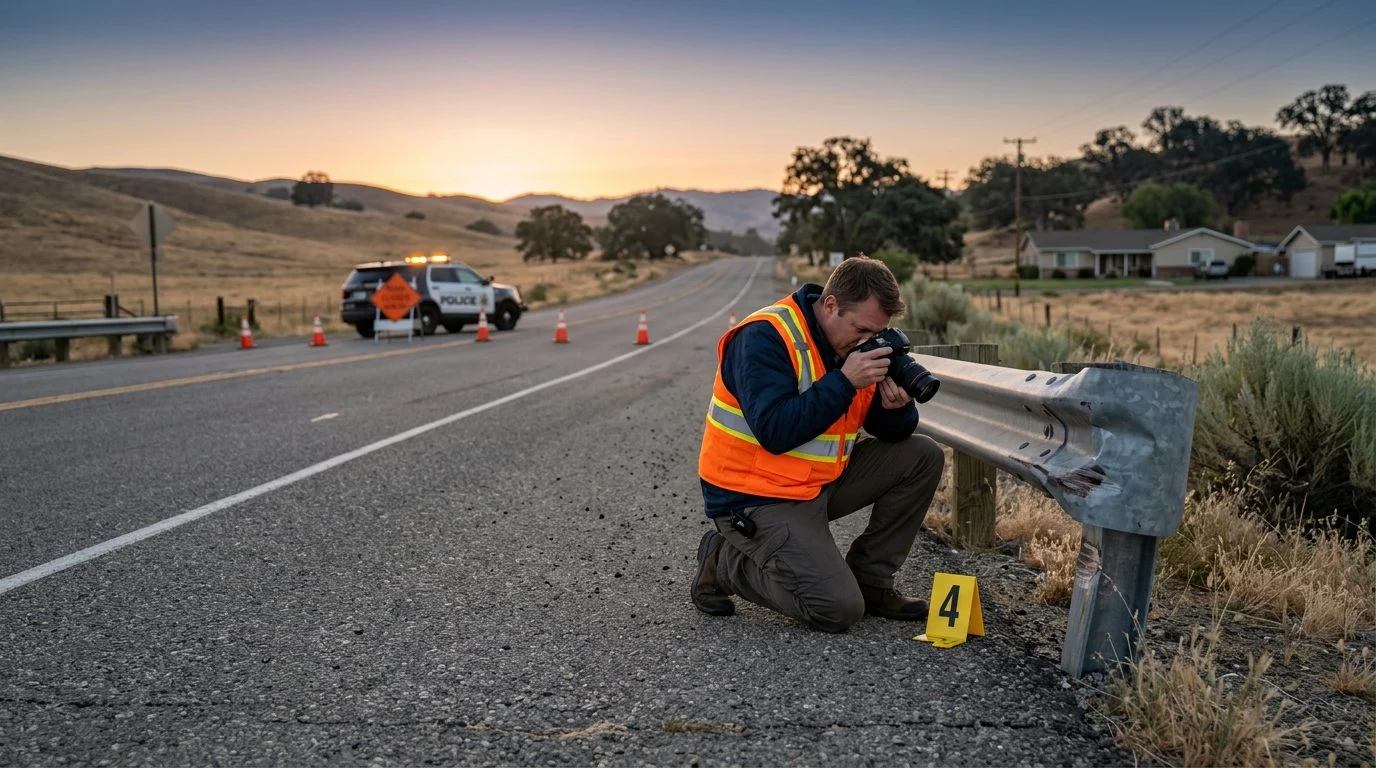
- Investigation. The work gathers the police or crash report, witness names, medical and coroner records, and photos or vehicle data when they exist. Early gathering keeps the record complete.
- Fault and losses. The claim must show who may be responsible and document what the family lost. Funeral costs and lost income or support are economic losses. Family losses, such as companionship and guidance, are documented separately.
- Demand. A written demand goes to the responsible party’s insurer. The insurer reviews the claim before it answers with an offer or a dispute.
- Negotiation and mediation. The sides go back and forth. In some cases, a neutral mediator helps them meet and talk through the open issues.
- Lawsuit. If a fair resolution is not reached, the case is filed. Pleadings, discovery (exchanging documents and taking depositions), and pretrial motions follow. Trial comes last, and only if the case does not resolve earlier.
Factors That Can Lengthen or Shorten a Wrongful Death Settlement
Several factors change the pace of a claim. Some are outside the family’s control.
- Disputed fault. If accounts of the crash conflict, more investigation may be needed before the claim is evaluated.
- Shared fault. If the defense proves the person who died was also negligent, damages are reduced by that person’s share of responsibility. Under California’s comparative fault rules, an injured person who is found partly responsible for an accident can still recover damages, but the amount is reduced by that person’s percentage of responsibility. I will calculate the actual reduction (CACI comparative fault instruction). The percentages must total 100 percent (CACI apportionment instruction).
- Records. Slow medical, coroner, or police record responses can hold a claim back. Some records may need to be subpoenaed, which adds steps.
- Complex losses. Lost earnings and support take records to prove. Family losses take careful, written documentation.
- More heirs. More eligible family members means more people to identify and bring into the process.
- Medicare. If the person who died had Medicare, reporting and repayment steps add time. These steps are covered later on this page.
- Criminal case. A criminal case tied to the death can affect when some evidence becomes available.
- Insurer review. How quickly the insurer finishes its review sets part of the pace. A complete demand package can help that review move forward.
Deadlines That Frame the Timeline in California
California generally gives two years to file a lawsuit for a wrongful death, under Code of Civil Procedure section 335.1.
Claims against a public entity follow a shorter path. A written claim for a wrongful death is generally due six months after the cause of action accrues, under Government Code section 911.2; claims on other causes of action generally must be presented within one year. A lawsuit against a public entity generally waits until that claim is acted on or deemed rejected (Government Code section 945.4).
If talks stall, the case still has to be filed on time. A family that waits to act may find the filing deadline arrives before the claim is ready. Starting early keeps more options open. Whether a case settles before or after a suit is filed also changes how long it runs.
How Heirs and Court Steps Can Add Time to a Claim
Who can bring the claim is set by law, and sorting that out takes time. Under Code of Civil Procedure section 377.60, a decedent’s surviving spouse, domestic partner, or children may bring the claim. If there is no surviving issue of the decedent, persons, including a surviving spouse or domestic partner, who would inherit the decedent’s property by intestate succession may. Dependent putative spouses, children of a putative spouse, stepchildren, and parents may also qualify, and a decedent’s legal guardians may bring the claim if the parents are deceased; a minor must have lived in the decedent’s household for the previous 180 days and been dependent on the decedent for one-half or more of the minor’s support. A personal representative may also bring the claim on their behalf.
A separate rule limits the damages the decedent could have recovered on their own claim. Under Code of Civil Procedure section 377.34, those damages do not include pain, suffering, or disfigurement, subject to listed exceptions. When a minor is among the eligible heirs, extra steps can follow. How the money is shared among heirs is its own question, and it helps to plan for it early.
What Families Can Do to Keep the Claim Moving
Organized records are one step the family can control. Keep the police or crash report, the death certificate, funeral and medical bills, pay or household support records, and every letter from an insurer. Note the date and what was said in each insurer call. Review any statement or release before signing it. Save photos, vehicle information, messages about the incident, and witnesses’ names.
A short timeline of events, kept in one notebook, makes it easier for anyone helping the family to follow the claim.
Medicare adds a step many families do not expect. CMS reporting guidance says a Medicare beneficiary, through an attorney or otherwise, must notify Medicare when a claim is made against a liability insurer. That report can be made through the MSP Recovery Portal or the Benefits Coordination & Recovery Center. If the insurer does not pay promptly, Medicare may make conditional payments, and those must be repaid when a settlement is paid (CMS Medicare Secondary Payer overview).
Not sure what your next step is?
Talk it through with our team — the first consultation is free, confidential, and carries no obligation.
Talk Through Your Family’s Timeline With Colvin Accident Lawyers
If you’re trying to understand a timeline while grieving, you don’t have to sort it out alone. Colvin Accident Lawyers is based in Bakersfield, California, and represents accident victims and families in Kern County, Fresno, Visalia, Lancaster, Palmdale, Delano, and Tehachapi. A confidential conversation can cover the facts of your loss, the deadlines that may apply, and the stages your own claim might move through. The initial consultation is free, confidential, and carries no obligation to continue.
If a loss has left your family with questions about timing, contact Colvin Accident Lawyers and start that conversation.
Frequently Asked Questions
How long does a wrongful death settlement take in California?
There is no fixed timeline. The pace depends on fault, damages, records, and how the insurer responds.
What is the deadline to file a wrongful death lawsuit?
California generally allows two years to file (Code Civ. Proc. § 335.1). A written claim against a public entity is generally due within six months.
Can a family member bring a wrongful death claim?
Certain relatives, including a surviving spouse, domestic partner, or children, may bring the claim under California law.
Colvin Accident Lawyers, Bakersfield, California — responsible for this site. Responsible lawyer: Donald Norman Colvin.

Factors That Influence the Pace
Investigating what happened
Reconstructing the events, gathering witness accounts, and identifying every party involved can take weeks or months before a claim is ready to present.
Documenting the losses
Medical bills, funeral costs, lost income, and the family’s loss of companionship all require records. Complete documentation often takes longer than families expect.
The insurance company’s response
How quickly an insurer reviews a claim, requests information, and responds to a demand has a direct effect on how long negotiations last.
Whether a lawsuit becomes necessary
If the claim cannot be resolved through negotiation, filing a lawsuit adds court procedures, discovery, and scheduling that extend the timeline.
How Colvin Accident Lawyers Can Help Your Family
Organized records
We help families collect and organize the documents an insurer or court will ask for, so the claim does not stall over missing paperwork.
Clear updates
We explain each stage of the process in plain language, so you know what is happening and what comes next.
Compassionate guidance
We understand that a wrongful death claim is about more than money. We focus on supporting your family through a difficult time.
A free, confidential consultation
Our first consultation is free, confidential, and carries no obligation to continue.
Before You Accept Any Offer
An insurance adjuster may contact your family soon after a loss. Speaking with an adjuster is not the same as speaking with a lawyer for your family. Ask a lawyer to review any offer or document before you sign or respond in writing.