Wrongful Death | Bakersfield, CA
Talking to an Insurance Adjuster After a Family Member's Death
A call from an insurance company can come at the hardest moment. Here is how to stay calm, protect your family, and decide what to say next.
By Donald Norman Colvin · Published November 15, 2026
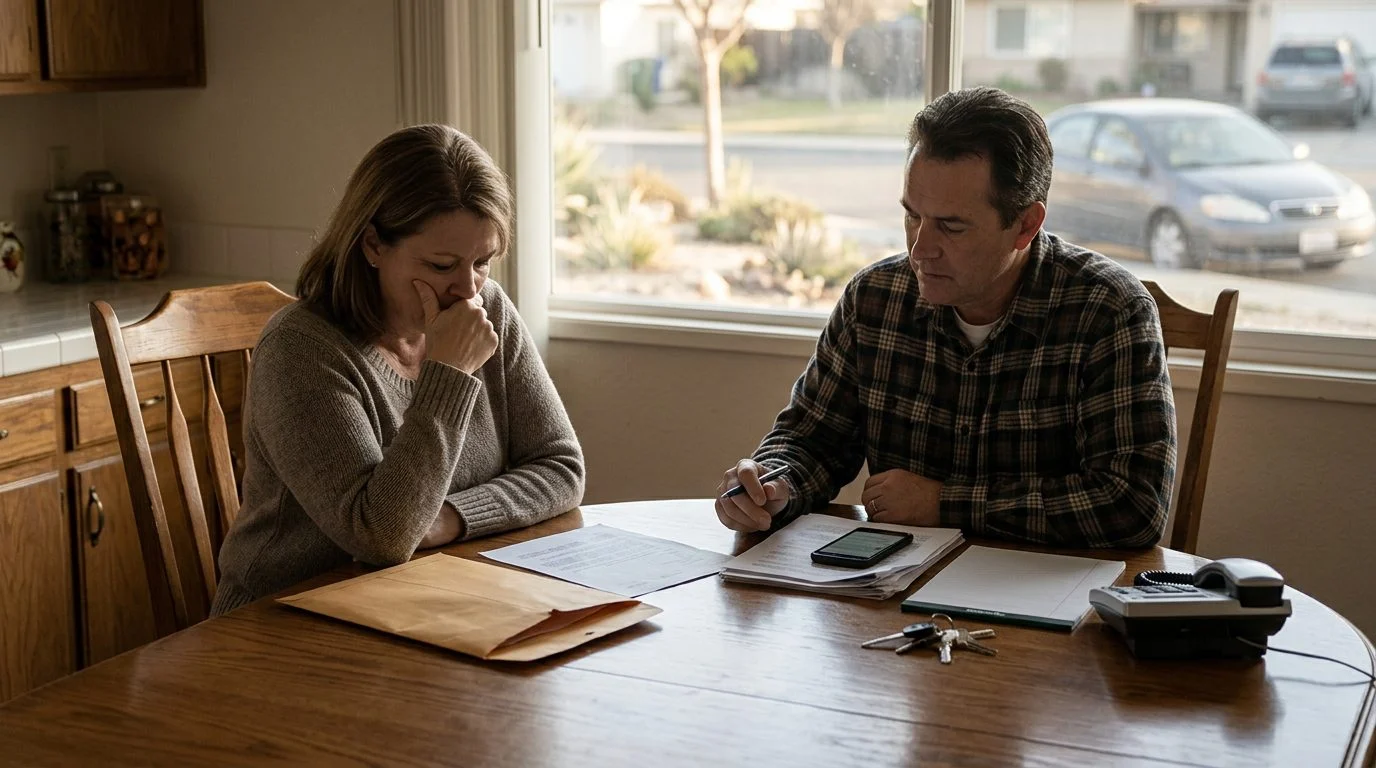
A few days after a fatal crash, an insurance adjuster may call a family that is still in shock. The call can sound kind, but the adjuster works for an insurance company, not for your family.
The short answer: slow the call down. Write down what is said, ask for requests in writing, and don’t give a recorded statement, sign a form, or accept an offer until you understand it.
Why an Insurance Adjuster Calls So Soon After a Fatal Crash
An adjuster calls quickly because the insurer needs facts about how the crash happened and who was at fault. The adjuster works for the insurance company, even when the call feels friendly.
The call may come from the at-fault driver’s insurer. It may also come from your relative’s own insurer. Each company has its own interests in the claim.
California’s Insurance Code § 790.03 lists unfair practices in the insurance business. Cal. Ins. Code § 790.03 defines directly advising a claimant not to obtain the services of an attorney, and misleading a claimant as to the applicable statute of limitations, as unfair claims settlement practices when knowingly committed or performed with such frequency as to indicate a general business practice. Cal. Ins. Code § 790.03 Treat it that way.
You can pause the conversation at any time. Under California law, an insurer’s failure to affirm or deny coverage of a claim within a reasonable time after the insured has completed and submitted the proof of loss requirements may be an unfair claims practice when it is committed knowingly or often enough to show a general business practice.
If an adjuster has called about your relative's death in a crash and you're unsure whether to speak, sign, or accept an offer, our team is ready to talk it through with you. Talk it through with our team — the first consultation is free, confidential, and carries no obligation.
Write Down the Call Before You Answer Questions
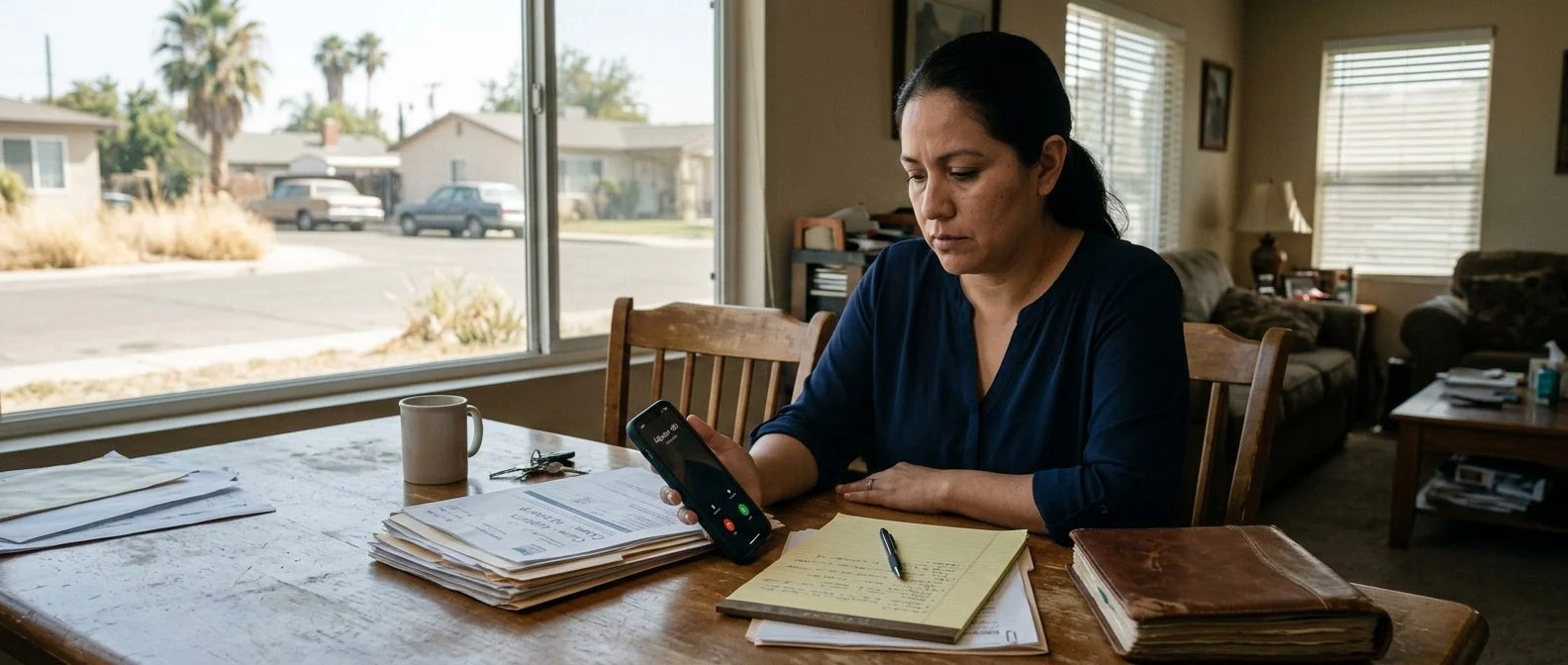
Start with the basics. Get the adjuster’s full name, the company name, the claim number, and a callback number before you discuss any details. Write them down beside the phone.
Log the date and time of each call. Add a short summary of what was said, including any amount, deadline, or request the adjuster mentioned.
Pick one family member as the main contact. When several relatives talk to the insurer, it can receive different versions of the same facts. One point person keeps the story consistent.
Ask that every request come in writing, whether it is for a statement, forms, records, or a settlement figure. Letters and emails give you a record you can review later. Keep copies in one folder.
Do You Have to Give a Recorded Statement?
A sensible first step is to ask for written questions instead of a recorded statement. Many adjusters ask for a recorded statement early, and the recording captures every word.
Recorded words can be quoted back to you later. This is especially risky in the first days after a death, when people are grieving and may not remember times or details exactly.
You can tell the adjuster that your family needs time and will answer in writing. Keep any answer to facts you can confirm, such as the date, time, and location of the crash. If you’re unsure of something, say so. Don’t fill the gap with a guess.
What to Avoid Saying to an Insurance Adjuster
Avoid guessing about fault, speed, or what the person who died could have done differently. A guess can be repeated back to you later as if it were fact.
Don’t describe your relative’s medical history or prior conditions beyond what the official records state. Don’t speculate about the other driver or the road conditions.
Avoid saying the family is “fine” or “not seeking compensation.” Small talk like that can be used later, even if you didn’t mean it that way.
An adjuster may suggest your relative was partly to blame. That does not automatically end a claim.
Limit personal details, including finances, work history, and information about other family members, to what is truly needed.
Medical Authorizations and Releases to Review Carefully
An insurer may ask you to sign a medical authorization. That form can allow broad access to records. Read it before you sign, and ask which records it covers.
Don’t sign any release without reading it closely. A signed release can close off further recovery, so treat it as a final document. Keep a copy of every form you sign and every letter you receive.
If your relative was a Medicare beneficiary, there are extra steps. Under CMS guidance on reporting a case, a Medicare beneficiary must notify Medicare when a claim is made against a party with liability insurance. The case can be reported through the MSP Recovery Portal or by contacting the Benefits Coordination & Recovery Center.
Medicare may also make a conditional payment when an insurer does not pay promptly. Under the CMS secondary payer guidance, that payment must be repaid when a settlement, judgment, award, or other payment is made.
Early Settlement Offers and the Two-Year Deadline
An early settlement offer can arrive before the family understands the full loss. Don’t accept an offer or sign a release on the same call. Ask for the offer in writing and take time to review it.
California requires that an action for a death caused by another’s wrongful act be brought within two years. That rule appears in Code of Civil Procedure § 335.1. Whether a particular claim has a different deadline depends on the facts.
Under Code of Civil Procedure § 377.60, a decedent’s surviving spouse, domestic partner, and children may bring a wrongful death claim. Certain other relatives may also qualify, including dependent parents and stepchildren.
The damages rules also matter. Code of Civil Procedure § 377.34 limits what a personal representative can recover for the decedent’s own losses and generally excludes damages for pain, suffering, or disfigurement, though the rules depend on when the action was filed.
Not sure what your next step is?
Talk it through with our team — the first consultation is free, confidential, and carries no obligation.
Reports and Records That Matter After a Fatal Crash
Reporting deadlines are short. Under Vehicle Code § 20008, the driver of a vehicle, other than a common carrier vehicle, involved in a crash that caused injury or death must make a written report within 24 hours. The report goes to the California Highway Patrol or, within a city, to either the CHP or the local police.
Under Vehicle Code § 16000, the driver must also report within 10 days, on a form approved by the department, when the accident resulted in damage to any one person’s property in excess of $1,000, bodily injury, or death. The driver can do this personally or through an insurance agent, broker, or legal representative.
The California Department of Insurance guidance on what to do after a car accident covers reporting an injury accident and documenting injuries and related expenses.
Keep these items in one place: the police report number, witness names, photographs, and every letter from an insurer. For how a coroner or medical examiner’s findings affect a claim, read coroner findings in fatal crash claims.
Talk With Colvin Accident Lawyers Before You Answer More Questions
Before you answer more questions or sign anything, talk the call through with a lawyer. Colvin Accident Lawyers is a personal injury firm based in Bakersfield, California. The firm handles wrongful death, car, truck, motorcycle, bicycle, pedestrian, and bus accident claims.
Bring the adjuster’s name, the company, the claim number, the callback number, the dates of each call, and any papers you received. The police report number helps too.
No one can say in advance how an insurer will respond. A consultation is a chance to review your situation and your next step.
The initial consultation is free, confidential, and carries no obligation to continue.
La consulta inicial es gratuita, confidencial y sin compromiso de continuar.
If an adjuster has called about a relative’s death in a crash, contact Colvin Accident Lawyers to talk through the call, the claim, and the timeline.
Frequently Asked Questions
Do I have to talk to the insurance adjuster after my family member died in an accident?
You can tell the adjuster that you will respond later, and you can speak with a lawyer before you answer any questions.
Why is an insurance adjuster calling me after a fatal crash?
The adjuster usually works for the insurer of the driver or property owner who may be responsible. Their job is to limit what the company pays, so anything you say can affect your family’s claim.
What should I avoid saying to an adjuster after a death in an accident?
Avoid guessing about who was at fault, describing your loved one’s injuries or medical history in detail, or accepting a quick payment before you know the full losses. Write down the adjuster’s name, the date of each call, and what was discussed.
How can Colvin Accident Lawyers help when an insurance adjuster calls?
Colvin Accident Lawyers represents families in wrongful death cases in Bakersfield, Kern County, and nearby communities. The first consultation is free, confidential, and comes with no obligation to continue, so call Colvin Accident Lawyers to discuss your situation. Every case depends on its own facts, and results will differ.
What to Do When the Adjuster Calls
Note the Details
Write down the caller's name, the insurance company, the phone number, and any claim number they give you.
Pause Before You Answer
You can tell the adjuster that you will respond later. Taking time to think before you speak is a reasonable step.
Keep Records
Save letters, emails, voicemails, and bills related to the crash and to your family member's final expenses.
Talk With a Lawyer First
Before you give a recorded statement or sign anything, you can speak with a lawyer about the questions being asked.
How Colvin Accident Lawyers Can Help
Protecting Your Family
We focus on the interests of the family, not the insurance company's interests, when adjusters reach out.
Plain-Language Answers
We explain what an adjuster call may mean and what questions you do not have to answer on the spot.
Support for Grieving Families
We understand that a death in a crash is a painful loss, and we handle the legal side so you can focus on your family.
Direct Access to Our Team
Call our office to speak with our team about the claim and the next steps.
Important: The Adjuster Works for the Insurer
An insurance adjuster's job is to protect the insurer's interests. Speak with a lawyer before you answer detailed questions about the crash or your family member.