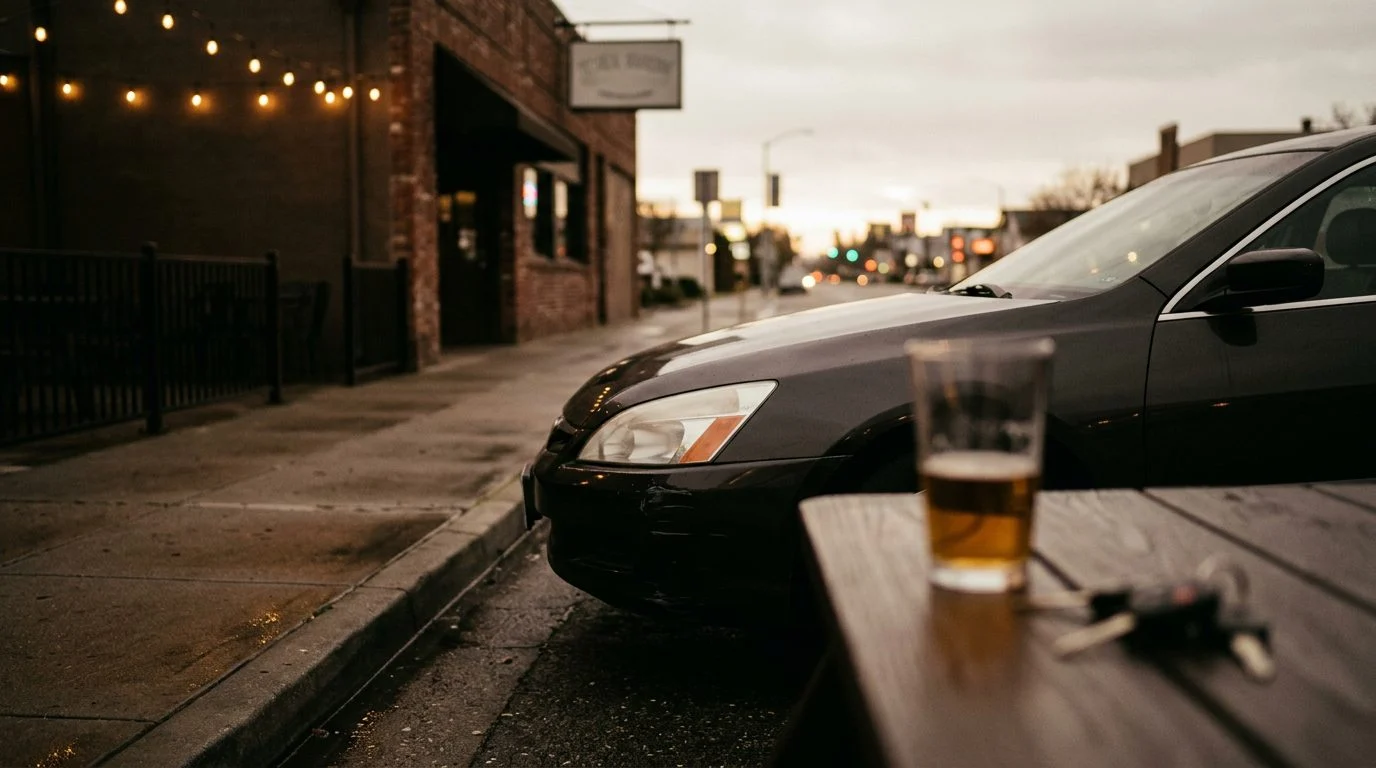
Wrongful Death | Bakersfield, Kern County
Can You Sue a Bar After a Fatal Drunk Driving Crash in California?
Colvin Accident Lawyers helps families in Kern County and the surrounding communities understand whether a bar or restaurant may share responsibility after a loved one dies in a crash involving an impaired driver.
By Donald Norman Colvin · Published November 8, 2026
Each family’s situation after a fatal drunk driving crash is different, and our team can talk through what happened with you in a free, confidential first consultation with no obligation to continue. Civil Code 1714(d) addresses a parent, guardian, or other adult who knowingly furnishes alcohol at his or her residence to a person he or she knows, or should have known, is under 21. It is a social-host provision and does not govern bars or restaurants. This page explains how these claims work, who can bring them, and why deadlines matter.
Can a Bar Be Held Liable?
Under Civil Code 1714(b), furnishing alcohol is not the proximate cause of injuries that result from a person’s intoxication. Liability is never automatic, and the fact that the driver drank there is not enough on its own.
Many families ask this question right after a crash, before they know the facts. That is normal. Early answers help you see which parts of the claim may apply.
California limits when a business can be held responsible for what an intoxicated customer later does. Each crash has its own facts, but the quoted law generally bars claims against alcohol furnishers for injuries caused by a person’s intoxication.
If you're weighing whether a bar, the driver, or both should be part of a claim after a loss like this, we can talk it through with you. Talk it through with our team — the first consultation is free, confidential, and carries no obligation.
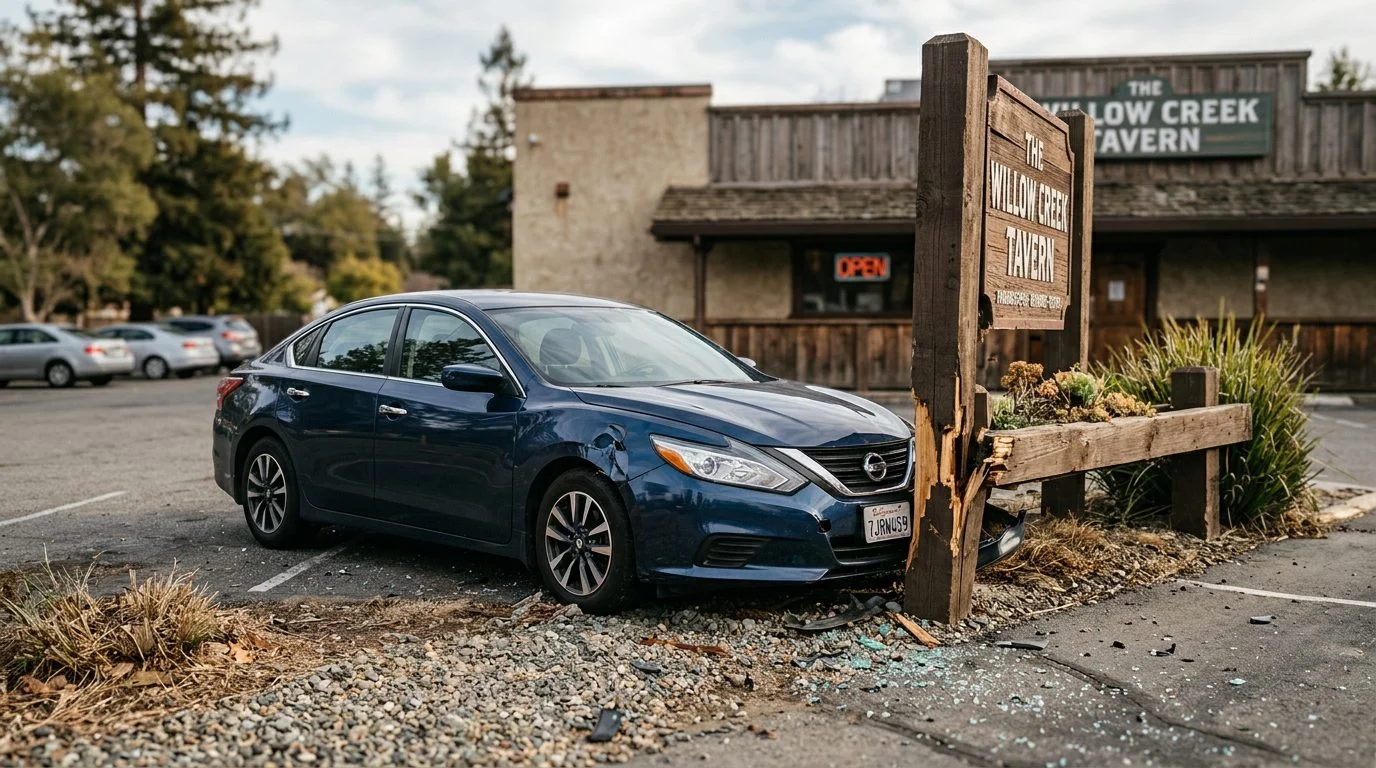
What Is California’s Dram Shop Law?
Dram shop liability is a legal term for a claim against a business that served alcohol to someone who later caused harm. A civil claim asks for money damages. It is not a criminal charge.
California law starts from a clear rule. Under Civil Code section 1714, the consumption of alcohol, not the furnishing of it, is the proximate cause (the legal cause) of injuries an intoxicated person inflicts on others. Section 1714(b) also states the Legislature’s intent to abrogate (cancel) Vesely v. Sager (1971), so older case law on this point no longer controls.
Social hosts get strong protection too. Section 1714(c) says no social host who furnishes alcohol can be held accountable for damages from that consumption. One exception covers an adult who knowingly serves alcohol at home to someone the adult knows, or should have known, is under 21 (section 1714(d)(1)).
These rules shape what evidence matters later, so it helps to learn them early.
Why Bar Liability Claims Are Generally Limited in California
Drinking alone does not prove the bar is responsible.
Start with the driver. Vehicle Code section 23152 makes it unlawful to drive under the influence of alcohol, or with a blood alcohol level of 0.08 percent or more. In a criminal prosecution, if a chemical test within three hours after driving shows a blood alcohol level of 0.08 percent or more, the law creates a rebuttable presumption (a starting assumption that can be challenged) that the driver had that level at the time of driving.
Vehicle Code section 23153 adds that driving under the influence which, while concurrently doing an act forbidden by law or neglecting a duty imposed by law in driving, proximately causes bodily injury to another person is also unlawful.
Useful evidence often includes receipts and tab records, video from the business, witness statements, and the driver’s test results. Each piece helps show how much the driver drank, where, and how visibly impaired the driver was when served.
Under Civil Code 1714(b), the consumption of alcohol, not the furnishing of it, is treated as the proximate cause of injury. Business records can be hard to recover later, so early requests matter.
Who Can Bring a Wrongful Death Claim in California?
Under Code of Civil Procedure section 377.60, the decedent’s surviving spouse, domestic partner, children, and children of deceased children can bring the claim, or, if there are no surviving descendants, the people who would inherit the decedent’s property by intestate succession. So can the decedent’s personal representative, acting on their behalf.
Others can qualify too. The statute covers a putative spouse (a spouse of a void or voidable marriage who believed in good faith the marriage was valid), stepchildren, and parents who depended on the decedent. Legal guardians can act if the parents have died. A minor can also sue if they lived in the decedent’s household for the previous 180 days and relied on the decedent for one-half or more of their support.
A survival action covers what the decedent lost before death. Code of Civil Procedure section 377.34 limits those damages and excludes pain and suffering, with exceptions for actions granted a preference before January 1, 2022, or filed between January 1, 2022, and January 1, 2026.
Code of Civil Procedure section 377.61 lets the court award damages that may be just under all the circumstances. Those damages cannot include amounts recoverable under section 377.34. The court also decides how the award is split among the people entitled to it.
Economic losses, such as medical and burial costs, and non-economic losses, such as loss of companionship, are defined in Civil Code section 1431.2.
Can You Also Sue the Drunk Driver?
Yes. A claim against the driver is a separate claim from any claim against a bar. Each one asks its own questions.
Everyone must use ordinary care. Under Civil Code section 1714, a person can be responsible for injuries caused by a lack of ordinary care in the management of their property or person. Impaired driving raises that question directly.
Punitive damages (extra damages meant to punish) are a separate question. Civil Code section 3294 allows them, in an action for the breach of an obligation not arising from contract, only when the plaintiff proves oppression, fraud, or malice by clear and convincing evidence. Under that law, malice includes conduct intended to cause injury, or despicable conduct carried on with a willful and conscious disregard of others’ safety.
Where more than one party is at fault, Civil Code section 1431.2 limits each defendant’s share of non-economic damages to its own percentage of fault.
Deadlines: Statutes of Limitations on Fatal Crash Claims
In general, California gives two years to bring a claim over a death. Code of Civil Procedure section 335.1 sets a two-year period for an action for the death of an individual caused by another’s wrongful act or neglect.
A cause of action does not end with the person’s death. Under Code of Civil Procedure section 377.20, it survives, but it stays subject to the applicable limitations period. In plain terms, the deadline still applies after a loss like this.
Families often assume the clock has not started. That assumption can be costly. Timing rules turn on who is sued and how the claim is framed, so reviewing dates early protects the claim. Missing a deadline can end a claim, even a strong one. Keep the death certificate, police reports, and bills together so the dates are easy to check.
Not sure what your next step is?
Talk it through with our team — the first consultation is free, confidential, and carries no obligation.
The Criminal Case Versus the Civil Claim
A criminal case is brought by the state. A civil claim is brought by the family to seek money damages.
The two run separately, with different goals. A criminal case asks whether the driver broke the law. A civil claim asks who must pay for the harm. The same crash can raise facts in both, but they move on separate tracks.
Families often hear about the criminal case first. The civil claim follows its own timing. Impaired driving rules in Vehicle Code section 23152 shape the criminal side, and the same evidence, such as test results and witness statements, can matter in a civil claim too.
Common Questions
Can a bar always be sued after a drunk driving death?
No. Liability is narrow, and a claim turns on the specific facts.
Who can file a wrongful death claim in California?
How long do families have to file?
For an action for assault, battery, or injury to, or death of, an individual caused by another’s wrongful act or neglect, the period is two years under Code of Civil Procedure section 335.1.
Talk to Colvin Accident Lawyers About Your Family’s Situation
If you’re trying to make sense of a sudden death while sorting out who may be responsible, you don’t have to work through it alone. Losing someone suddenly raises practical questions as well as legal ones.
Colvin Accident Lawyers is based in Bakersfield and represents families in Kern County. If you’re weighing whether a bar, the driver, or both should be part of a claim, reach out through our contact page. Our initial consultation is free, confidential, and carries no obligation to continue.
Donald Norman Colvin is the responsible lawyer for this page. Colvin Accident Lawyers, Bakersfield, California — responsible for this site.
What Families Should Know
Evidence matters early
Receipts, tab records, witness accounts, police reports, and toxicology results can all help show what happened before and during the crash.
We understand the loss
A wrongful death case is about a family's loss, not only a legal claim. We take the time to listen before we discuss options.
A free first consultation
Your first consultation is free, confidential, and carries no obligation to continue.
Do Not Decide Based on Assumptions
Many families assume the answer is no, or assume it is an easy yes. Neither assumption is safe. Share the facts of the crash with our team so we can review them with you.
Common Questions About These Cases
Who can be named in a claim?
Depending on the facts, a claim may involve the establishment that served alcohol and, in some cases, other parties connected to the crash.
What facts do we look at?
We review where the drinking took place, how alcohol was served, the condition of the impaired driver, and how the crash occurred.
How is a wrongful death case different?
A wrongful death claim focuses on the death itself and the losses it caused the family, which is why each family's circumstances matter.
What happens at the consultation?
We listen to your account, explain the questions we need answered, and discuss what the next steps could look like for your family.
Talk With Colvin Accident Lawyers About Your Family's Situation
Related practice areas
- Wrongful Death Lawyer
- Car Accident Report Lookup in California: Step by Step