Does an Autopsy Matter in a California Wrongful Death Claim?
By Donald Norman Colvin · Published November 22, 2026
An autopsy can add medical evidence about how the death happened, which may matter in a wrongful death claim. Still, it is one piece of the record, not a final answer about who is responsible.
Short answer: an autopsy can matter, but its weight depends on the facts
An autopsy adds medical evidence about the cause of death, but it does not decide fault by itself. Whether it carries weight in a given claim turns on the case, including how the death happened and what other records exist.
A wrongful death claim rests on negligence, which means a failure to use reasonable care. California’s civil jury instructions on negligence list these elements: that the defendant was negligent, that the plaintiff was harmed, and that the defendant’s negligence was a substantial factor in causing the plaintiff’s harm (Judicial Council of California Civil Jury Instructions). The law asks about cause, not just whether a death occurred.
In a death case, the family brings that claim. Under Civil Code § 1714, everyone is responsible for an injury caused by want of ordinary care, except so far as the injured person has, willfully or by want of ordinary care, brought the injury upon themselves. The autopsy mostly speaks to the harm and its link to the event. It helps answer what caused the death, not who acted carelessly.
If your family is waiting on an autopsy after a crash or other incident, you do not have to sort out the reports and deadlines alone, so reach out and we can talk it through. Talk it through with our team — the first consultation is free, confidential, and carries no obligation.
What an autopsy can show about cause of death
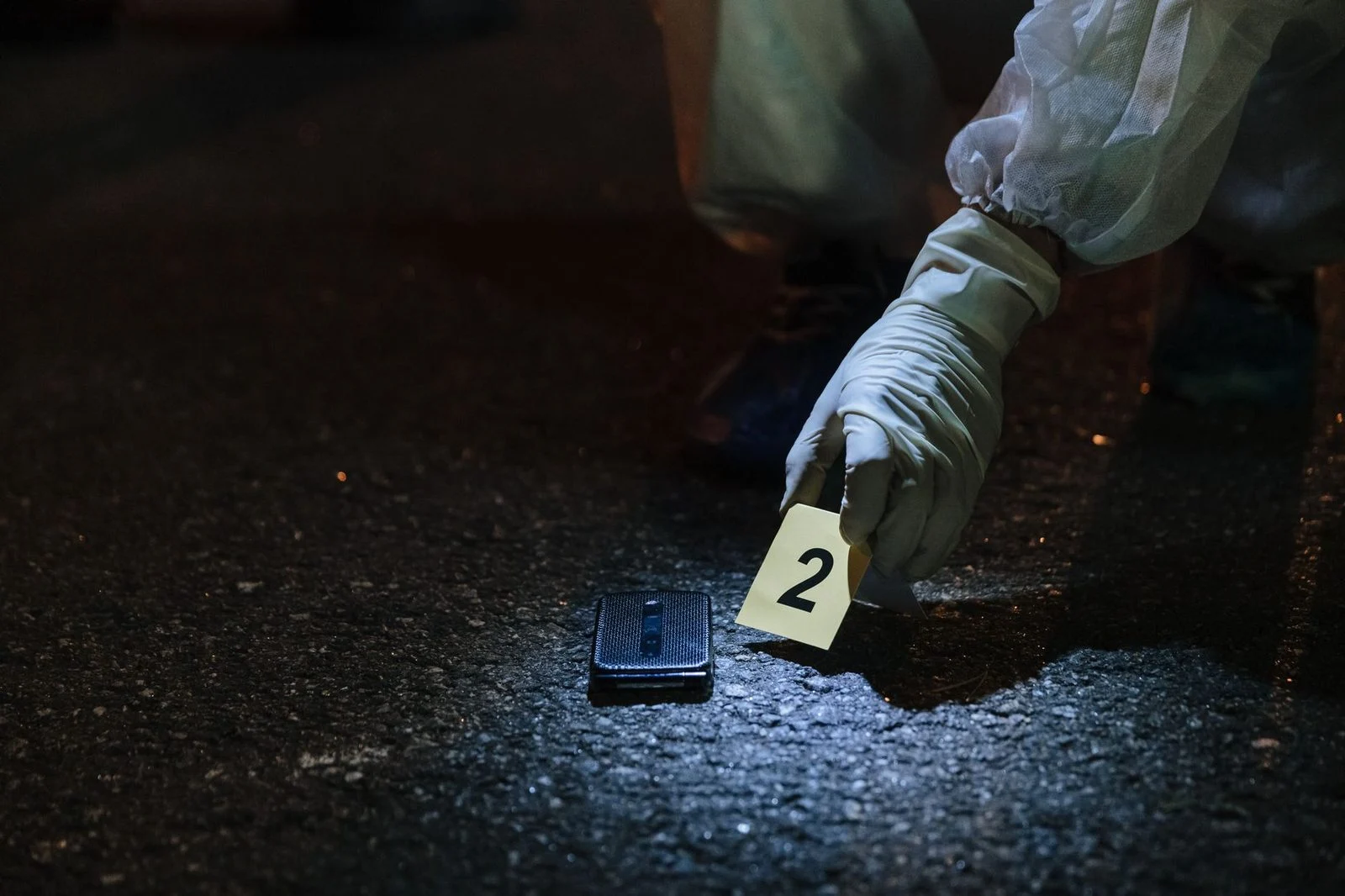
An autopsy can show the medical cause and manner of death, and it documents injuries found on the body. A medical examiner or coroner records these findings in a written report.
Injuries matter because they can be checked against the event. Fractures, internal trauma, and where injuries sit can be compared with the impact described in the crash. When the injury pattern fits the police and scene records, the medical findings strengthen that link. When it does not fit, the mismatch is a question to examine.
Toxicology testing can show whether alcohol or drugs were in the body. Those results show what was present. On their own, they do not show how a substance affected the crash or who was at fault.
The report can be long and full of medical terms. Ask the office to explain any entry you don’t understand, and keep a copy of every version you receive.
Can cause of death be known without an autopsy?
Other records, such as the death certificate and medical treatment records, can also describe the cause of death. Which records exist depends on the case.
How cause of death connects to fault and causation
Medical cause of death links the incident to the death, but it does not prove who was negligent. A defendant’s negligence may be a substantial factor in causing a person’s harm. (CACI No. 400)
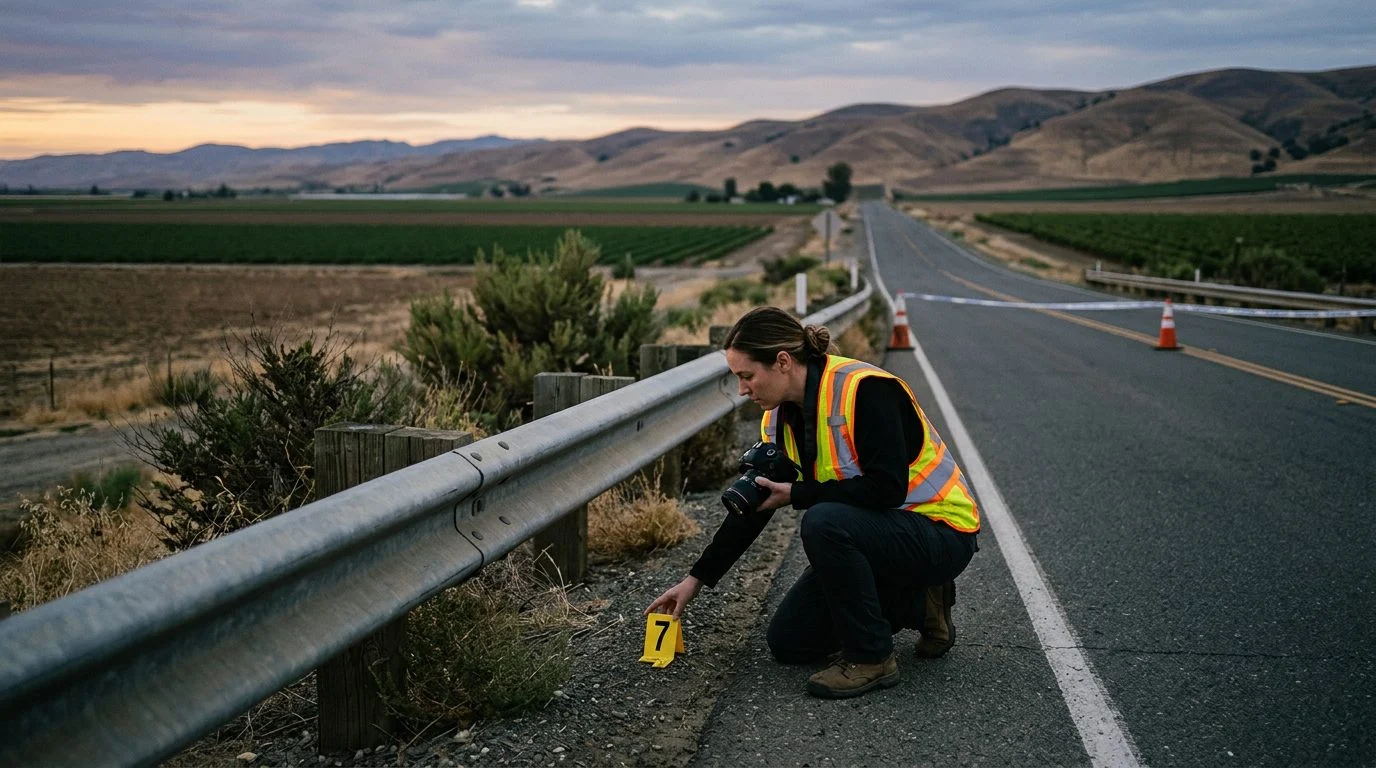
The same check applies to a pedestrian strike, a bicycle or motorcycle crash, a bus or truck collision, a dog attack, or a fall on unsafe property. Each asks whether the medical findings match what the records show happened.
Deaths that follow an incident by days or weeks are harder to connect. The autopsy can help show how a later death relates to the original event. See deaths that follow a crash by weeks.
Shared fault can also come up. California follows pure comparative negligence (shared fault), so the injured person’s own negligence does not bar recovery. It reduces damages (Daly v. General Motors Corp.).
Under California’s jury instruction on a plaintiff’s comparative fault, if the defendant proves the required elements, the jury determines the plaintiff’s percentage of responsibility, the plaintiff’s damages are reduced by that percentage, and the judge calculates the actual reduction (Judicial Council of California Civil Jury Instructions). When more than one defendant is at fault, Civil Code § 1431.2 generally limits each defendant’s non-economic damages to its own share of fault.
What an autopsy cannot decide on its own
An autopsy describes the body.
Other evidence often matters alongside it: police and collision reports, photographs, vehicle or property inspection records, medical treatment records, and witness statements. Each one fills in part of the sequence, and the medical findings are read against all of them.
When the autopsy and the police file point the same way, the combined record is stronger than either alone. Reviewers on each side may still read the same findings differently, so no single document settles the case.
For the witness and family-impact side of a claim, see witness and family-impact evidence.
Does a coroner’s finding decide who is at fault?
No. A finding of cause and manner of death is a medical finding, not a legal ruling on fault.
Getting the autopsy report and preserving related evidence
Family members can ask the coroner or medical examiner’s office that handled the case about the report’s status and how to request a copy.
For a crash the California Highway Patrol investigated, the CHP explains who may request a crash report and how to request one online, in person, or by mail (CHP crash report request).
Keep the death certificate and hospital or emergency care records. They often document injuries and treatment before death.
Preserve photos, messages, the vehicle or other property involved, and written notes of what witnesses said. Keep receipts for funeral, burial, and medical bills, since these relate to the damages discussed below.
If your loved one was a Medicare beneficiary, Medicare must be notified of the claim. Beneficiaries, through their attorney or otherwise, must notify Medicare when a claim is made against an alleged wrongdoer with liability insurance (CMS, Reporting a Case). If an insurer pays slowly, Medicare may pay first and later recover what the primary payer should have paid (Medicare.gov).
Who can bring a claim and what damages may be available
Under Code of Civil Procedure § 377.60, the decedent’s surviving spouse, domestic partner, and children may bring the claim, along with certain other relatives.
Parents can also bring it if they were dependent on the decedent, or, if the decedent left no surviving issue, if they would be entitled to the decedent’s property by intestate succession. So can a minor who lived in the decedent’s household for the previous 180 days and depended on the decedent for one-half or more of support. The decedent’s personal representative may also bring the claim on their behalf.
Under Code of Civil Procedure § 377.61, damages may be awarded that, under all the circumstances, may be just, but may not include damages recoverable under Section 377.34. The court decides how any award is shared among those entitled to bring the claim. For breach of an obligation not arising from contract, Civil Code § 3333 measures damages, except where otherwise expressly provided by this Code, as the amount that compensates for all detriment proximately caused.
Which losses apply turns on the family’s facts and records.
The filing window comes from Code of Civil Procedure § 335.1, which sets a two-year period for an action for the death of an individual caused by another’s wrongful act or neglect. Because that period is set by statute, don’t plan around waiting for the autopsy report. No lawyer can predict the amount of any recovery.
Not sure what your next step is?
Talk it through with our team — the first consultation is free, confidential, and carries no obligation.
Talk with Colvin Accident Lawyers about your family’s situation
If your family has learned an autopsy was done after a crash or other incident, you do not have to sort out the medical report, the police file, and the deadline alone.
Colvin Accident Lawyers is based in Bakersfield, California. The firm represents accident victims and families in car, truck, motorcycle, bicycle, pedestrian, bus, dog bite, premises liability, catastrophic injury, and wrongful death cases. Our team can review the records with you and explain what each one means for the claim.
To talk through the autopsy, the incident records, and the time limit that applies, contact Colvin Accident Lawyers.
La consulta inicial es gratuita, confidencial y sin compromiso de continuar.
Frequently Asked Questions
Does an autopsy matter in a wrongful death claim?
Yes, an autopsy can be important because it documents the cause of death and any injuries found on the body. That information can help show how the death happened and connect it to the event that caused it.
Can an autopsy report show what caused a wrongful death?
An autopsy report can record the medical cause of death, the injuries found, and sometimes toxicology results. Those findings are one part of the evidence, and they are often reviewed alongside police reports, medical records, and witness statements.
Can a family refuse an autopsy in a wrongful death case?
In many cases, the county coroner or medical examiner decides whether an autopsy is required, especially for sudden, violent, or unexplained deaths. Families can ask questions about the process, and Colvin Accident Lawyers offers a free, confidential first consultation with no obligation to continue.
Do I need an autopsy to file a wrongful death claim?
No, a wrongful death claim does not depend on an autopsy alone. Other evidence, such as crash reports, medical records, photos, and witness accounts, can also play a major role in showing what happened.
What an Autopsy Can Help Document
Medical cause of death
The findings can record the medical cause of death, which is often central to understanding how a death happened.
Injuries on the body
The report can describe injuries and their location, which may help connect them to the event that caused the death.
Context for other evidence
Autopsy findings can be compared with police reports, medical records, and accident scene evidence to build a complete picture.
Questions that need answers
Families sometimes have concerns about timing, findings, or conclusions. Our team can help you understand what the records say.
Keep Other Evidence in Mind
An autopsy report is one piece of evidence, not the whole case. Accident reports, witness statements, photographs, and medical treatment records can matter just as much. Gathering them early helps preserve what is available.

Common Questions Families Ask
Who receives the autopsy report?
Our team can explain the process and help families ask the right questions.
Does an autopsy decide who is responsible?
An autopsy does not by itself answer questions about fault. It is one source of information that can be considered alongside the other facts of the case.
What if the family disagrees with the findings?
Families sometimes want a second look at the facts. We can review the available records with you and discuss the questions you have.
When should I talk with a lawyer?
Many families reach out soon after a loss, while records and evidence are still being gathered. You can contact our office to talk through your situation.