Wrongful Death · Bakersfield, CA
Lost a Loved One in a Car Crash? We Can Help Your Family Take the Next Step
Colvin Accident Lawyers represents families across Kern County and nearby communities when a passenger's life is taken in a crash, and we focus on listening carefully to what your family is facing.
By Donald Norman Colvin · Published November 11, 2026
Losing a loved one in a crash is hard enough without wondering what your family can do next. If your loved one died as a passenger in a car crash in California, state law may let certain family members bring a wrongful death claim.
This page covers who can file, who may be liable, what families may pursue, and which deadlines matter most.
What a Passenger Wrongful Death Claim Covers and Who Can Bring It
Under Code Civ. Proc. § 377.60, a surviving spouse, domestic partner, or child can bring the claim, along with others the statute names.
A wrongful death claim covers a death caused by another person’s wrongful act or neglect. The question is whether someone else’s negligence caused the death.
The first group includes the decedent’s surviving spouse or domestic partner, children, and children of deceased children. If there is no surviving issue of the decedent, the people who would inherit the decedent’s property under intestate succession (inheritance rules that apply without a will), including a surviving spouse or domestic partner, may sue.
Others may sue if they depended on the decedent. That includes a putative spouse (the surviving spouse of a void or voidable marriage whom the court finds to have believed in good faith that the marriage was valid), stepchildren, parents, and guardians when the parents have died. A minor who lived in the decedent’s household for the previous 180 days and relied on the decedent for half or more of their support also qualifies.
A personal representative can bring the claim for them. The court then decides how any award is divided among those entitled to it, under Code Civ. Proc. § 377.61.
Keep this separate from a survival action. That survival claim covers losses your loved one suffered before death, and damages in this claim may not include damages recoverable under Section 377.34, as explained below.
If a passenger in your family died in a car crash, you may have a claim, and our team can review it with you in a free, confidential initial consultation with no obligation to continue. Talk it through with our team — the first consultation is free, confidential, and carries no obligation.
Who May Be Liable When a Passenger Dies in a Crash
The at-fault driver is the first party to examine, but not the only one.
- The driver. Negligence such as speeding, distracted driving, or running a red light can support a claim. Driving under the influence is unlawful, and so is driving with a blood alcohol level of 0.08 percent or more, under Veh. Code § 23152.
- The vehicle owner. Under Veh. Code § 17150, an owner is liable for death caused by a negligent driver using the vehicle with the owner’s express or implied permission.
- Other drivers. A second driver whose conduct contributed to the crash can also be a defendant.
- Public agencies. A dangerous road defect may point to a public entity. Under Gov. Code § 911.2, a claim for death must be presented within six months after it accrues. Under Gov. Code § 945.4, except as provided in Sections 946.4 and 946.6, no suit can proceed until that claim is acted on or deemed rejected.
- Employers. If the driver was working, the employer’s role may need review.
Punitive damages are possible in some cases. Under Civ. Code § 3294, they require proof by clear and convincing evidence of oppression, fraud, or malice.
Damages Families May Pursue After a Passenger Death
Families can pursue economic losses, such as medical and burial costs, and non-economic losses, such as loss of companionship. Under Civ. Code § 1431.2, economic damages are objectively verifiable losses, like medical expenses, loss of earnings, and burial costs.
Non-economic damages are subjective losses, like loss of society and companionship. Under the same section, in a personal injury, property damage, or wrongful death action based on principles of comparative fault, each defendant pays non-economic damages only in proportion to its share of fault.
Wrongful death damages may be awarded as the court finds just under all the circumstances. Under Code Civ. Proc. § 377.61, they may not include the survival damages covered by § 377.34.
Survival damages are narrower. Under Code Civ. Proc. § 377.34, they are limited to losses the decedent sustained before death, and they exclude pain, suffering, and disfigurement. The exception in subdivision (b) covers actions granted a preference under Section 36 before January 1, 2022, and actions filed on or after January 1, 2022, and before January 1, 2026.
Uninsured motorist coverage may matter too. Under Ins. Code § 11580.2, this coverage can protect an insured’s heirs or legal representatives. Whether it applies depends on the policy and the facts.
Deadlines and Time-Sensitive Steps to Take Early
California generally allows two years to file a personal injury lawsuit, but a claim against a public agency must first be presented within six months under Gov. Code § 911.2, a lawsuit against a public entity generally follows that claim process under Gov. Code § 945.4, and relief from a late claim may be available under Gov. Code § 946.6. Under Code Civ. Proc. § 335.1, the two-year limit covers an action for the death of a person caused by another’s wrongful act or neglect.
If a public agency may share fault, don’t let the six-month claim step slip. Start that review right away.
Some evidence disappears fast:
- The crash report from the California Highway Patrol or local police.
- Vehicle data and event recorder information, which can be lost or overwritten.
- Traffic camera and nearby business video, which may be recorded over.
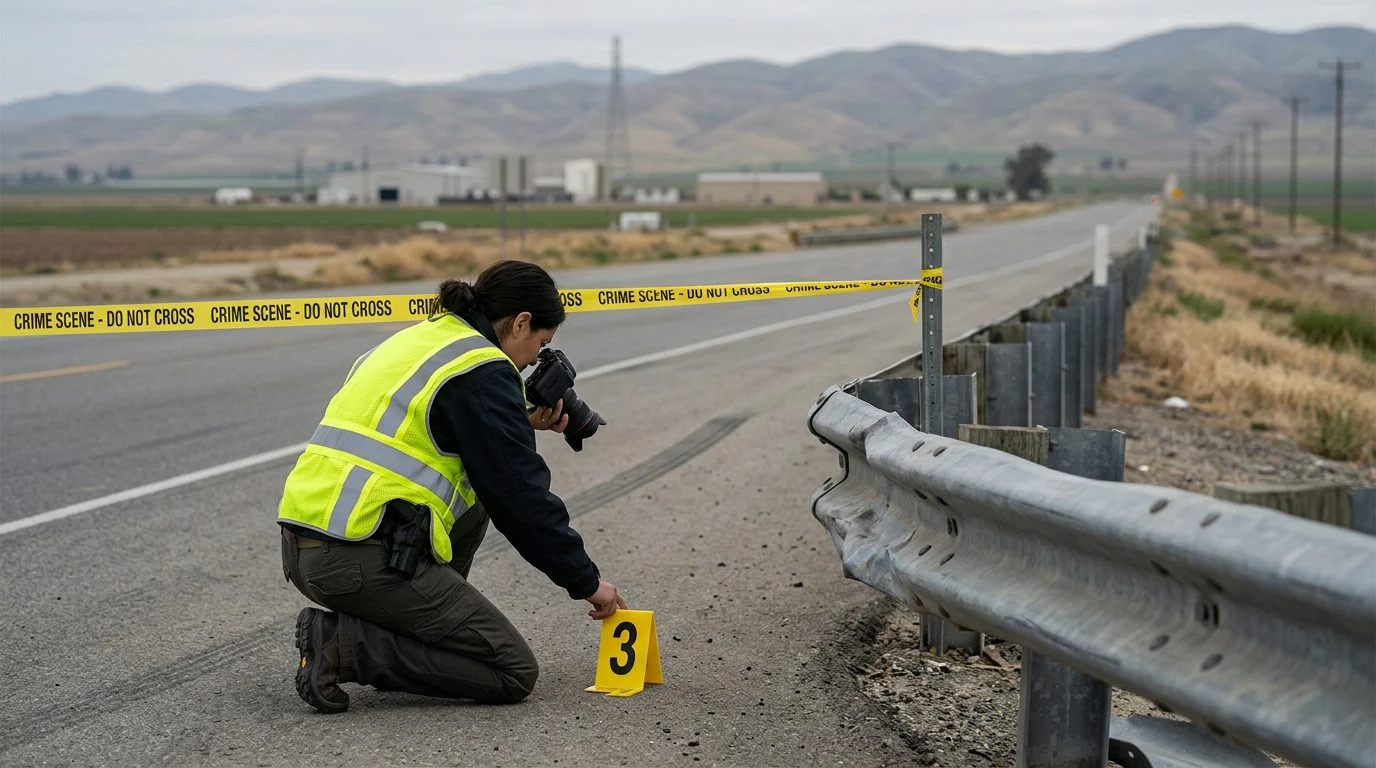
- Skid marks and road conditions, which change once the scene is cleared.
- Coroner or medical examiner findings, and toxicology results when available.
- Funeral invoices, medical bills, and pay records.
Common mistakes include giving recorded statements to insurance adjusters before the facts are reviewed, and repairing or selling the vehicle before it is inspected.
How a Passenger Wrongful Death Case Moves Forward
A case usually moves through a consultation, an investigation, claim notices, negotiation, and, if needed, a lawsuit.
- Initial consultation. You review the crash facts, your family’s relationship to your loved one, and the deadlines.
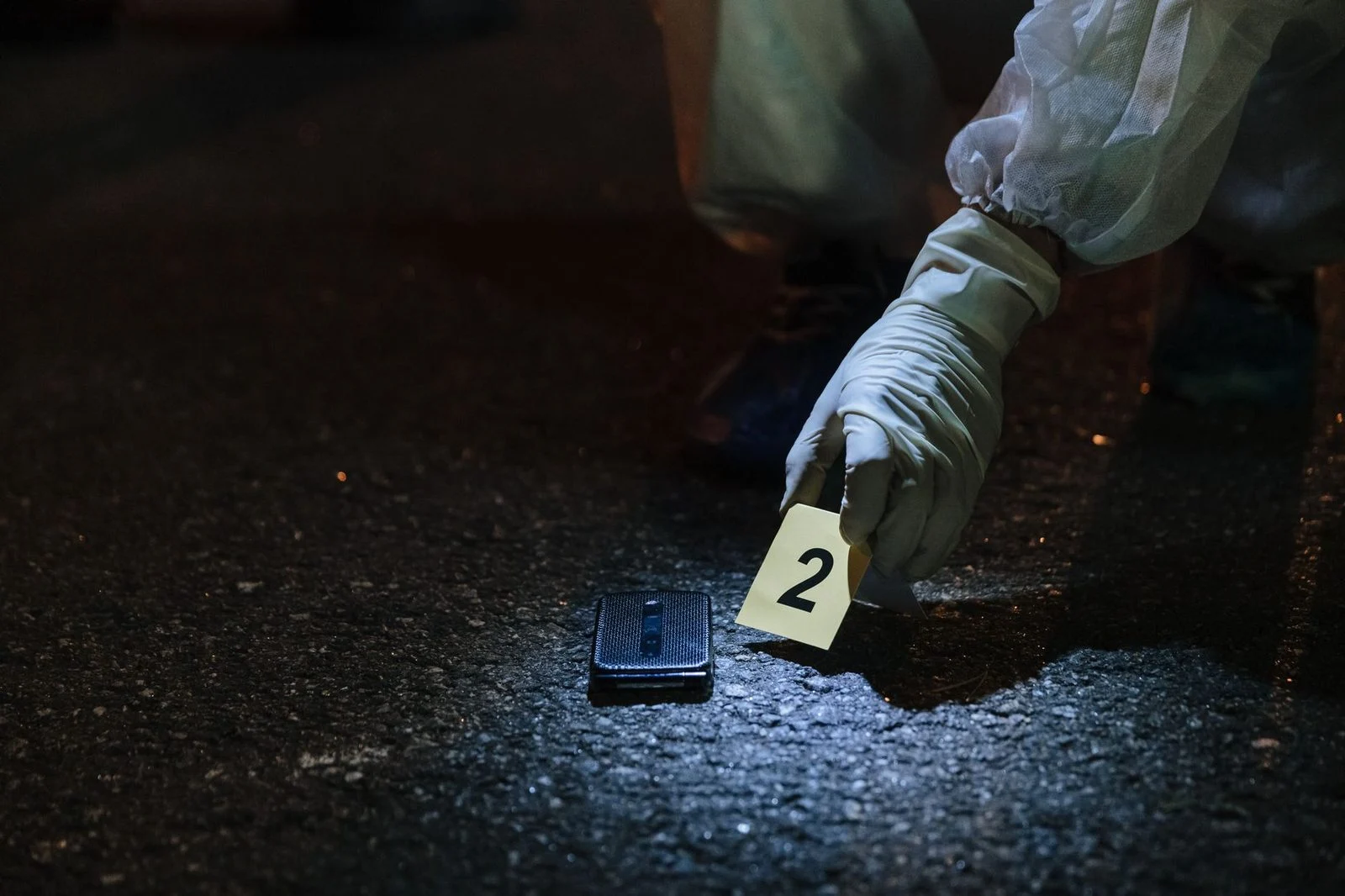
- Investigation. The crash report, scene evidence, and records are gathered, and every potentially liable party is identified.
- Claim notice. Claims go to insurers, and a government claim is filed where a public agency may share responsibility.
- Damages documentation. Bills, pay records, funeral invoices, and proof of the decedent’s household role are collected.
- Negotiation. Resolution is discussed with insurers and defendants, which may end the matter without trial.
- Lawsuit. If a fair resolution isn’t reached, suit is filed within the deadlines, followed by discovery, depositions, and possibly trial.
Timelines vary. The number of parties and whether the case reaches trial shape the length.
Why Colvin Accident Lawyers for This Claim
Colvin Accident Lawyers is a personal injury firm based in Bakersfield, California. It represents accident victims and families, including in wrongful death and catastrophic injury matters.
Donald Norman Colvin is the responsible lawyer for this page. The firm’s lawyers and support staff work with clients through each step, and our team keeps families informed in plain language.
The firm represents clients in Kern County and nearby communities, including Fresno, Visalia, Lancaster, Palmdale, Delano, and Tehachapi. Families can benefit from one clear point of contact while they handle the practical and emotional demands of a loss.
Not sure what your next step is?
Talk it through with our team — the first consultation is free, confidential, and carries no obligation.
Common Questions About Passenger Wrongful Death Claims in California
The questions below cover who can sue, the role of a criminal case, and how a passenger’s own conduct affects a claim.
Can a family sue if the driver was a friend or relative?
Yes, the law asks who the claimant is. Code Civ. Proc. § 377.60 does not mention the driver’s relationship to the family.
Can a family sue if the drunk driver was never convicted?
A wrongful death claim is a civil case.
What if my loved one knew the driver had been drinking?
Do I need a lawyer to file a wrongful death claim?
Deadlines and government claim rules are technical. An early review can show which ones apply to your family.
If your loved one died as a passenger and you’re weighing your next step, call Colvin Accident Lawyers or send a message through our contact form. The first step is a free, confidential initial consultation with no obligation to continue, where we review the crash facts and deadlines together.
What to Expect When You Contact Our Firm
Free first consultation
Your first consultation with Colvin Accident Lawyers is free, confidential, and carries no obligation to continue.
Talk with someone who listens
We take time to hear how the crash has affected your family, including the questions you may not yet know how to ask.
Help organizing the facts
We can talk with you about the records, reports, and details that often matter after a fatal crash.
Respect for your family
Our team understands that you are grieving. We aim to keep communication clear and considerate at every step.
Keep What You Have
If you can, save the crash report, photos, medical and funeral records, insurance letters, and the names and contact details of any witnesses. Sharing these with a lawyer early can help your family understand what happened. You do not need every document to call us.
How We Work With Families
Start with a conversation
We begin with a free, confidential consultation to learn what happened and answer your questions about the process.
Look into the crash
We gather information about the collision, including reports, records, and the circumstances that led to the crash.
Plan with your family
We explain the options available to your family so you can make decisions at a pace that feels right for you.
Keep you informed
You will hear from us about developments in your case, and you can reach out with questions at any time.